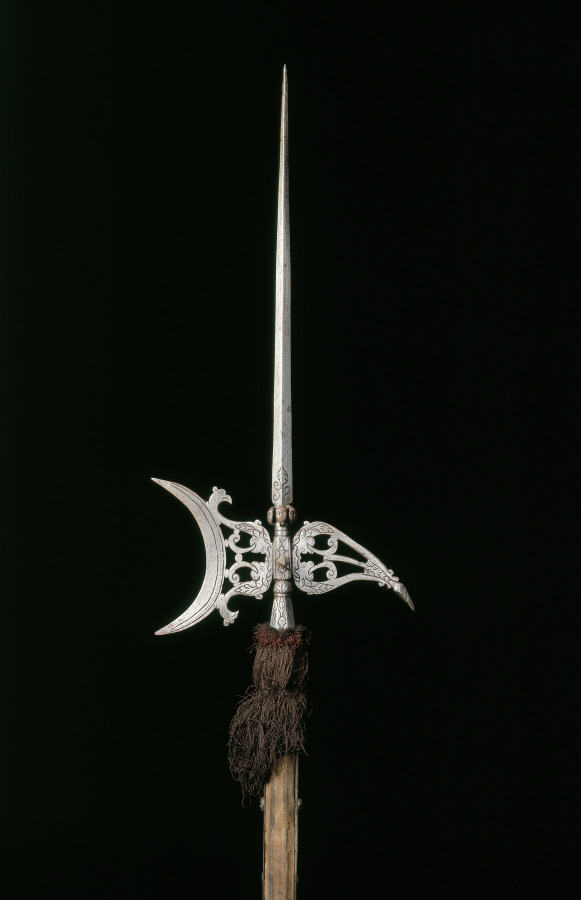
![Parade Halberd (from the bodyguard of Ludwig Rudolf, Duke of Brunswick- Wolfenbüttel [1671-1735])](https://openaccess-cdn.clevelandart.org/2007.164/2007.164_web.jpg)
Cleveland Museum of Art
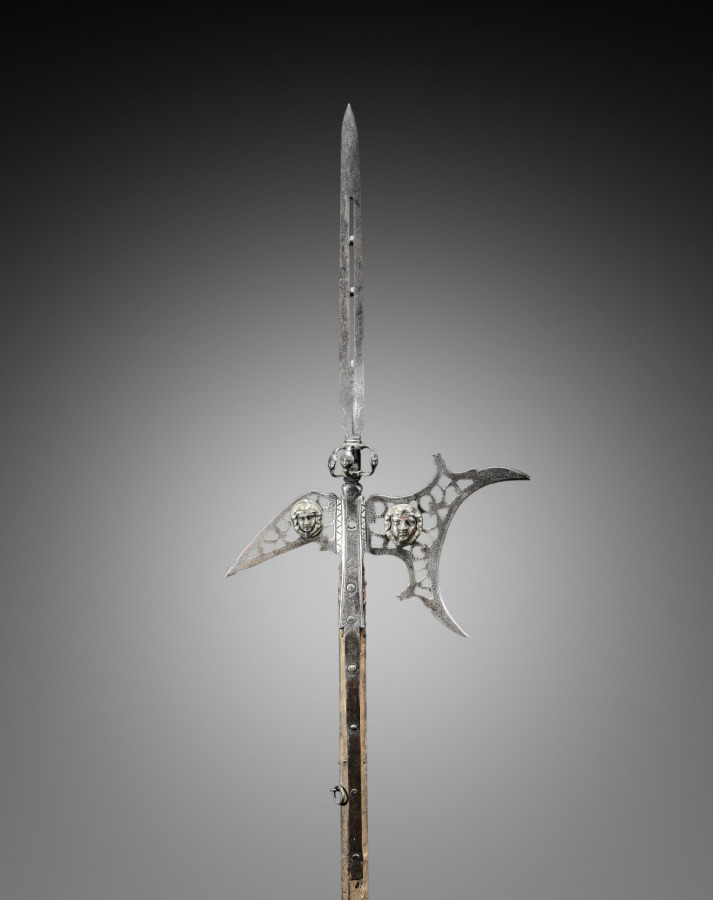
Parade Halberd (from the bodyguard of Ludwig Rudolf, Duke of Brunswick- Wolfenbüttel [1671-1735])
- Date
- 1717
- Medium
- blued, etched and gilded steel, wooden haft with orginal steel base spike, silk tassel with alternating blue and gold bands
- Culture
- Germany, 18th century
- Department
- Medieval Art
- Institution
- Cleveland Museum of Art
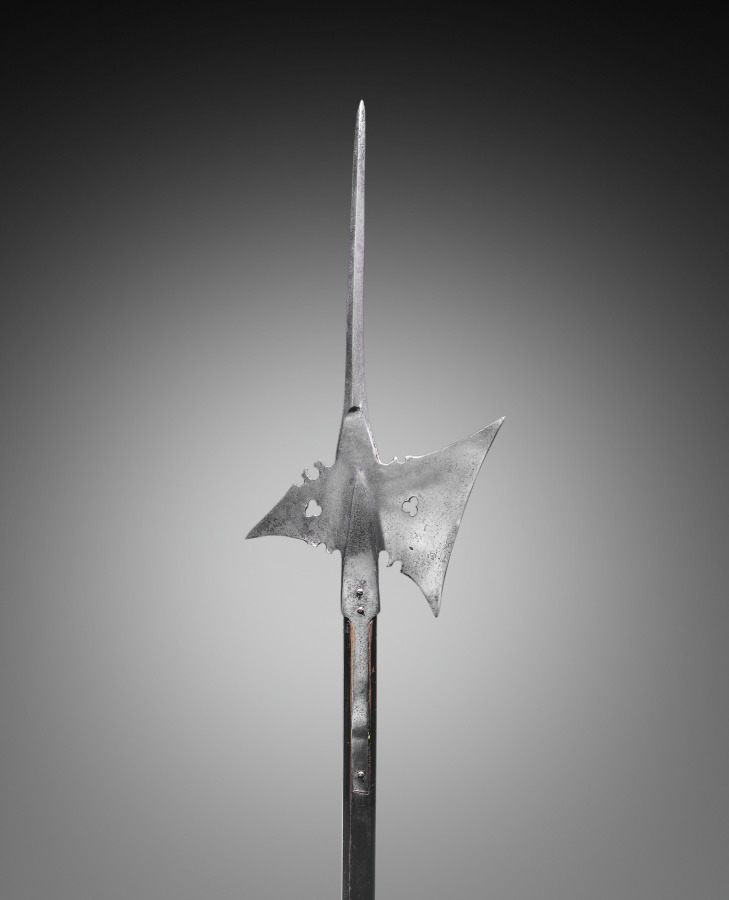
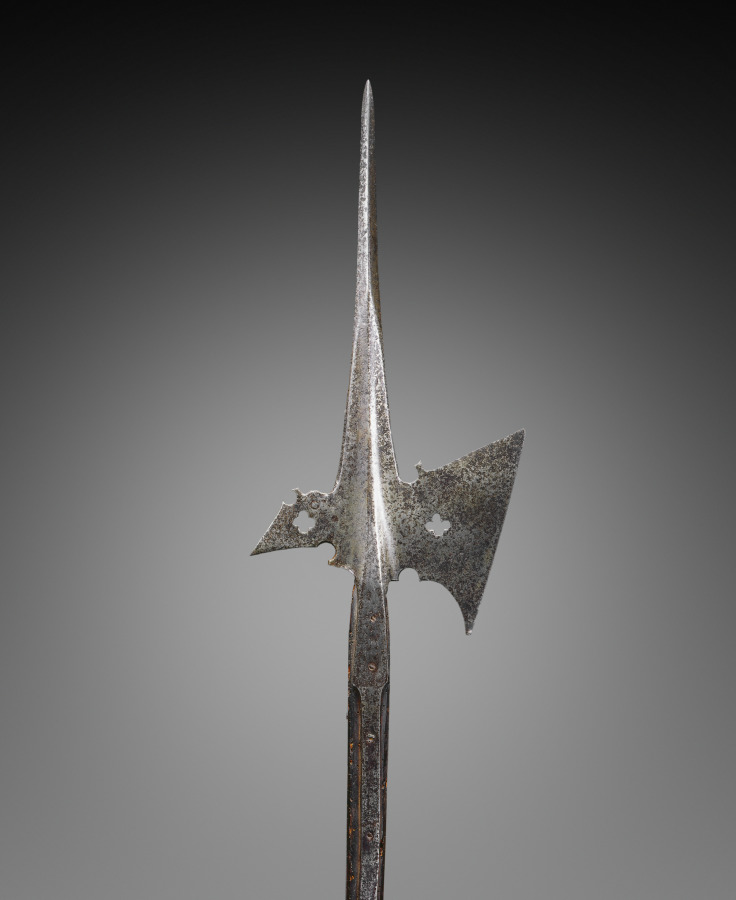
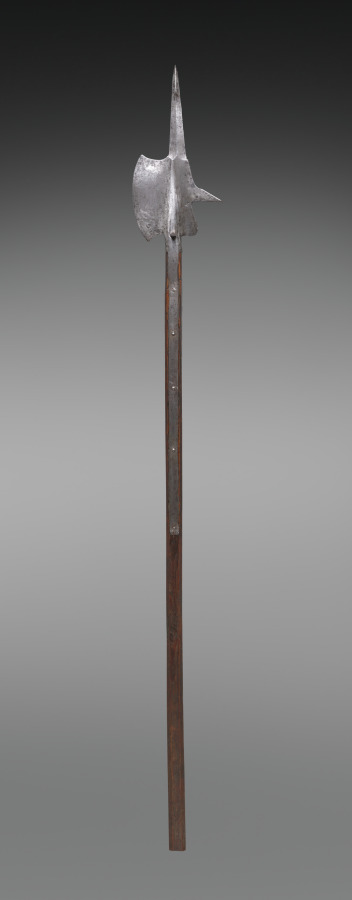
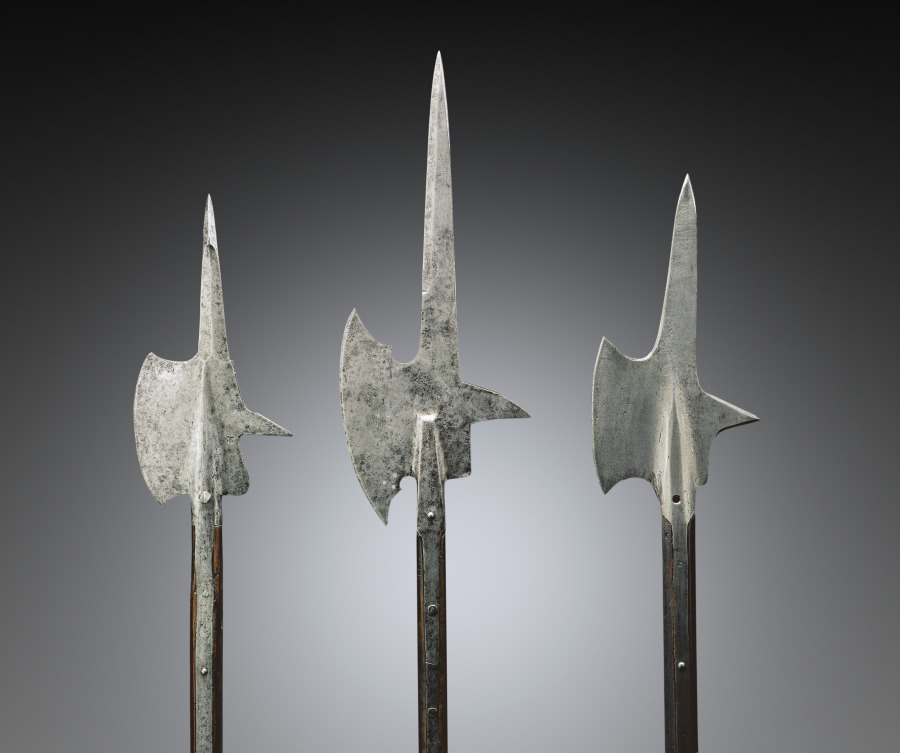
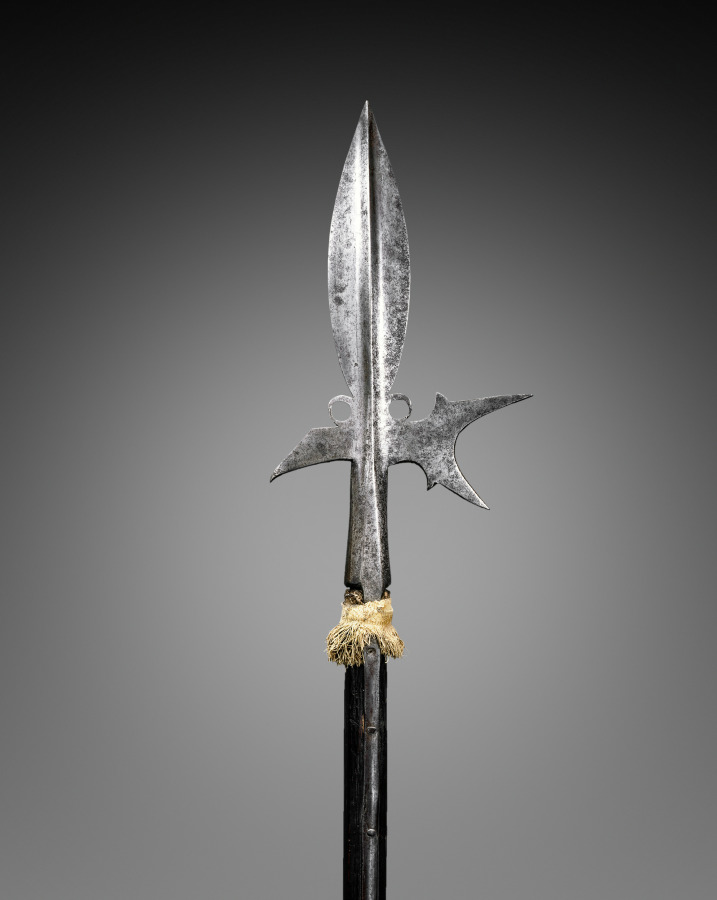
The halberd and partisan are hafted weapons highly favored by European infantries of the 1500s and 1600s for their great versatility and deadly effect. From about 1550 on, these weapons underwent significant changes as they gradually became more ornamental. The large flat surfaces of the blades lent themselves to engraving, etching, gilding, and other forms of decoration. They also provided the perfect location for the coats of arms of princely or noble families. For this reason, hafted weapons became the favored parade weapons of palace guards and splendidly outfitted special regiments of princely bodyguards. These examples, made for the German dukes of Brunswick at Schloss Blankenburg, still have their silk tassels in their original colors of blue and yellow. A halberd is a mix between a battle ax and a spear.
The authoritative record is held by Cleveland Museum of Art. LinkedCulture surfaces this object and its connections; it does not alter institutional metadata.
Related across collections
Semantically similar works from Cleveland Museum of Art and other institutions.
![Parade Partisan (from the Bodyguard of August Wilhelm, Duke of Brunswick- Wolfenbüttel [1662-1731])](https://openaccess-cdn.clevelandart.org/2007.165/2007.165_web.jpg)
Parade Partisan (from the Bodyguard of August Wilhelm, Duke of Brunswick- Wolfenbüttel [1662-1731])
Cleveland Museum of Art
![Parade Halberd (from the state guard of Elector Christian I of Saxony [ 1560- 91])](https://openaccess-cdn.clevelandart.org/1916.1819/1916.1819_web.jpg)
Parade Halberd (from the state guard of Elector Christian I of Saxony [ 1560- 91])
Cleveland Museum of Art
Parade Halberd
Cleveland Museum of Art
Halberd
Cleveland Museum of Art
Halberd
Cleveland Museum of Art
Halberd
Cleveland Museum of Art
Halberd
Cleveland Museum of Art
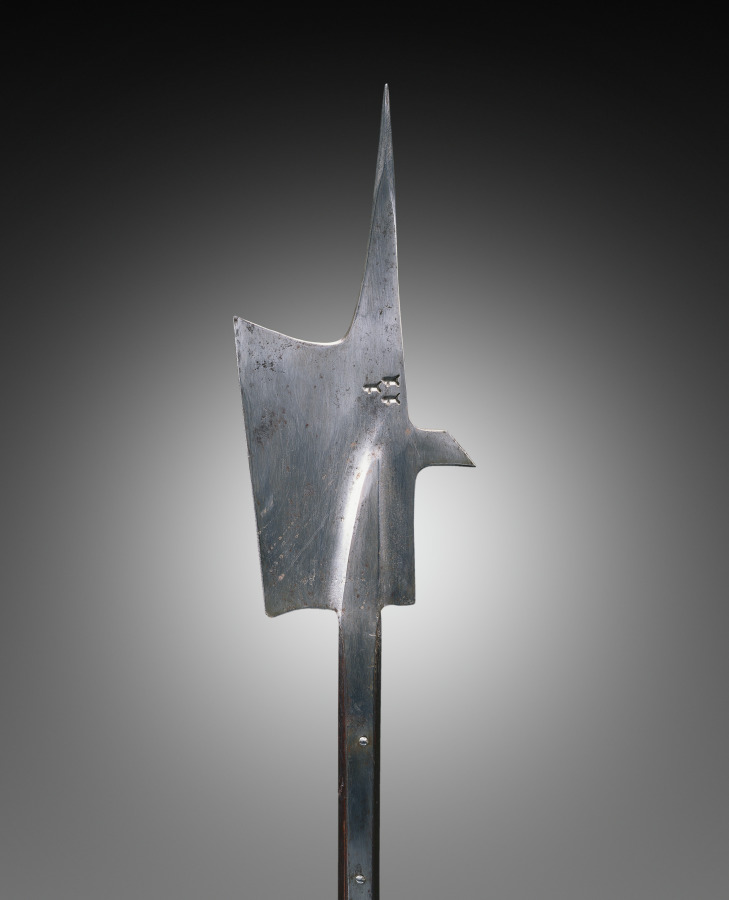
Halberd
Cleveland Museum of Art
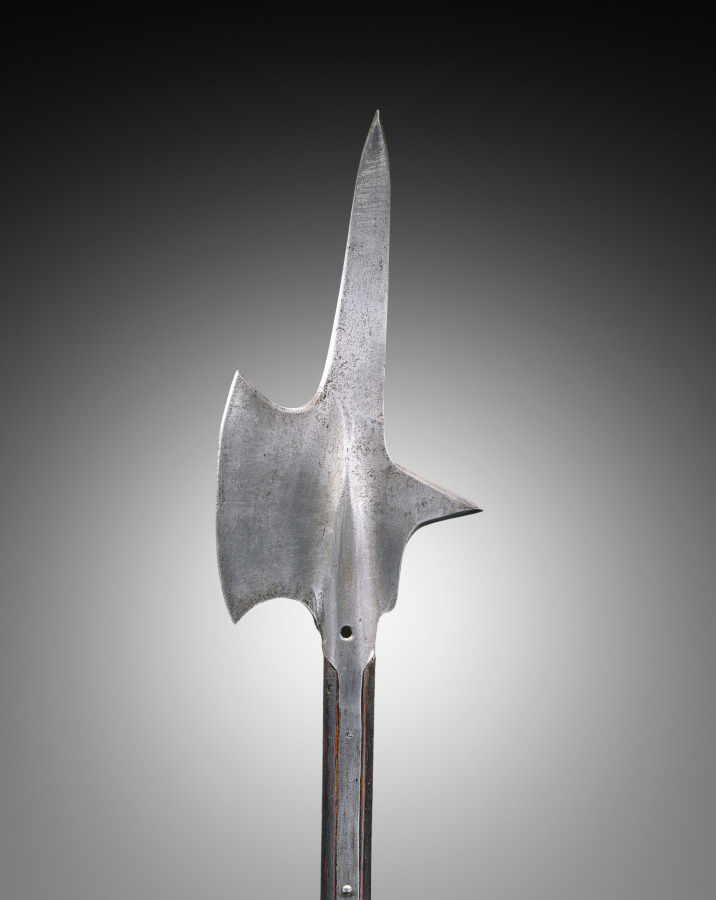
Halberd
Cleveland Museum of Art
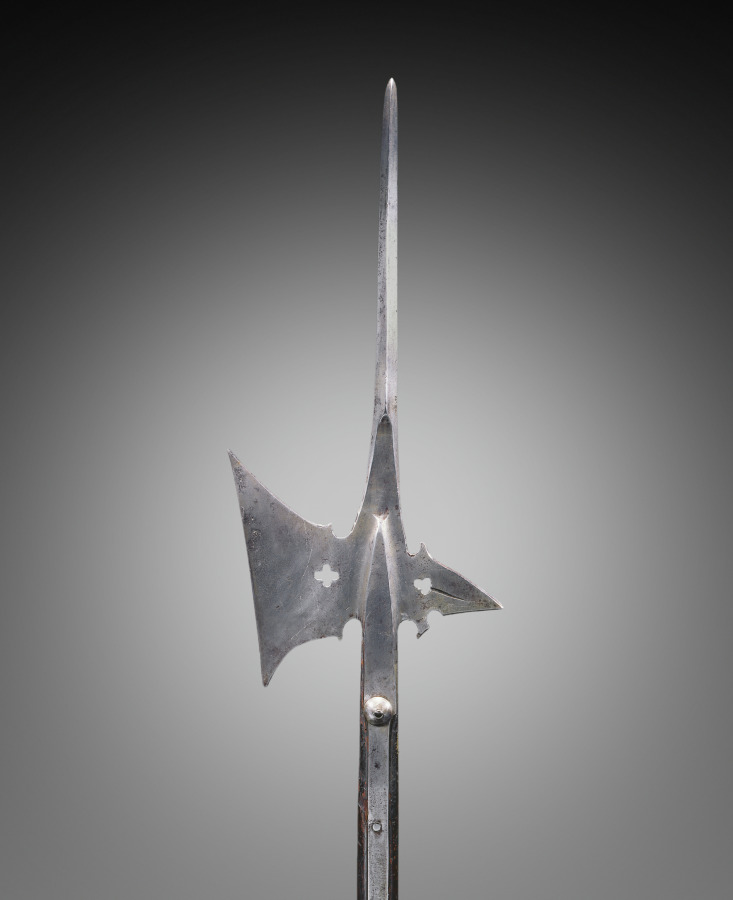
Halberd
Cleveland Museum of Art
Halberd
Cleveland Museum of Art
Halberd
Cleveland Museum of Art