Cleveland Museum of Art
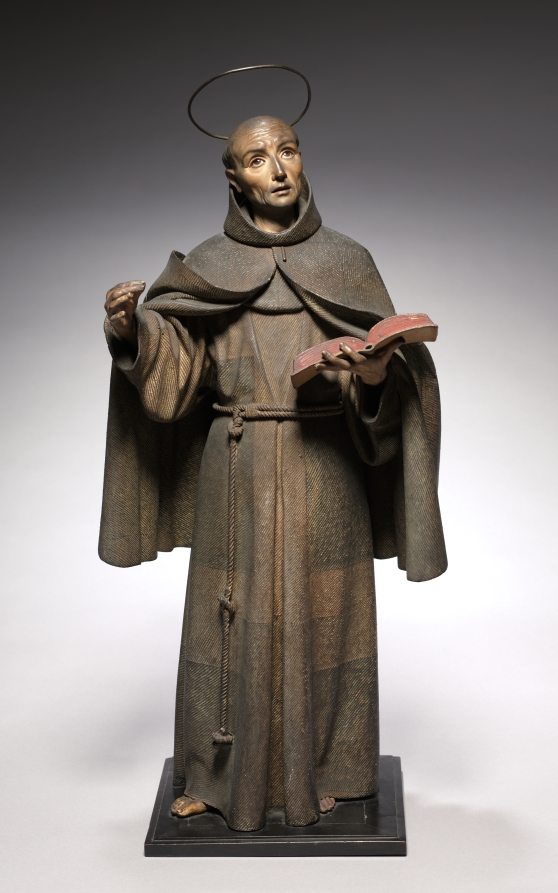
Saint Peter of Alcántara
Pedro de Mena
- Date
- c. 1663–70
- Medium
- painted wood, with ivory and glass
- Culture
- Spain
- Department
- European Painting and Sculpture
- Institution
- Cleveland Museum of Art
Painted wood sculpture from Spain in the 1600s involved a team of artisans working under a lead sculptor. The sculptor first carved numerous pieces of wood in complex forms. So the paint would stick properly, these fragments were delicately covered in gesso (a combination of white chalk and glue made from animal collagen), preserving the subtle woodcarving underneath. The rough surface of the saint's face—reflecting his age and hardships—came from texturing the gesso with a brush. The glass eyes, probably imported from Venice, were inserted from behind the face before the wood pieces were attached. Finally, the eyelashes were added for a further touch of realism. A painter created the appearance of coarse sackcloth in a distinctive style, with yellow strokes rising off the surface. Smoother brushstrokes form the flesh tones, even revealing the saint's five-o'clock shadow. Unlike other kinds of painting, sculpture from southern Spain at this time was usually not covered in varnish; sculptors prized the unvarnished paint for its realistic effect, although it makes the surface exceptionally delicate and susceptible to dust and dirt, which more easily sticks to the surface. Peter of Alcantara was so dedicated to his work he slept only 90 minutes a night--he's the patron saint of night watchmen!
The authoritative record is held by Cleveland Museum of Art. LinkedCulture surfaces this object and its connections; it does not alter institutional metadata.
Related across collections
Semantically similar works from Cleveland Museum of Art and other institutions.
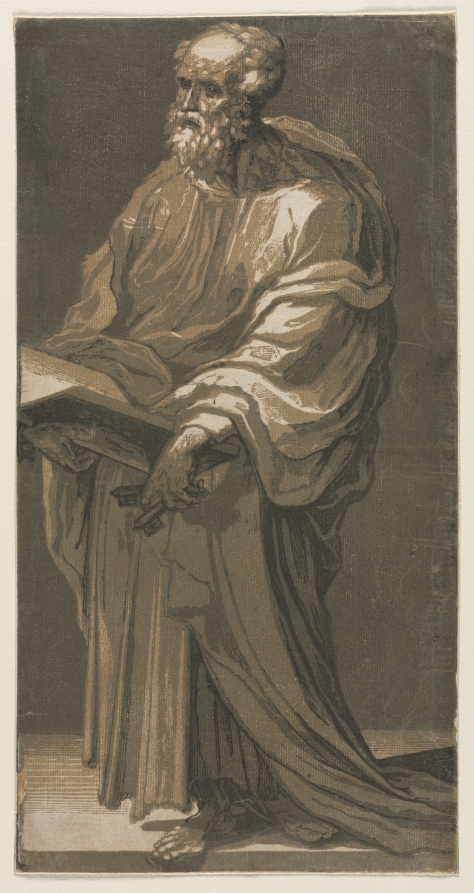
Saint Peter
Cleveland Museum of Art
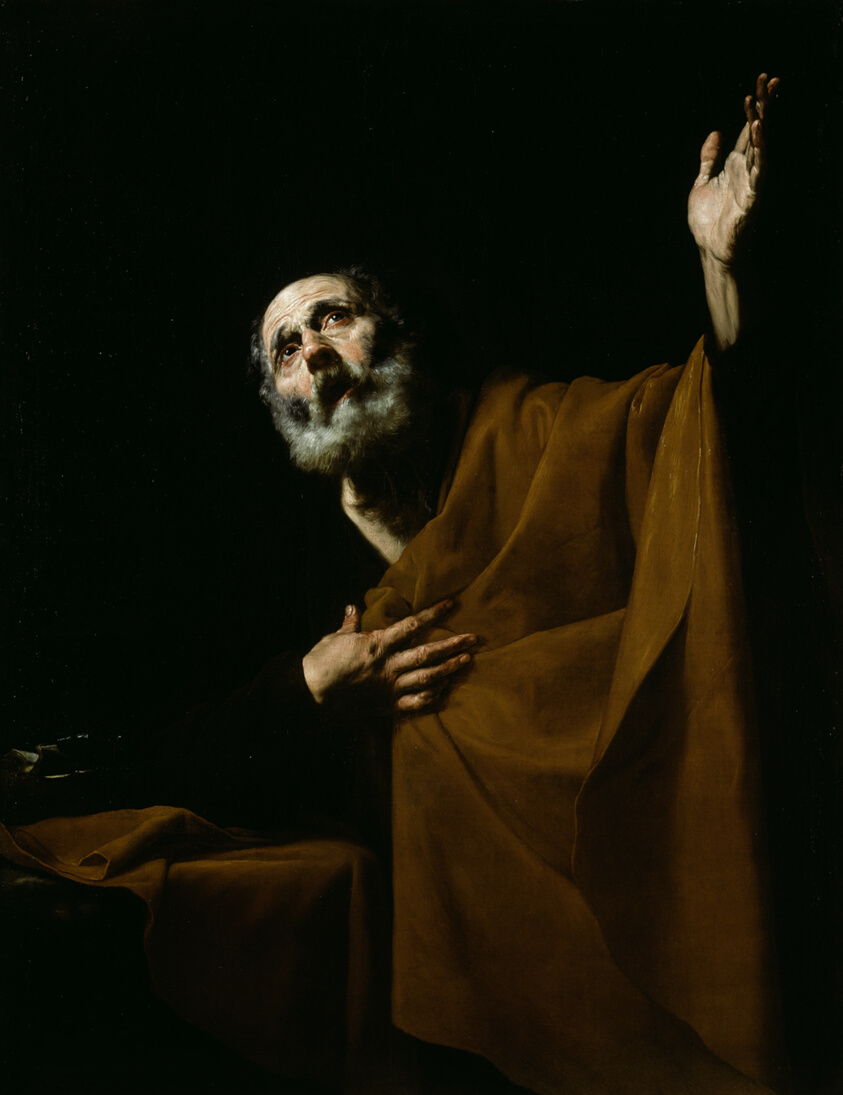
Penitent Saint Peter
Art Institute of Chicago

Saint Martin and the Beggar
Minneapolis Institute of Art

Saint Ginés de la Jara
Getty Museum

Sculpture of a Saint (St Peter's Vision of the Cross?)
Art Institute of Chicago
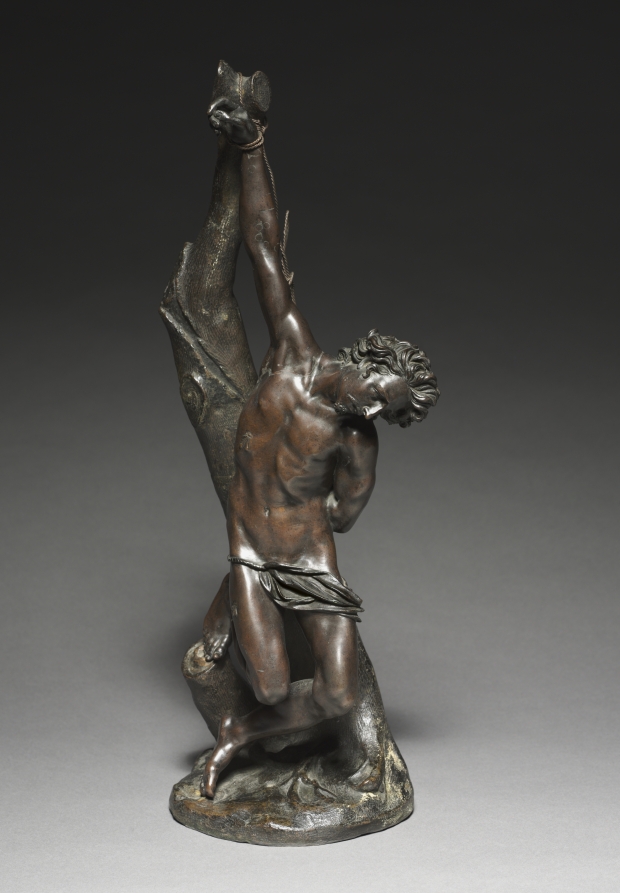
Saint Sebastian
Cleveland Museum of Art
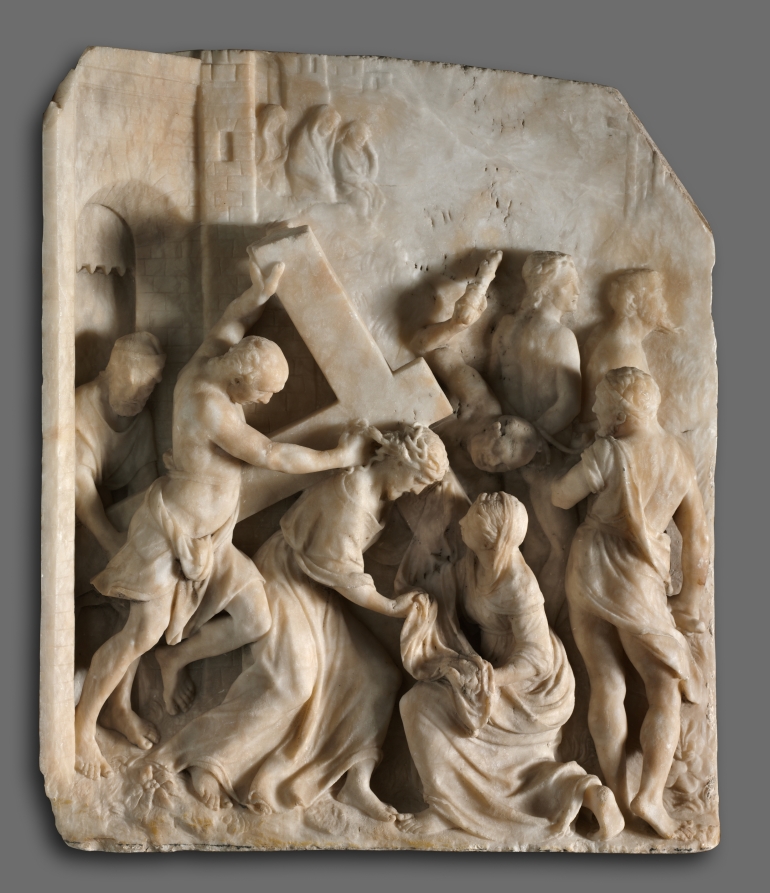
Christ Carrying the Cross with Saints Simon and Veronica
Cleveland Museum of Art
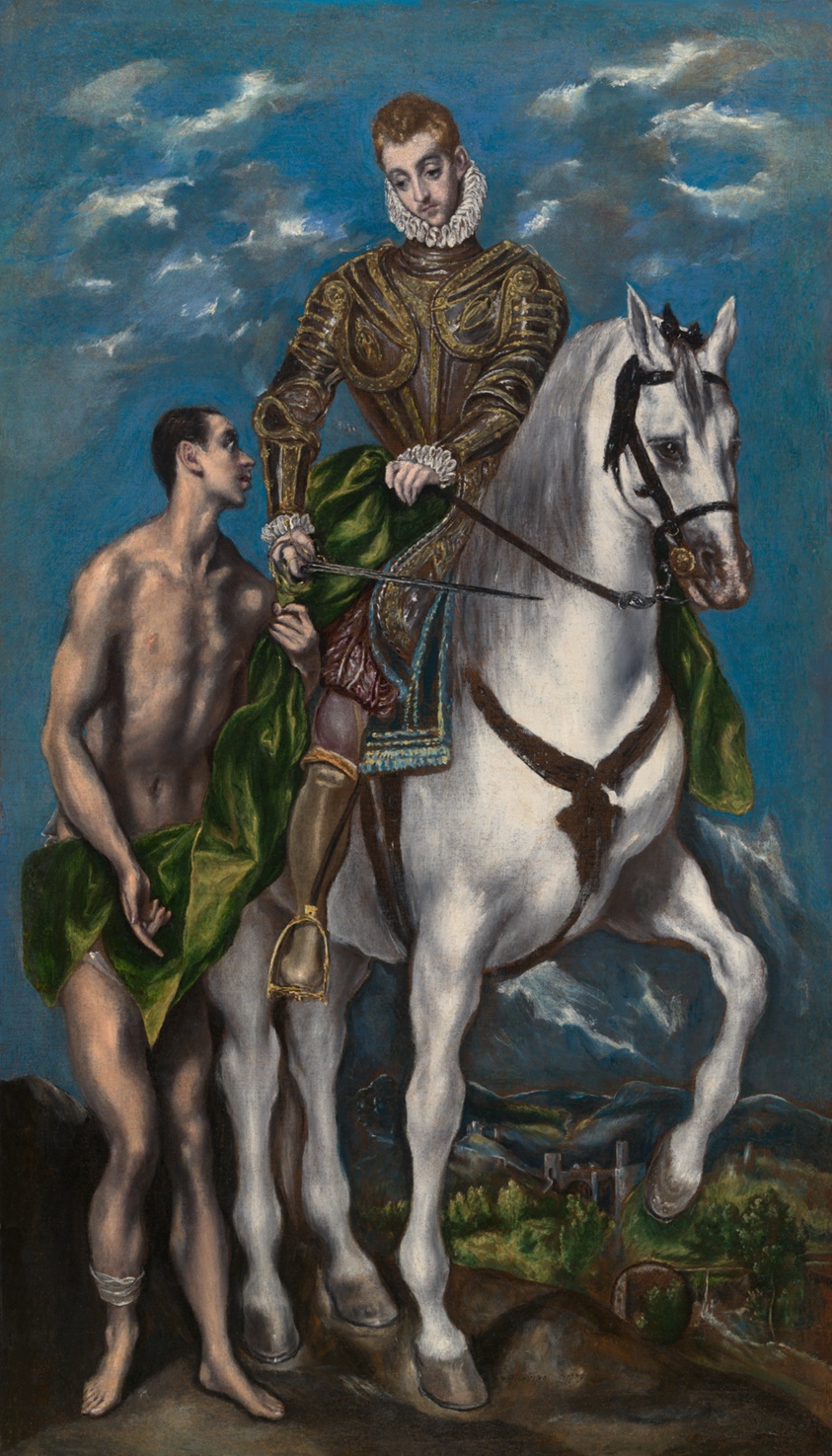
Saint Martin and the Beggar
Art Institute of Chicago
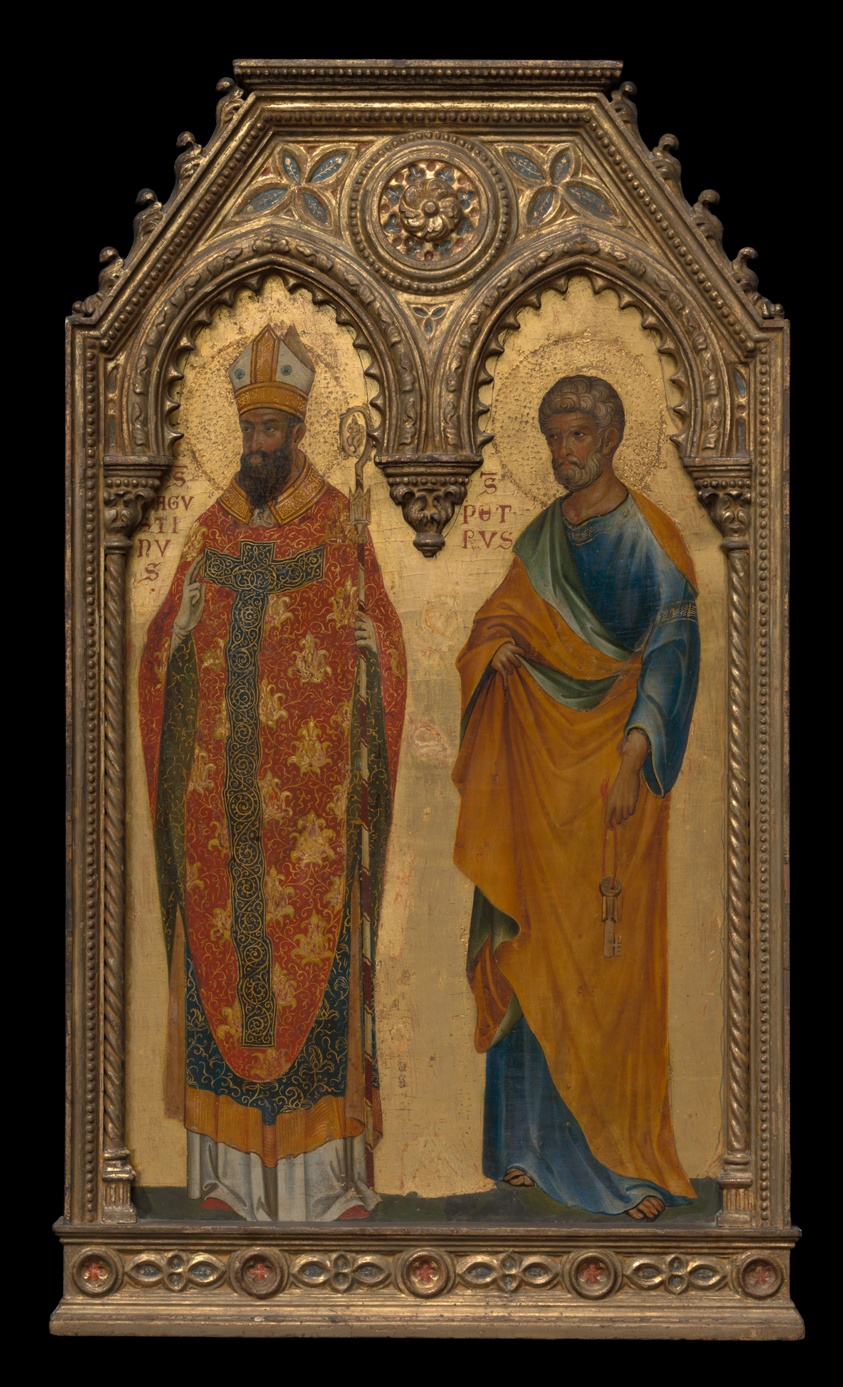
Saints Augustine and Peter
Art Institute of Chicago

San Antonio
Minneapolis Institute of Art
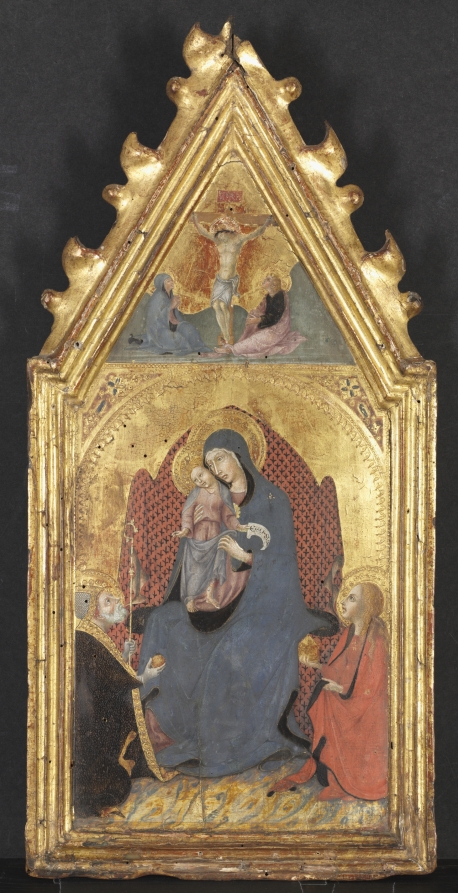
Virgin and Child Adored by Saints Mary Magdalene and Nicolas of Bari; Christ Crucified with the Virgin and Saint John the Evangelist
Cleveland Museum of Art

The Apparition of the Virgin and Child to Saint Louis of France
Getty Museum