Cleveland Museum of Art
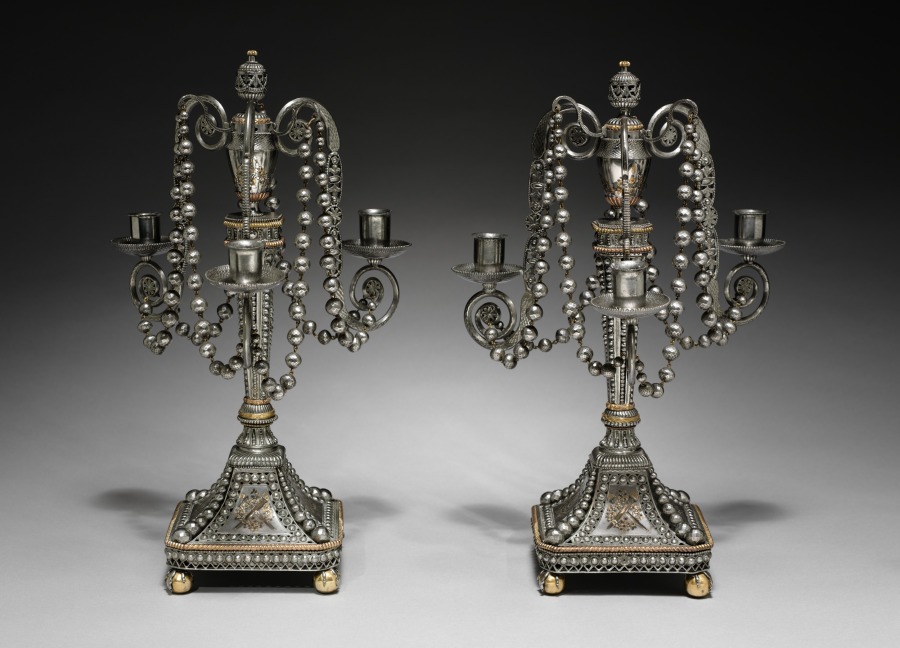
Pair of Candelabra
- Date
- c. 1790–95
- Medium
- cut and polished steel with gold and silvered decoration
- Culture
- Russia, Tula
- Department
- Decorative Art and Design
- Institution
- Cleveland Museum of Art
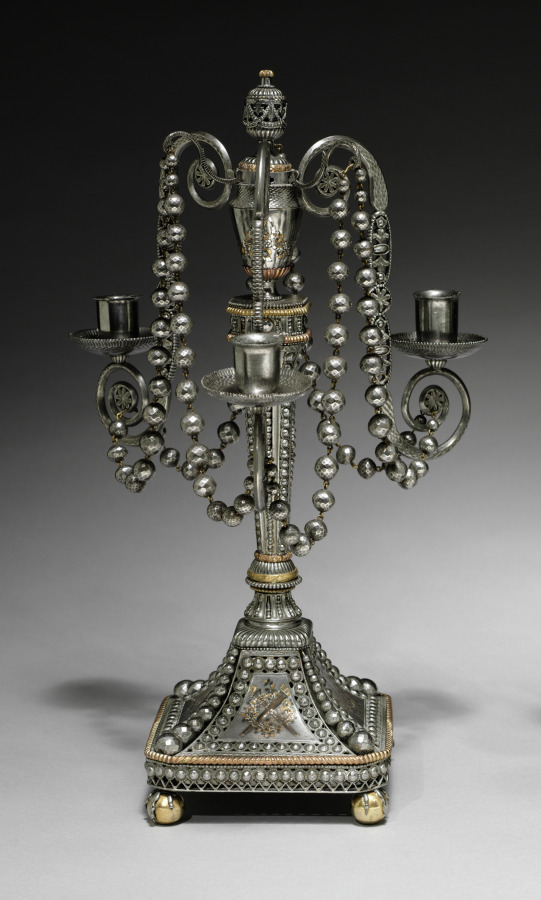
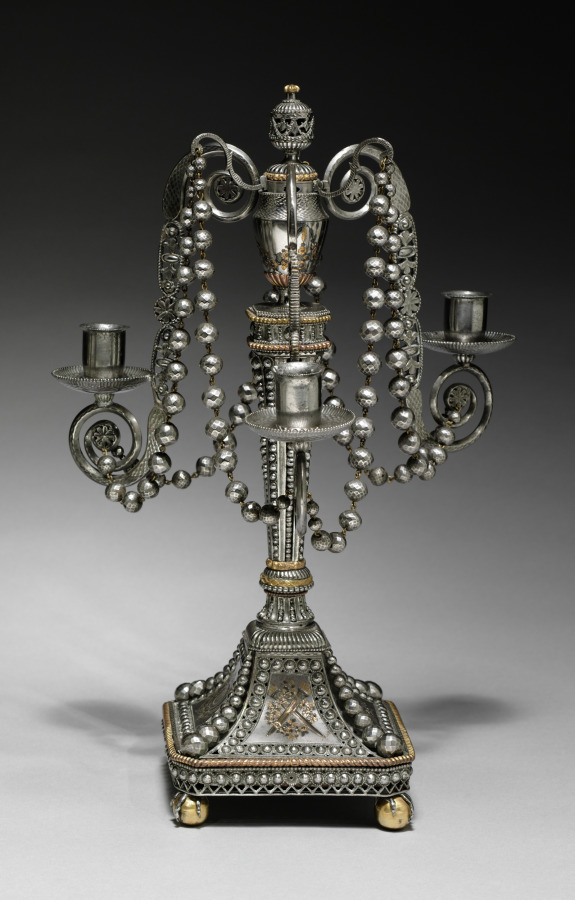
Founded in 1705 by Peter the Great, the armory at Tula developed steadily over the 18th century to become the center of Russian metalworking, especially in arms manufacturing. In the 1770s and 1780s, Catherine the Great took a keen interest in the work produced there, sending several of the most proficient craftsmen to England to study the decorative application of steel in armories in Sheffield and London. Subsequently, the Tula artisans surpassed the metalworkers in Britain and elsewhere in Europe, producing decorative wares that were as precious and precise as their brilliantly embellished firearms. Empress Catherine was so pleased that she commissioned diplomatic and royal gifts of Tula ware as well as several noted examples of furniture in the distinctive Tula style of cut steel, gilt-bronze, silver, and gold. The most recognizable characteristic of Tula ware was the use of beads of steel that replicated faceted diamonds and crystals. No other region was able to achieve the vividness of this technique in cut steel. Most works in Tula steel were small and precious such as inkstands, bobbin holders, buttons, footstools, single candlesticks, etc. These candelabra typify the Neoclassical taste in Russia during the late 1700s, a significant moment in Russian design because of the mature level of craftsmanship and style. Decorative works in steel like this pair of candelabra were made by gun makers in the town of Tula, Russia, to impress the empress, Catherine the Great.
The authoritative record is held by Cleveland Museum of Art. LinkedCulture surfaces this object and its connections; it does not alter institutional metadata.
Related across collections
Semantically similar works from Cleveland Museum of Art and other institutions.
Candelabra (1 of 2)
Cleveland Museum of Art
Candelabra (2 of 2)
Cleveland Museum of Art
Pair of Candelabra
Cleveland Museum of Art
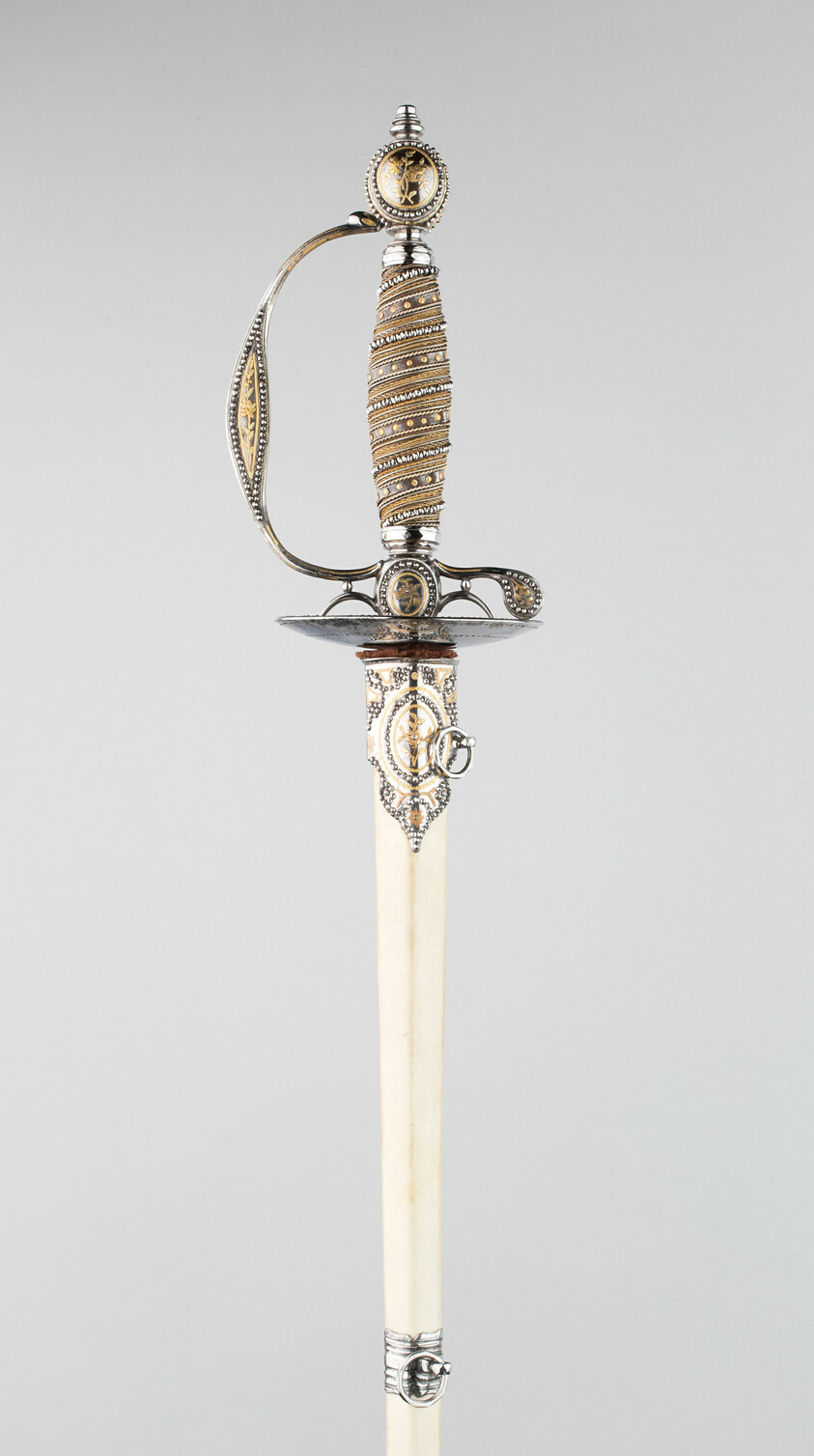
Smallsword and Scabbard
Art Institute of Chicago
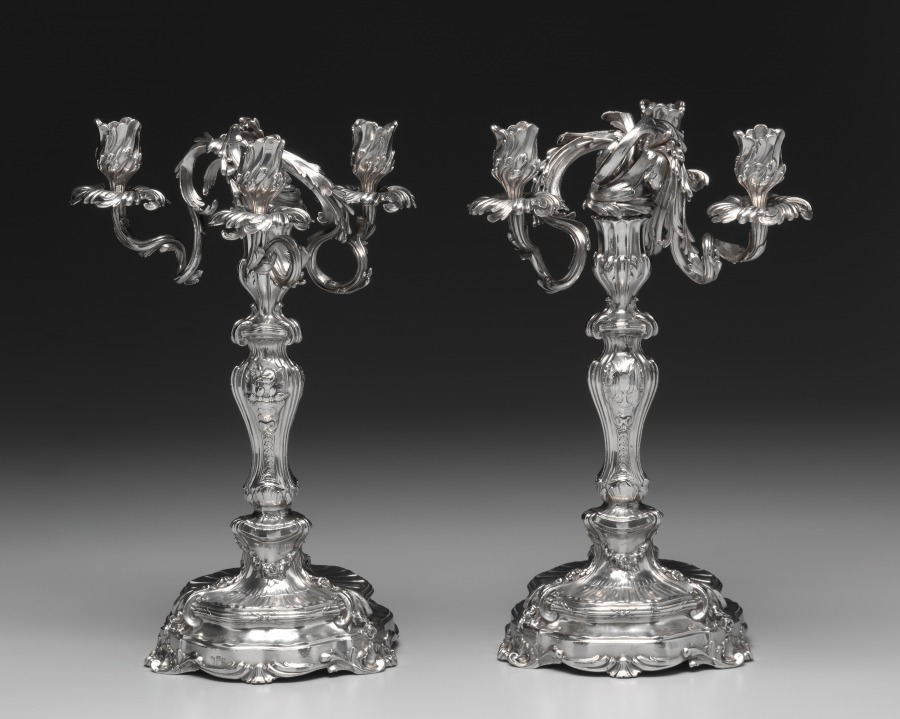
Candelabrum Pair
Cleveland Museum of Art
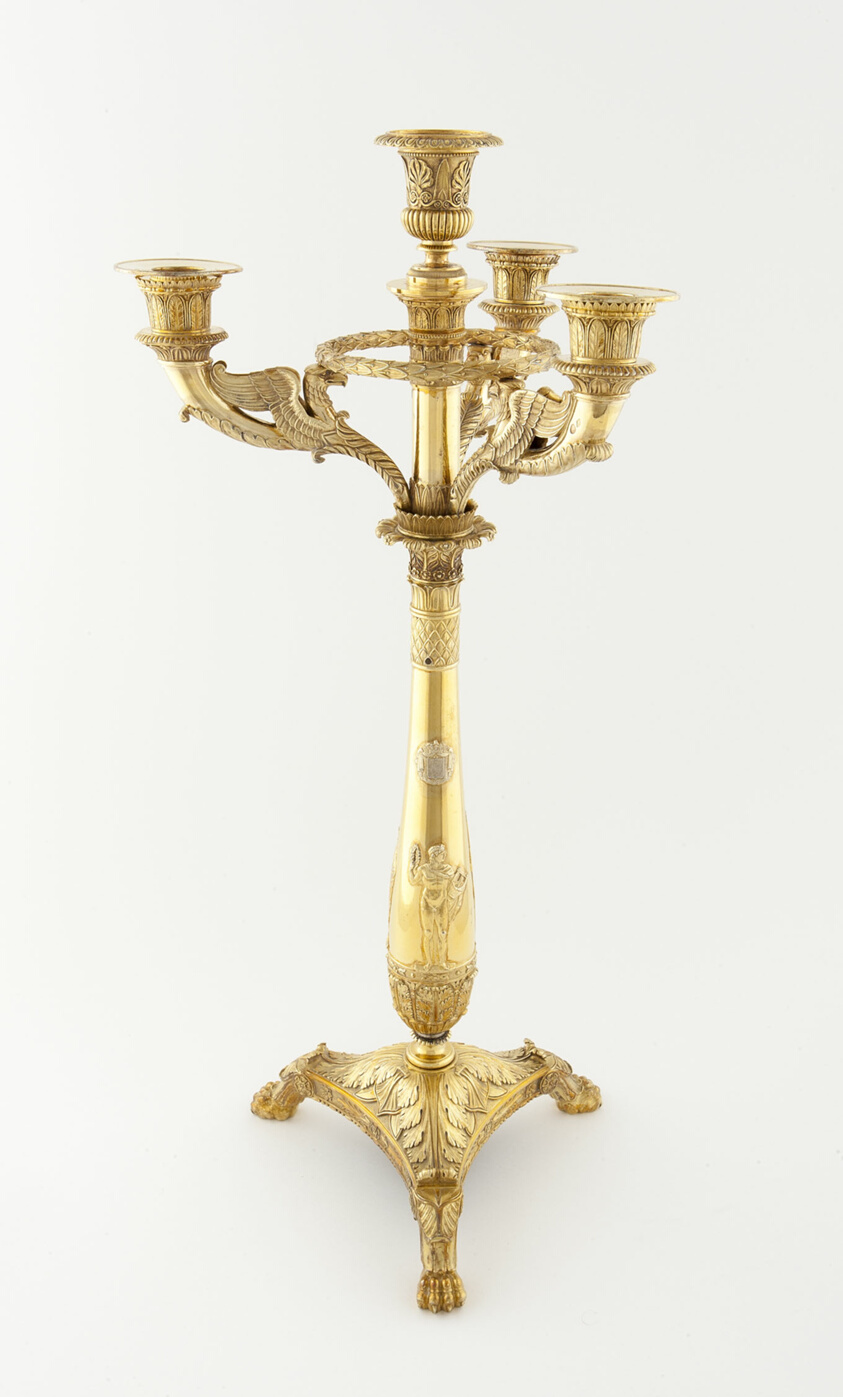
Candelabra (one of a pair)
Art Institute of Chicago
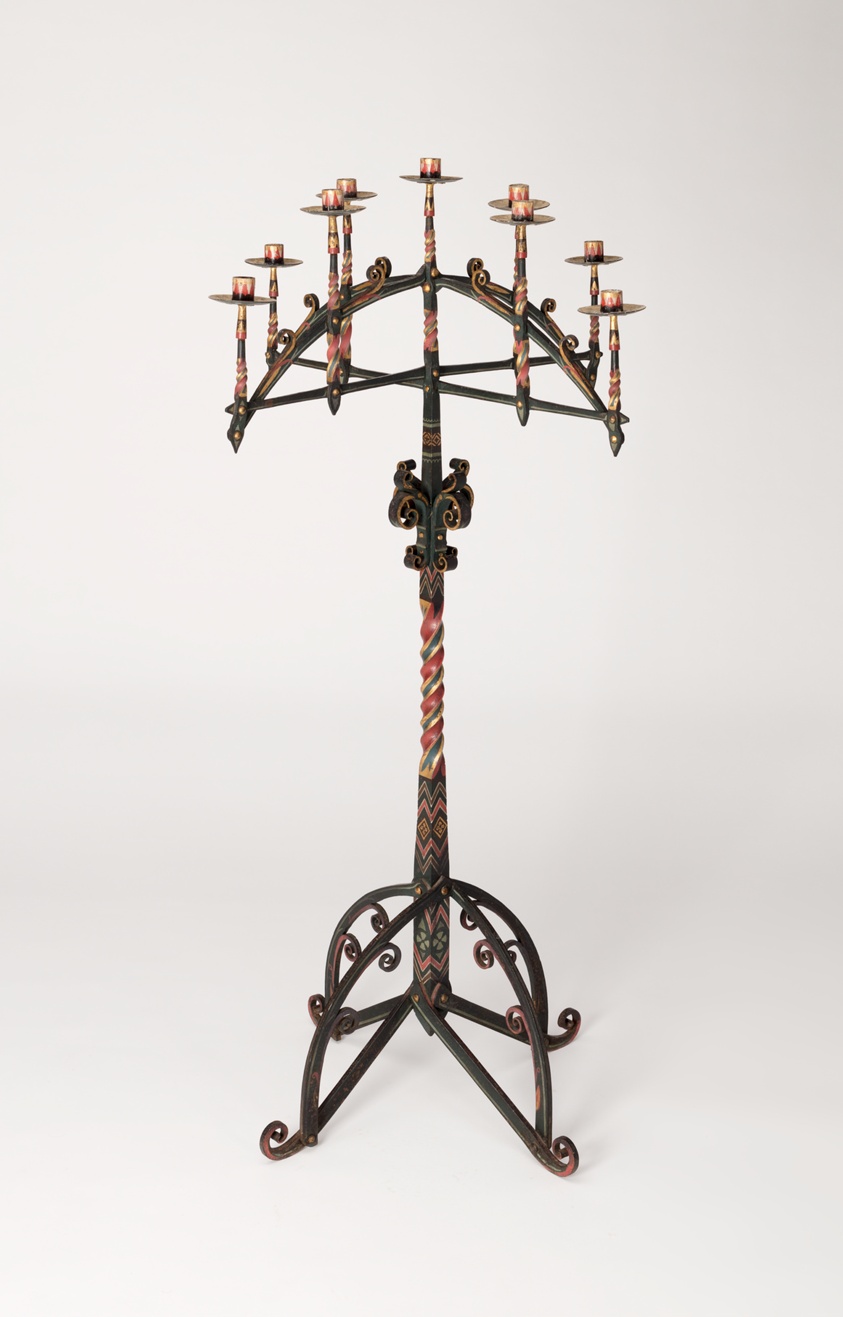
Candelabra (One of a Pair)
Art Institute of Chicago
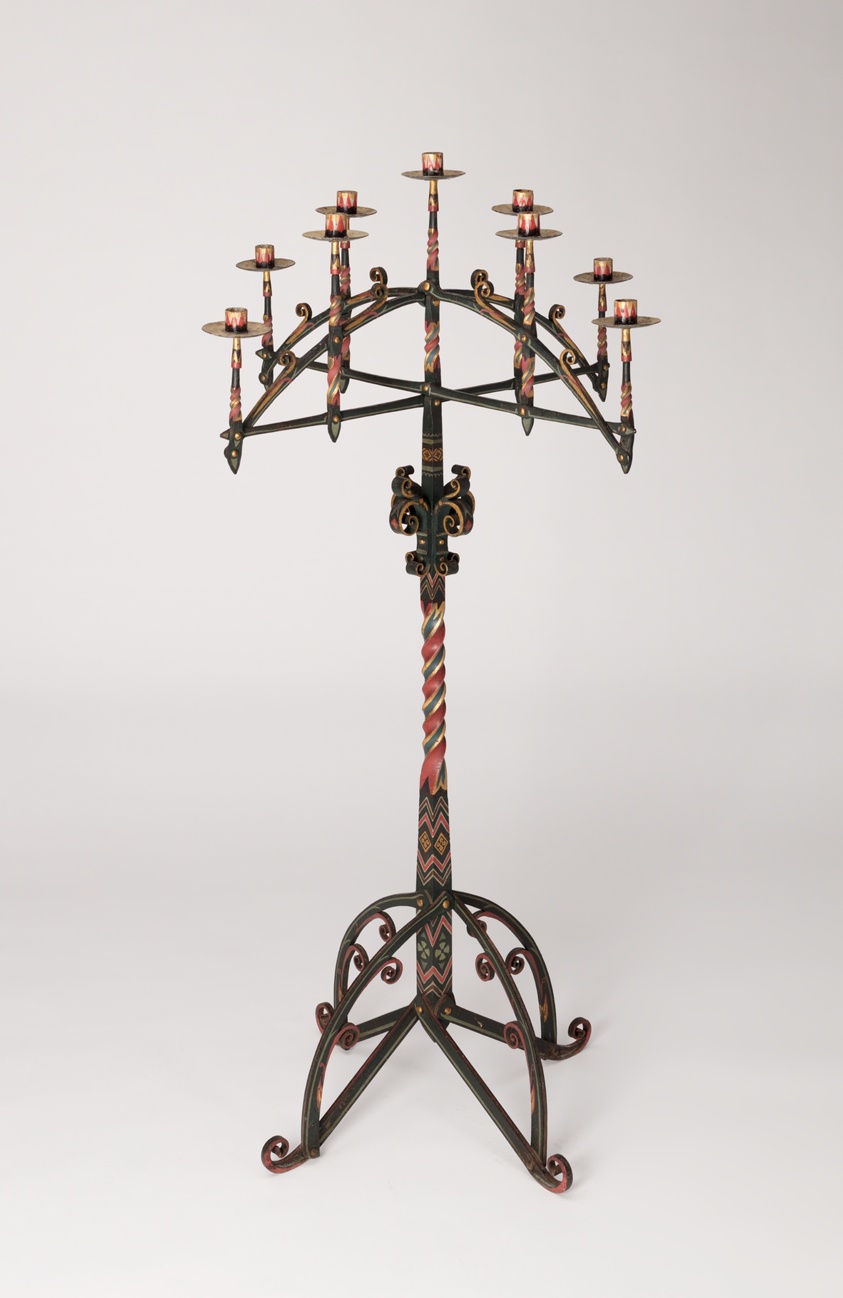
Candelabra (One of a Pair)
Art Institute of Chicago
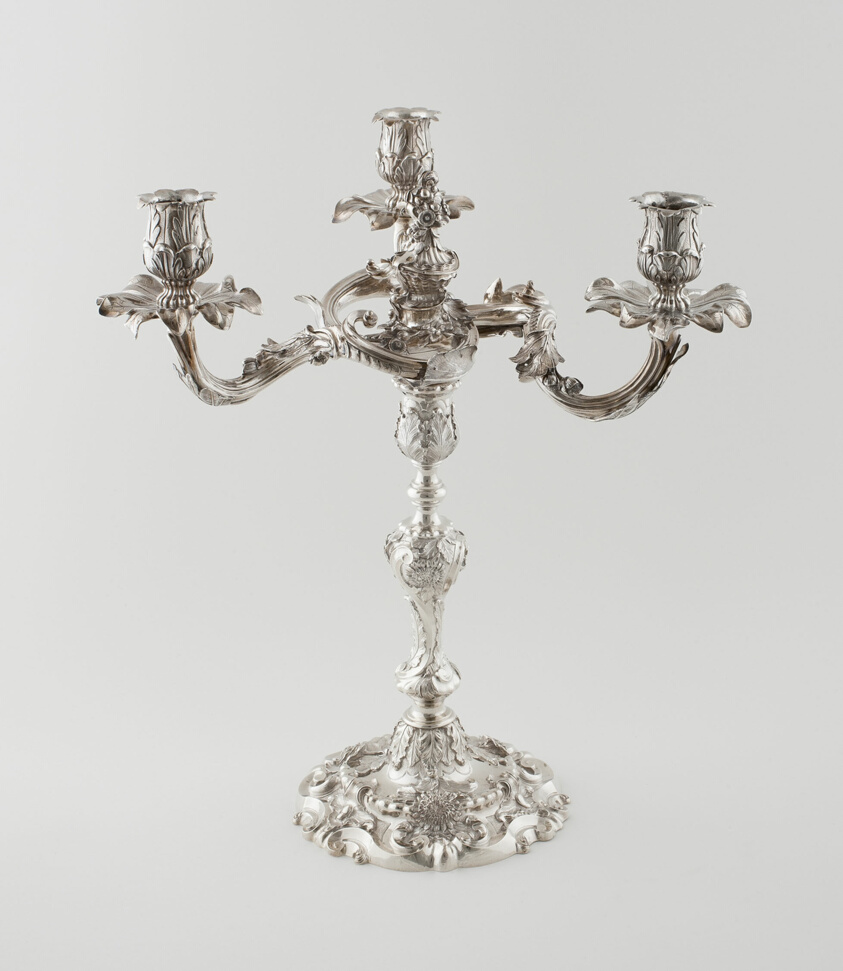
Pair of Candelabra
Art Institute of Chicago
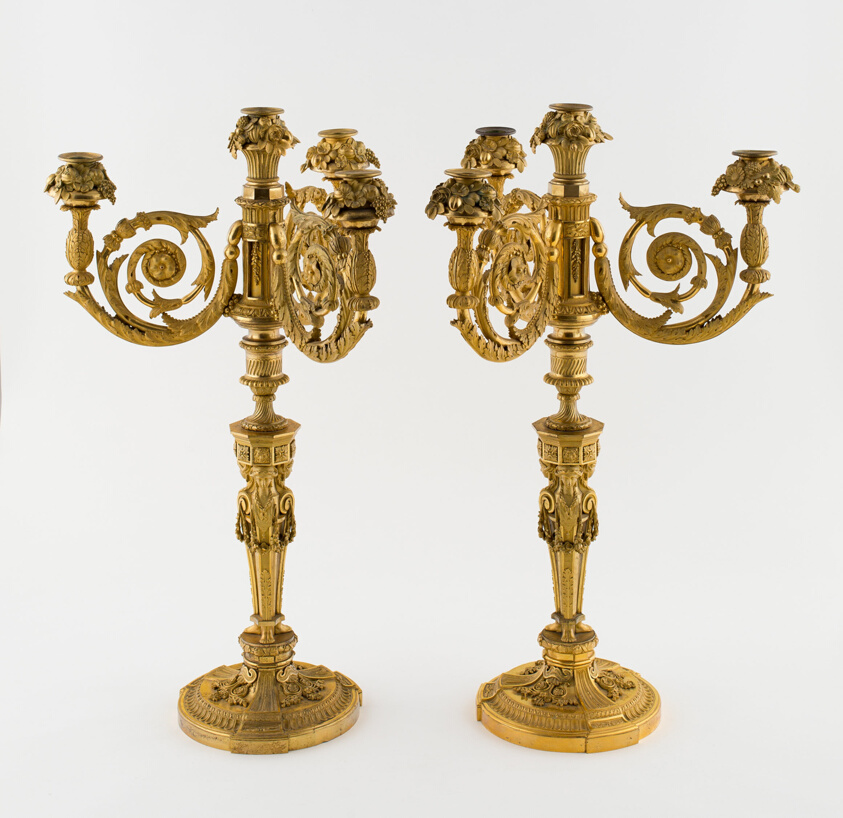
Pair of Candelabra
Art Institute of Chicago
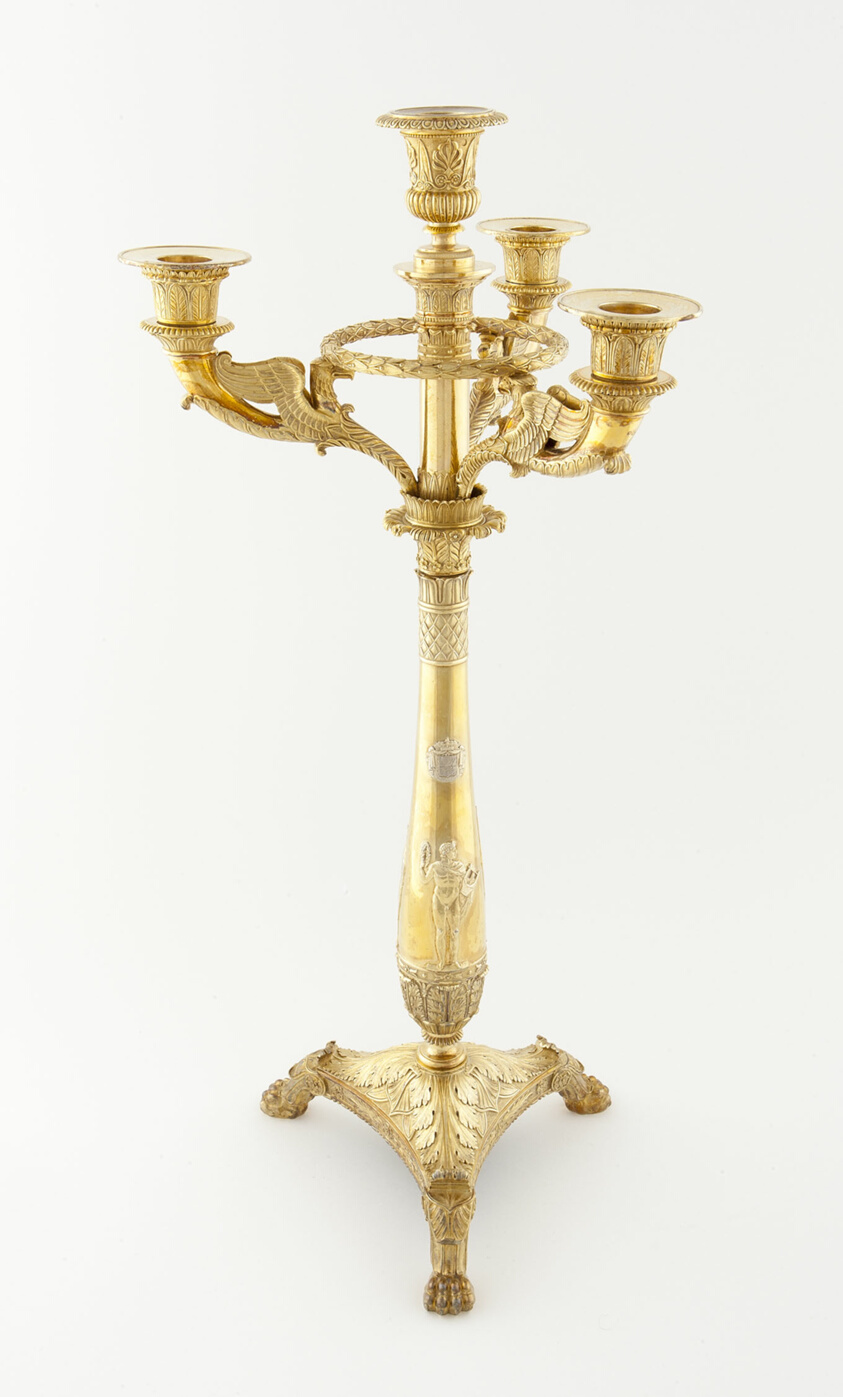
Candelabra (one of a pair), from a Service Made for Pauline Bonaparte and Prince Camillo Borghese
Art Institute of Chicago

Pair of Candelabra with a Dancer
Getty Museum