
Cleveland Museum of Art
Figure (kgöngwana-tshingwana/Ngwana sehô)
- Date
- 1800s–1900s
- Medium
- Wood, glass beads, cloth, thread, and copper alloy
- Culture
- Southern Africa, Lesotho, Southern Sotho-style maker
- Department
- African Art
- Institution
- Cleveland Museum of Art
Fertility figures like these were used during the initiation ceremonies of pubescent girls. Integrating talismanic materials in their fabrication, the figures were meant to guarantee fertility and prevent or cure barrenness—a gourd’s womblike shape and the seeds within symbolize fecundity. They are sometimes also called “child figures” because a young bride would care for them as she would for her future children, carrying them on her back and sleeping with them until her first child was born. These figures were symbolic infants that recently married women would take care of until their first child was born.
The authoritative record is held by Cleveland Museum of Art. LinkedCulture surfaces this object and its connections; it does not alter institutional metadata.
Related across collections
Semantically similar works from Cleveland Museum of Art and other institutions.
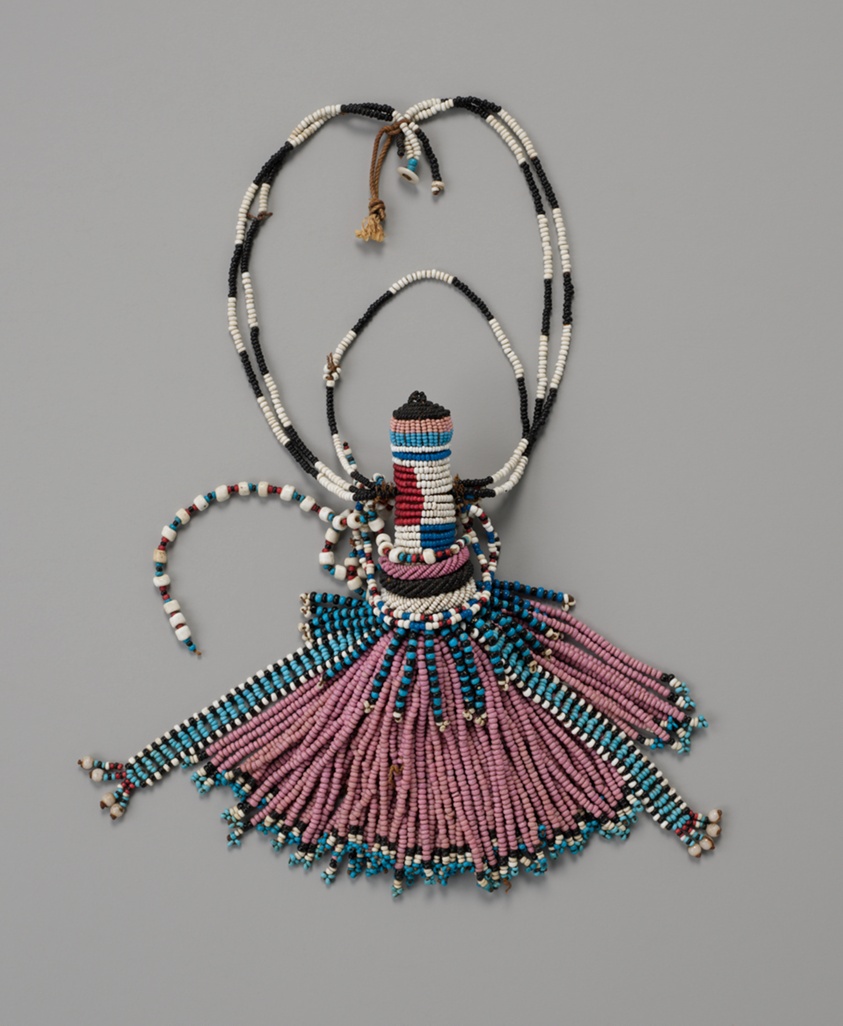
Fertility Figure
Art Institute of Chicago
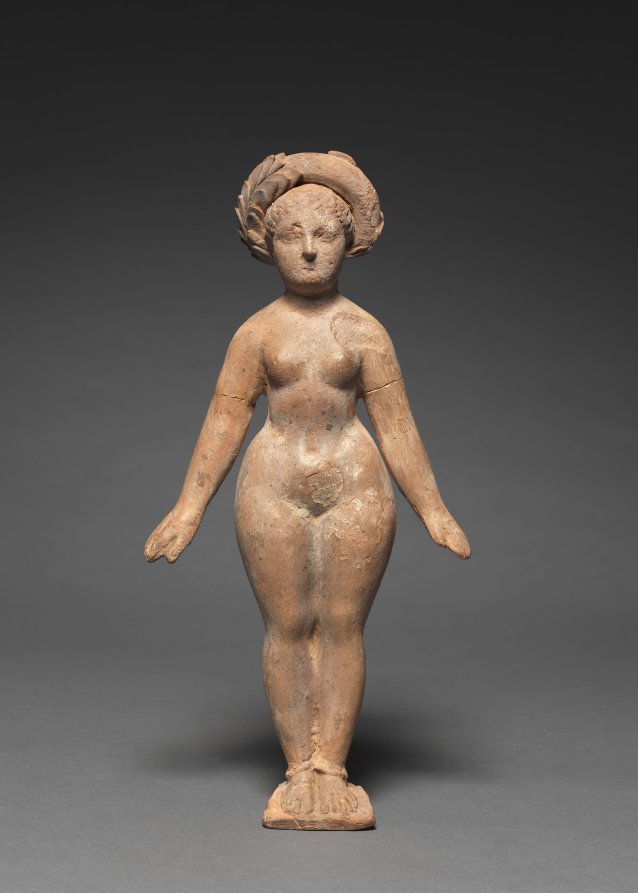
Fertility Goddess
Cleveland Museum of Art
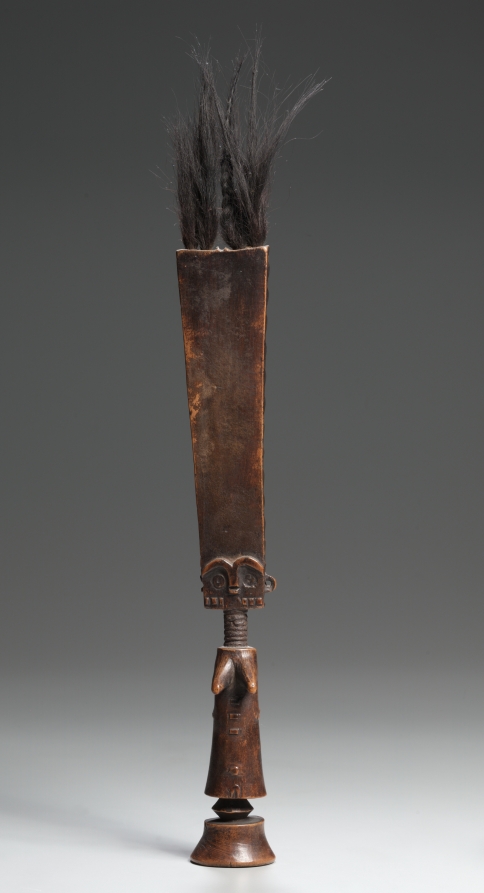
Female Figure (akua'ba)
Cleveland Museum of Art
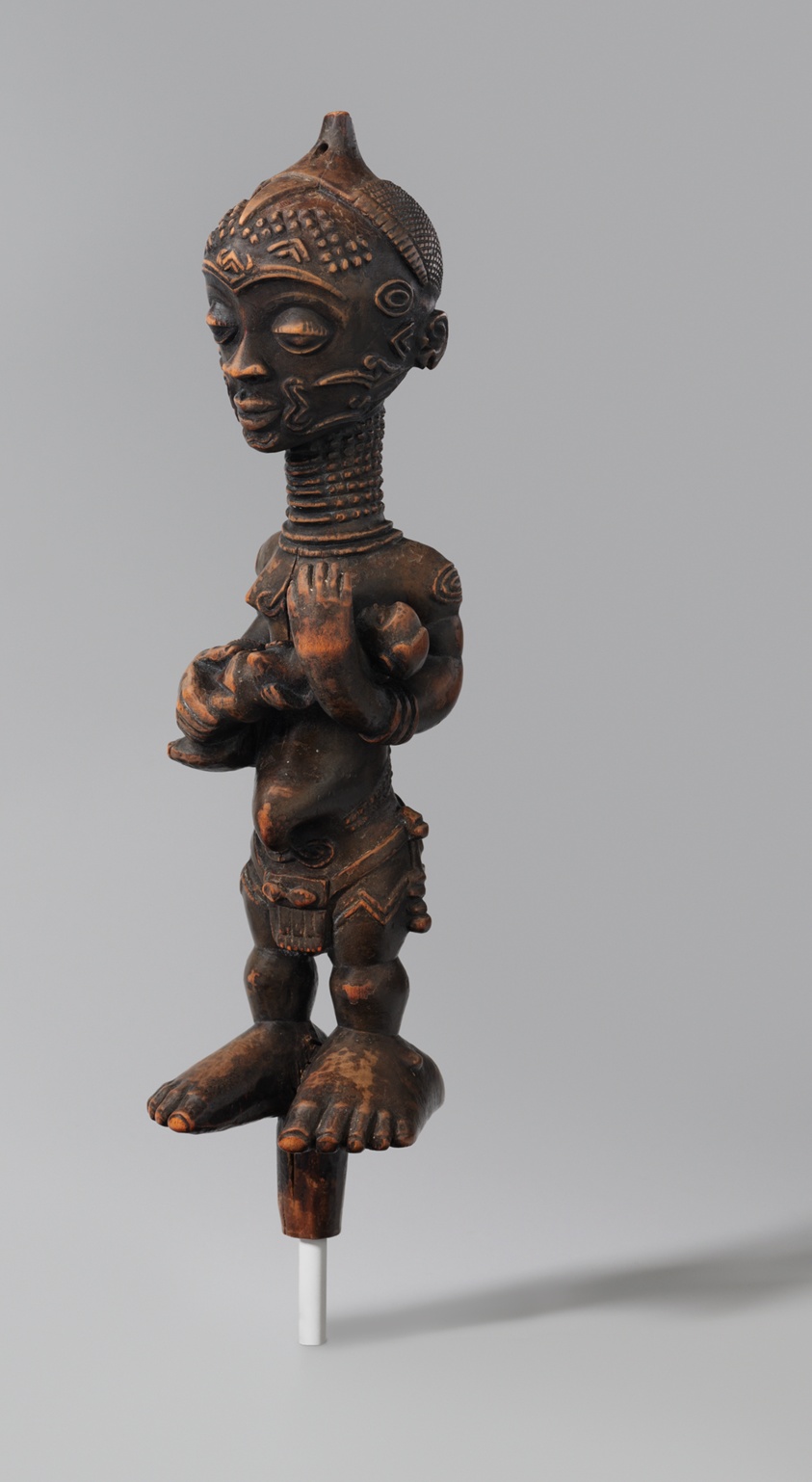
Mother-and-Child Figure (Bwanga bwa Chibola)
Art Institute of Chicago

Figure of a Fertility Goddess
Getty Museum
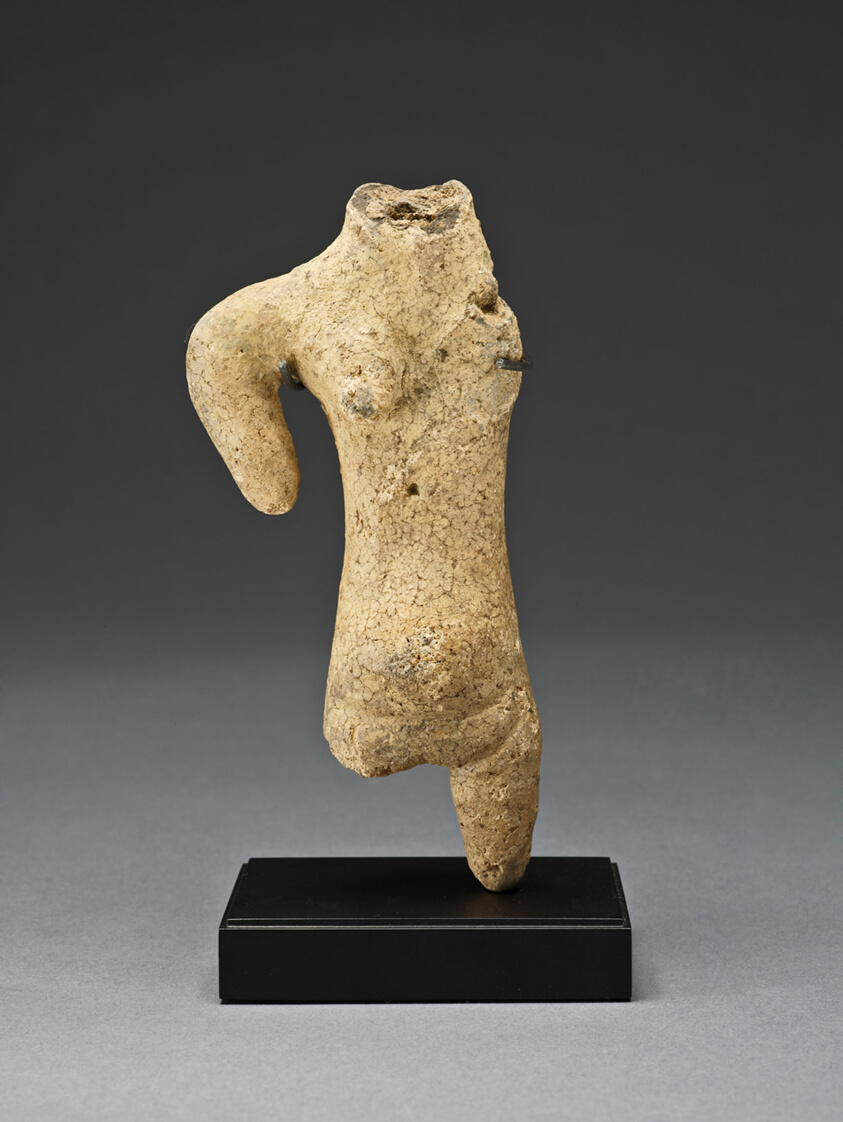
Partial Figure of a Pregnant Women
Art Institute of Chicago

Fragmentary Neolithic seated female figurine
Getty Museum
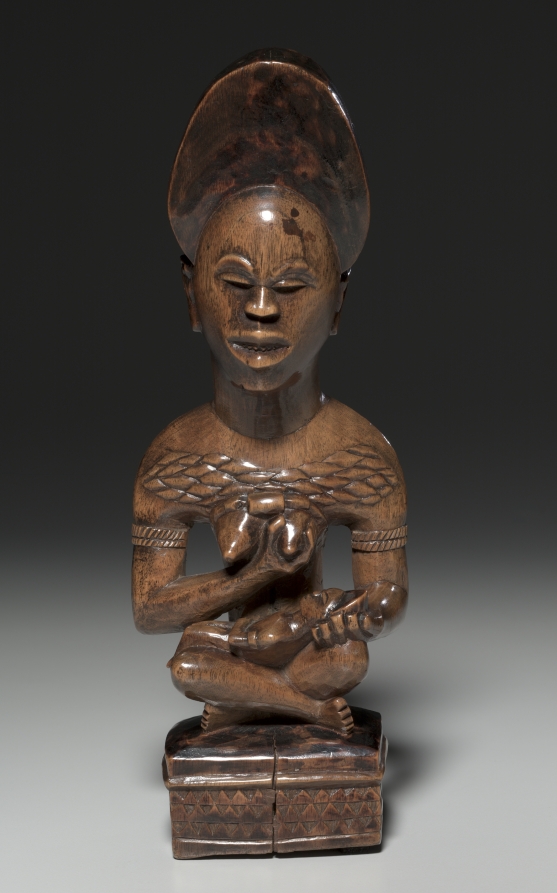
Woman and Child
Cleveland Museum of Art

Neolithic standing figurine
Getty Museum
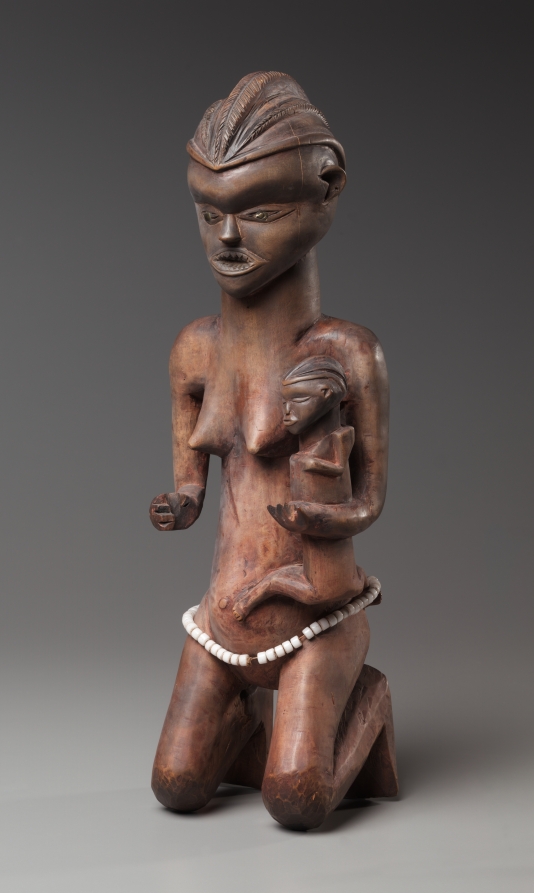
Mother-and-Child Figure
Cleveland Museum of Art

Figure
Minneapolis Institute of Art
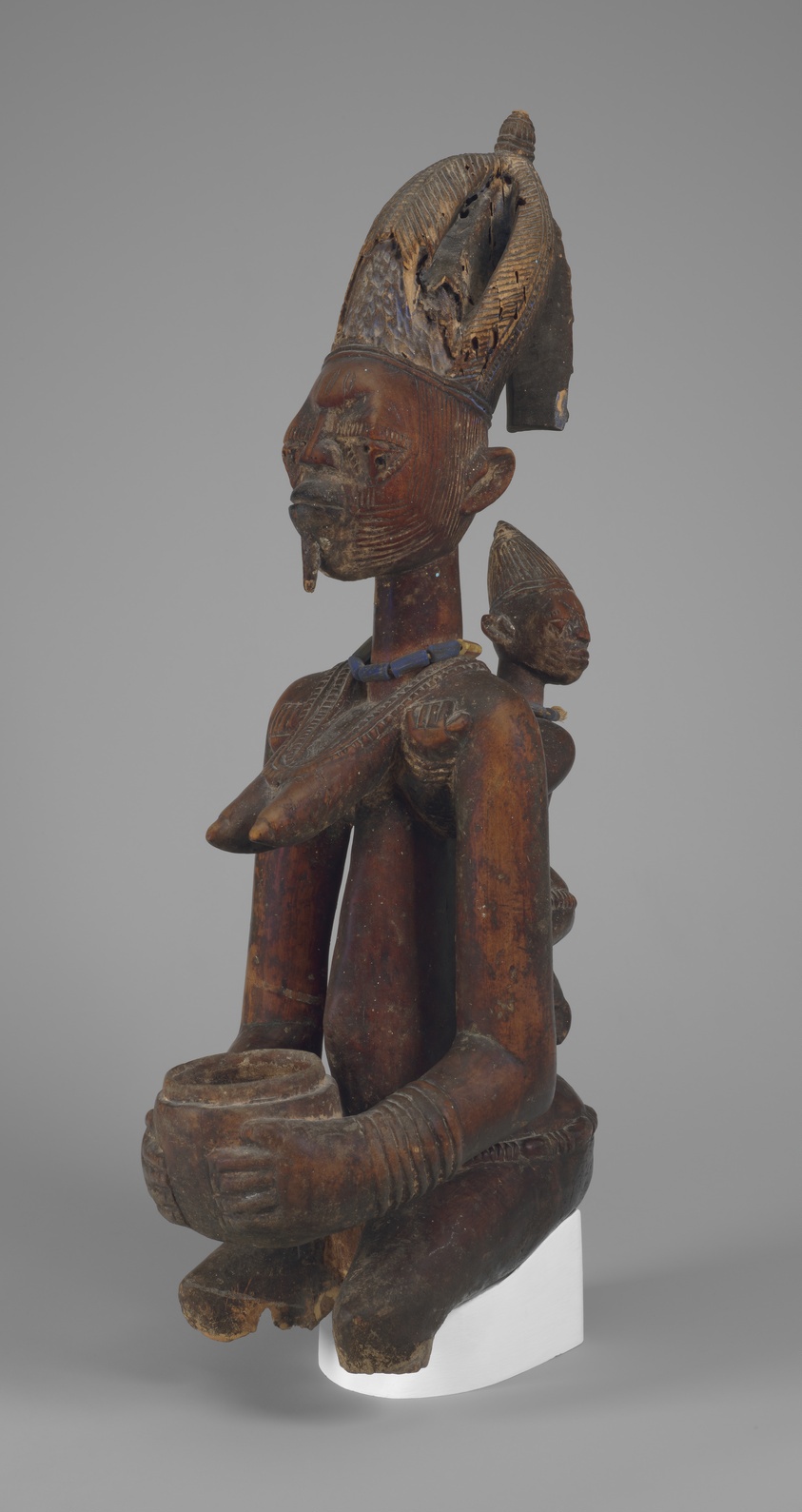
Female Figure with Bowl
Art Institute of Chicago