Cleveland Museum of Art
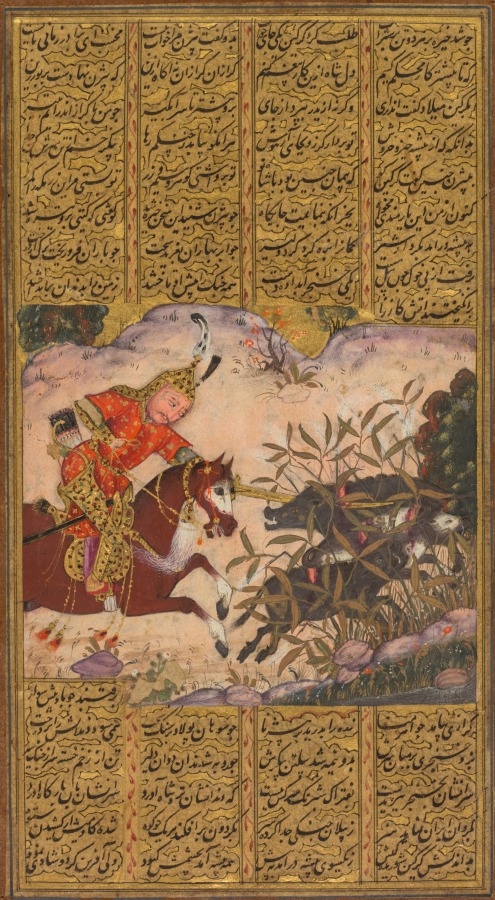
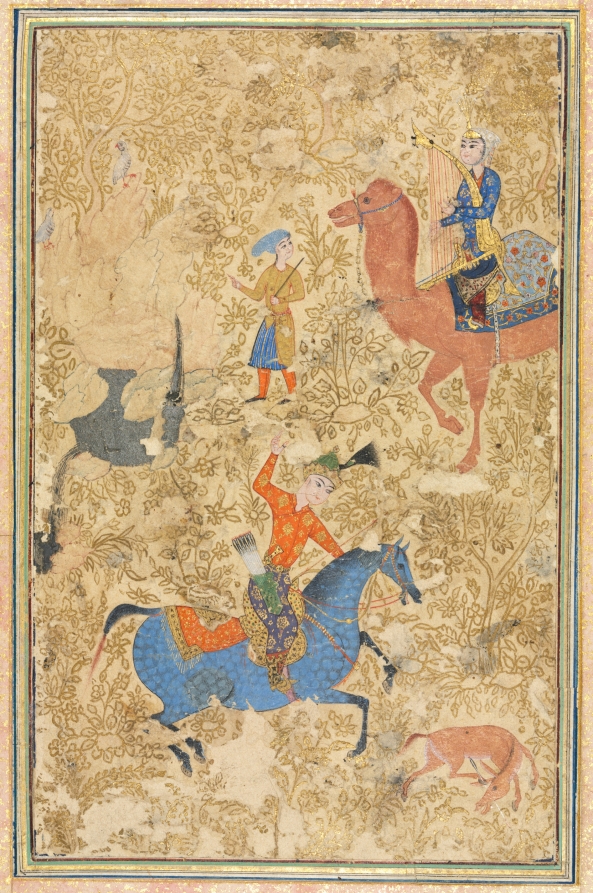
Bijan killing the wild boars of Irman, from a Shah-nama (Book of Kings) of Firdausi (Persian, about 934–1020)
- Date
- c. 1610
- Medium
- Gum tempera, ink, and gold on paper
- Culture
- India, Bijapur, Deccan
- Department
- Indian and Southeast Asian Art
- Institution
- Cleveland Museum of Art
Trappings of Byzantine brocade were gifts to the hero who slays the wild boars.
The authoritative record is held by Cleveland Museum of Art. LinkedCulture surfaces this object and its connections; it does not alter institutional metadata.
Related across collections
Semantically similar works from Cleveland Museum of Art and other institutions.
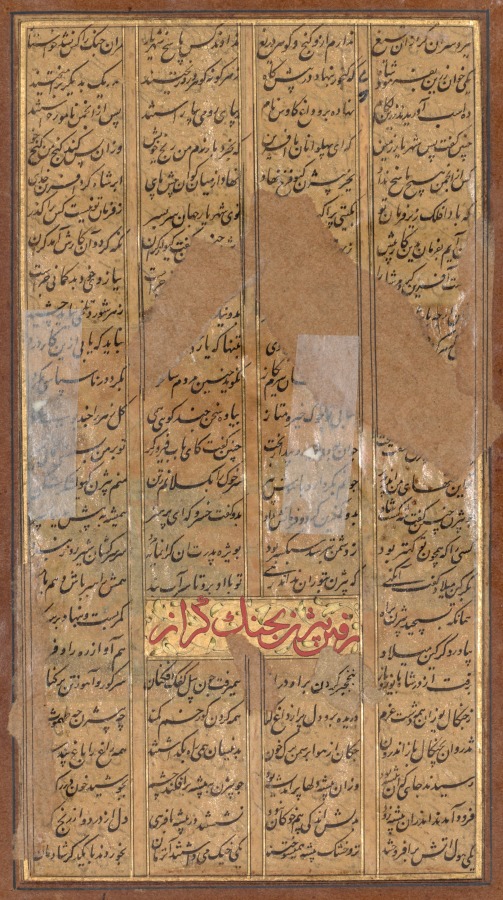
Bijan killing the wild boars of Irman, from a Shah-nama (Book of Kings) of Firdausi (Persian, about 934–1020), (recto)
Cleveland Museum of Art
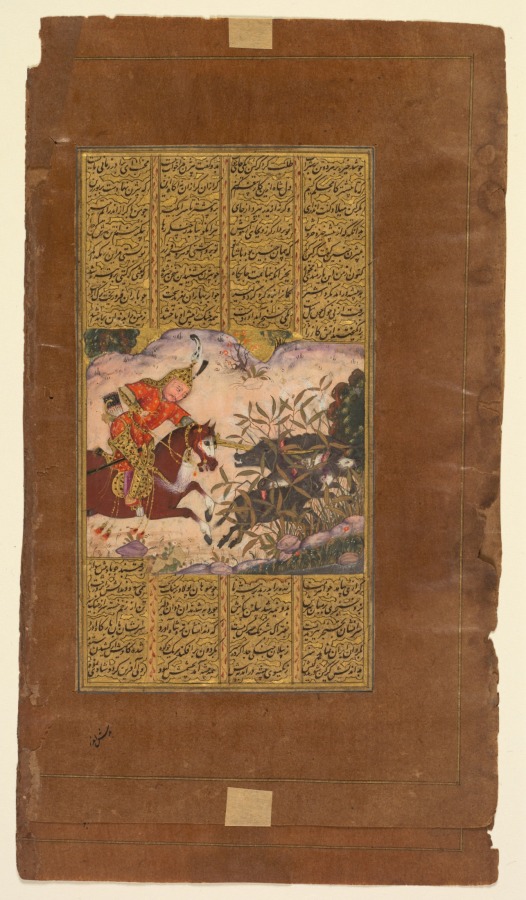
Bijan killing the wild boars of Irman, from a Shah-nama (Book of Kings) of Firdausi (Persian, about 934–1020) (verso)
Cleveland Museum of Art
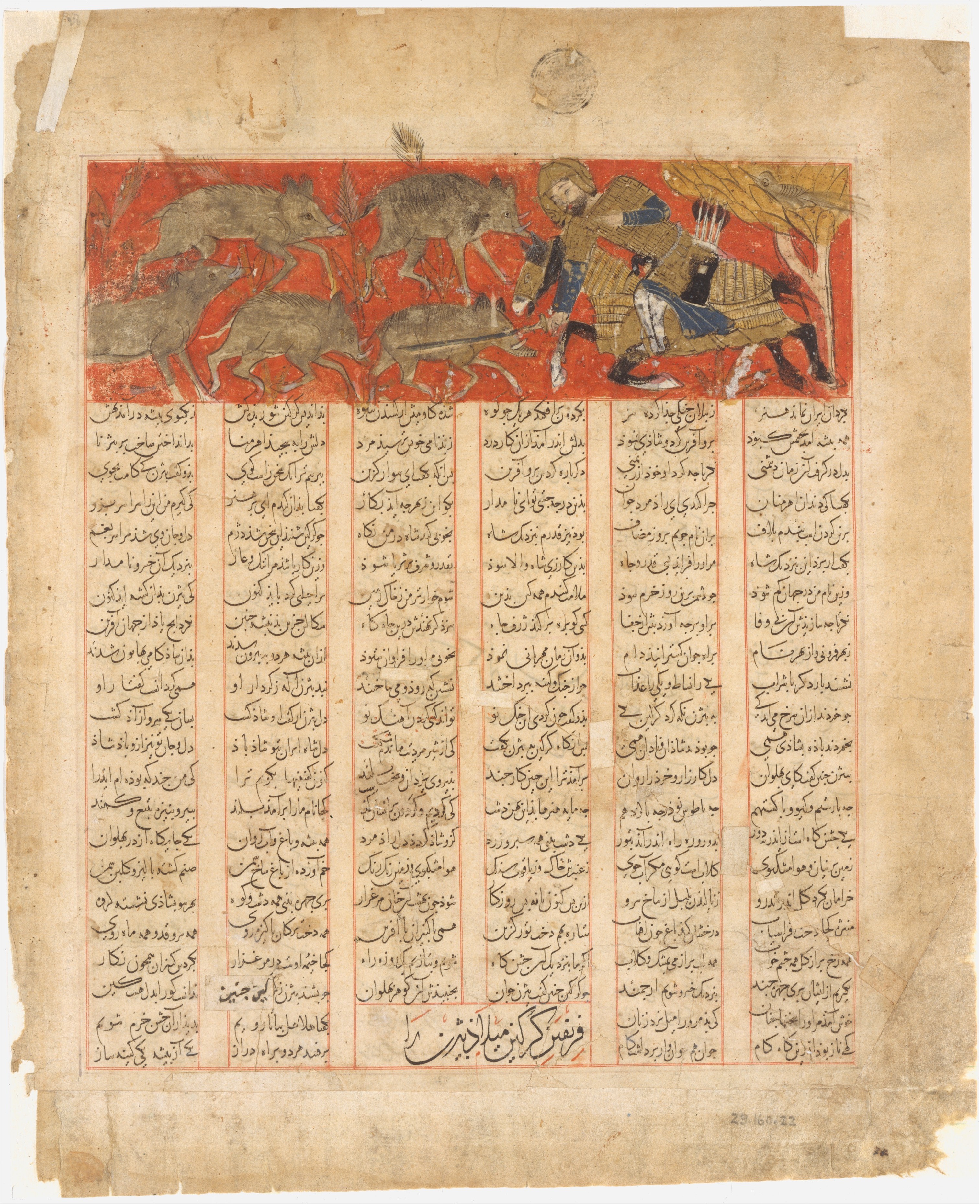
"Bizhan Slaughters the Wild Boars of Irman", Folio from a Shahnama (Book of Kings)
The Metropolitan Museum of Art
Page from a Shah-nama (Book of Kings) of Firdausi (Persian, about 934–1020)
Cleveland Museum of Art
Bahram Gur Arrives at the House of a Merchant, text page (recto), from a Shahnama (Book of Kings) of Firdausi (940–1019 or 1025), known as the Great Mongol Shahnama
Cleveland Museum of Art
Text of Rustam and Suhrab, from the Shah-nama of Firdausi (Persian, c. 934–1020) (verso)
Cleveland Museum of Art
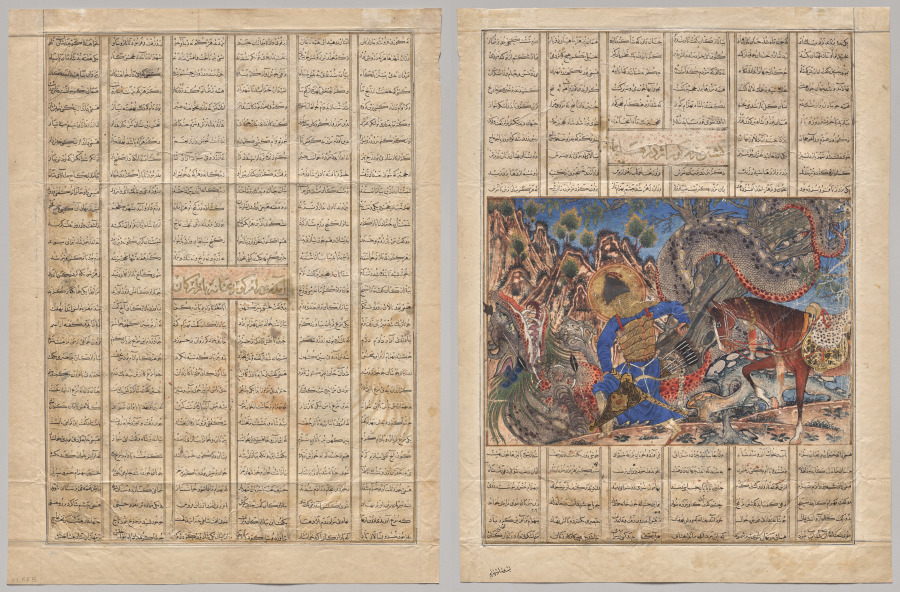
Bahram Gur Arrives at the House of a Merchant, text page (recto); Bahram Gur Slays a Dragon (verso), from a Shahnama (Book of Kings) of Firdausi (940–1019 or 1025), known as the Great Mongol Shahnama
Cleveland Museum of Art
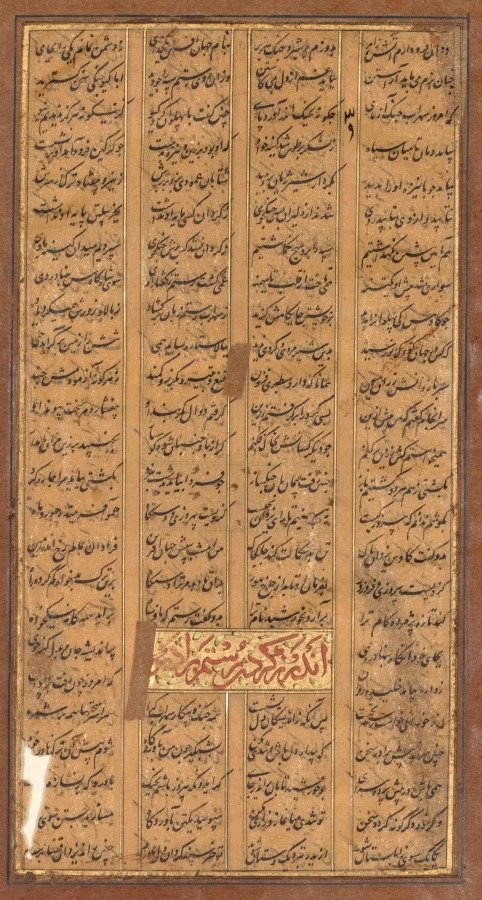
Text of Rustam and Suhrab, from the Shah-nama of Firdausi (Persian, c. 934–1020) (recto)
Cleveland Museum of Art
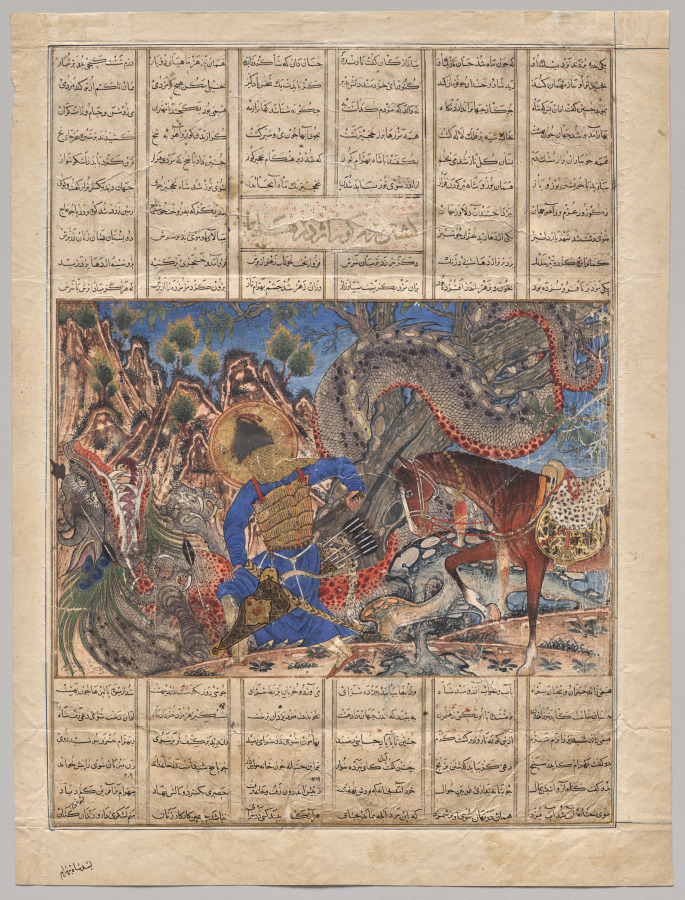
Bahram Gur Slays a Dragon (verso), from a Shahnama (Book of Kings) of Firdausi (940–1019 or 1025), known as the Great Mongol Shahnama
Cleveland Museum of Art
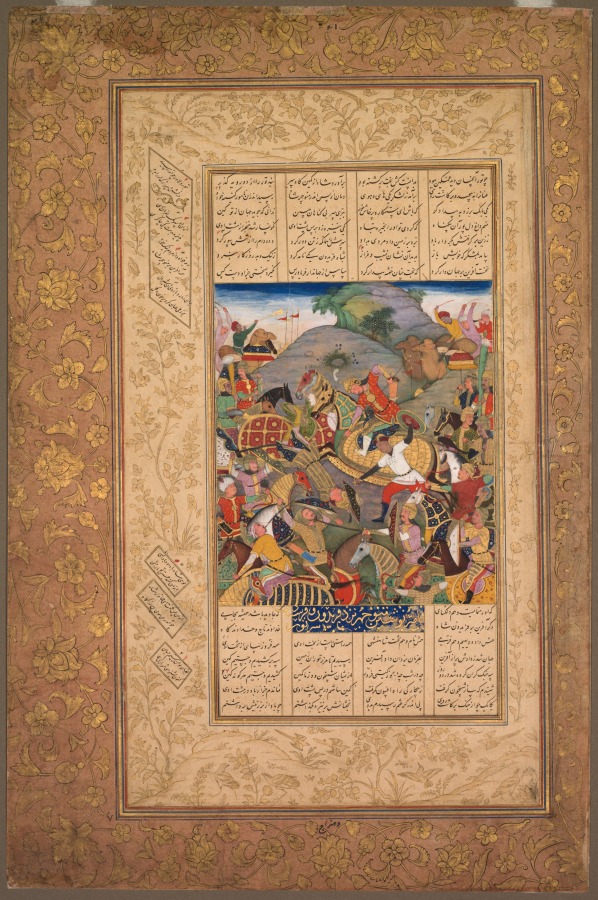
Battle between Manuchihr and Tur, from a Shah-nama (Book of Kings) of Firdausi (Persian, c. 934–1020)
Cleveland Museum of Art
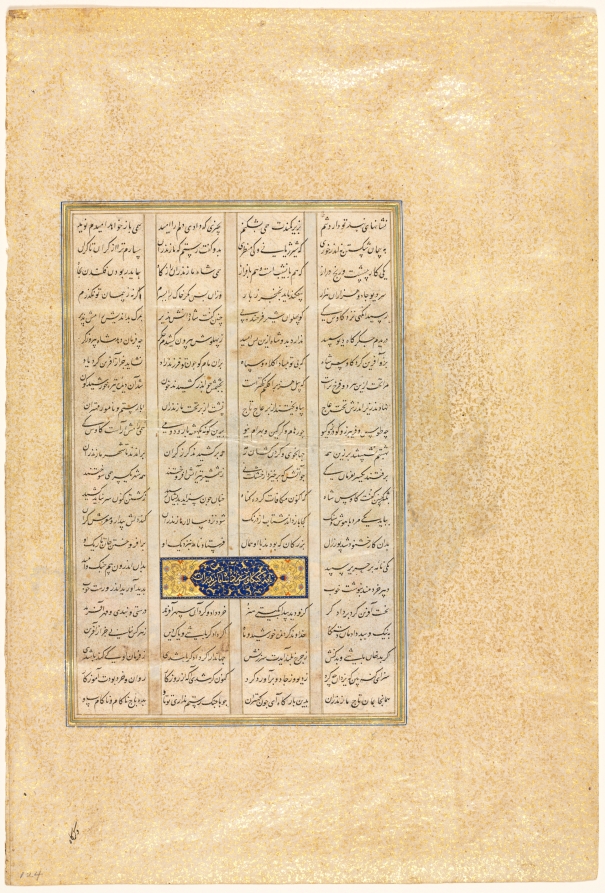
Page from a Shah-nama (Book of Kings) of Firdausi (Persian, about 934–1020)
Cleveland Museum of Art
Bahram Gur and Azada, from a Shahnama (Book of Kings) of Firdausi (940–1019 or 1025)
Cleveland Museum of Art