Cleveland Museum of Art
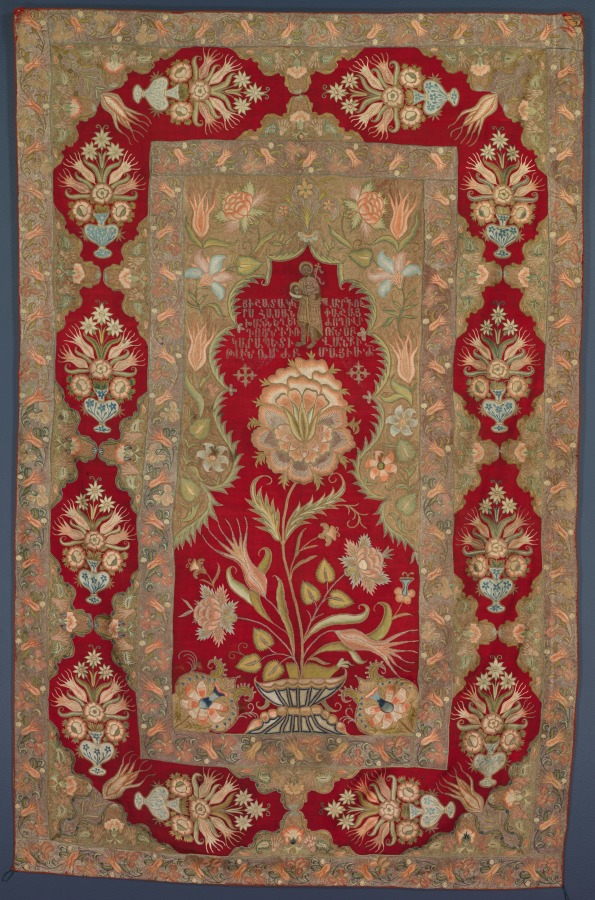
Embroidered Armenian liturgical curtain
- Date
- 1763
- Medium
- twill weave: wool; embroidery, chain stitch: silk, gilt- and silver-metal thread
- Culture
- Turkey, Constantinople/Istanbul, Ottoman period (1299–1922)
- Department
- Textiles
- Institution
- Cleveland Museum of Art
This rare Ottoman embroidery features a floral bouquet that enriches the field under an elegant arch of gilt-metal thread. Flanked by vines of tulips and irises on a silver-metal-thread ground, vases of tulips and jonquils within cartouches adorn the main border and the well-turned corners, a sign of high quality. Dated 1763, the textile documents a mid-18th-century style and technique uncommon in Ottoman embroideries. The Armenian community commissioned this pattern for a liturgical curtain. Beneath the arch, Saint John the Baptist appears with a staff of victory, holding his own severed head in one arm and the Lamb of God in the other. The embroidered Armenian inscription reads: "This curtain is in memory of the people of Hassan Pasha Khan who gave it to the Monastery of Saint John the Baptist on the Armenian date 10 May 1212 [1763]."
The authoritative record is held by Cleveland Museum of Art. LinkedCulture surfaces this object and its connections; it does not alter institutional metadata.
Related across collections
Semantically similar works from Cleveland Museum of Art and other institutions.
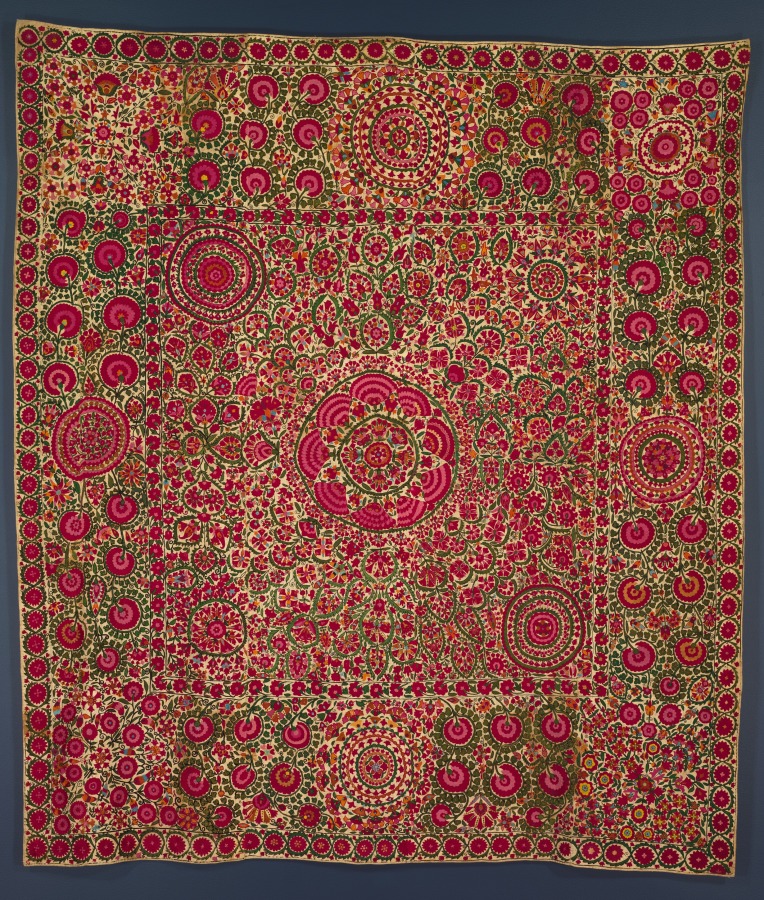
Curtain or bedcover
Cleveland Museum of Art
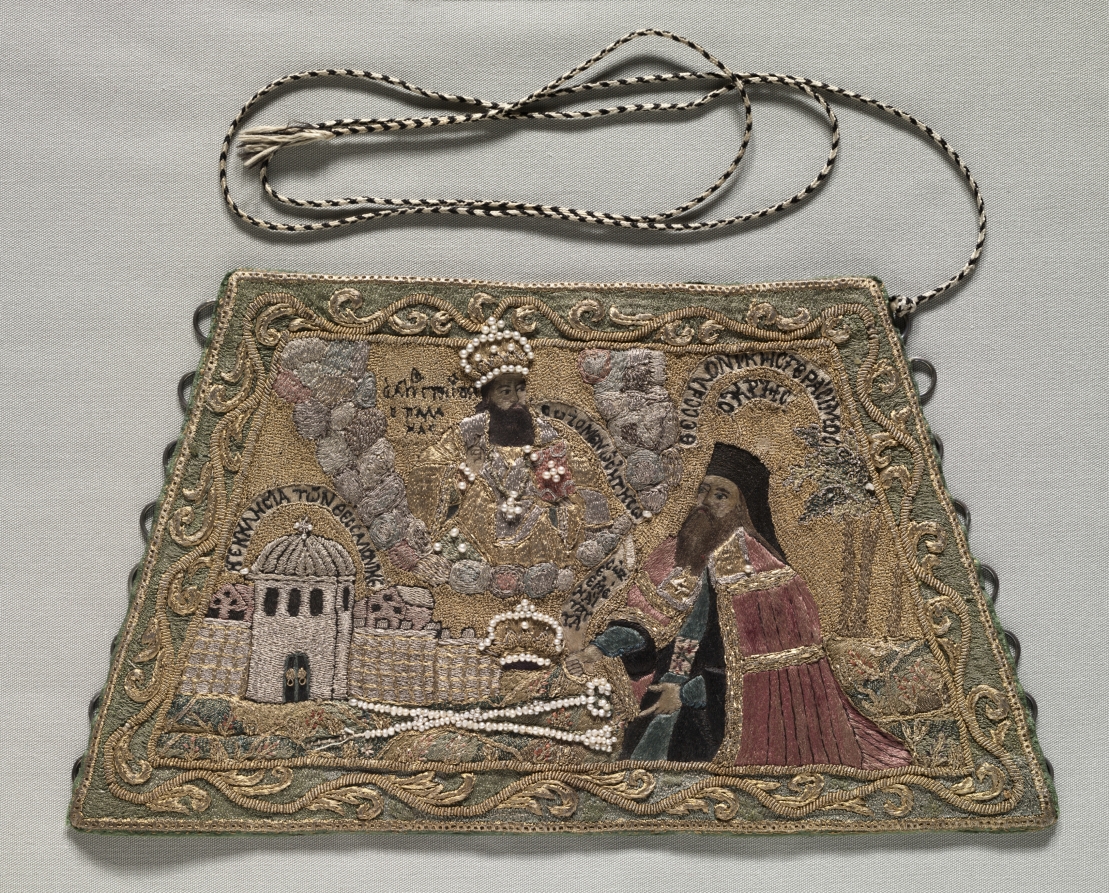
Ecclesiastical Embroidery (Epimanikion)
Cleveland Museum of Art

Saint John the Baptist
Minneapolis Institute of Art
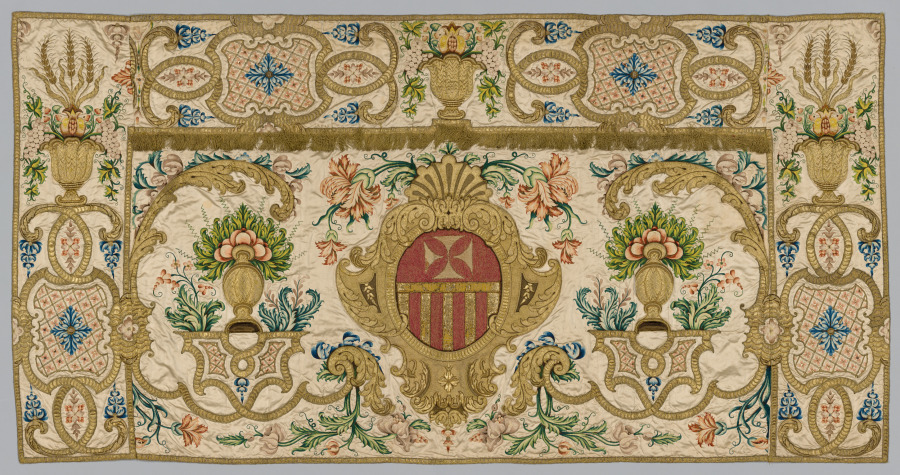
Embroidered Front of an Altar
Cleveland Museum of Art
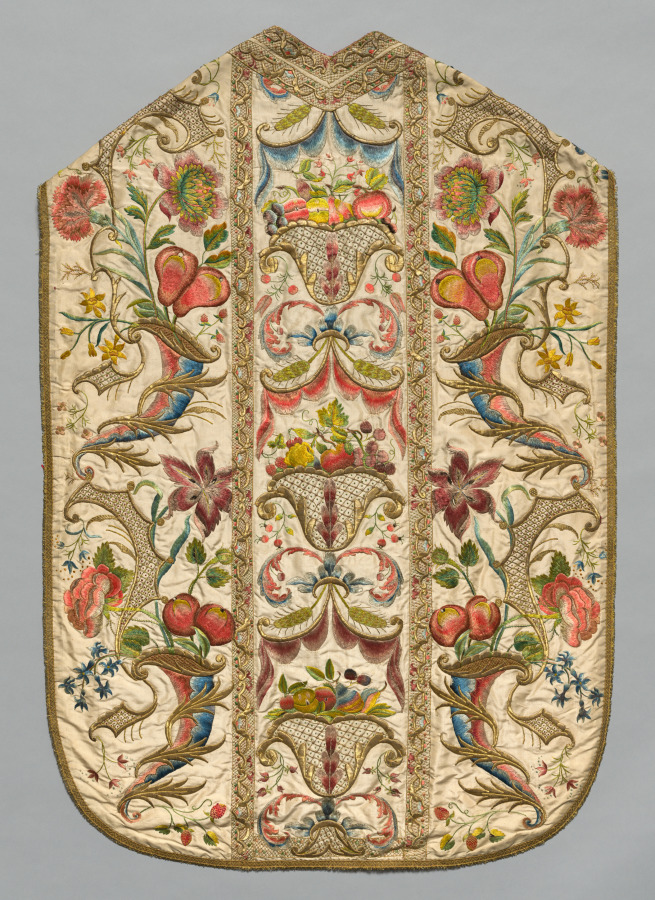
Chasuble
Cleveland Museum of Art
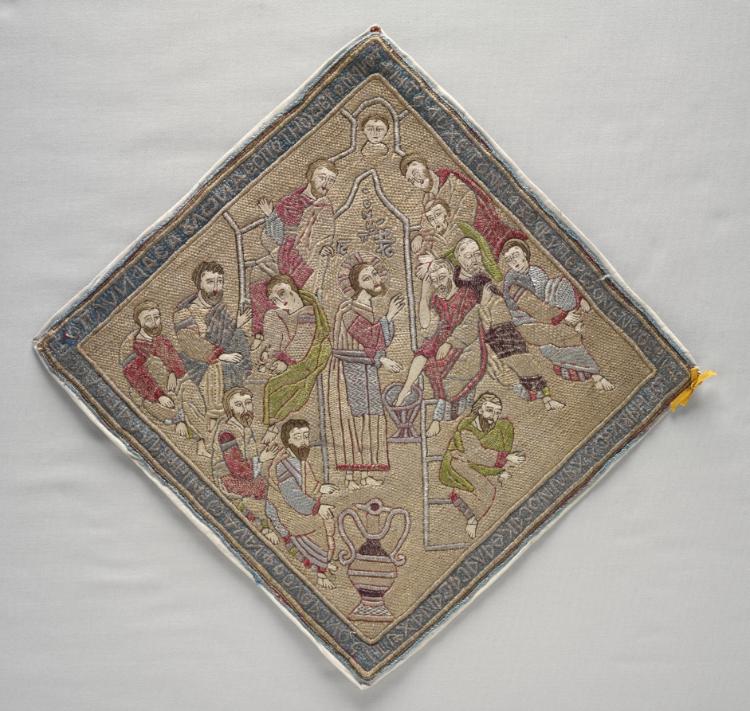
Ecclesiastical Embroidery (Epigonation)
Cleveland Museum of Art
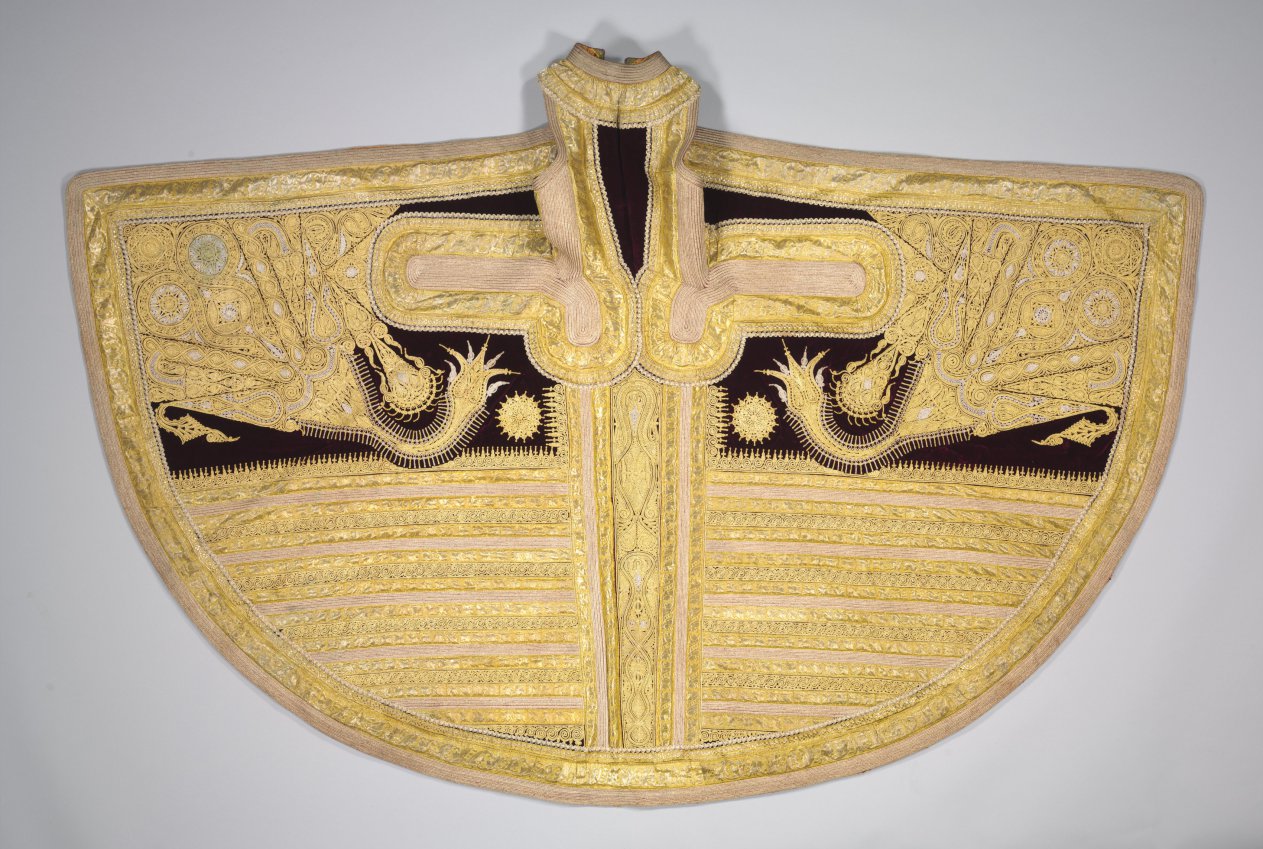
Gold-Thread Embroidered Garment for a Woman
Cleveland Museum of Art
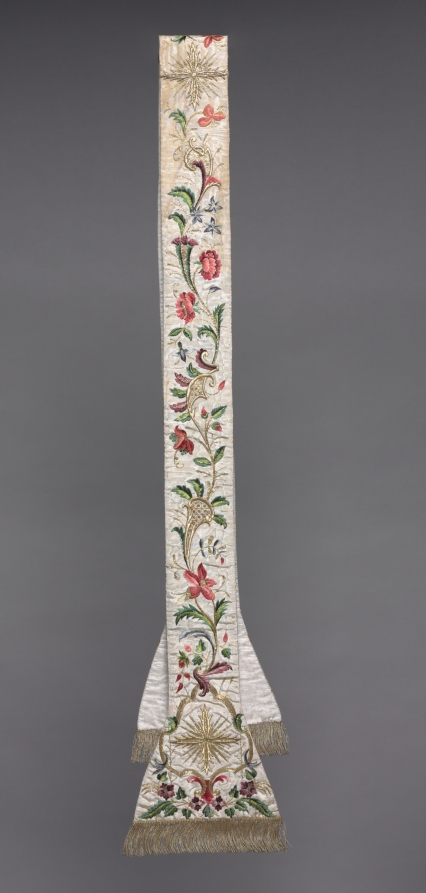
Embroidered Stola
Cleveland Museum of Art
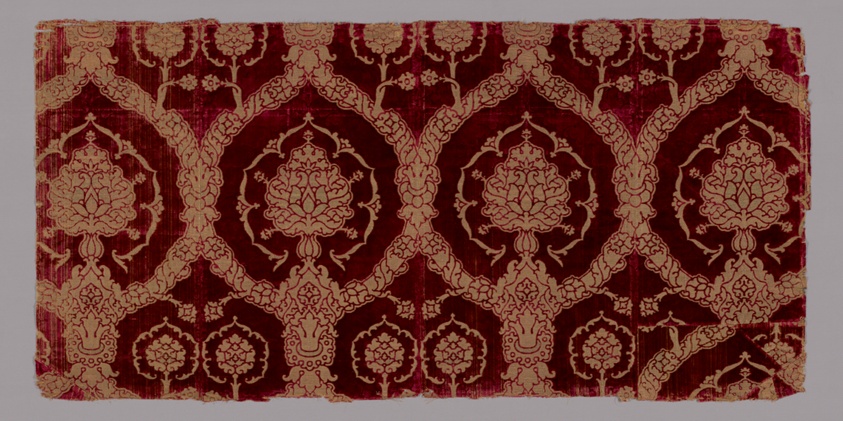
Altar Frontal
Art Institute of Chicago
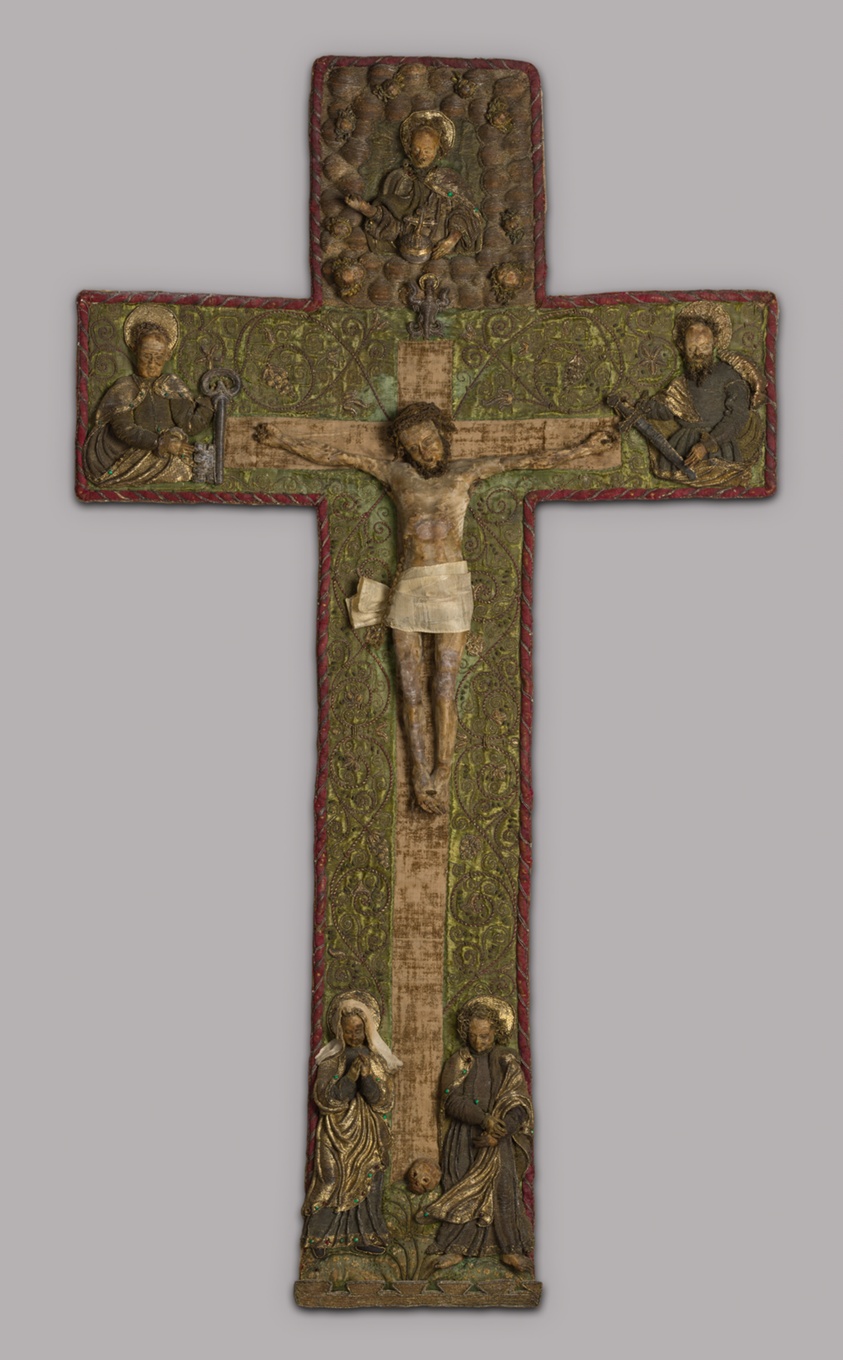
Orphrey Cross
Art Institute of Chicago
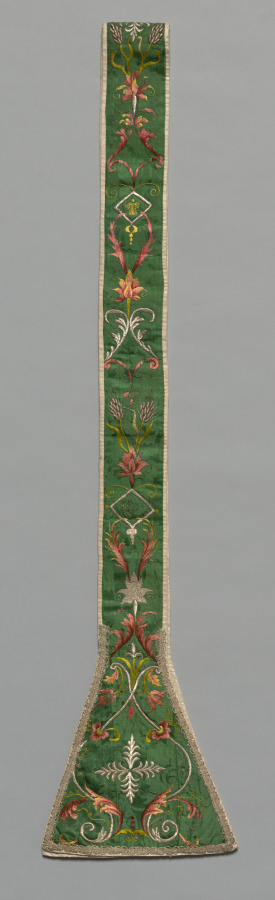
Embroidered Stola
Cleveland Museum of Art
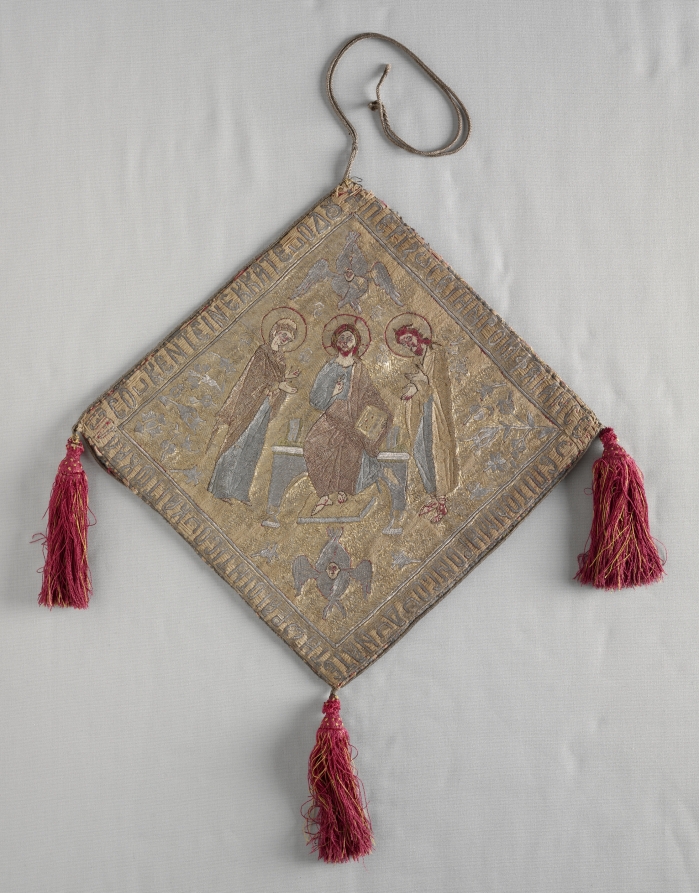
Ecclesiastical Embroidery (Epigonation)
Cleveland Museum of Art