Cleveland Museum of Art
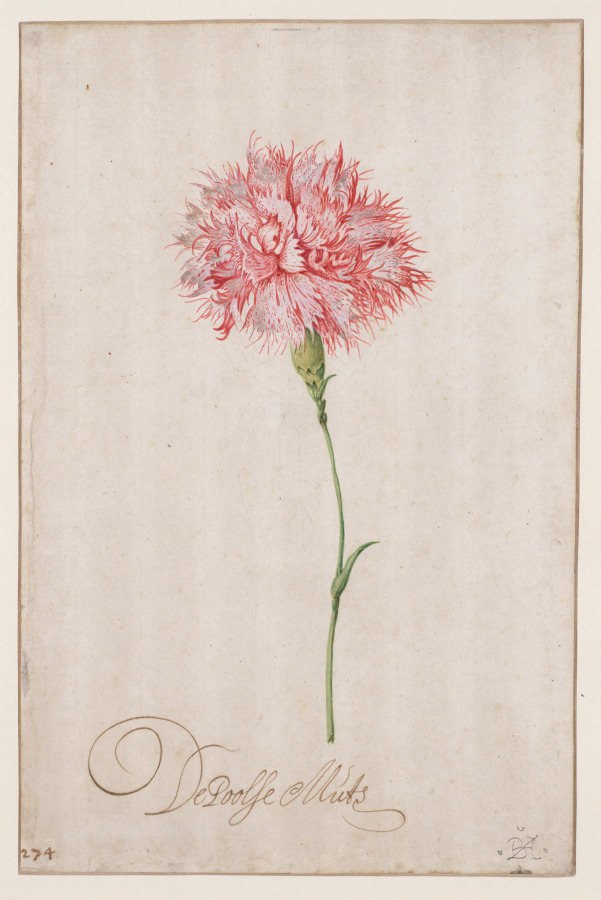
De Poolse Muts
Balthasar van der Ast
- Date
- c. 1620–30
- Medium
- brush and watercolor in red, green, and yellow with white heightening or grey wash on antique laid cream paper
- Culture
- Netherlands
- Department
- Drawings
- Institution
- Cleveland Museum of Art
Still-life painting began in the Northern Netherlands (present-day Holland) around the turn of the 1600s. Still-life painter Balthasar van der Ast made this precise botanical study of a pink carnation as a reference that he could add later to a painting of an elaborate bouquet of flowers. Van der Ast inscribed the name “The Polish Cap,” on the sheet to suggest that the flower came from foreign lands. According to Christian legend, carnations appeared when the Virgin Mary shed tears as Jesus carried the cross, thus the flower’s traditional association with Mother’s Day.
The authoritative record is held by Cleveland Museum of Art. LinkedCulture surfaces this object and its connections; it does not alter institutional metadata.
Related across collections
Semantically similar works from Cleveland Museum of Art and other institutions.
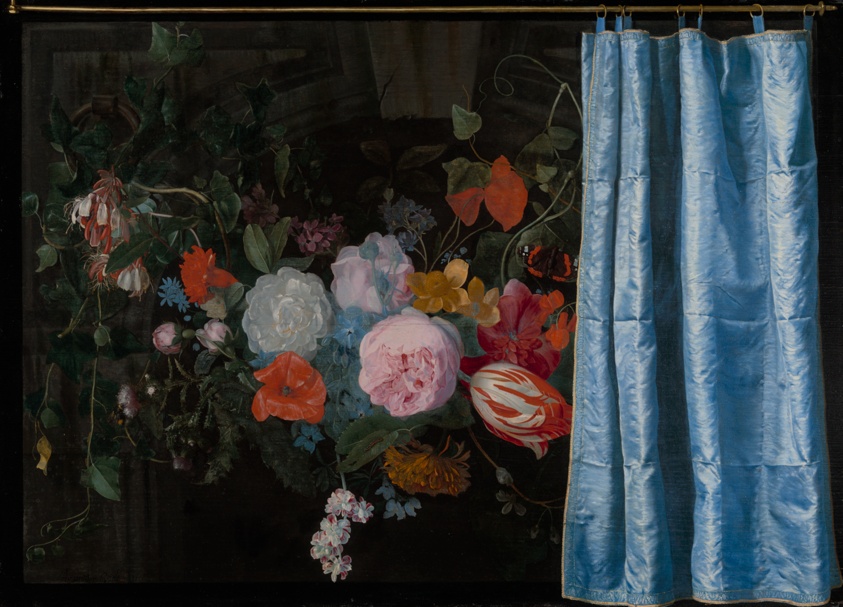
Trompe-l'Oeil Still Life with a Flower Garland and a Curtain
Art Institute of Chicago

Flower Still Life
Getty Museum

An Arrangement with Flowers
Minneapolis Institute of Art
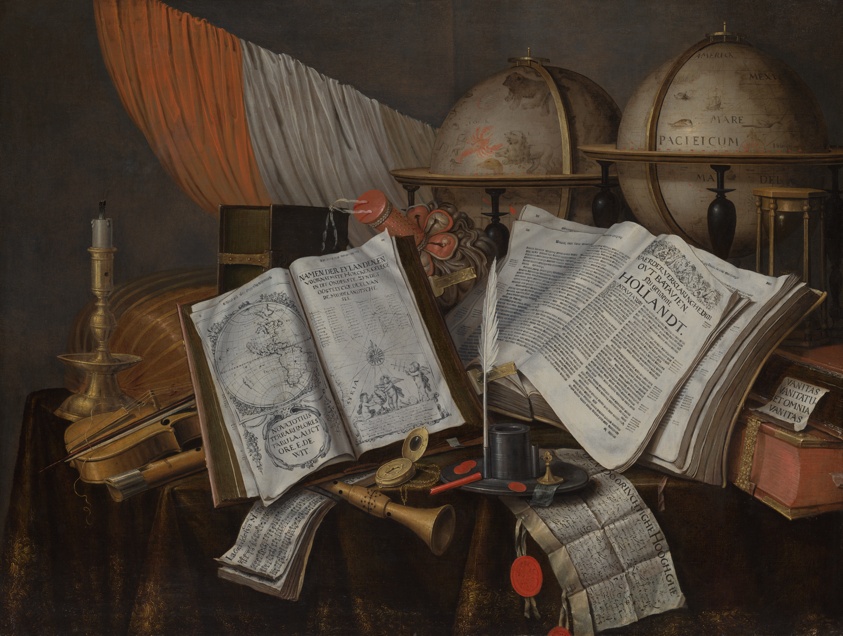
A Vanitas Still Life with a Flag, Candlestick, Musical Instruments, Books, Writing Paraphernalia, Globes, and Hourglass
Art Institute of Chicago
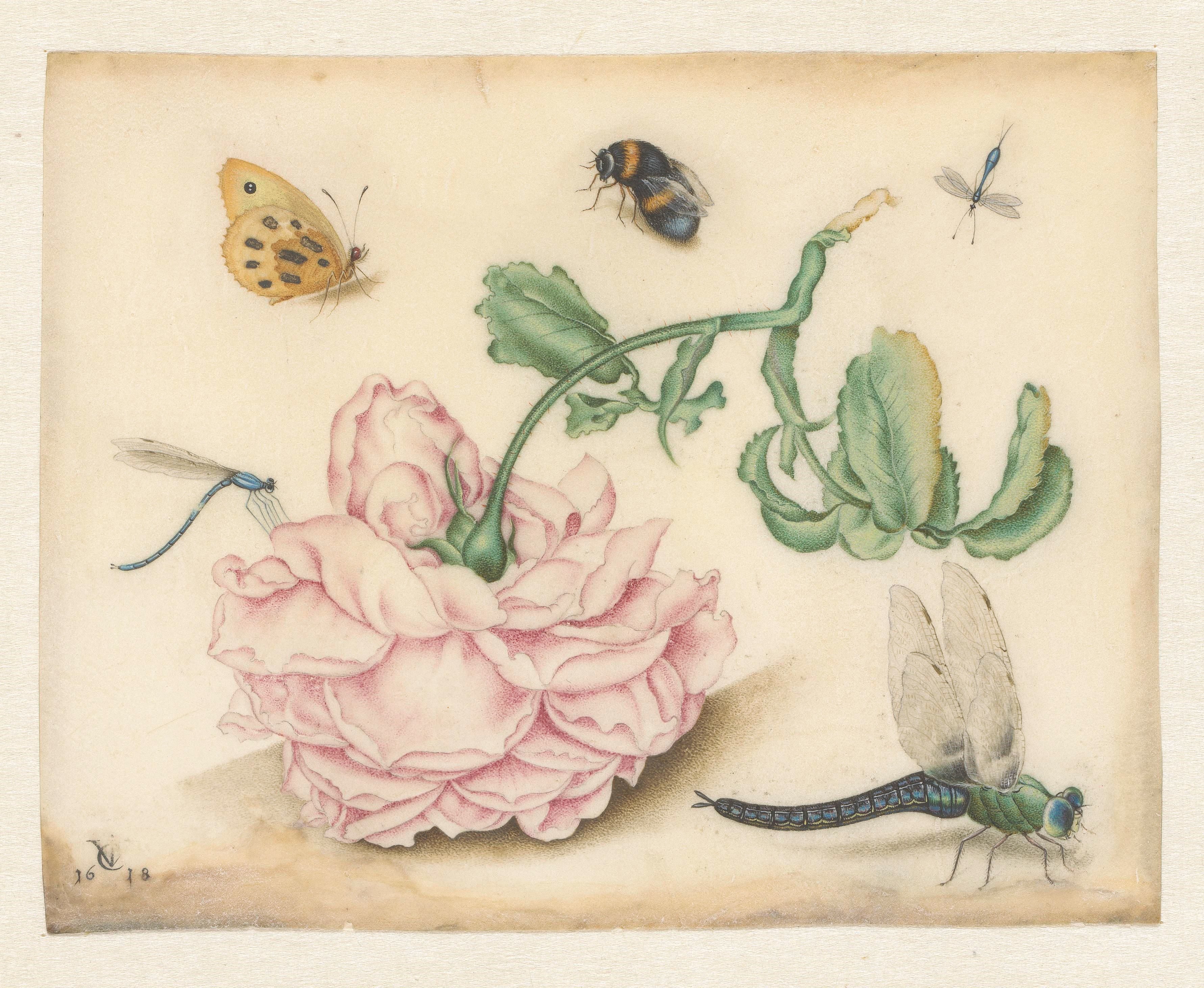
A Rose and Five Insects
Rijksmuseum
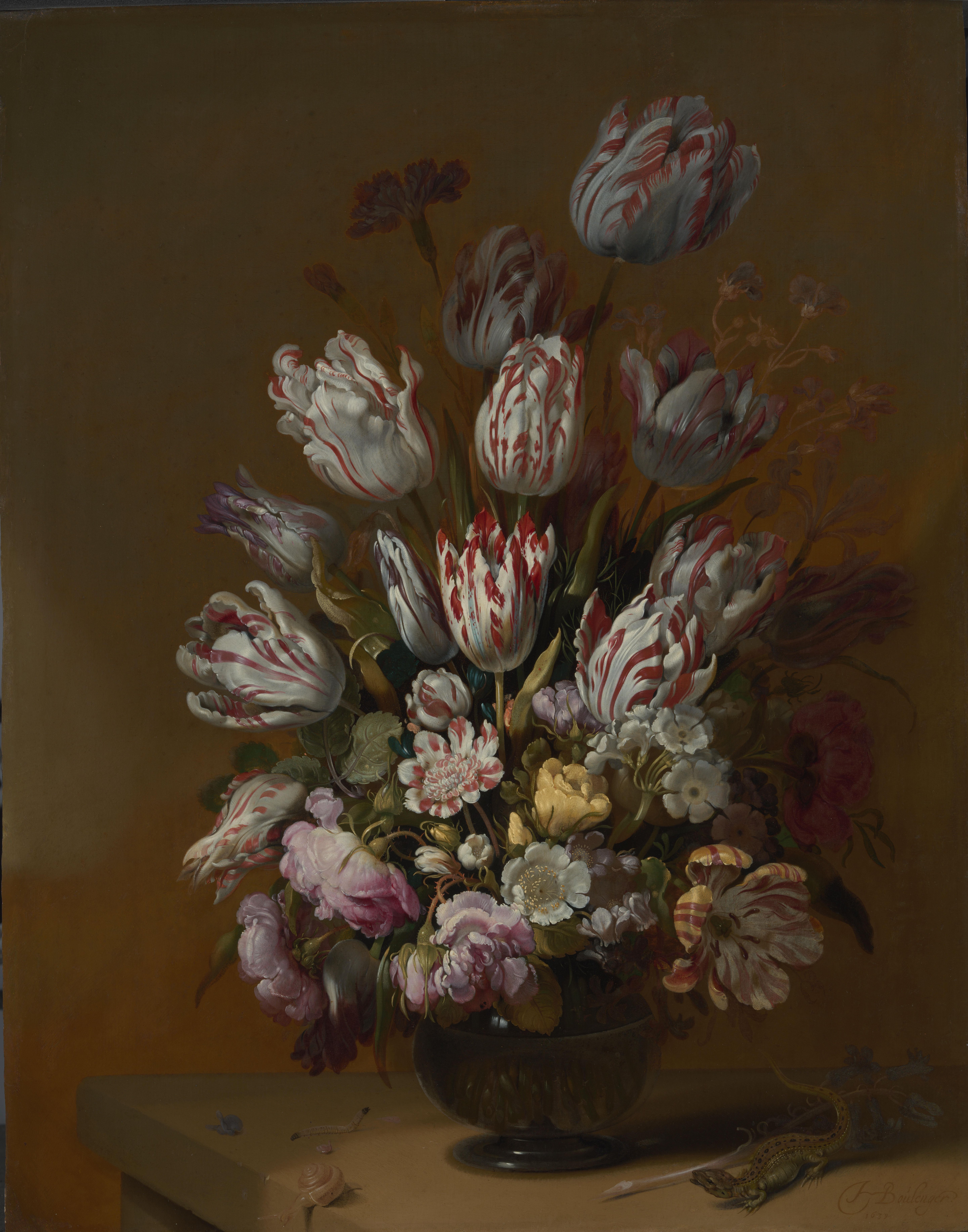
Floral Still Life
Rijksmuseum
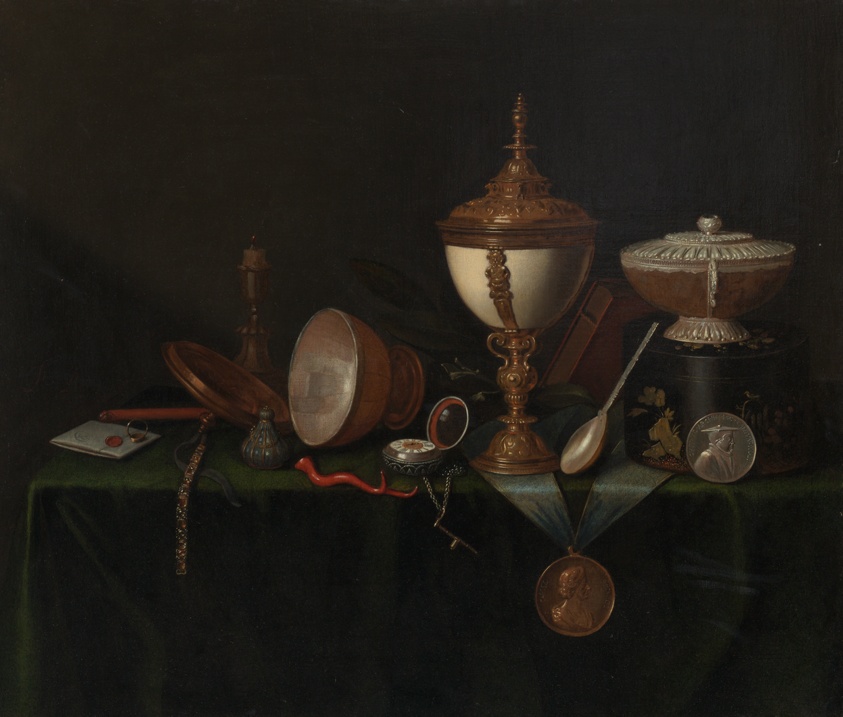
Still Life with Ostrich Egg Cup and the Whitfield Heirlooms
Art Institute of Chicago
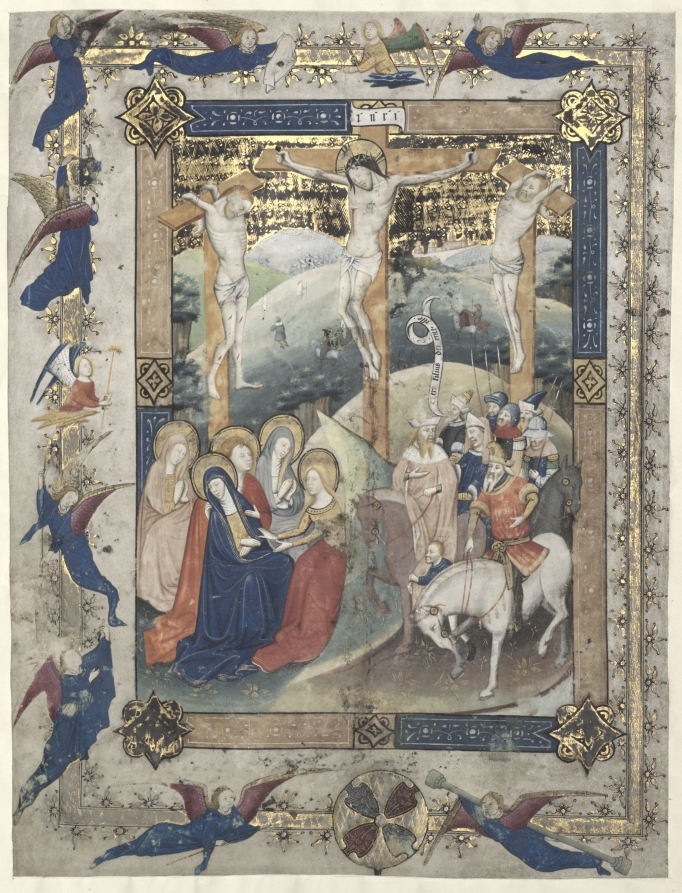
Leaf from a Missal: The Crucifixion (Frontispiece for the Canon of the Mass)
Cleveland Museum of Art
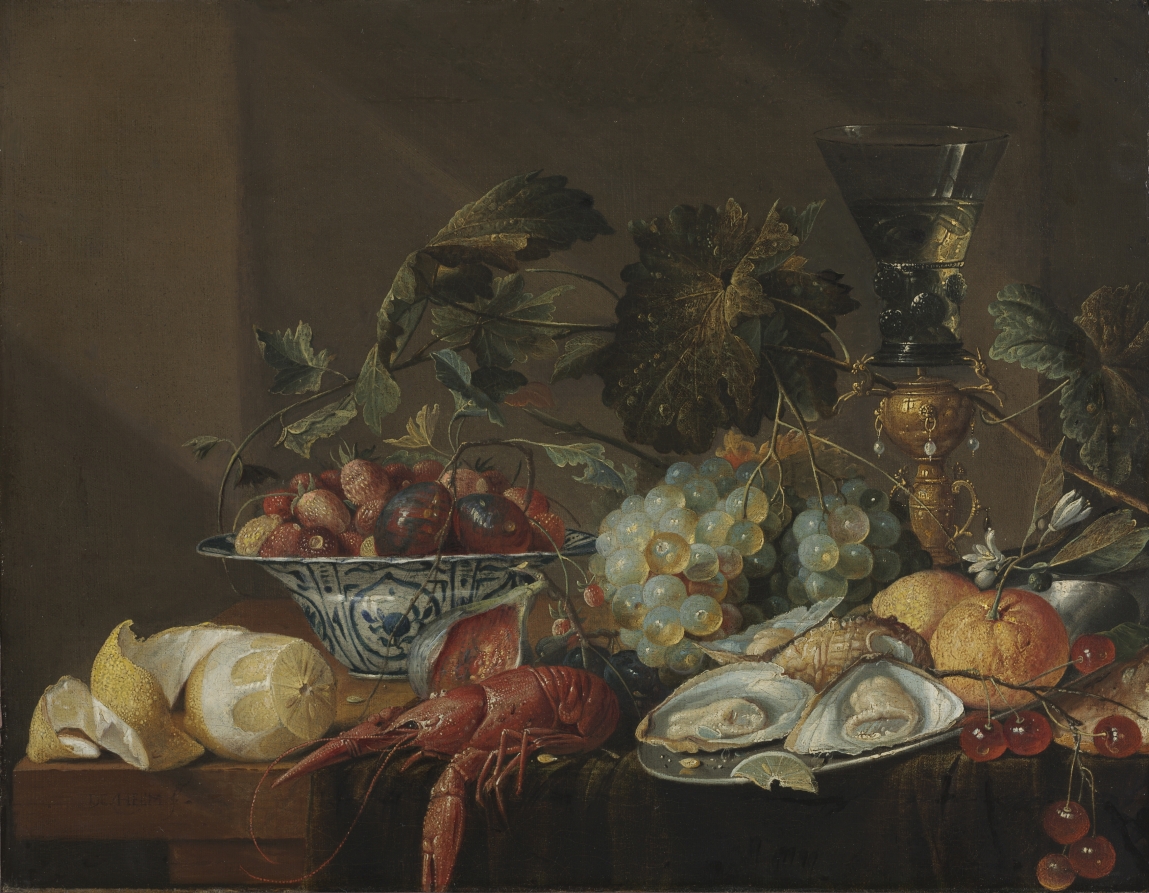
Still-Life with Crayfish, Oysters, and Fruit
Cleveland Museum of Art
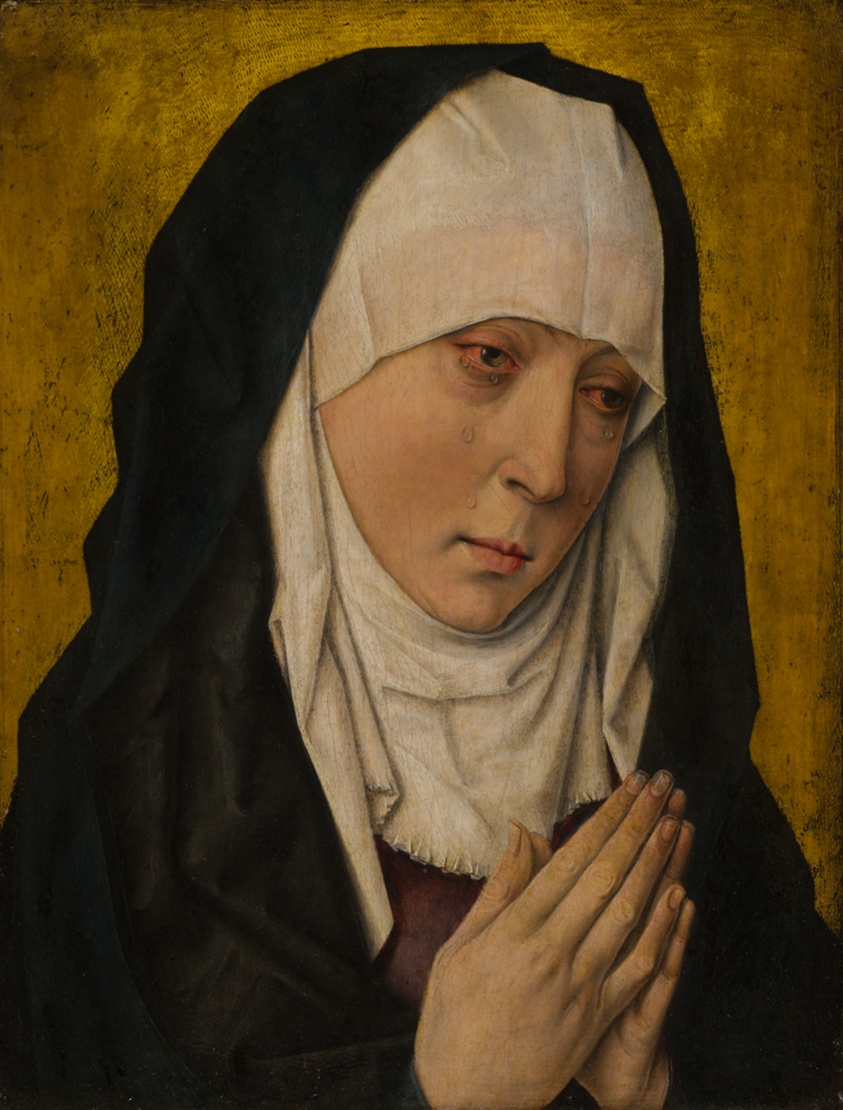
Mater Dolorosa (Sorrowing Virgin)
Art Institute of Chicago
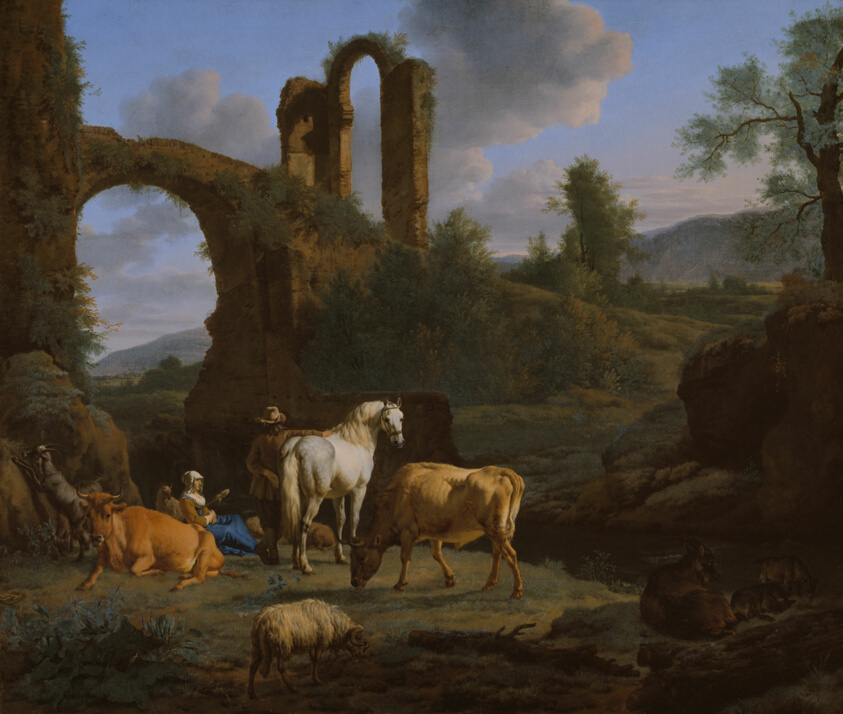
Pastoral Landscape with Ruins
Art Institute of Chicago

Virgin and Child in a Landscape
Minneapolis Institute of Art