Cleveland Museum of Art
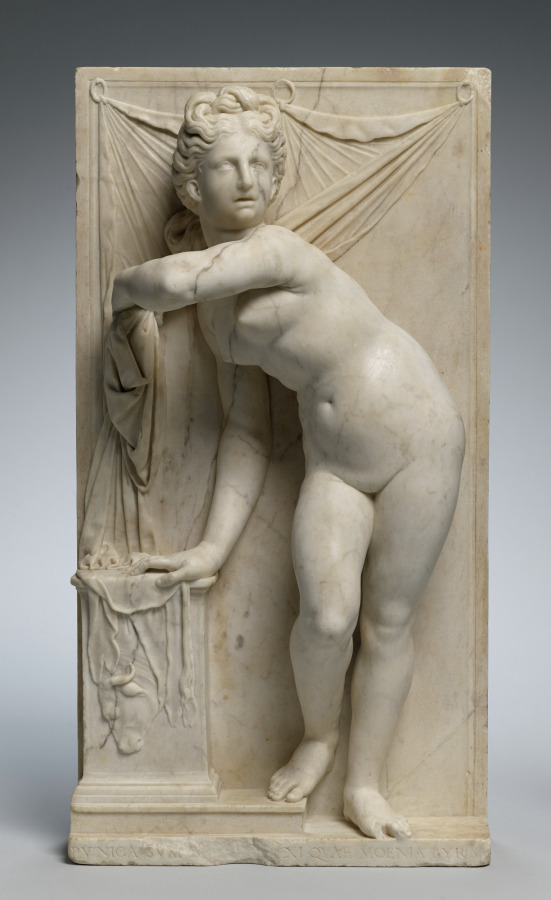
Dido
Aurelio Lombardo
- Date
- c. 1525
- Medium
- marble
- Culture
- Italy
- Department
- European Painting and Sculpture
- Institution
- Cleveland Museum of Art
Artists customarily portrayed Dido as a forlorn lover abandoned by the Trojan hero, Aeneas, but here she is a conquering queen. Dido draws aside an oxhide curtain, a reference to the mythical founding of Carthage (in modern-day Tunisia, North Africa), when she was given an oxhide to demarcate granted land. By cutting it into thin strips she was able to encircle the future city. Dido was likely created for display in a studiolo , a place of study featuring refined works of art appreciated by humanist scholars and aficionados during the Renaissance. Dido’s nudity and hairstyle are allusions to ancient Greek images of Aphrodite.
The authoritative record is held by Cleveland Museum of Art. LinkedCulture surfaces this object and its connections; it does not alter institutional metadata.
Related across collections
Semantically similar works from Cleveland Museum of Art and other institutions.

Dido and Aeneas
Getty Museum
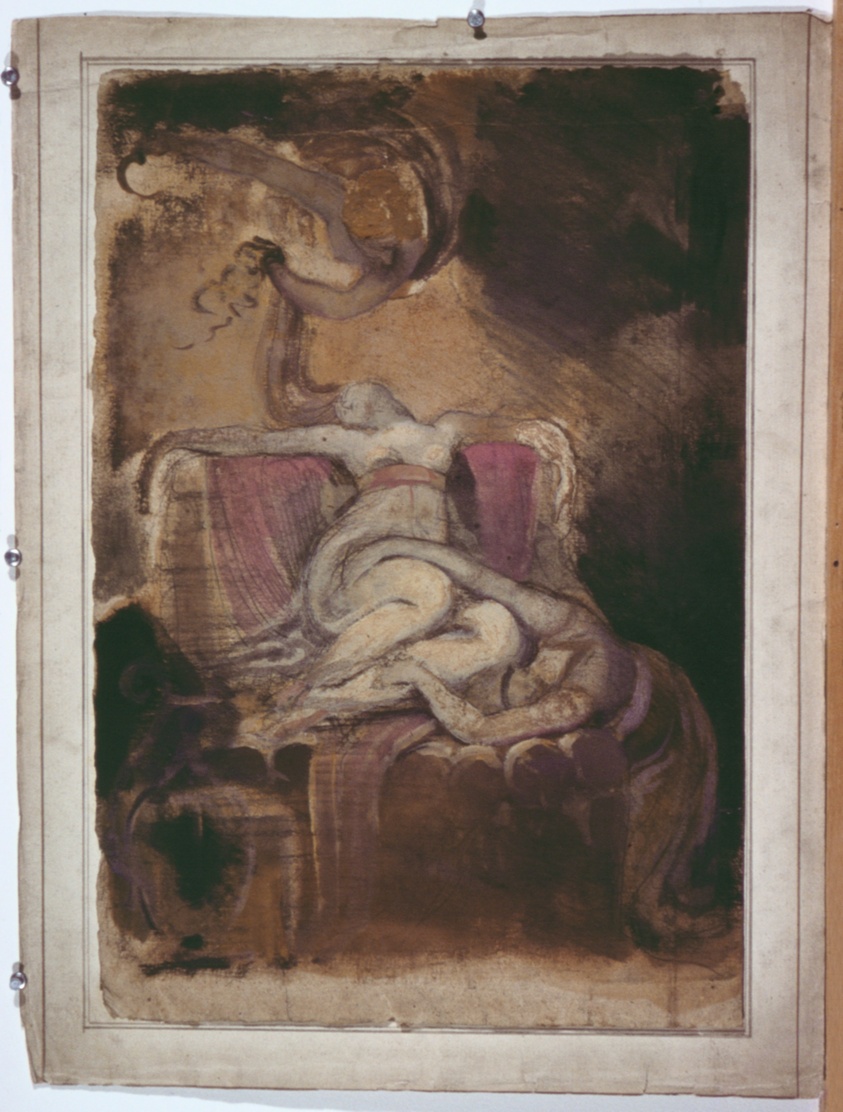
Sketch for 'Dido on the Funeral Pyre' (recto); Erotic Sketch of Man and Woman (verso)
Art Institute of Chicago

The Death of Dido
Getty Museum
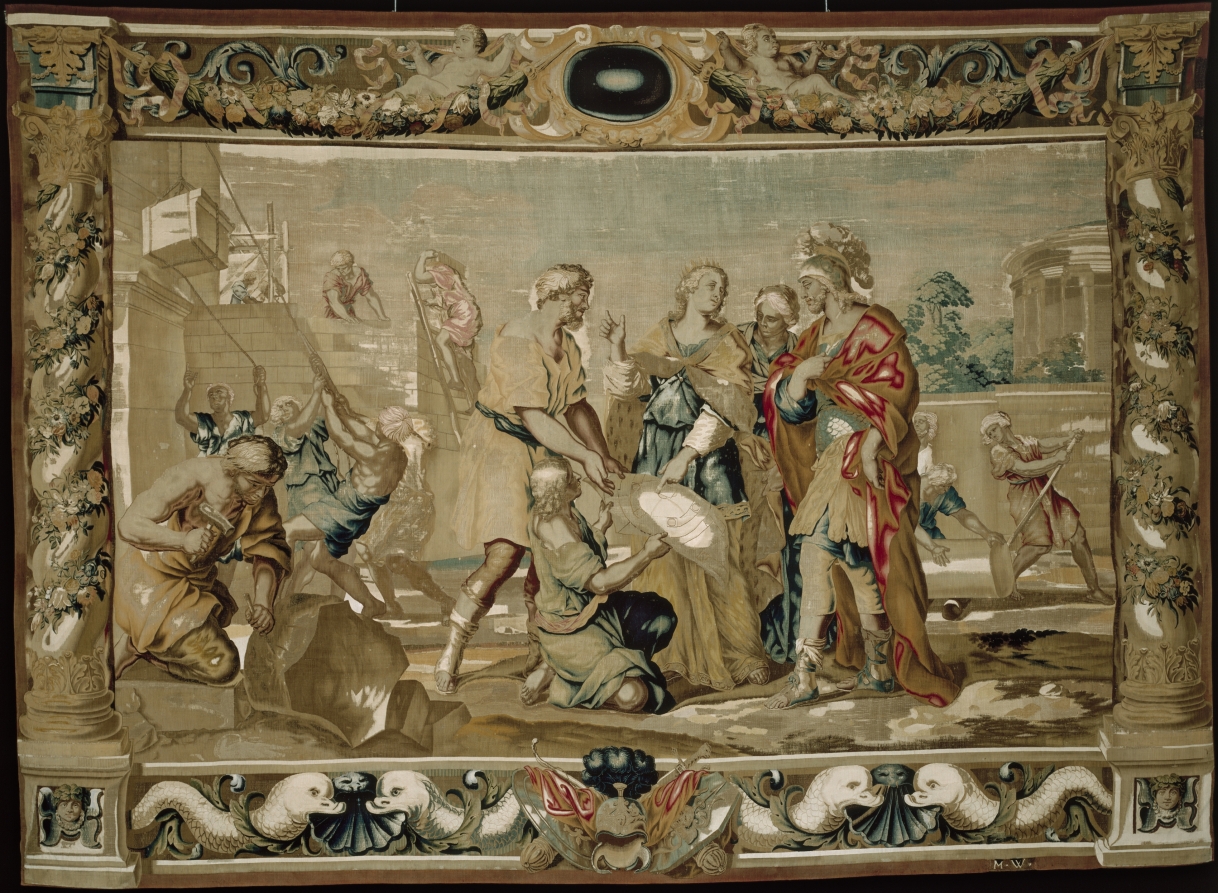
Dido shows Aeneas the plans for the fortifications of Carthage
Cleveland Museum of Art

The Suicide of Queen Dido
Getty Museum
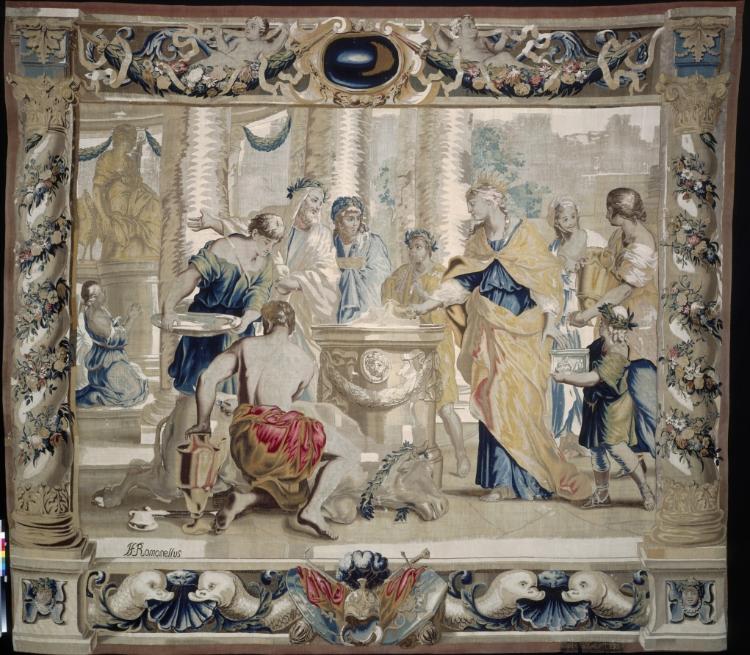
Dido Sacrifices to Juno, the Goddess of Marriage
Cleveland Museum of Art
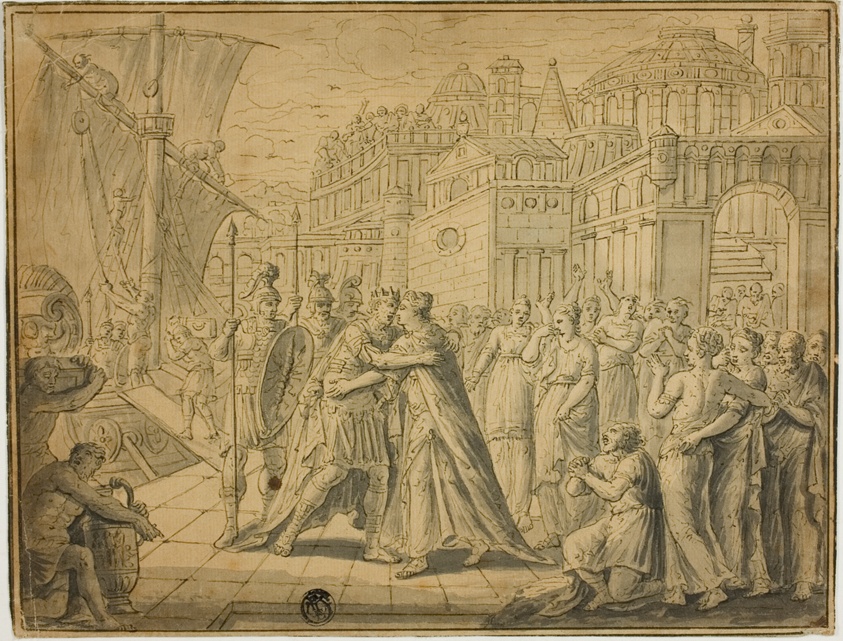
Dido and Aeneas Embracing before Gates of Carthage
Art Institute of Chicago
Dido Receives Aeneas at Carthage
Harvard Art Museums
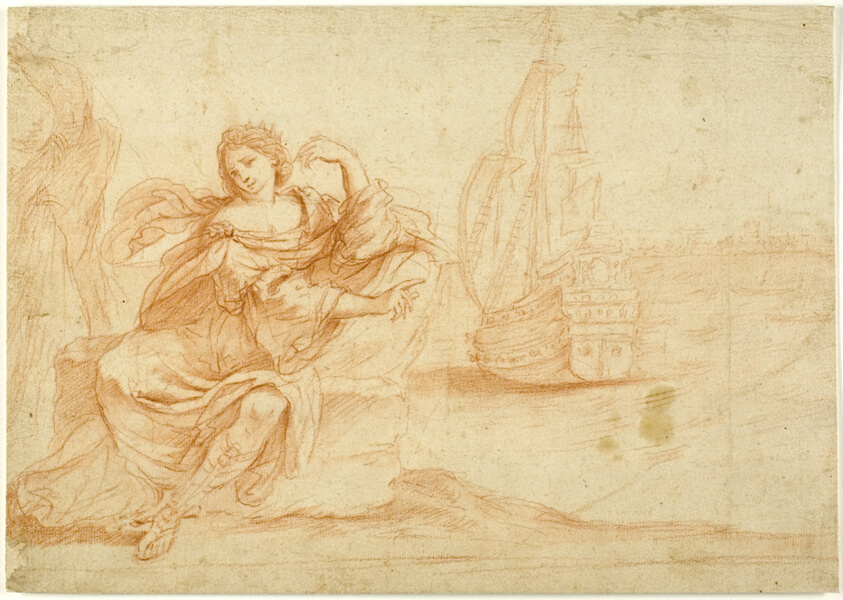
Dido Abandonded by Aeneas
Art Institute of Chicago
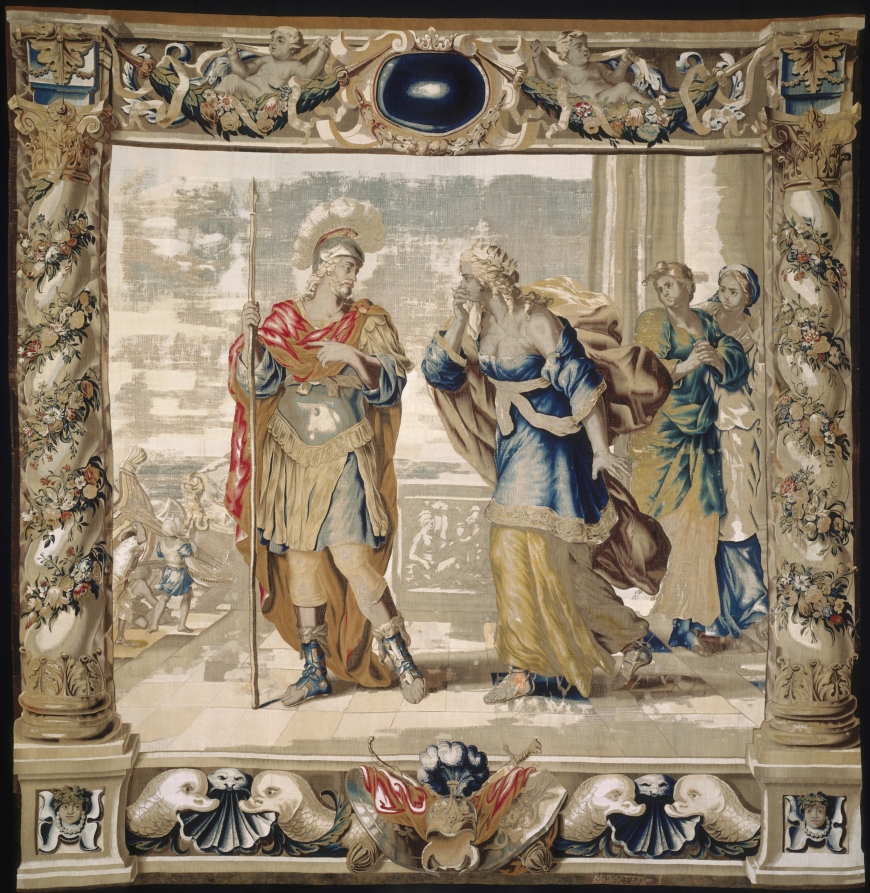
Aeneas says Farewell to Dido
Cleveland Museum of Art
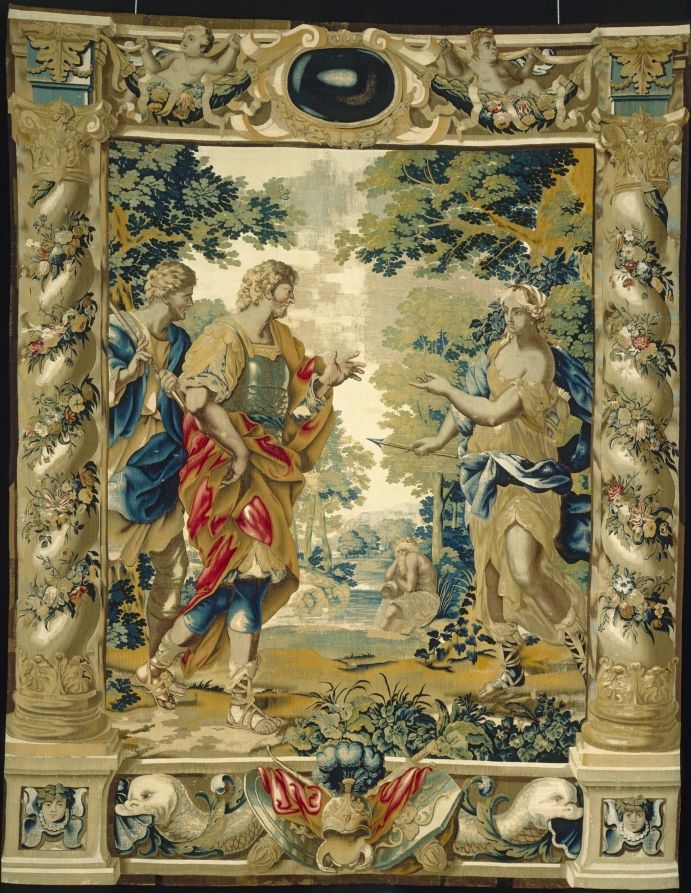
Venus tells Aeneas and his friend Achates to go to Carthage
Cleveland Museum of Art
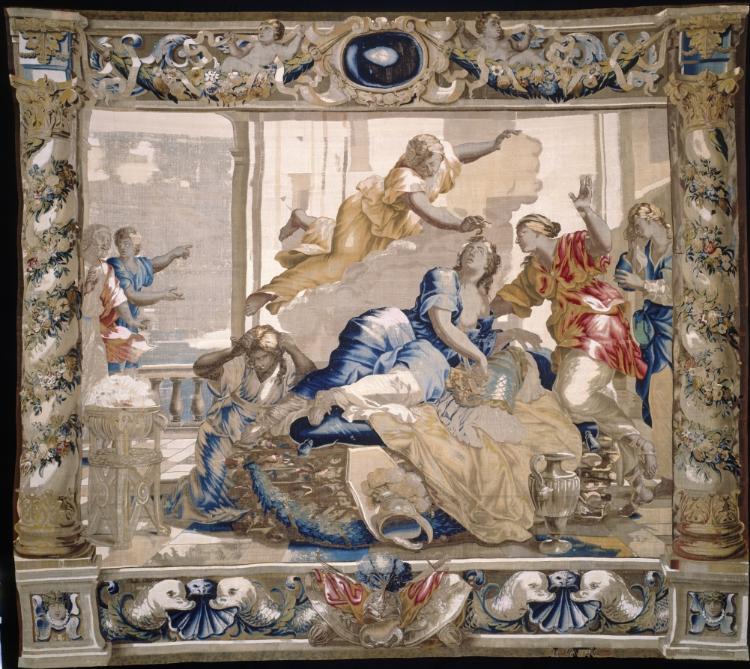
The Death of Dido
Cleveland Museum of Art