Cleveland Museum of Art
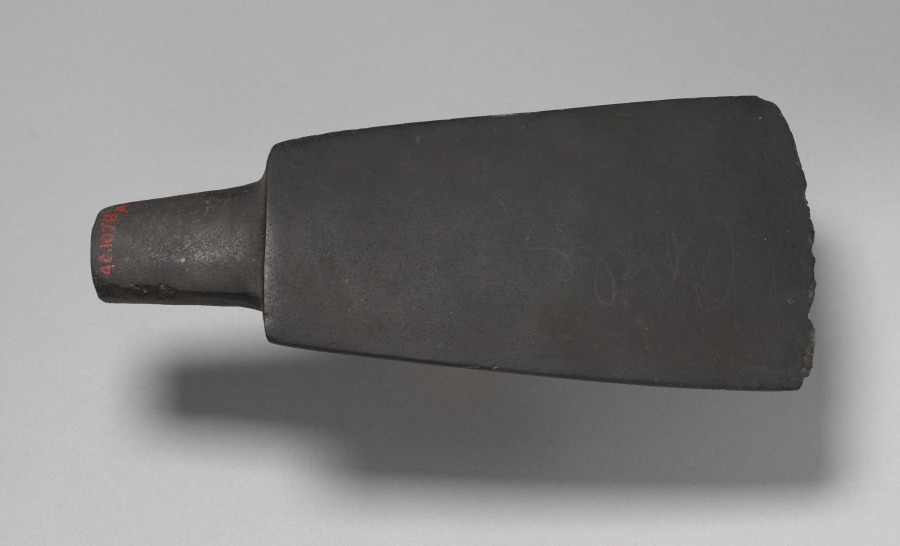
Blade from a Ceremonial Adze
- Date
- 1800s
- Medium
- stone
- Culture
- Polynesia, Mangaia, Cook Islands, 19th century
- Department
- Oceania
- Institution
- Cleveland Museum of Art
Before European contact, Polynesian carving tools were fashioned from bone, shell, stone, or teeth. The introduction of iron tools facilitated carving, while the demand of European sailors and missionaries for souvenirs provided a new market for craft products. Ceremonial adzes probably represented gods or spirits. The wooden handle of this example is carved with the characteristic K motif. The stone adze blade is lashed to the handle with finely plaited sennit fiber cord. According to legend, the distinctive pattern formed by the sennit lashing was taught to Mangaian craftsman by the gods.
The authoritative record is held by Cleveland Museum of Art. LinkedCulture surfaces this object and its connections; it does not alter institutional metadata.
Related across collections
Semantically similar works from Cleveland Museum of Art and other institutions.
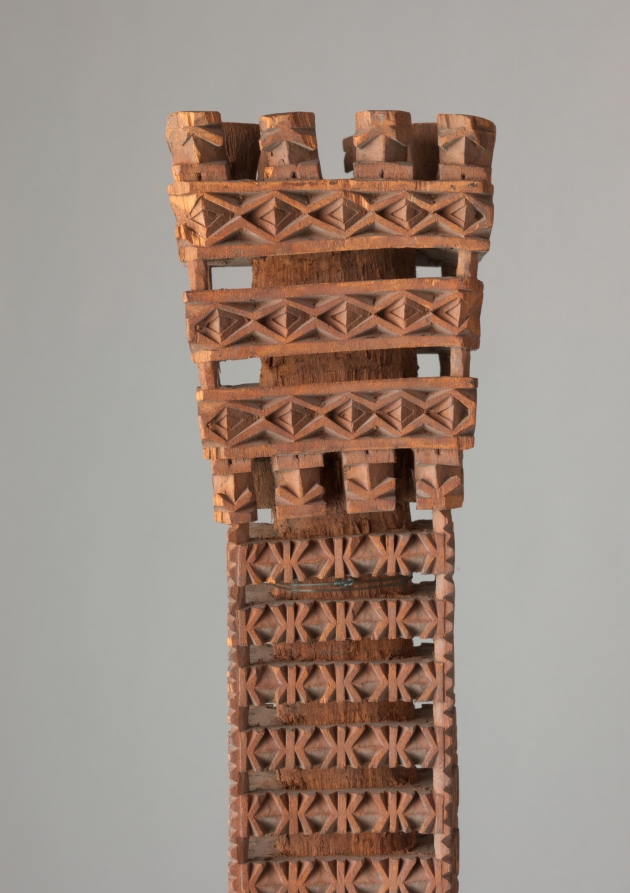
Ceremonial Adze
Cleveland Museum of Art
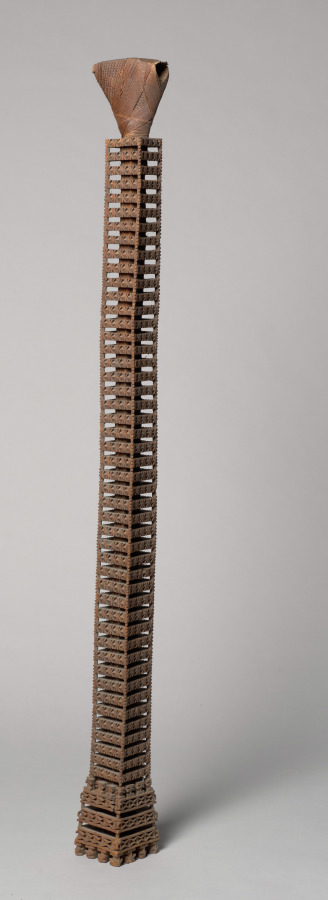
Haft from a Ceremonial Adze
Cleveland Museum of Art
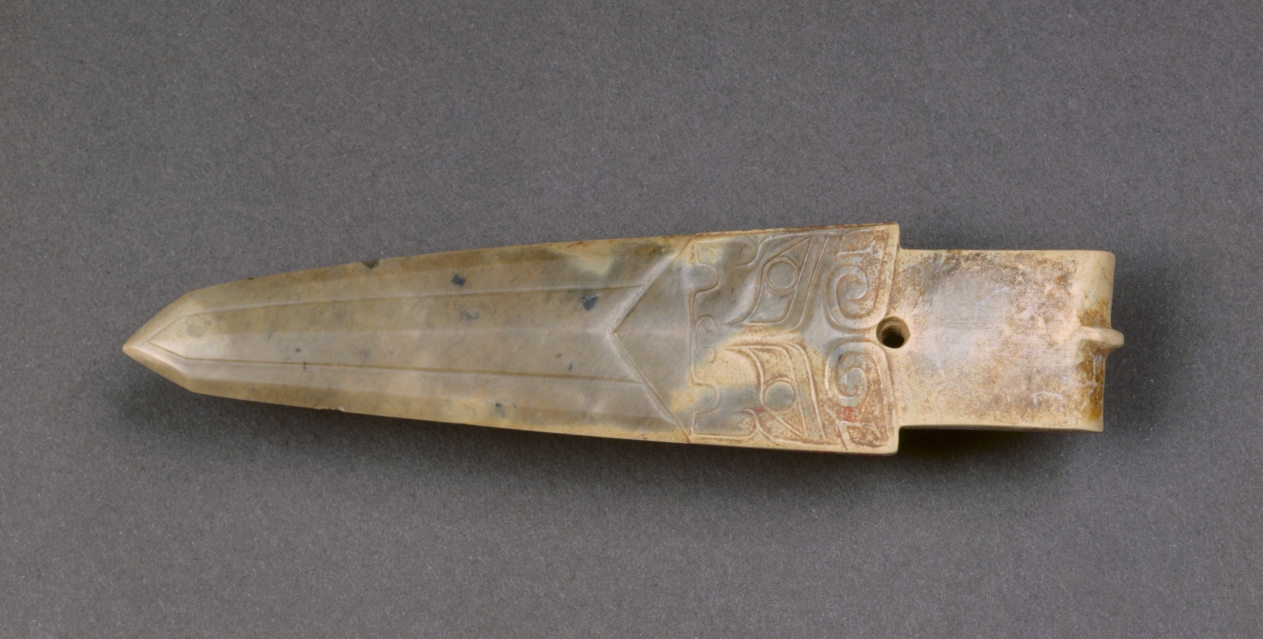
Ceremonial Dagger-Axe with Animal Masks (Ge)
Cleveland Museum of Art
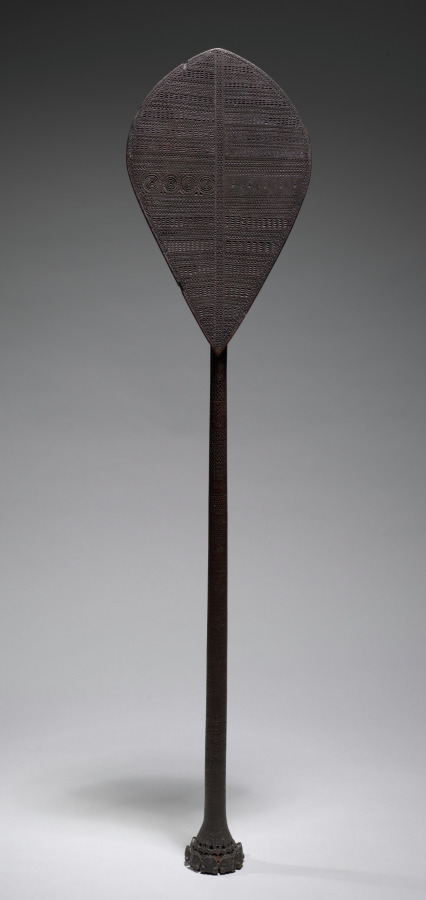
Ceremonial Paddle
Cleveland Museum of Art
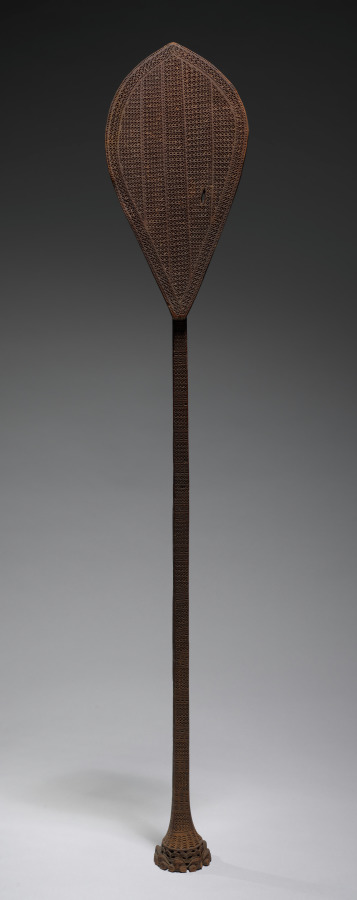
Ceremonial Paddle
Cleveland Museum of Art
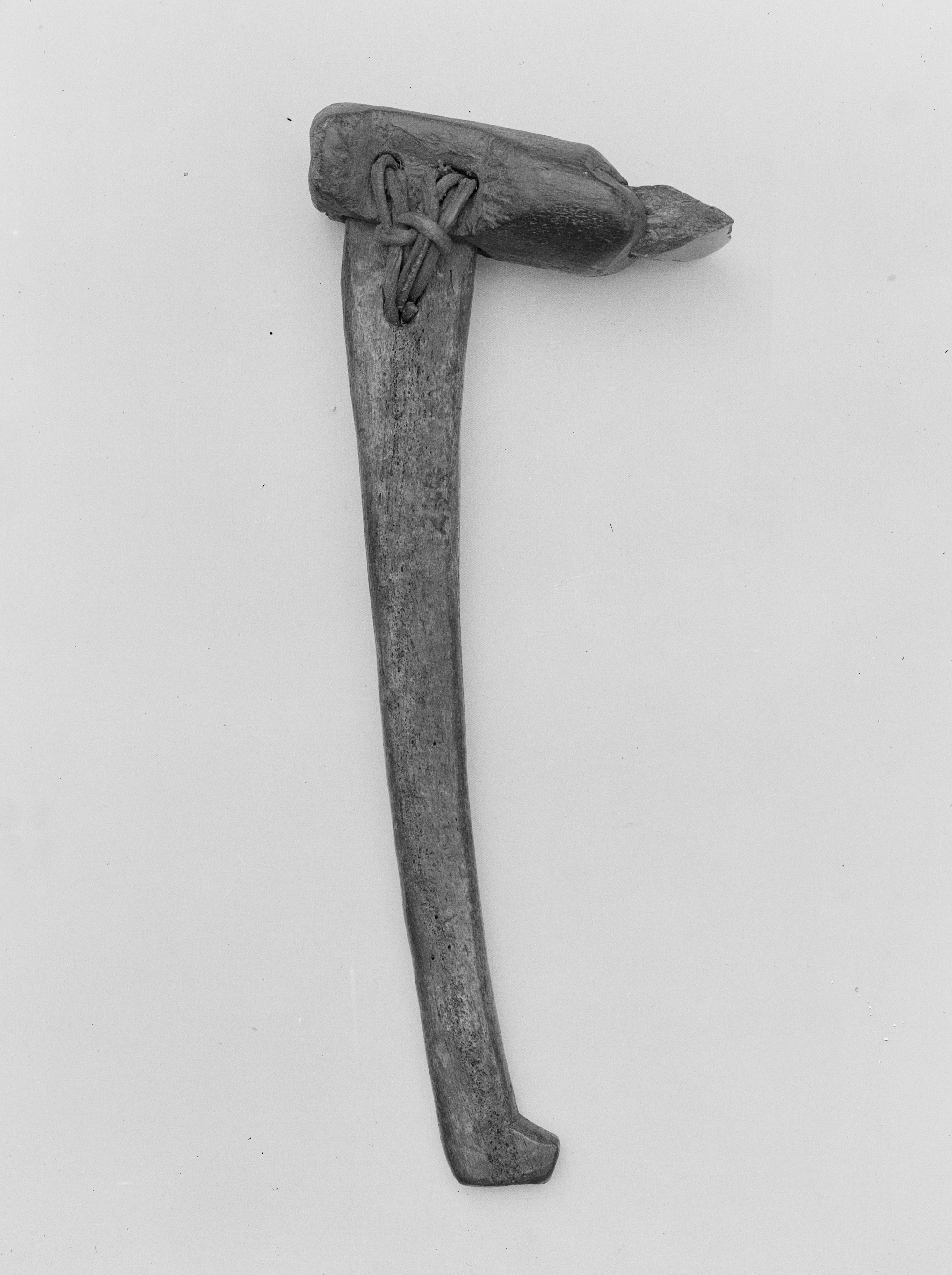
Adze (Hootar)
The Metropolitan Museum of Art
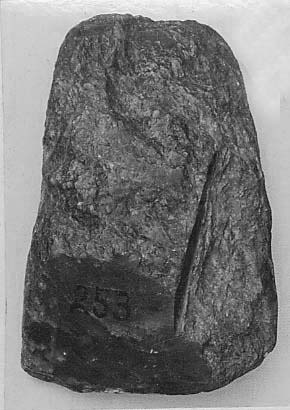
Adze
The Metropolitan Museum of Art
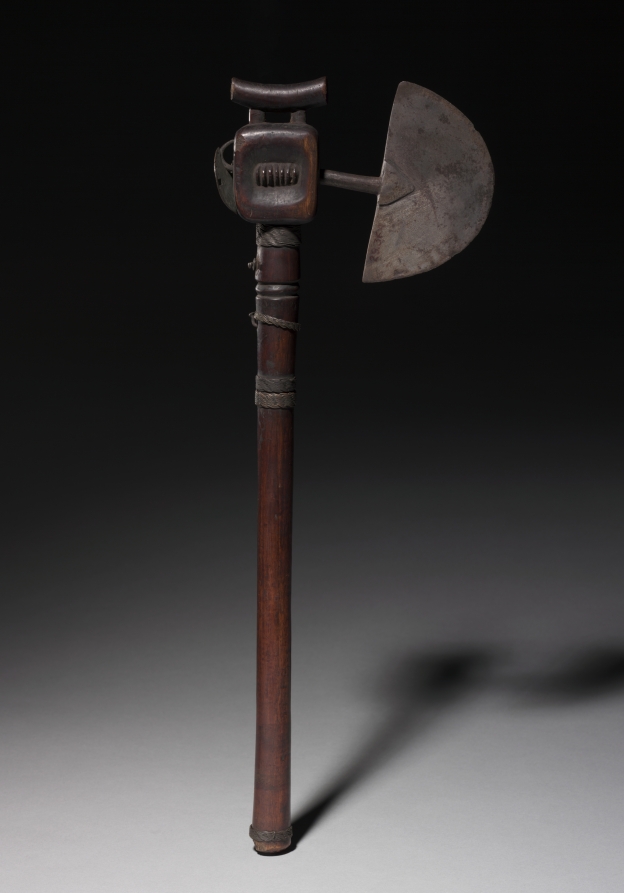
Ceremonial Axe (gano)
Cleveland Museum of Art

Carved seal
Getty Museum

Adze
Getty Museum
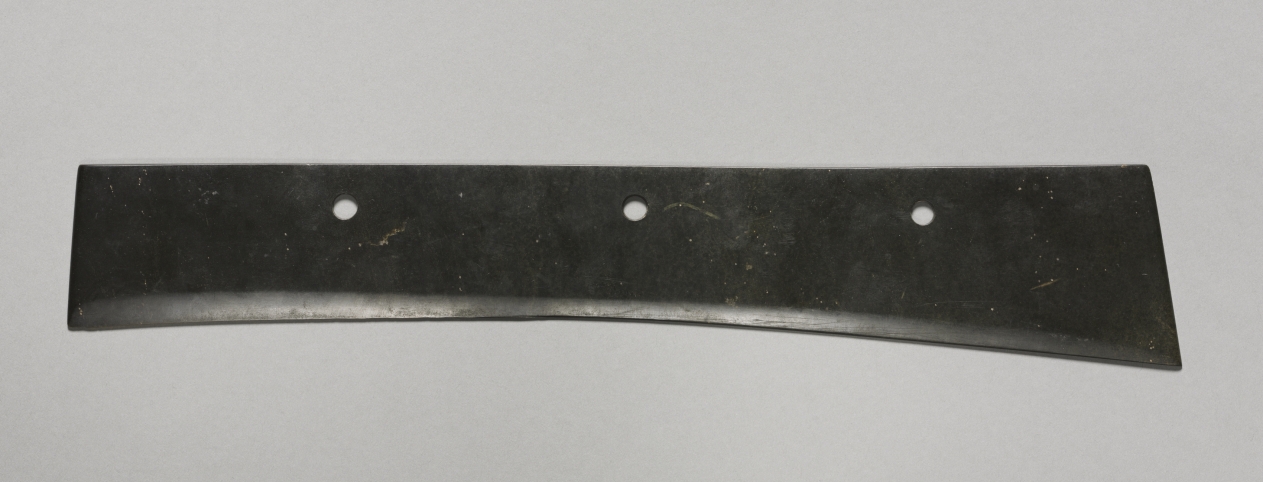
Ceremonial Blade with Three Perforations (Dao)
Cleveland Museum of Art
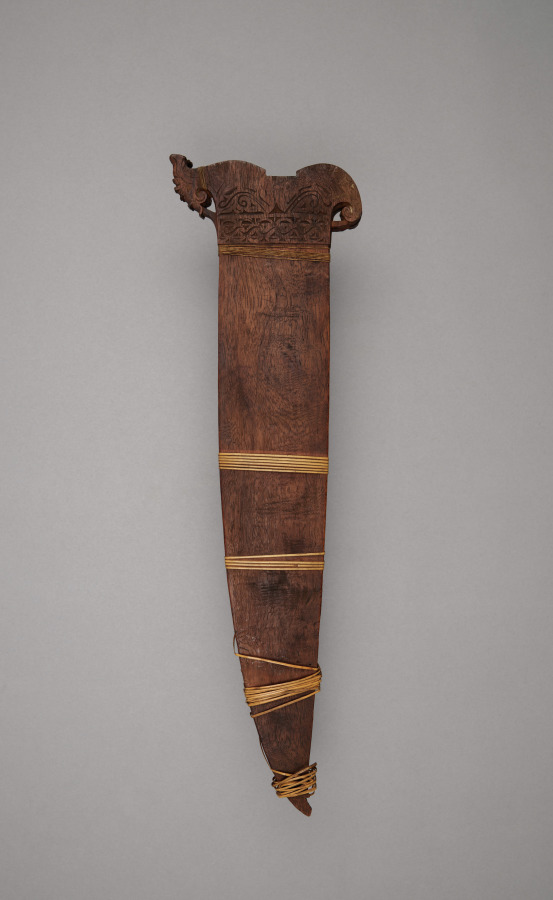
Scabbard
Cleveland Museum of Art