Cleveland Museum of Art
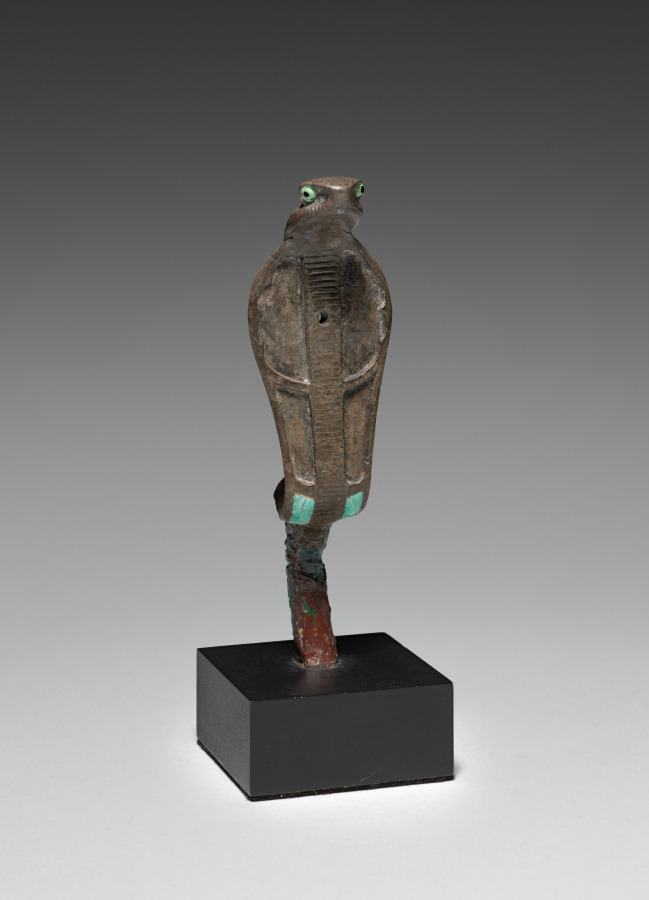
Uraeus (Rearing Cobra)
- Date
- 1307–1196 BCE
- Medium
- Silver-copper alloy with inlays (copper, feldspar, turquoise, obsidian?) and gilding
- Culture
- Egypt, New Kingdom (1540–1069 BCE), Dynasty 19
- Department
- Egyptian and Ancient Near Eastern Art
- Institution
- Cleveland Museum of Art
Made from a silver-copper alloy, this rearing cobra likely served as a uraeus, symbolizing royal or divine power in ancient Egypt. Its lowermost portion likely fit into the top of the head of a large sculpture, while its body and tail seem cut short, perhaps making room for a solar disk to rise up behind. The eyes are inlaid, and six cavities for additional inlay remain on the expanded hood, the lowermost still intact, the others likely once filled with brightly colored blue and red stone. Much of the remaining surface may once have been gilded, to judge from remaining traces of gold on the back. The word uraeus comes from an Egyptian term for “rising/rearing up,” describing the cobra’s position.
The authoritative record is held by Cleveland Museum of Art. LinkedCulture surfaces this object and its connections; it does not alter institutional metadata.
Related across collections
Semantically similar works from Cleveland Museum of Art and other institutions.
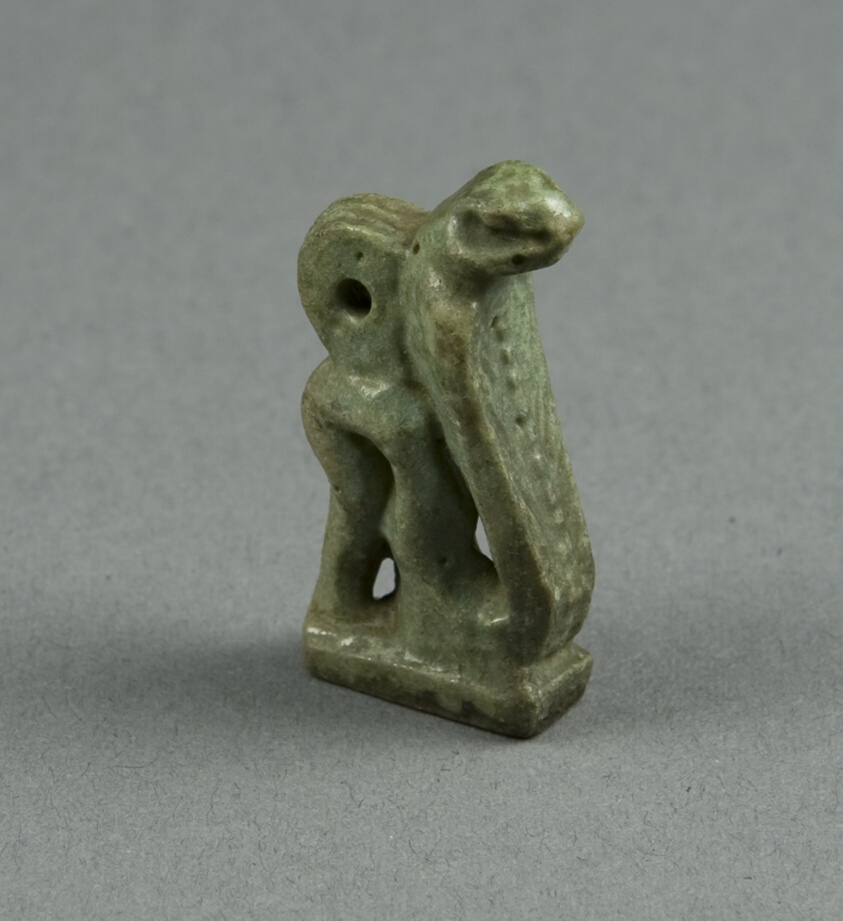
Amulet of a Uraeus (Cobra)
Art Institute of Chicago
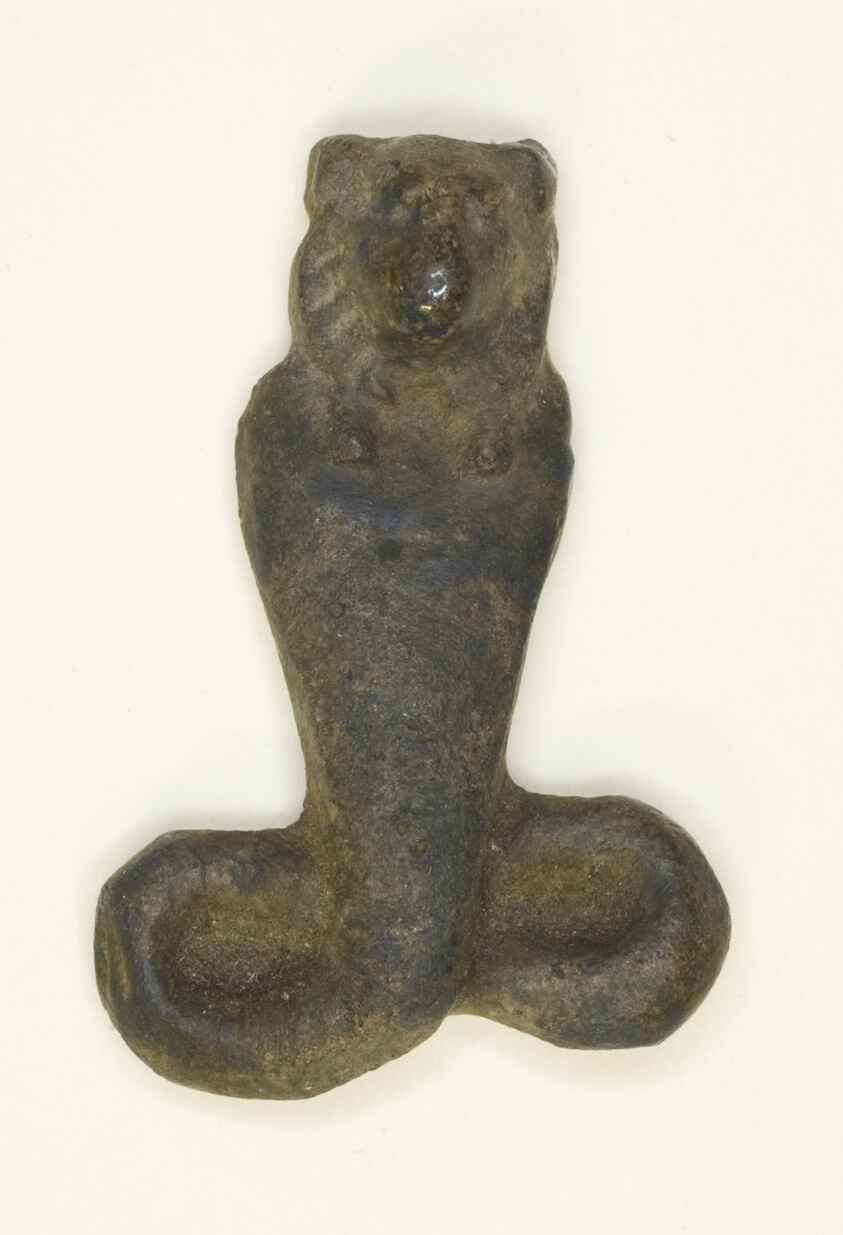
Amulet of a Lion-Headed Cobra
Art Institute of Chicago
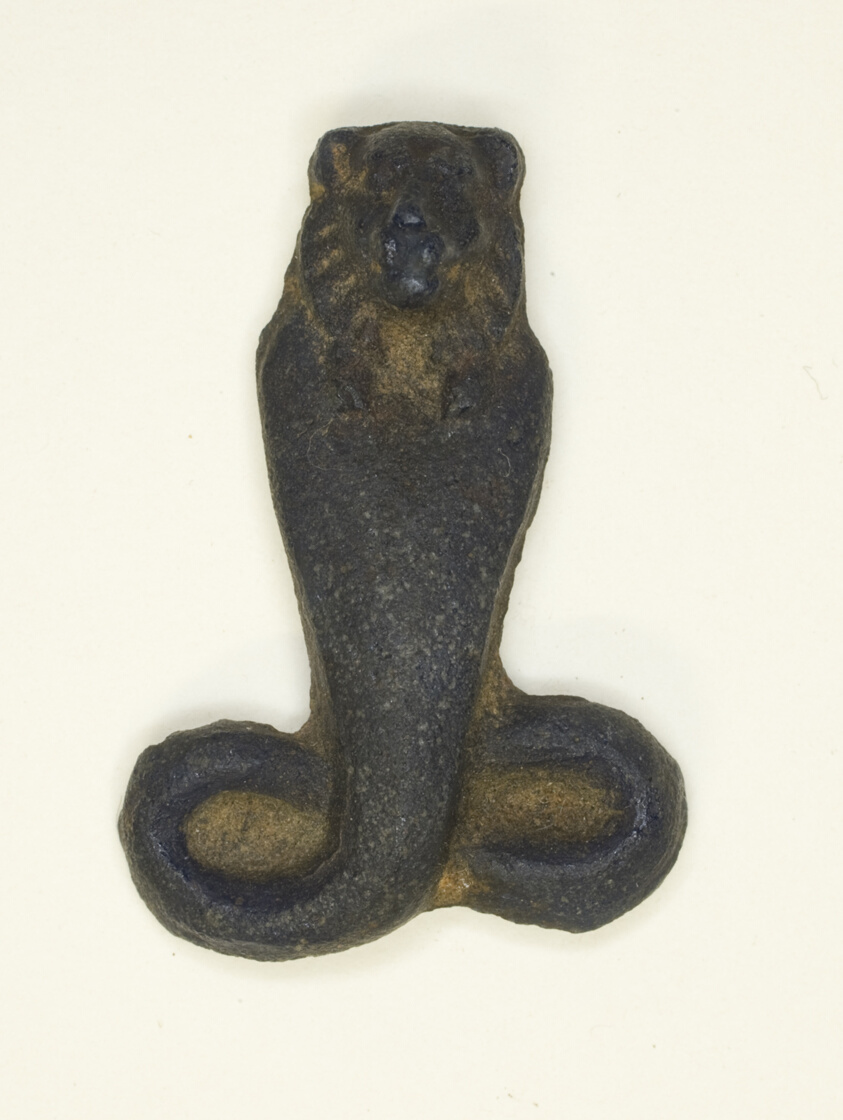
Amulet of a Lion-Headed Cobra
Art Institute of Chicago
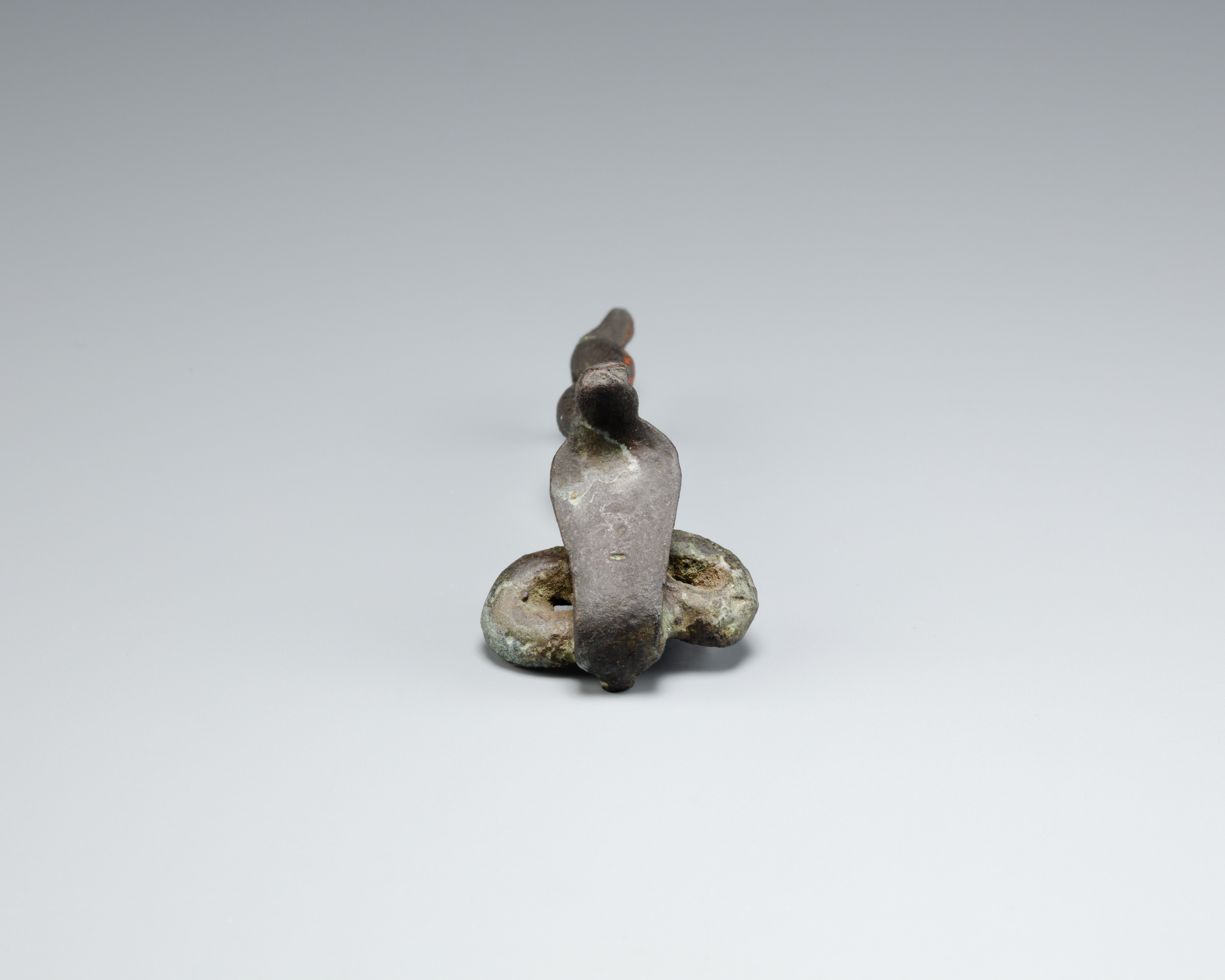
Uraeus
The Metropolitan Museum of Art
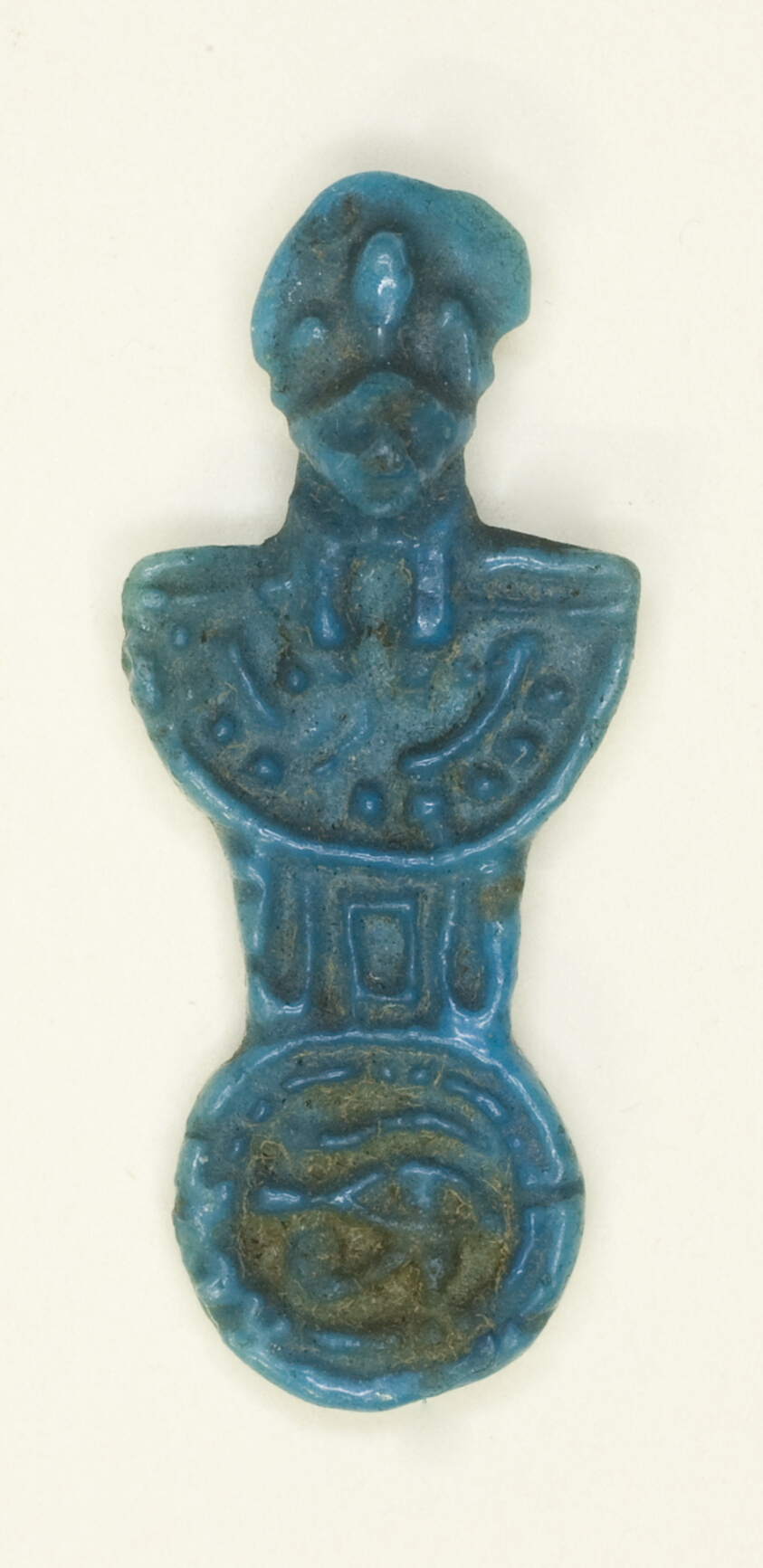
Amulet of a Menat Counterpoise with Lion-headed Goddess
Art Institute of Chicago
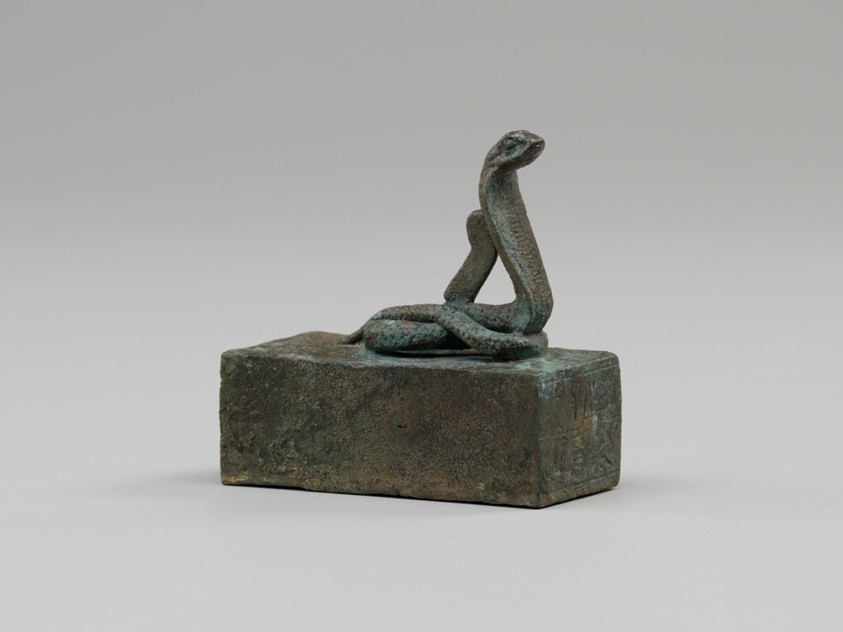
Box for a Mummified Animal with Cobra Figure
Art Institute of Chicago
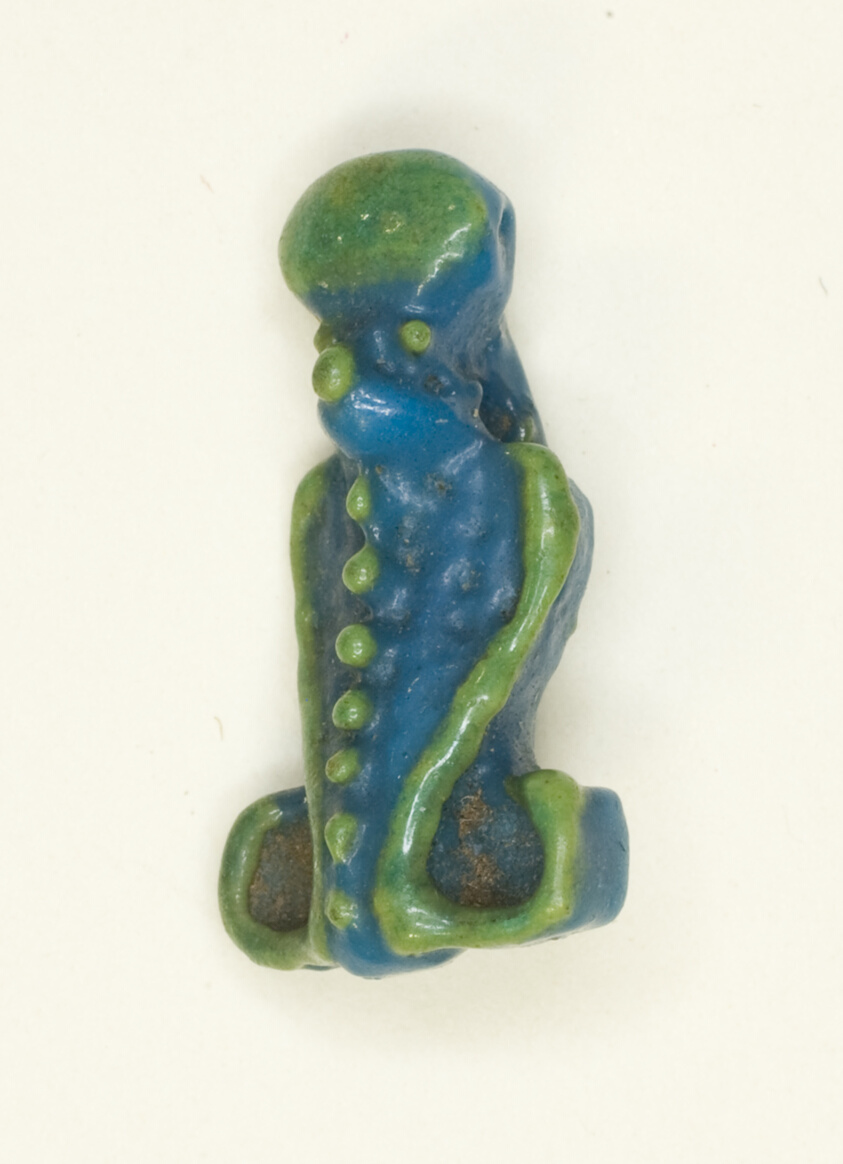
Amulet of a Uraeus with Sun Disk
Art Institute of Chicago
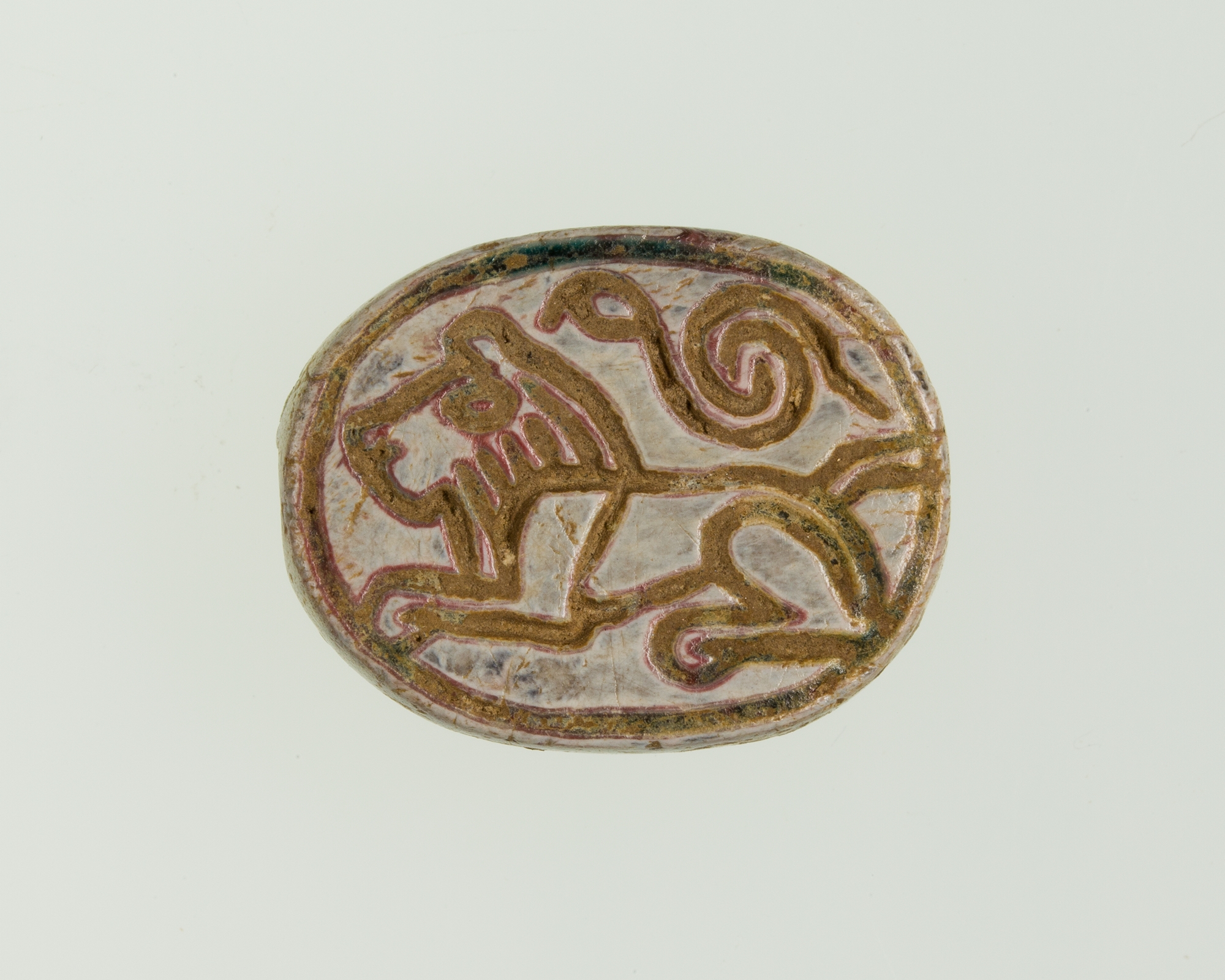
Scarab Base with Incised Lion and Cobra
The Metropolitan Museum of Art
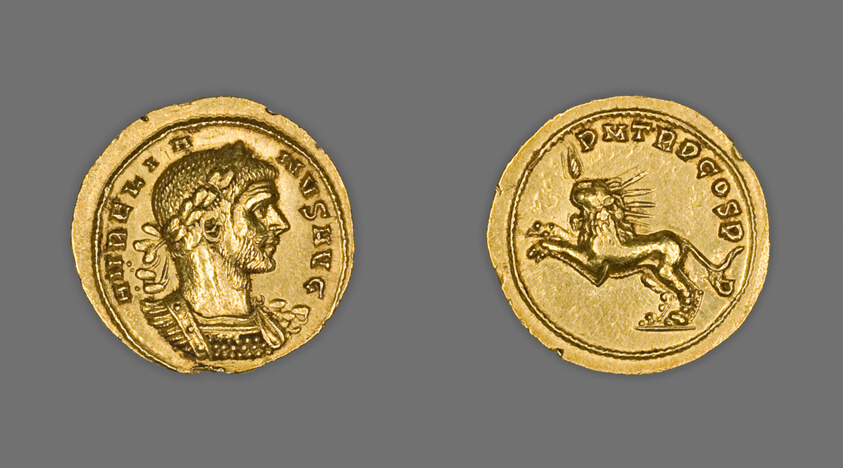
Aureus (Coin) Portraying Emperor Aurelian
Art Institute of Chicago
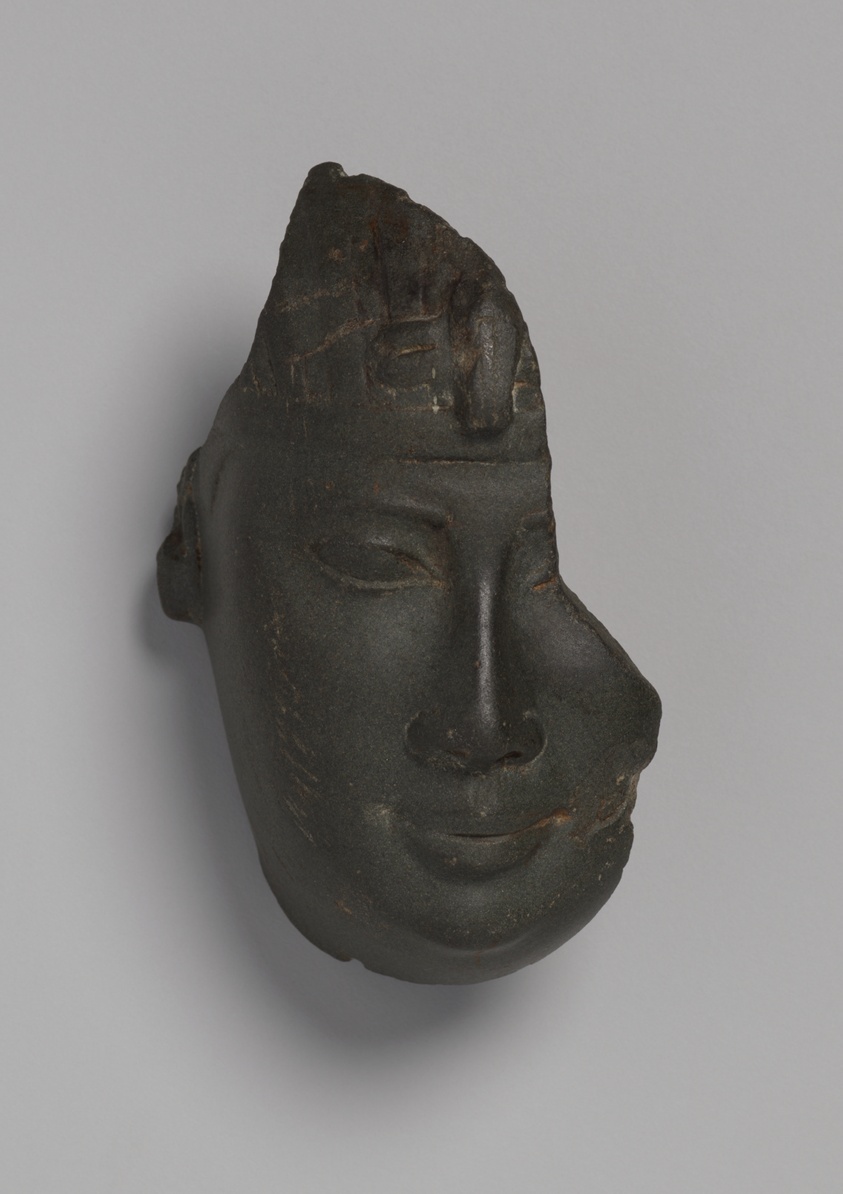
Fragment of a Head from a Statue of a King
Art Institute of Chicago
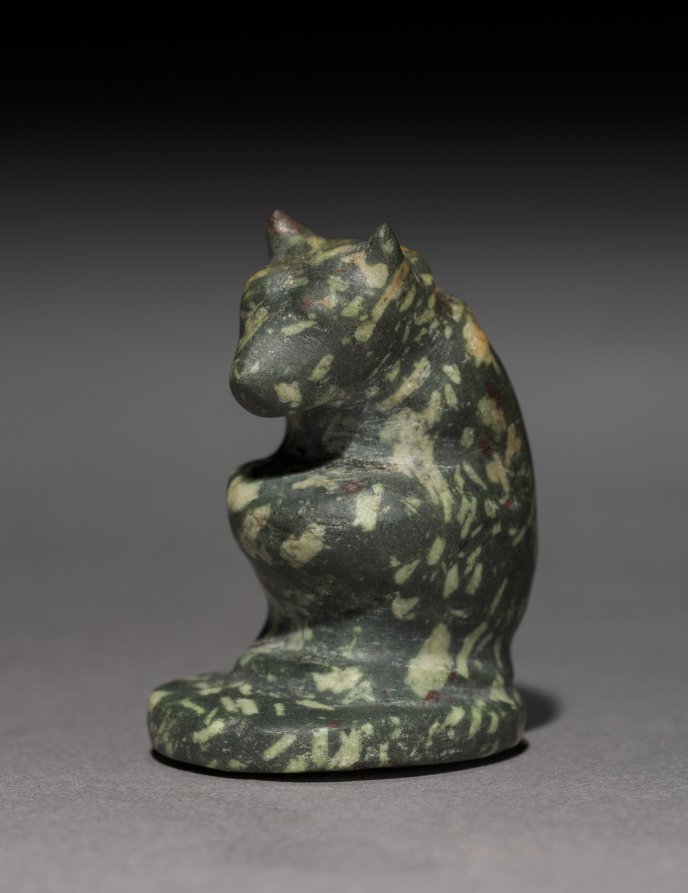
Amulet of a Crouching Bear
Cleveland Museum of Art
Statuette of Sobek
Art Institute of Chicago