Cleveland Museum of Art
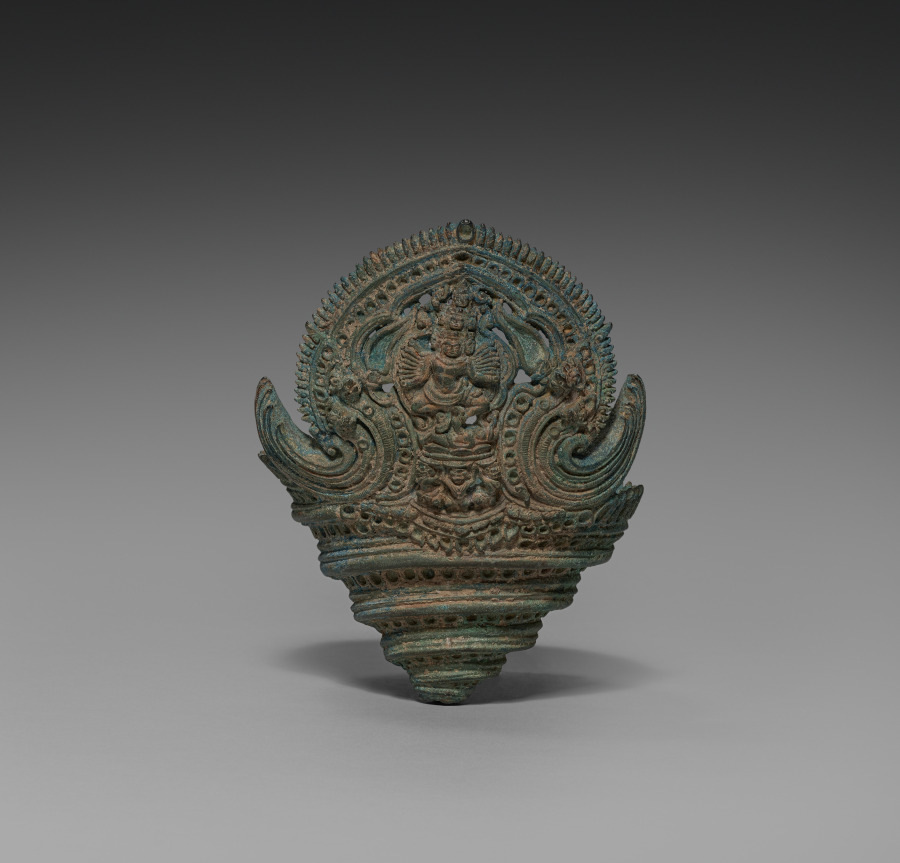
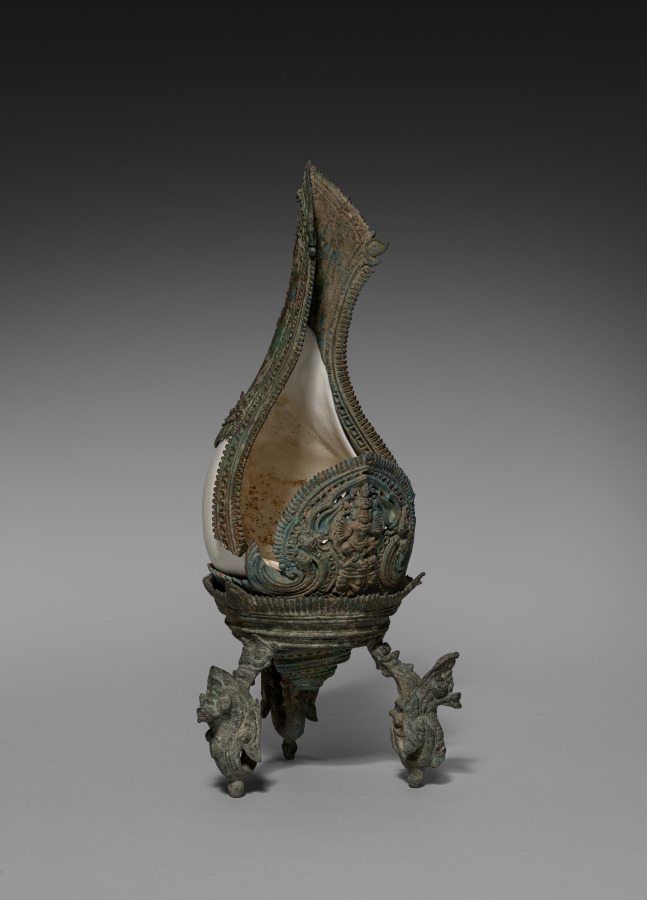
Ritual conch shell base with dancing Hevajra
- Date
- 1100s
- Medium
- shell and bronze
- Culture
- Cambodia, Khmer, Angkor Period, 12th-13th Century
- Department
- Indian and Southeast Asian Art
- Institution
- Cleveland Museum of Art
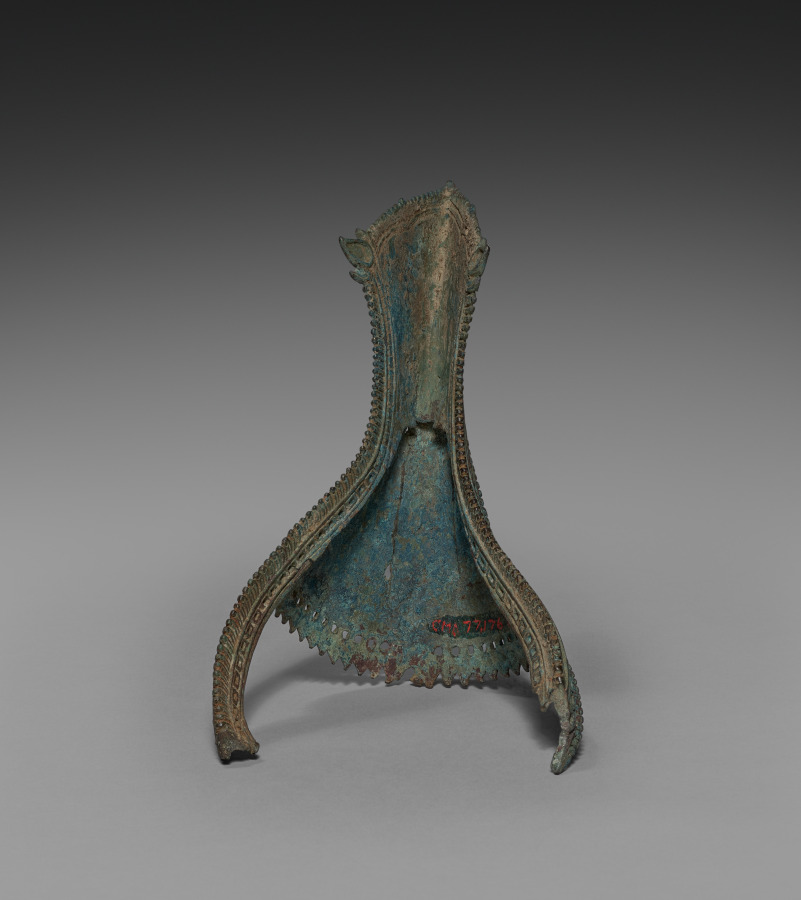
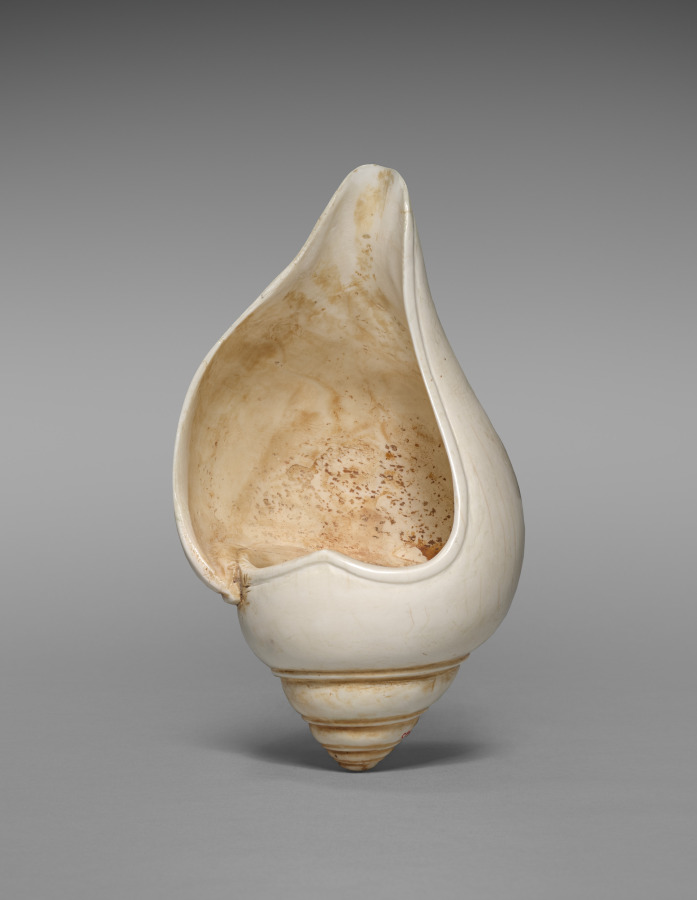
A royal temple like Banteay Chhmar was built for performing rituals and to honor images of gods, Buddhas, and other sacred or enlightened beings for the sake of the kingdom’s protection and ongoing prosperity. Conch shells were blown at the start of rituals to make the sound corresponding to the syllable om . The dancing figure of Hevajra, a Buddhist being of enlightenment with eight heads, sixteen arms, and four legs, has been worked into the bronze embellishment of the shell. Hevajra was elevated to a prominent position in Khmer Buddhism of the Angkorian period as the standard figure denoting the practice of rituals prescribed in a text called the Hevajra-tantra . The tripod stand with three serpents is probably not original to the shell.
The authoritative record is held by Cleveland Museum of Art. LinkedCulture surfaces this object and its connections; it does not alter institutional metadata.
Related across collections
Semantically similar works from Cleveland Museum of Art and other institutions.
Sheath for ritual conch shell
Cleveland Museum of Art
Ritual conch shell
Cleveland Museum of Art
Conch Shell with a Figure of Hevajra
Cleveland Museum of Art
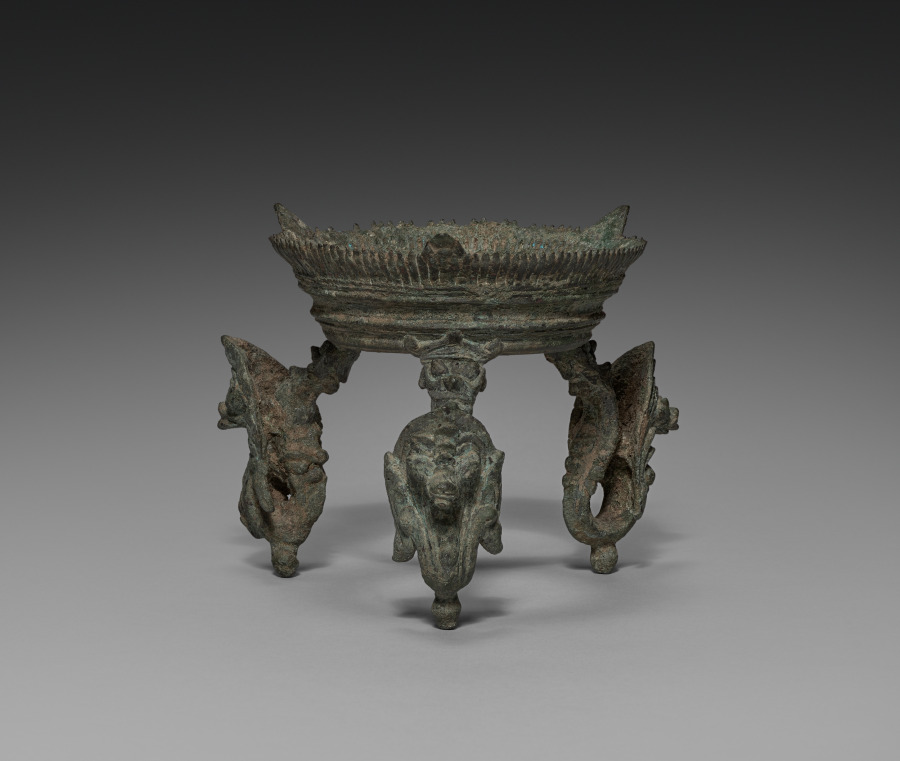
Tripod stand with nagas for a ritual conch shell
Cleveland Museum of Art

Buddhist ritual conch shell with a dancing Hevajra
Minneapolis Institute of Art
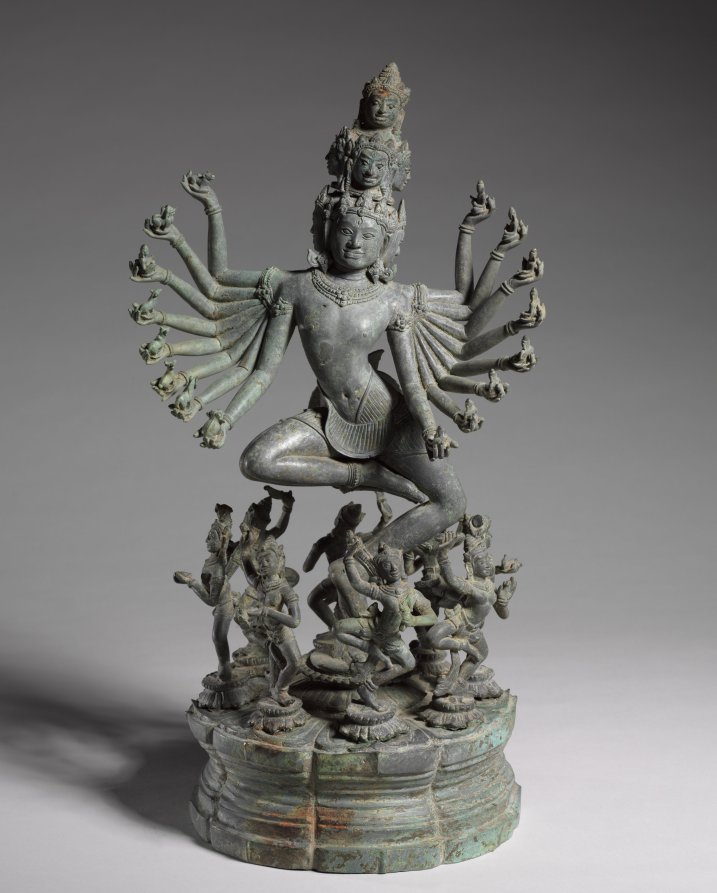
Hevajra
Cleveland Museum of Art
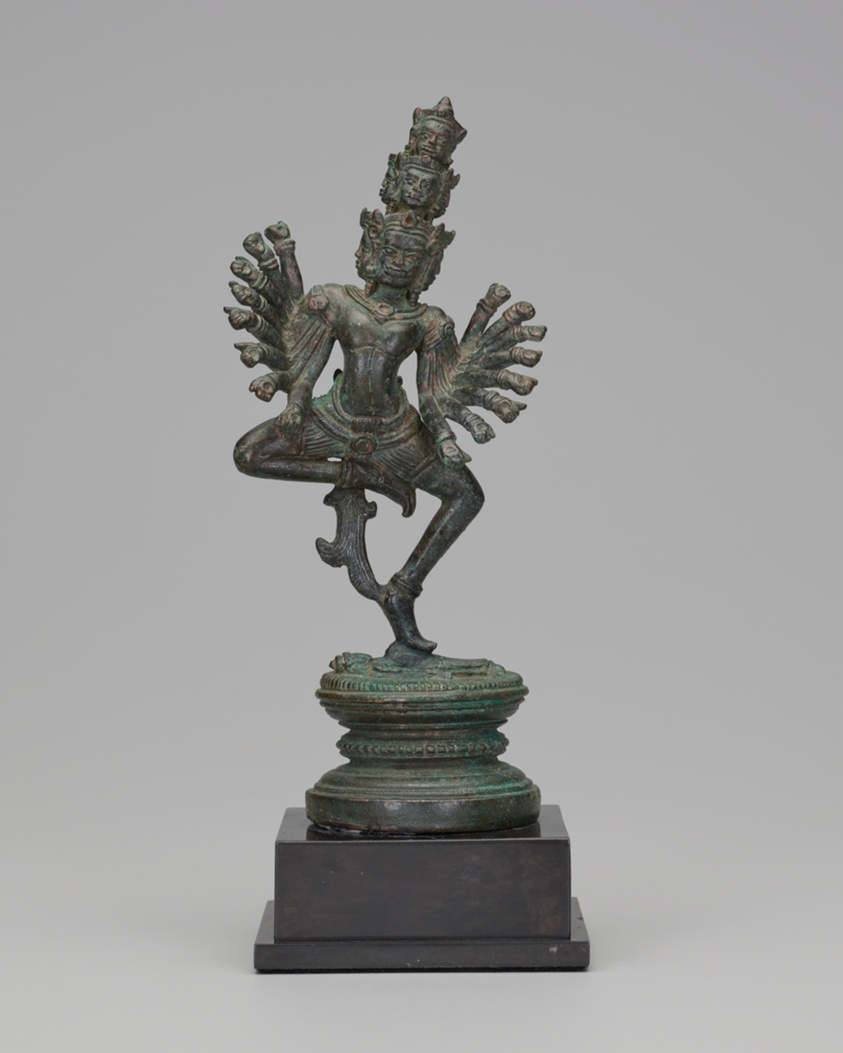
Dancing Hevajra (<em>Ardhaparyanka</em>)
Art Institute of Chicago
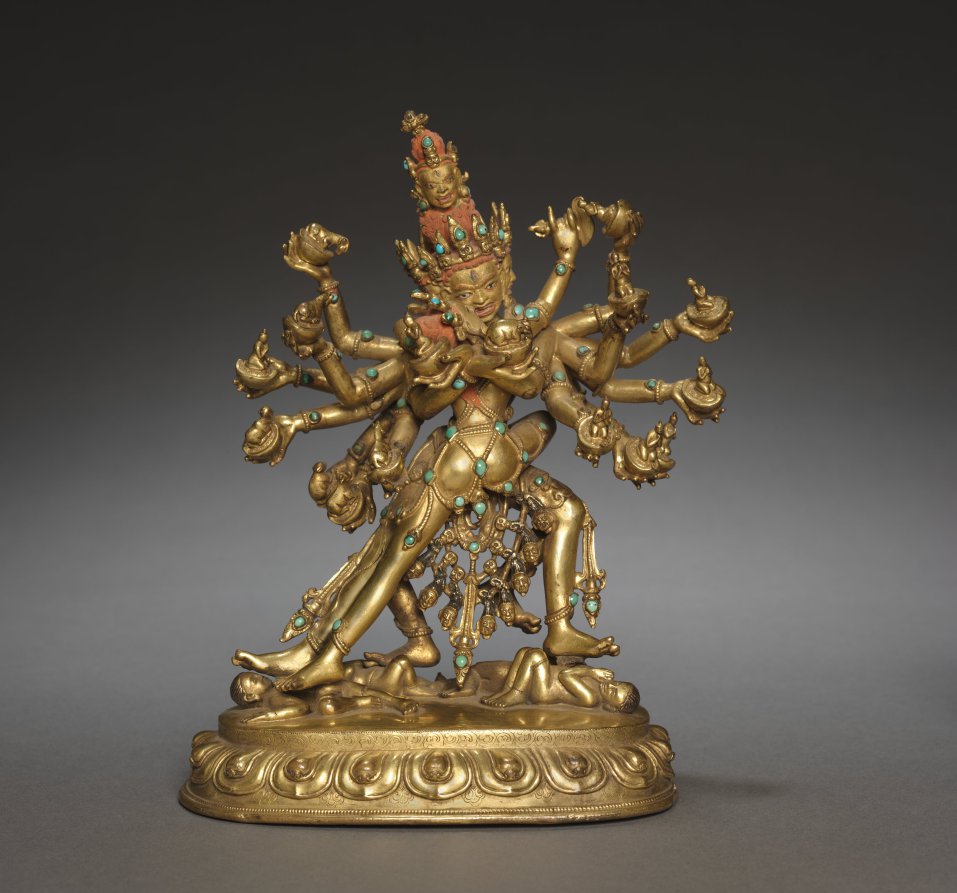
Hevajra and Consort
Cleveland Museum of Art
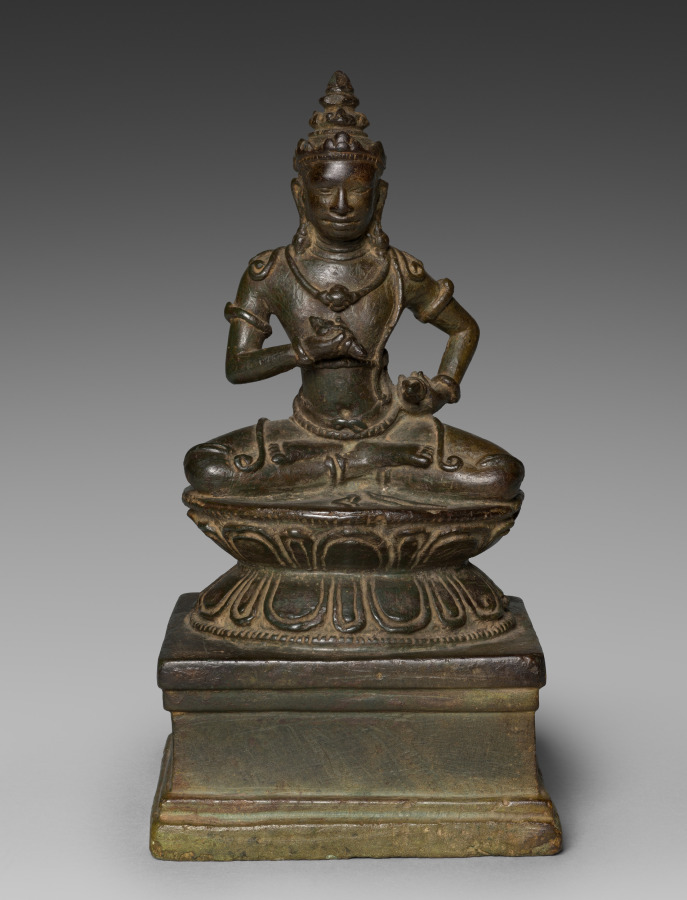
Vajrasattva
Cleveland Museum of Art
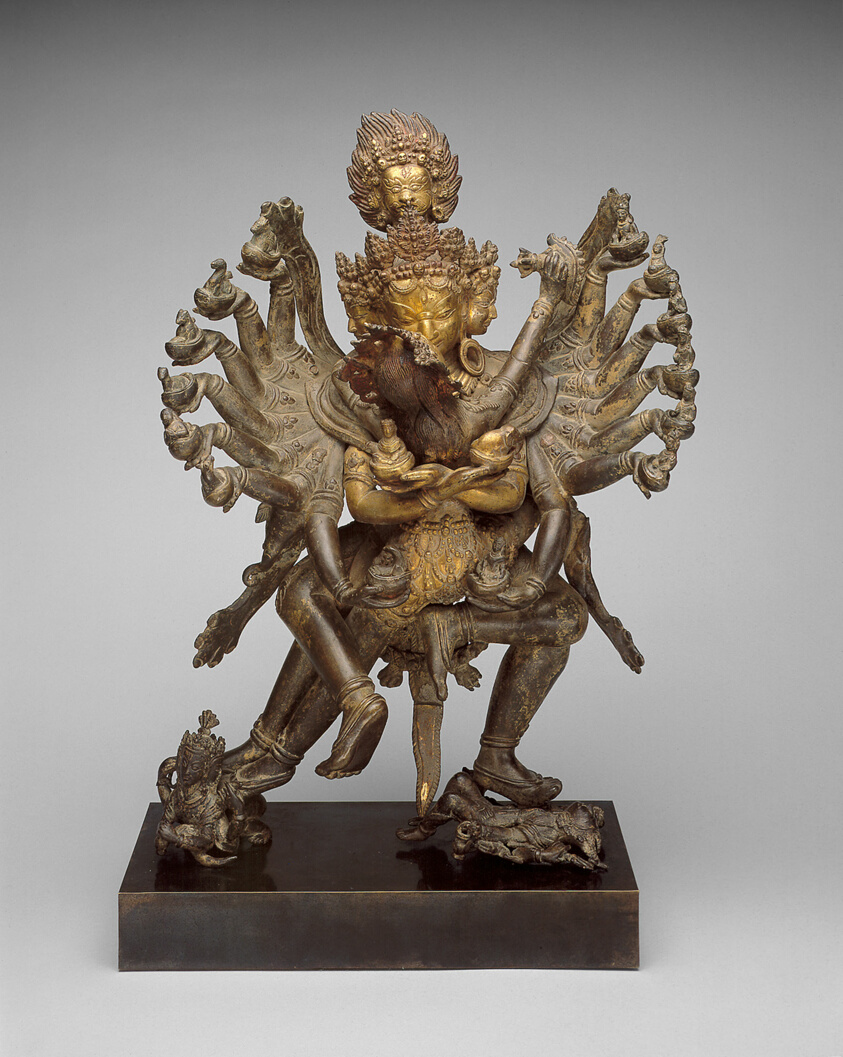
Tantric Deities Hevajra and Nairatmya in Ritual Embrace (Yab-Yum)
Art Institute of Chicago

Hevajra and Nairatmaya
Minneapolis Institute of Art
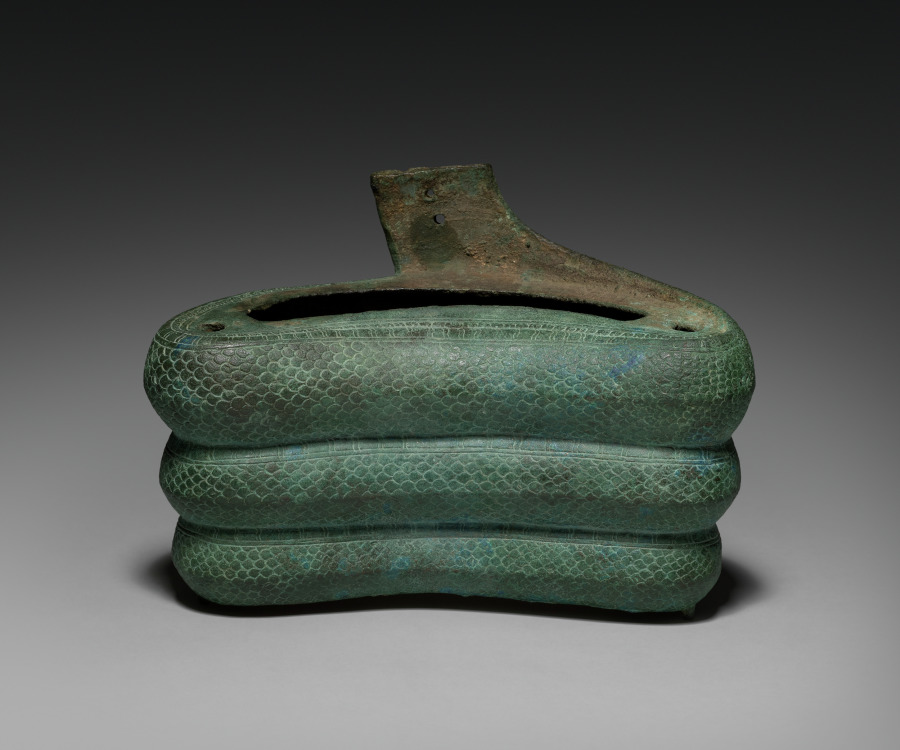
Naga-enthroned Buddha (base)
Cleveland Museum of Art