Cleveland Museum of Art
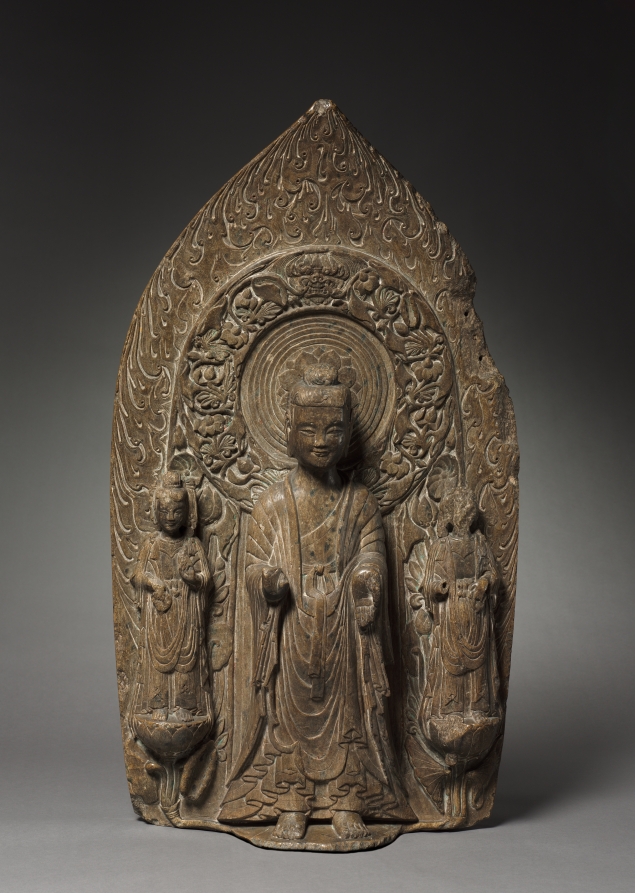
Stele with Sakyamuni and Bodhisattvas
- Date
- 537
- Medium
- limestone
- Culture
- China, Hebei province, Eastern Wei dynasty (534-550)
- Department
- Chinese Art
- Institution
- Cleveland Museum of Art
According to the inscription, this stele was commissioned in 537 by Yuan'ning, prince of the Gaoping branch of the imperial Wei family, in memory of his deceased consort, in the hope that it would bring her to the Western paradise. It was carved by one of the finest craftsmen in the Eastern Wei capital of Ye in Hebei province. Here, the Buddha's robe shows a careful arrangement of patterned drapery (large U-shaped folds and scallop-shaped folds at the hem), combining linear rhythms with an ordered symmetry. Soaring flames edge the mandorla (almond-shaped halo), echoing the linear eloquence of Chinese painting. Traces of polychrome paints remaining in the interstices of the carving, particularly on the foliate carving around Shakyamuni, suggest the stele was originally brightly colored.
The authoritative record is held by Cleveland Museum of Art. LinkedCulture surfaces this object and its connections; it does not alter institutional metadata.
Related across collections
Semantically similar works from Cleveland Museum of Art and other institutions.

Buddhist votive stele with Buddha and two Bodhisattvas
Minneapolis Institute of Art

Stele of Maitreya Buddha
Minneapolis Institute of Art
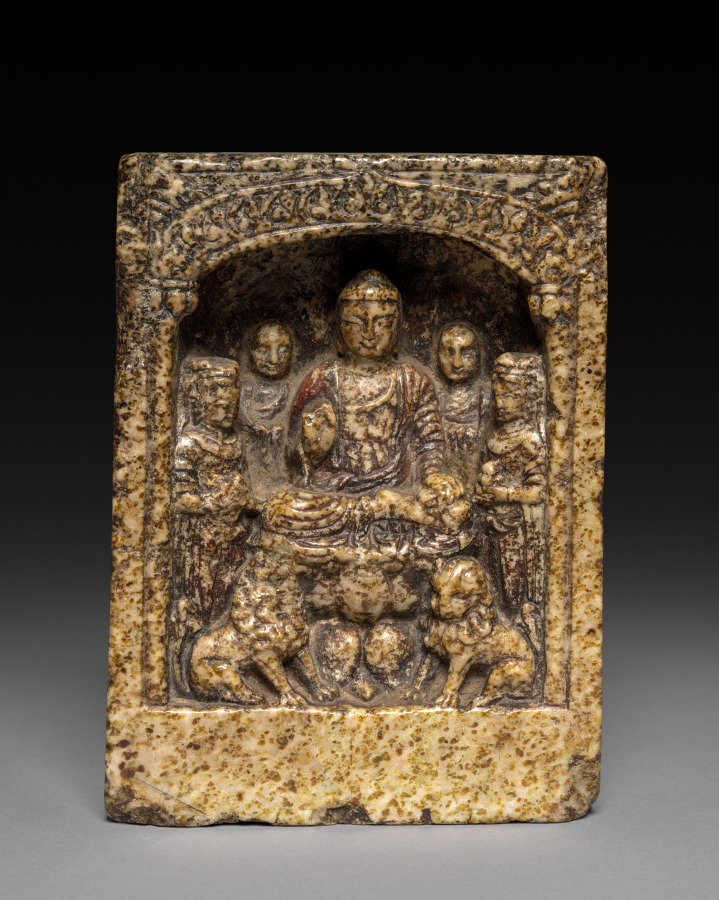
Sakyamuni Preaching: A Votive Stele
Cleveland Museum of Art
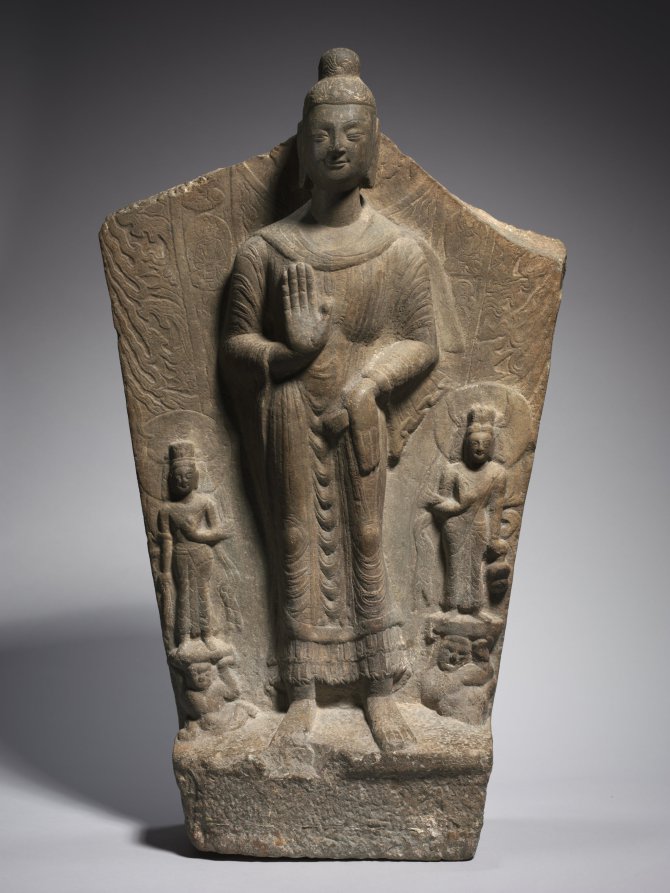
Stele with Maitreya and Attendants
Cleveland Museum of Art
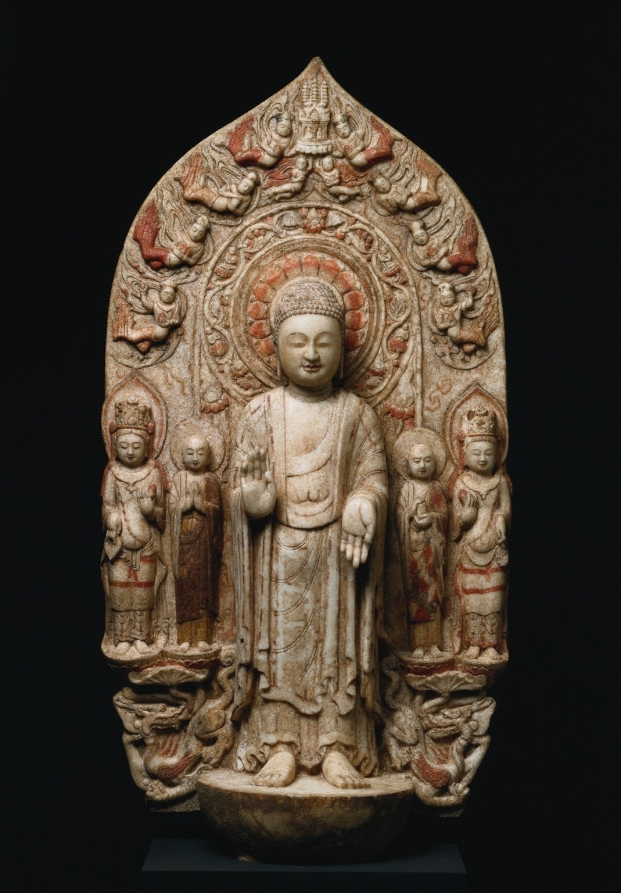
Stele with Shakyamuni and Maitreya
Cleveland Museum of Art

Votive stele
Minneapolis Institute of Art
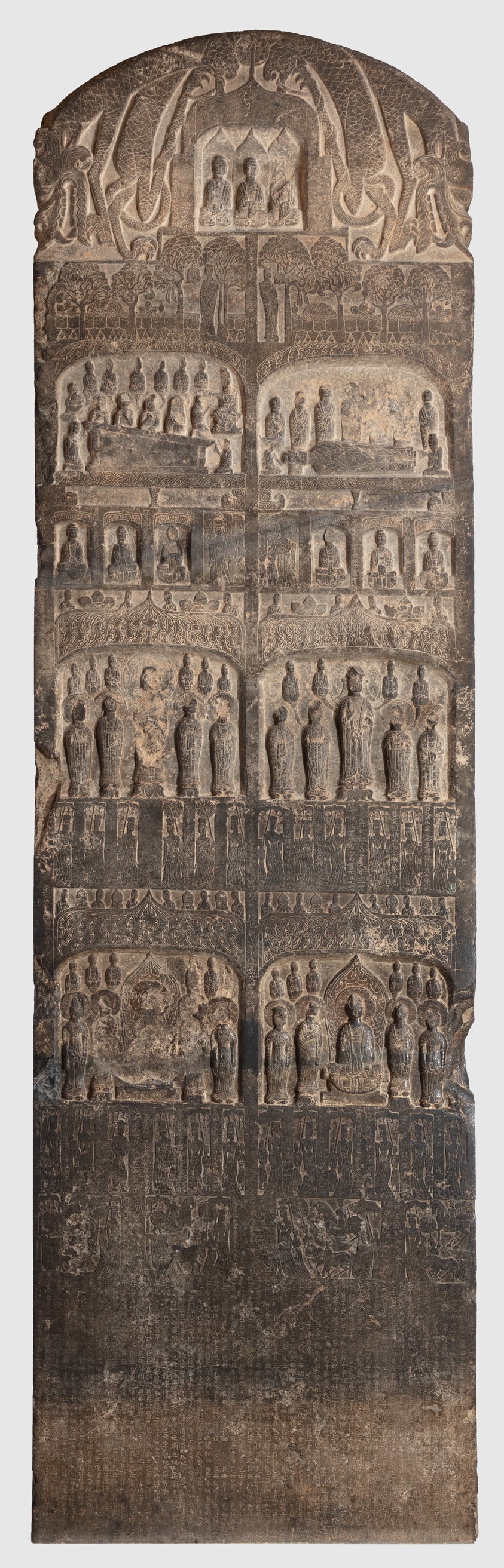
Buddhist Votive Stele
Art Institute of Chicago

Daoist Stele of Five Deities
Minneapolis Institute of Art
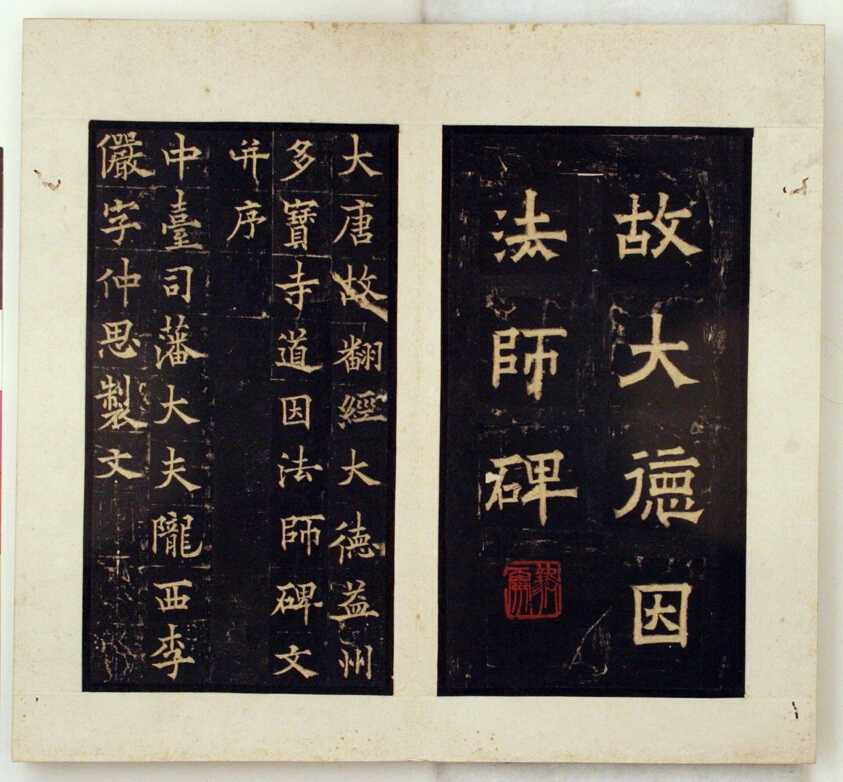
Memorial Stele for the Buddhist Master Daoyin (Ink Rubbings)
Art Institute of Chicago
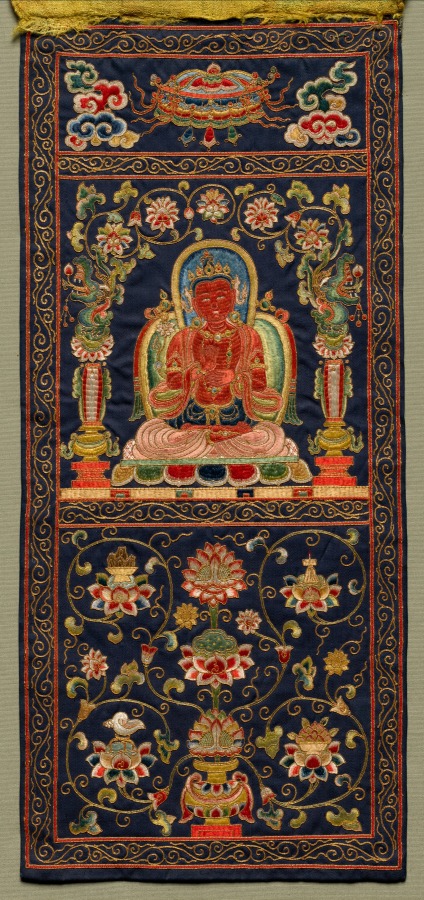
Thangka with the Seventh Bodhisattva
Cleveland Museum of Art

Shakyamuni Buddha, The Enlightened One
Minneapolis Institute of Art
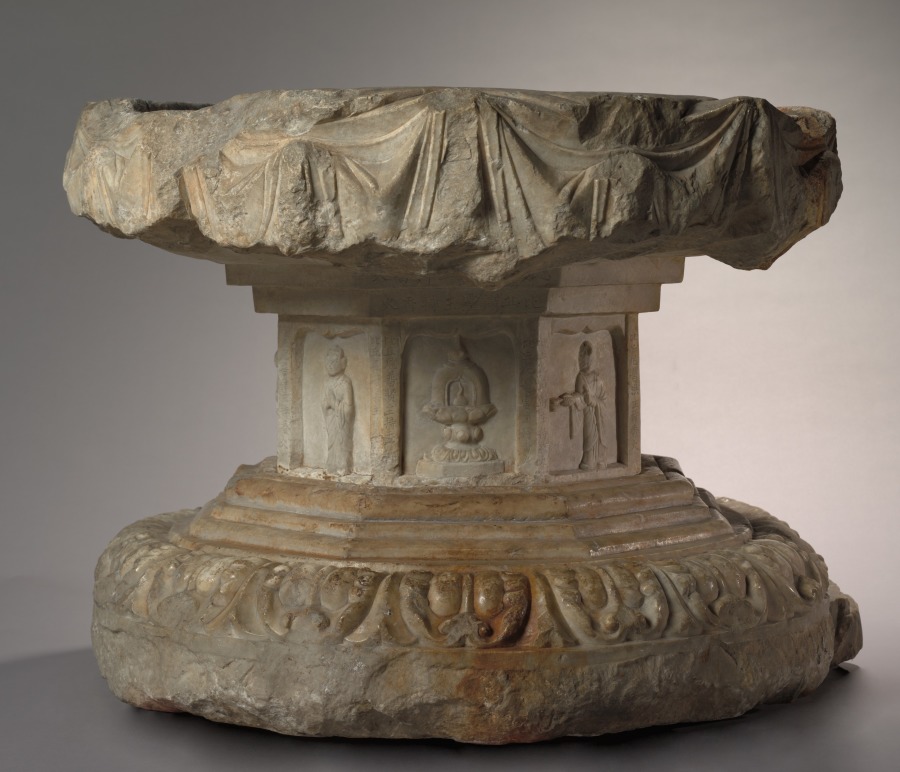
Fang Xuanling Pedestal
Cleveland Museum of Art