
Minneapolis Institute of Art
Votive stele
China
- Date
- 596
- Medium
- Bronze
- Department
- Asian Art
- Institution
- Minneapolis Institute of Art
The formative phase of Chinese Buddhist sculpture is well represented in small, portable votive bronze images such as this. The linear drapery folds and flame motifs of the mandorla (body halo) indicated by little more than incised lines suggest that artists may have worked from drawings or sketches carried back by pilgrims from holy sites in India. This Chinese penchant for combining linear calligraphic surface decoration with sculptural form began to change however in the sixth century toward a more fully, three-dimensional, sculptural style accentuating mass, volume, and naturalism over stylized lineation. Dated by inscription to 596, the stele features two standing Bodhisattvas wearing simple, monastic robes in front of a petal-shaped mandorla . The table-form pedestal bears a twenty-two-character inscription including a cyclical date, the name and title of the donor, and the person to whom the piece was dedicated. China, Asia
The authoritative record is held by Minneapolis Institute of Art. LinkedCulture surfaces this object and its connections; it does not alter institutional metadata.
Related across collections
Semantically similar works from Minneapolis Institute of Art and other institutions.
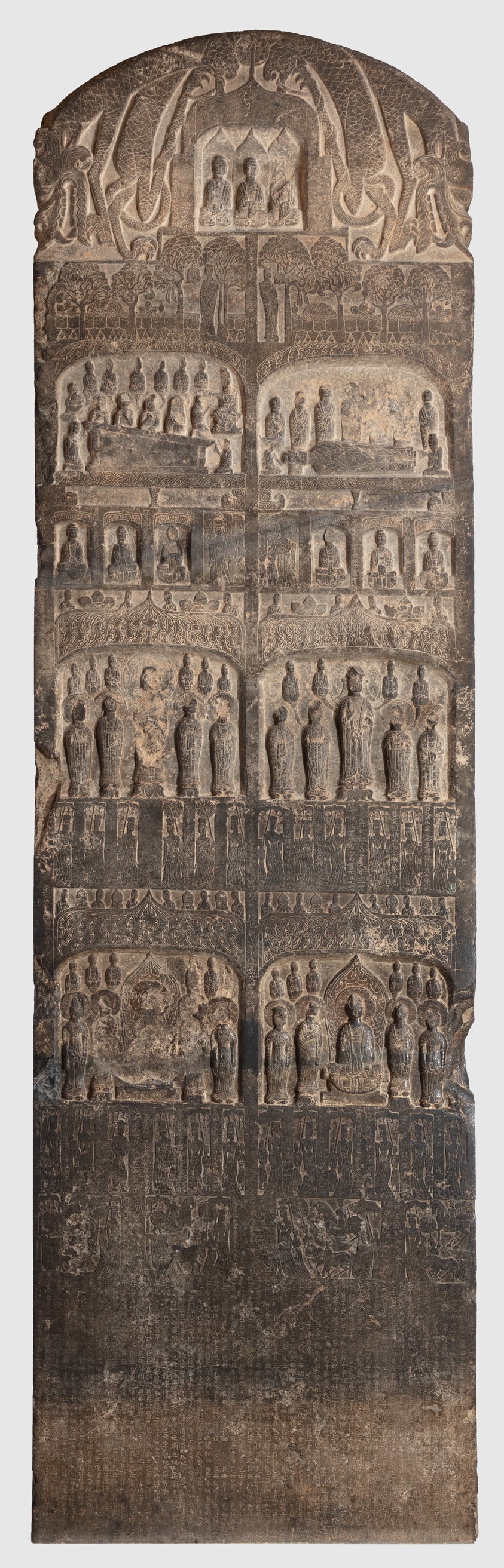
Buddhist Votive Stele
Art Institute of Chicago

Buddhist votive stele with Buddha and two Bodhisattvas
Minneapolis Institute of Art
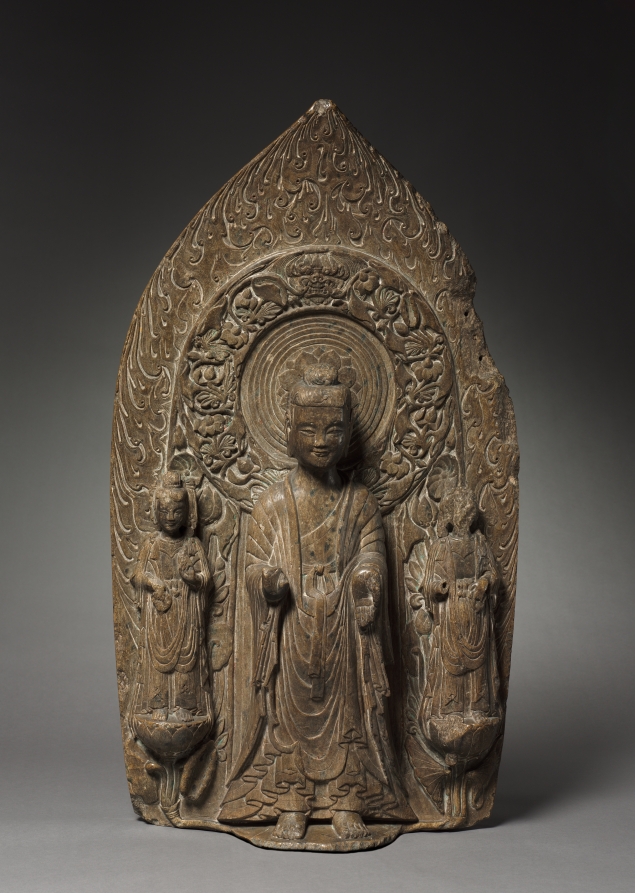
Stele with Sakyamuni and Bodhisattvas
Cleveland Museum of Art
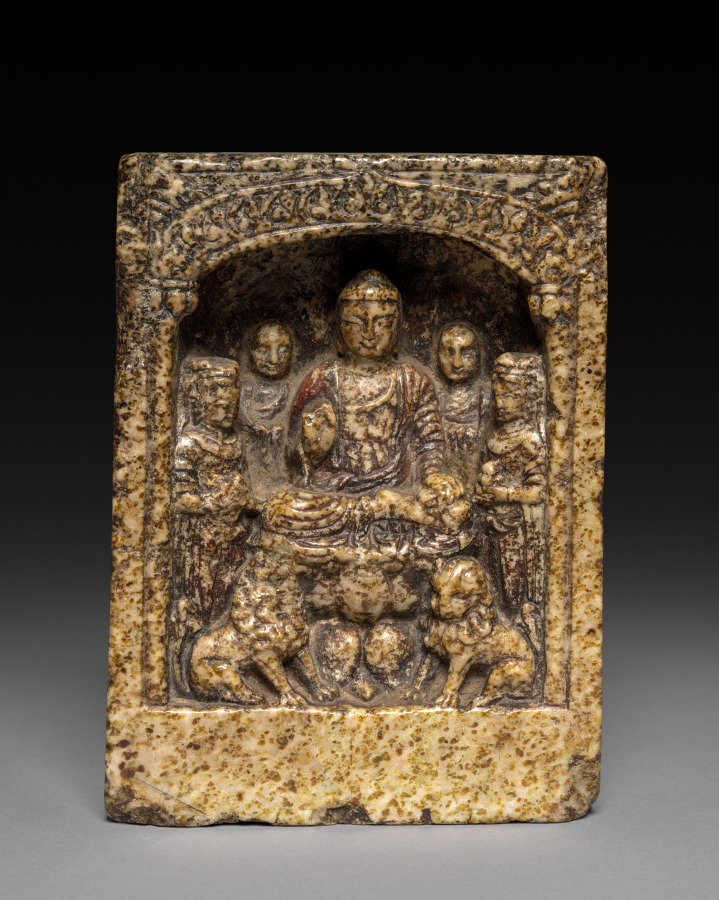
Sakyamuni Preaching: A Votive Stele
Cleveland Museum of Art

Daoist Stele of Five Deities
Minneapolis Institute of Art

Stele of Maitreya Buddha
Minneapolis Institute of Art
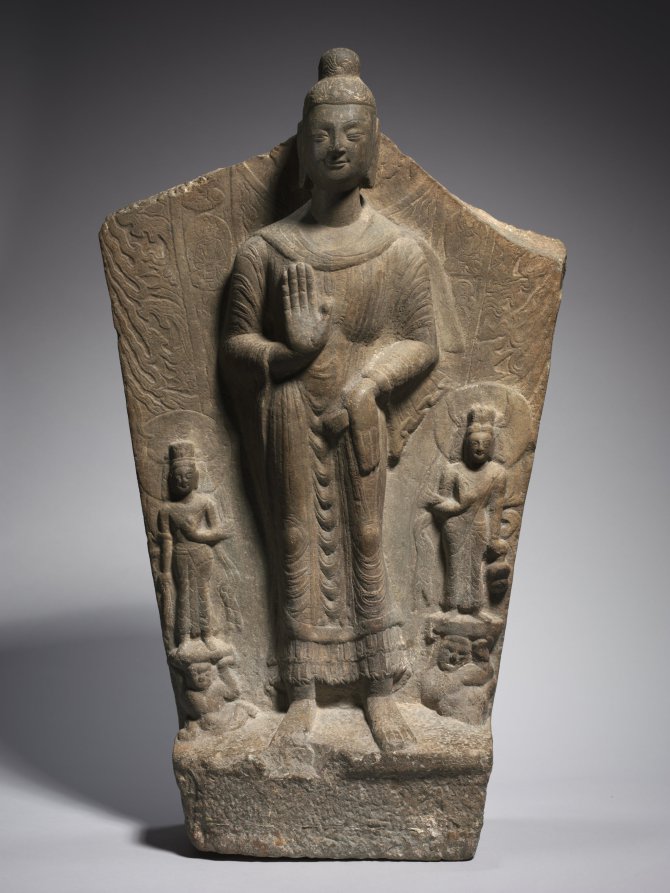
Stele with Maitreya and Attendants
Cleveland Museum of Art
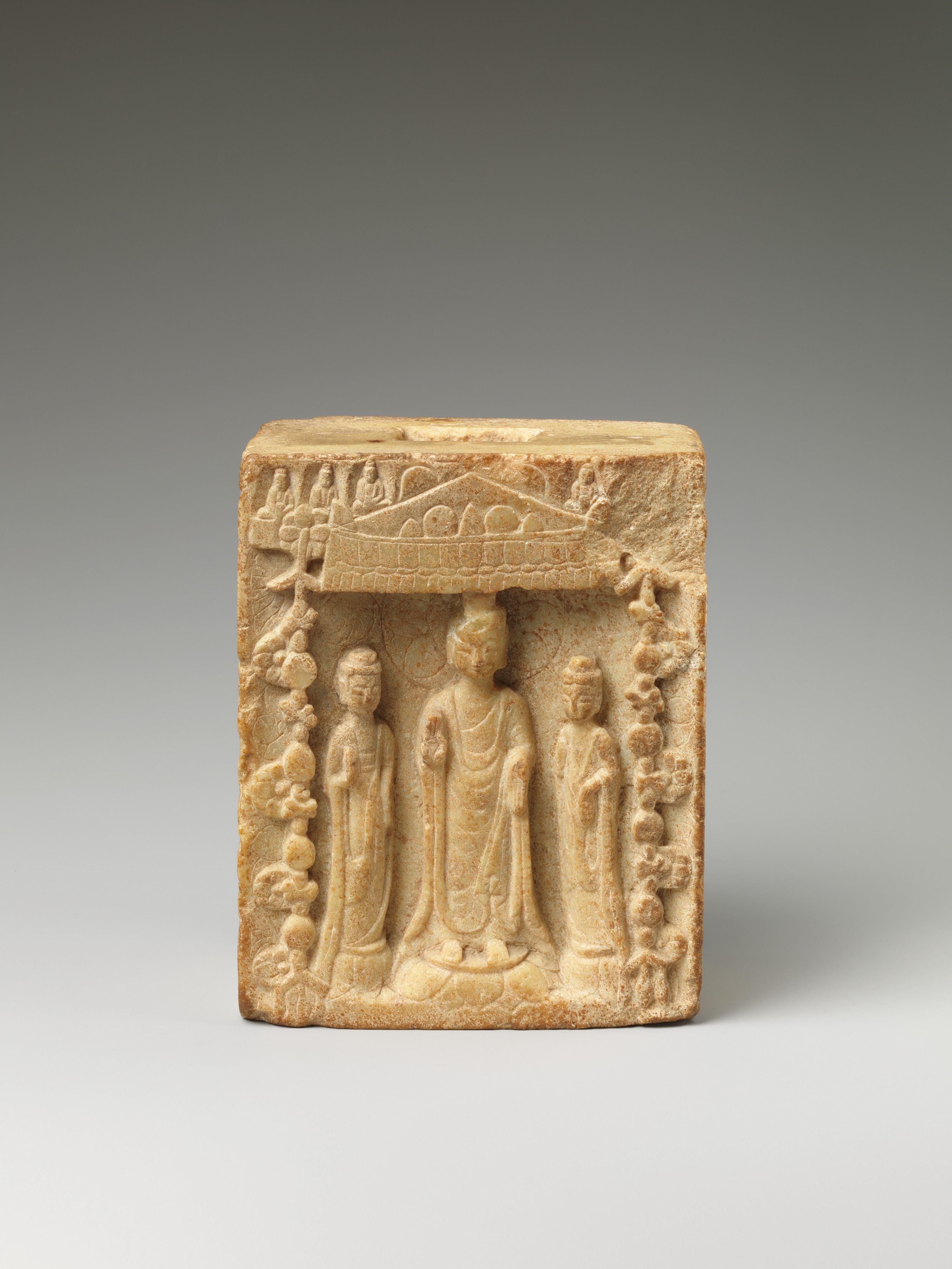
Section of a Pagoda-Shaped Stele
The Metropolitan Museum of Art
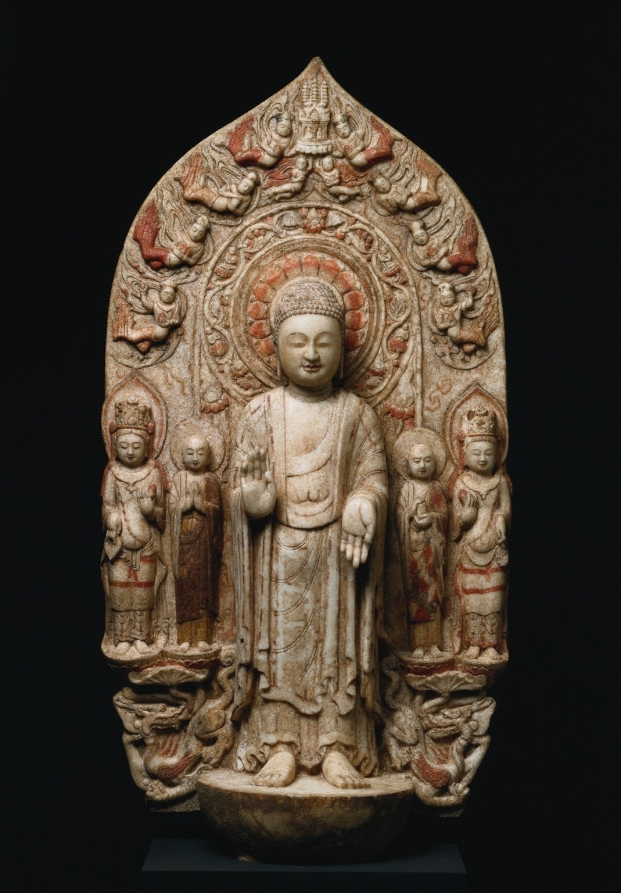
Stele with Shakyamuni and Maitreya
Cleveland Museum of Art
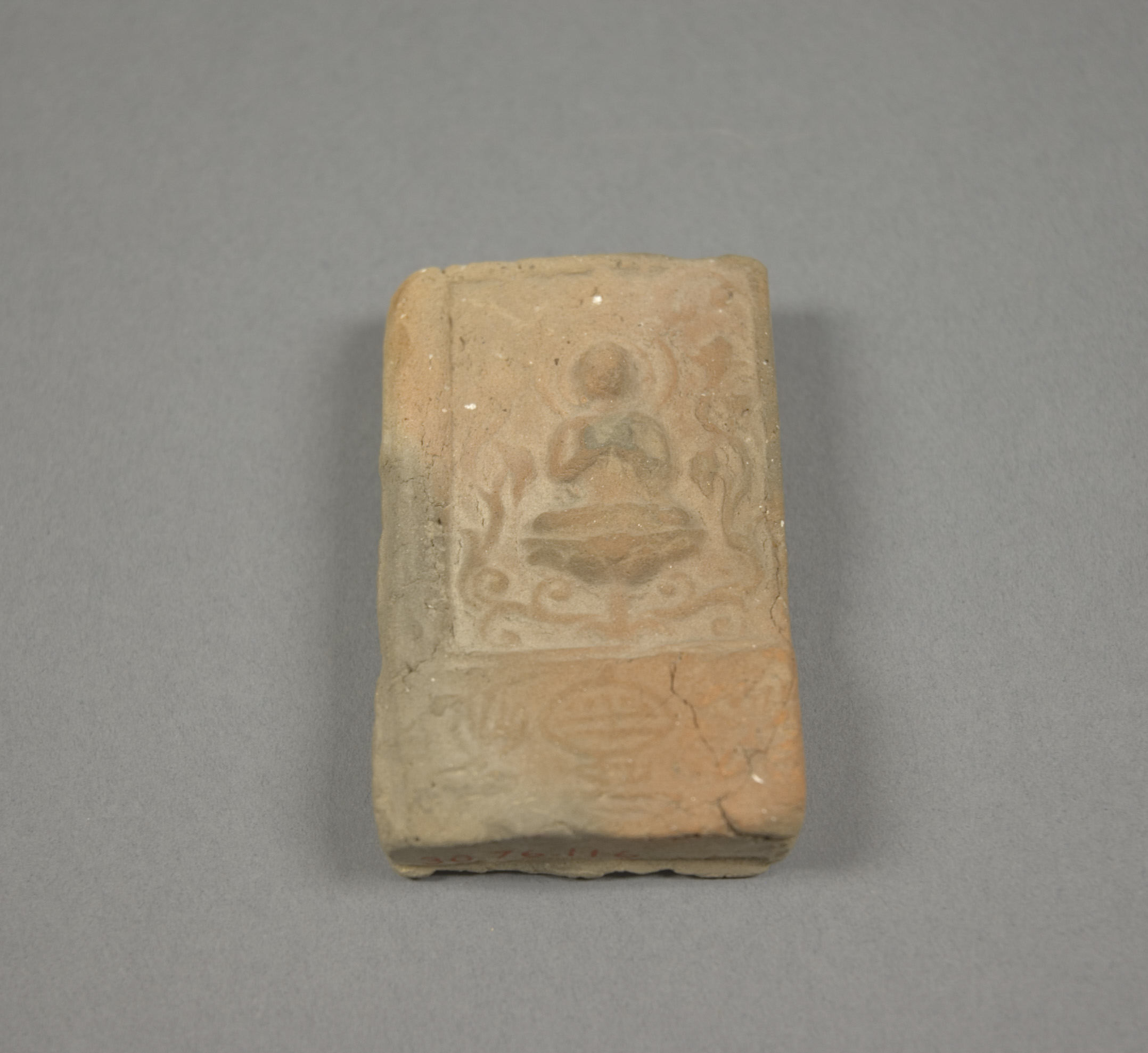
Votive Tablet
The Metropolitan Museum of Art
Small Votive Image Representing Laozi Seated at a Curved, Three-Legged Writing Desk, with Attached Flaming Halo and Stand
Harvard Art Museums
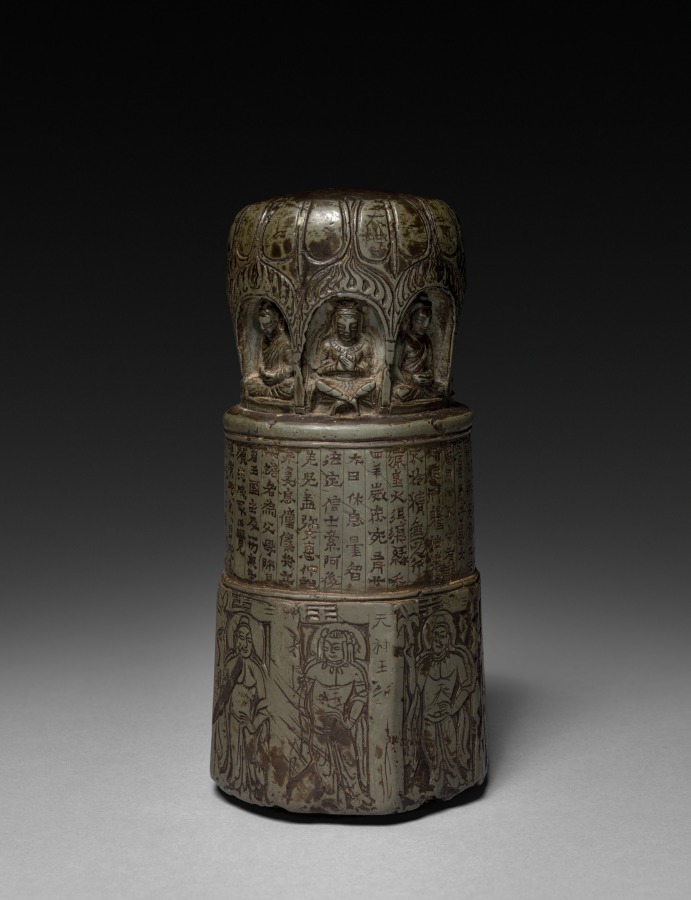
Miniature Votive Stupa
Cleveland Museum of Art