Cleveland Museum of Art
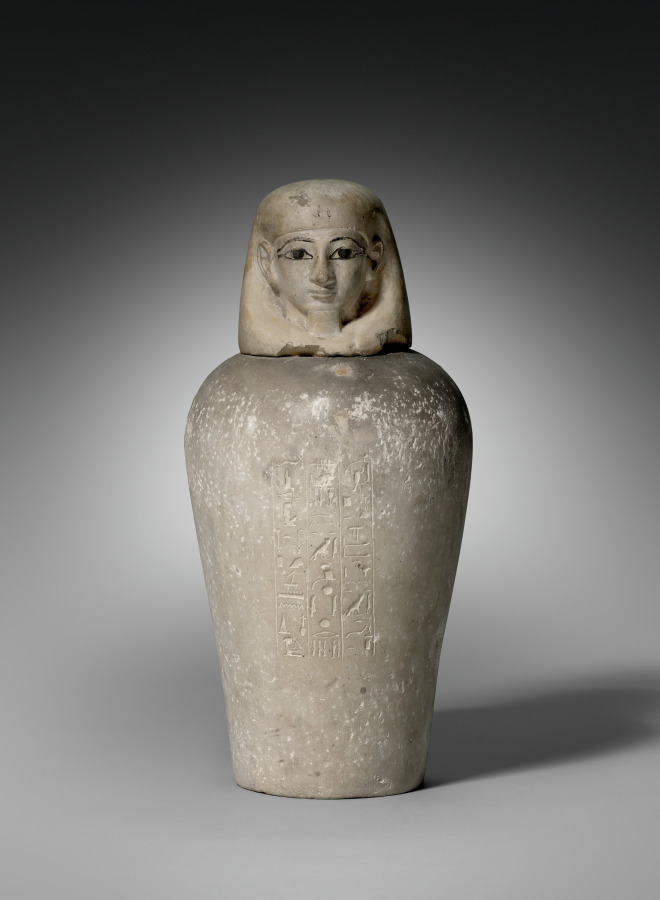
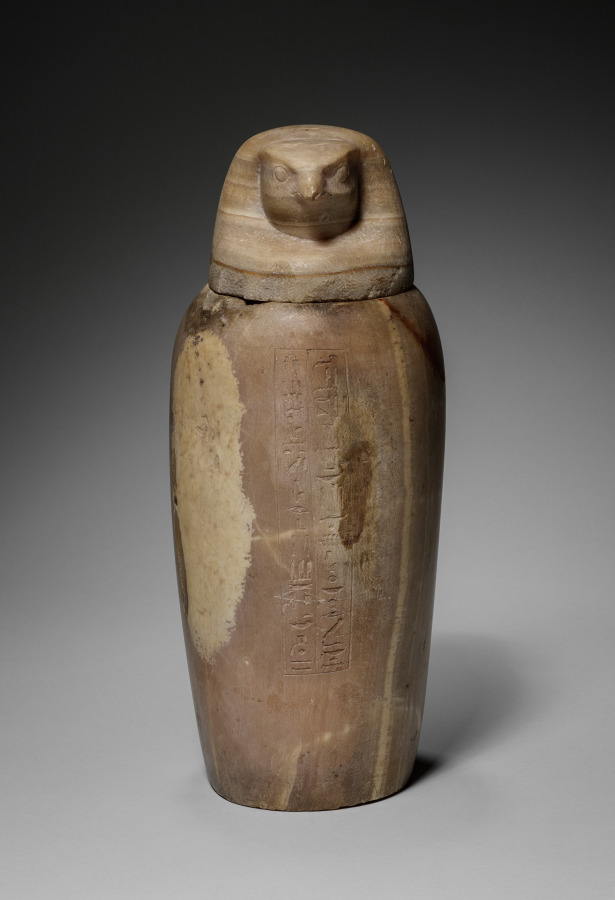
Canopic Jar with Lid
- Date
- 1540–1296 BCE
- Medium
- limestone
- Culture
- Egypt, New Kingdom (1540–1069 BCE), Dynasty 18
- Department
- Egyptian and Ancient Near Eastern Art
- Institution
- Cleveland Museum of Art
Embellished tulle strips delicately wrap around the length of the Dior gown like linen covering a mummified body. As European artists in the 1800s who journeyed to Egypt drew what they saw, for the Dior collection he designed, John Galliano sketched his experiences in Egypt to develop this theatrical collection, merging additional inspirations of medical bandages and fetish fashion. In ancient Egypt, mummification was the most sacred practice performed. Rituals, such as removing organs and placing them in canopic jars, like the one here, and wrapping bodies and putting them in coffins, helped ensure the deceased’s safe passage into the afterlife. Canopic jars are named after the Greek sailor Canopus, who was said to be buried at Canopus (Abuqir) in the western Nile delta and worshipped there in the form of a human-headed jar that was actually a form of Osiris and had nothing to do with internal organs. But the term has stuck.
The authoritative record is held by Cleveland Museum of Art. LinkedCulture surfaces this object and its connections; it does not alter institutional metadata.
Related across collections
Semantically similar works from Cleveland Museum of Art and other institutions.
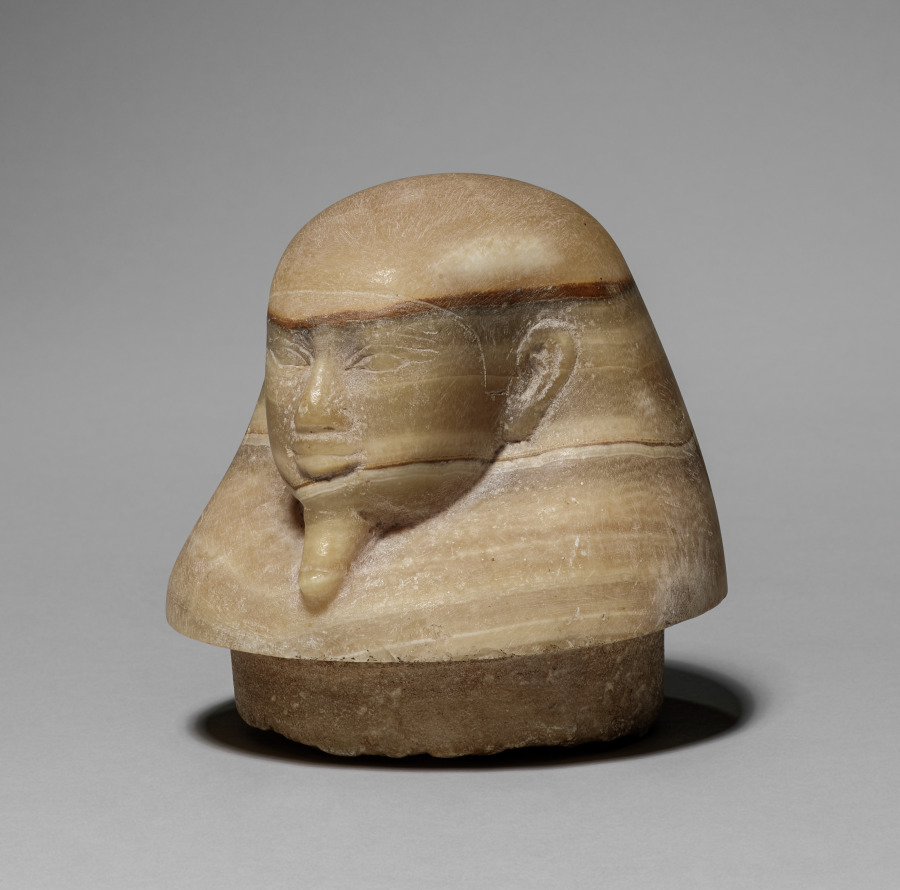
Canopic Jar with Man's Head (lid)
Cleveland Museum of Art
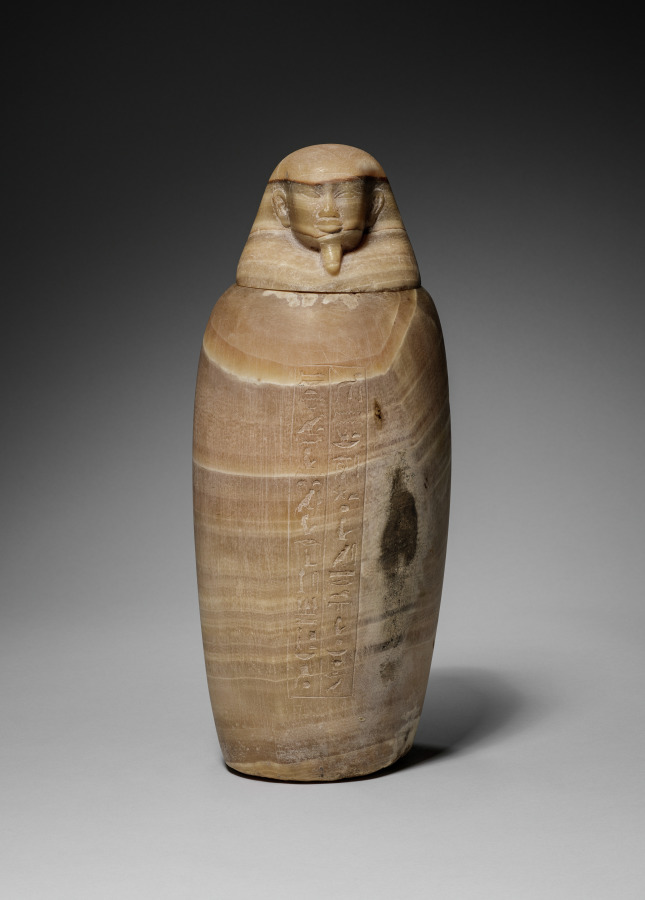
Canopic Jar with Man's Head
Cleveland Museum of Art
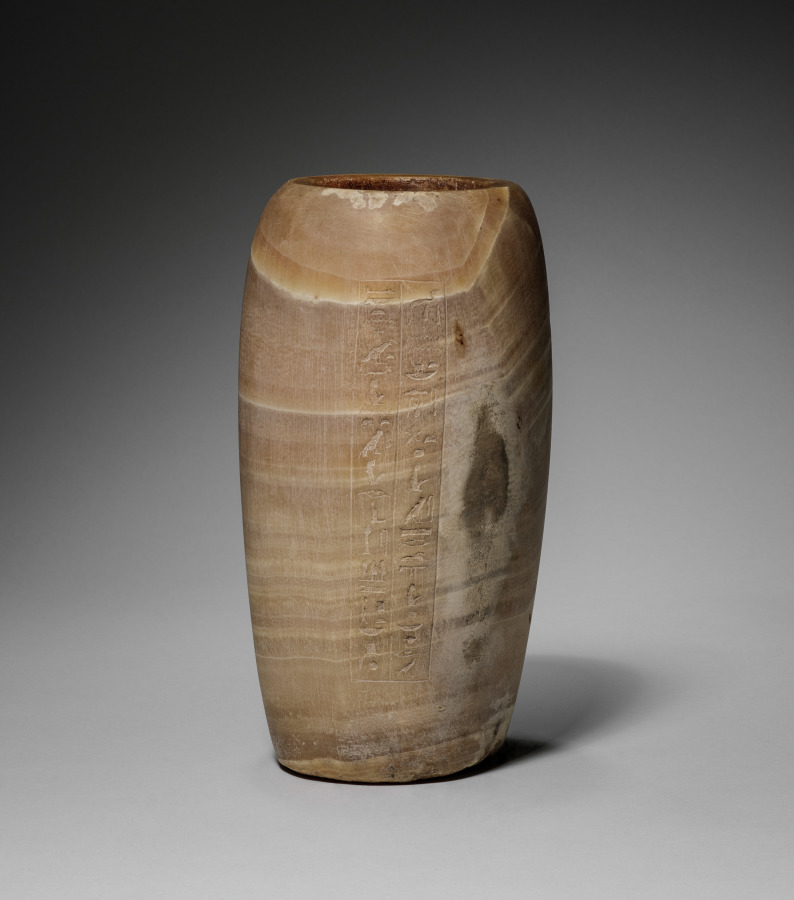
Canopic Jar with Man's Head
Cleveland Museum of Art
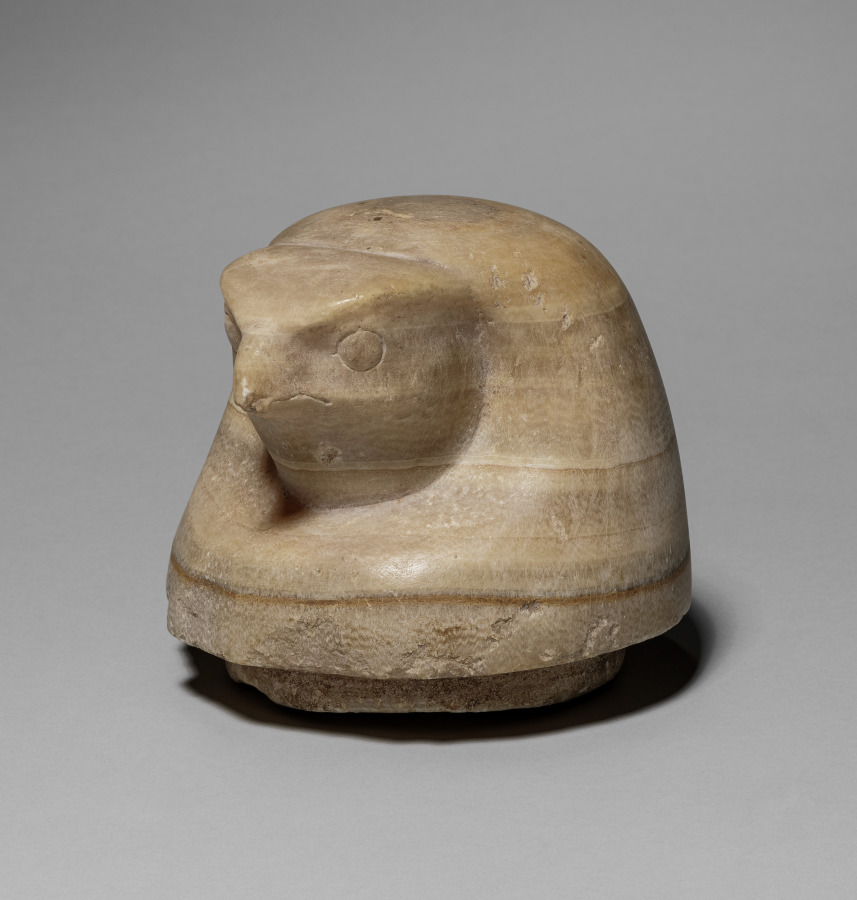
Canopic Jar with Falcon's Head (lid)
Cleveland Museum of Art
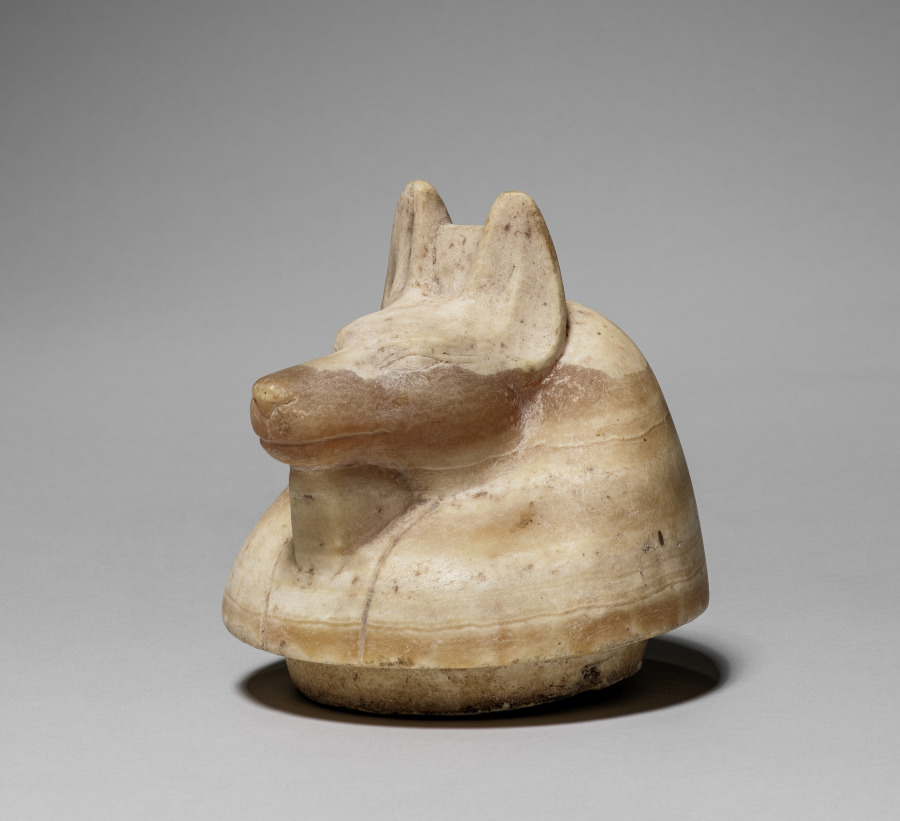
Canopic Jar with Jackal's Head (lid)
Cleveland Museum of Art
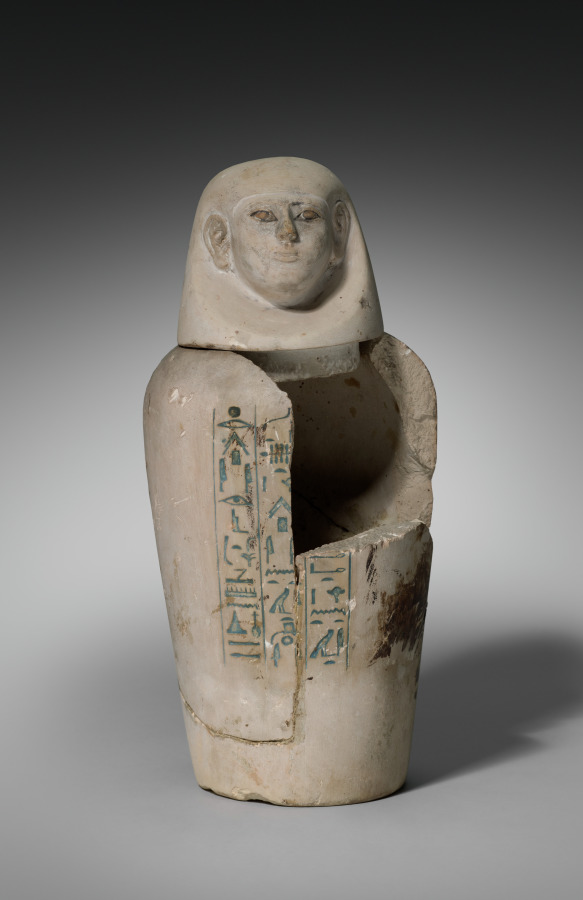
Canopic Jar with Lid
Cleveland Museum of Art
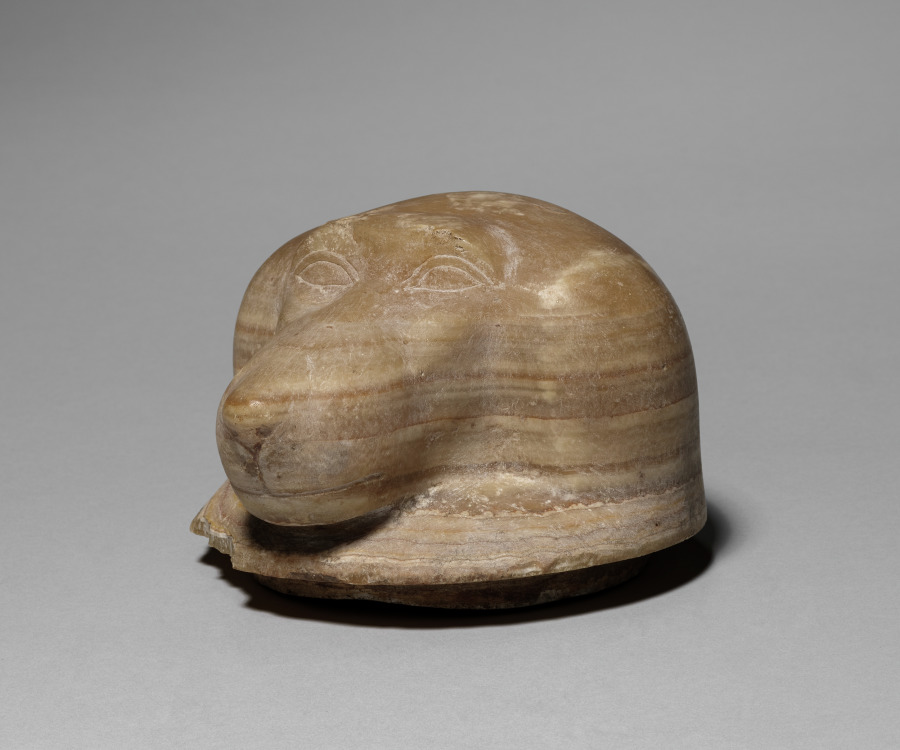
Canopic Jar with Baboon's Head (lid)
Cleveland Museum of Art
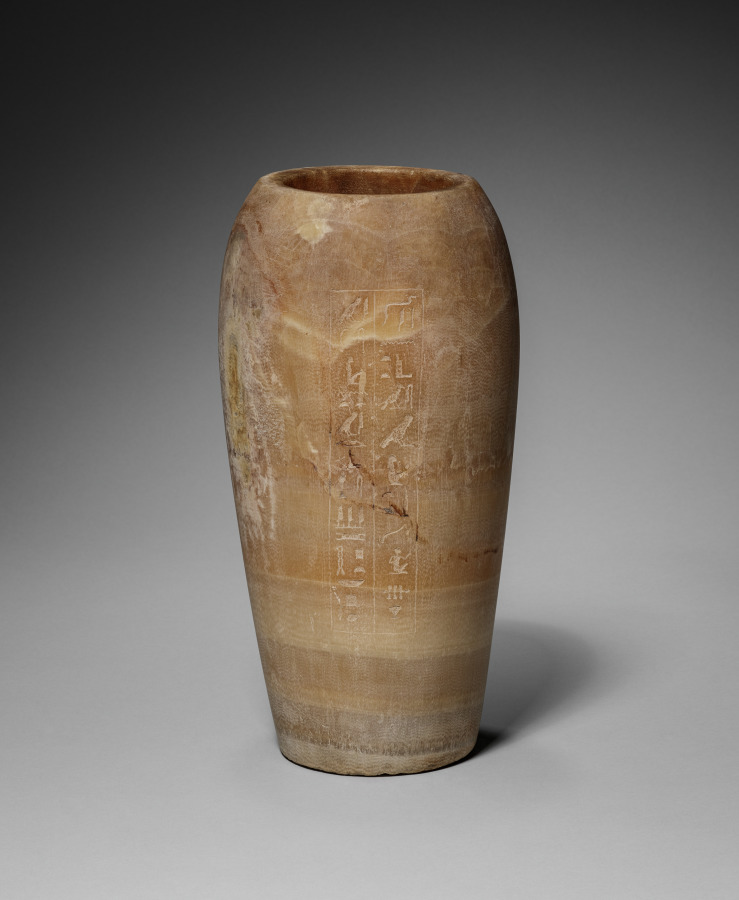
Canopic Jar with Jackal's Head
Cleveland Museum of Art
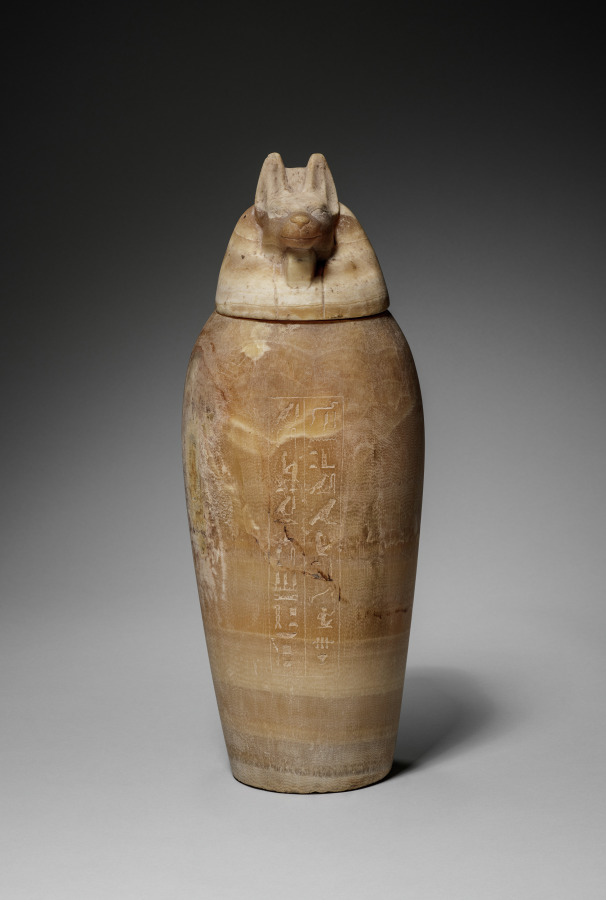
Canopic Jar with Jackal's Head
Cleveland Museum of Art
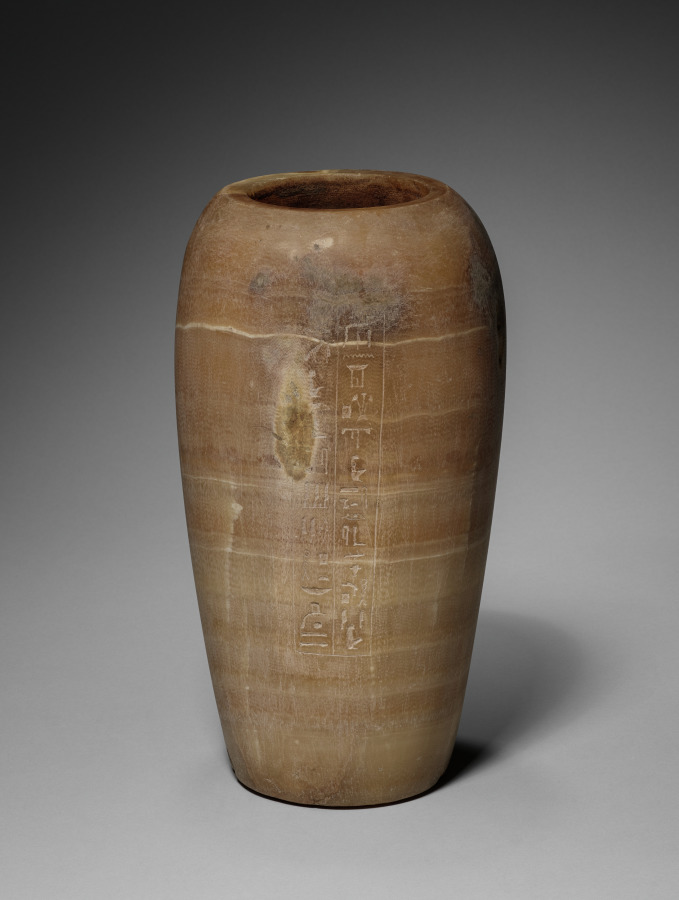
Canopic Jar with Baboon's Head
Cleveland Museum of Art
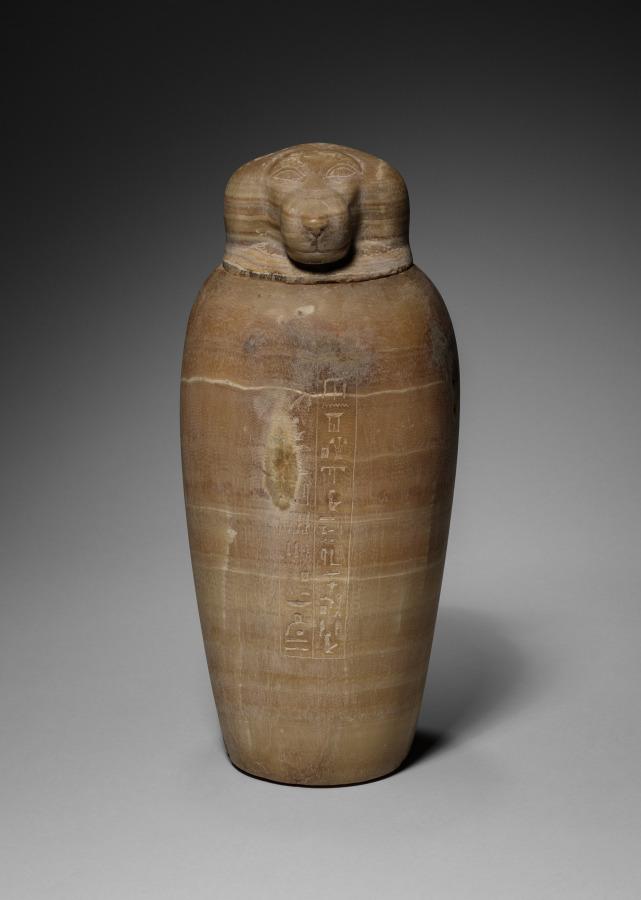
Canopic Jar with Baboon's Head
Cleveland Museum of Art
Canopic Jar with Falcon's Head
Cleveland Museum of Art