Cleveland Museum of Art
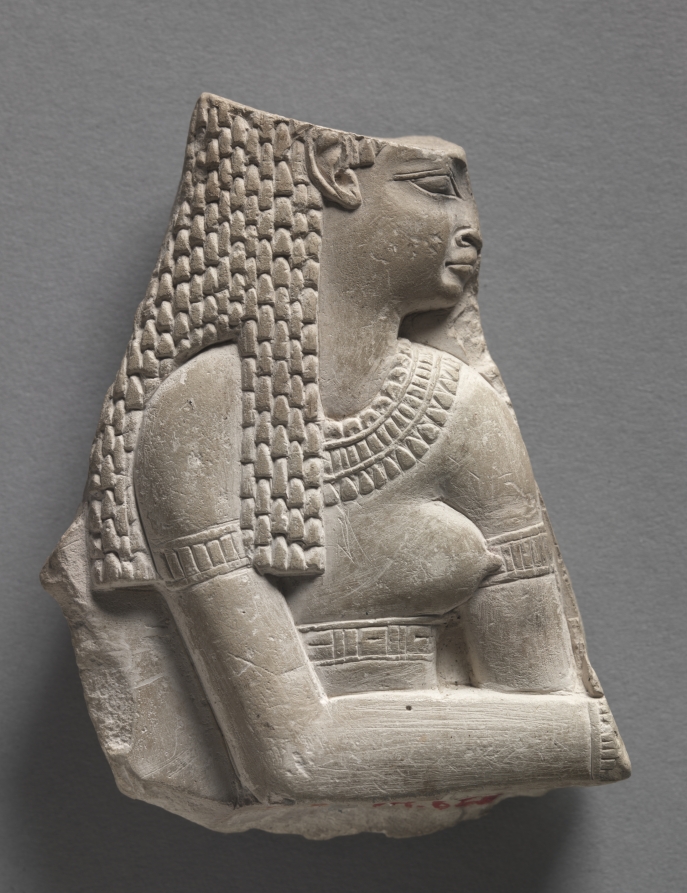
Double-Sided Votive Relief
- Date
- 305–30 BCE
- Medium
- limestone
- Culture
- Egypt, Greco-Roman period (332 BCE–395 CE), Ptolemaic dynasty (305–30 BCE)
- Department
- Egyptian and Ancient Near Eastern Art
- Institution
- Cleveland Museum of Art
Trial pieces—carved on limestone flakes, or ostraca —and sculptors' models allow us to see how the ancient Egyptian artist approached his work. Showing a wild dog's head on one side and a profile figure on the other, these pieces are masterpieces in their own right, and were probably meant to be copied.
The authoritative record is held by Cleveland Museum of Art. LinkedCulture surfaces this object and its connections; it does not alter institutional metadata.
Related across collections
Semantically similar works from Cleveland Museum of Art and other institutions.
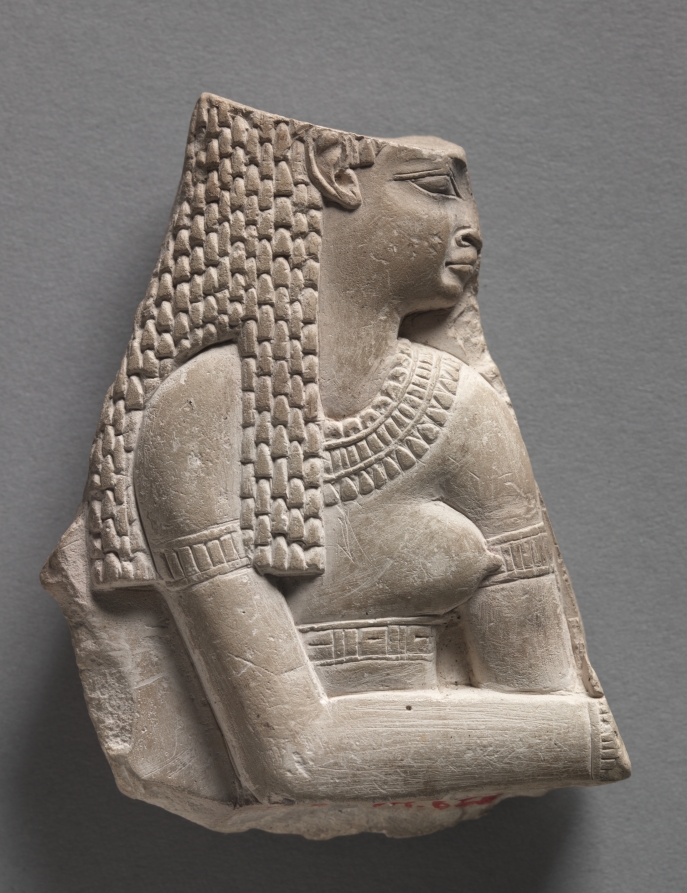
Double-Sided Votive Relief
Cleveland Museum of Art
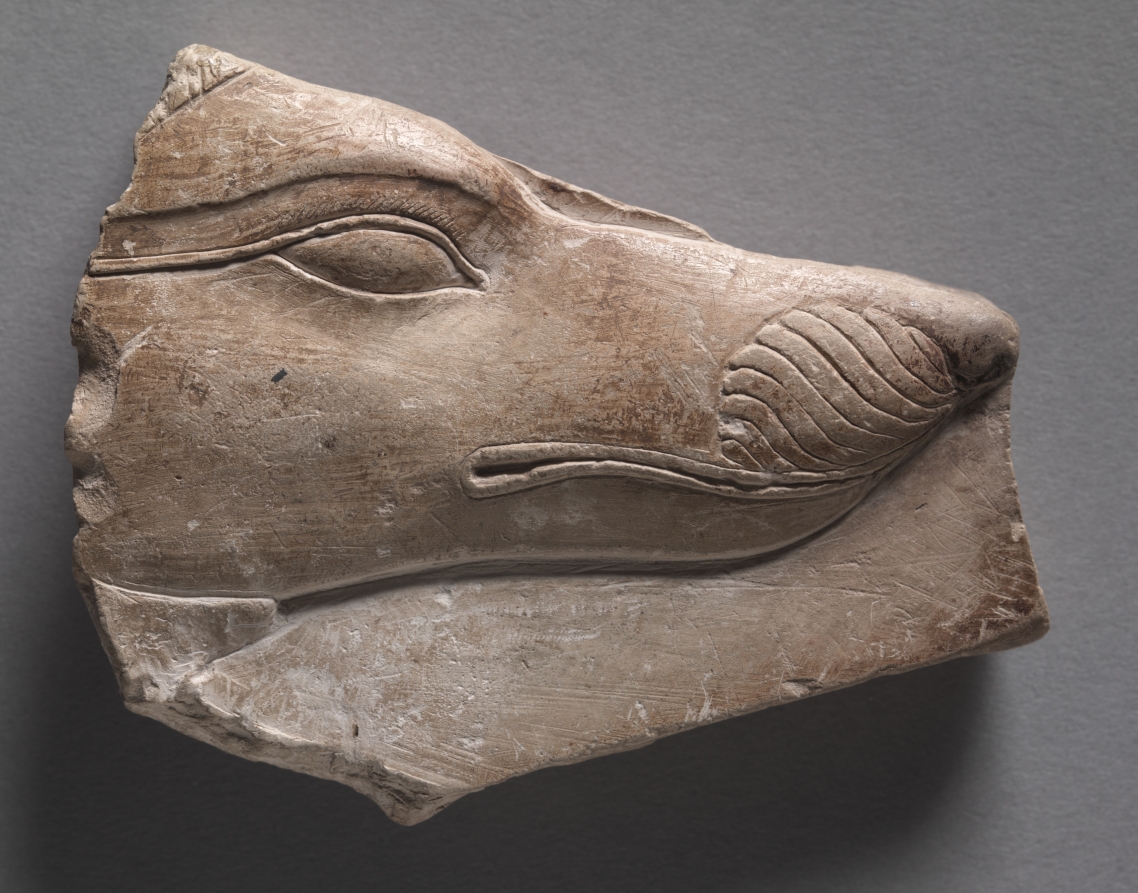
Double-Sided Votive Relief
Cleveland Museum of Art
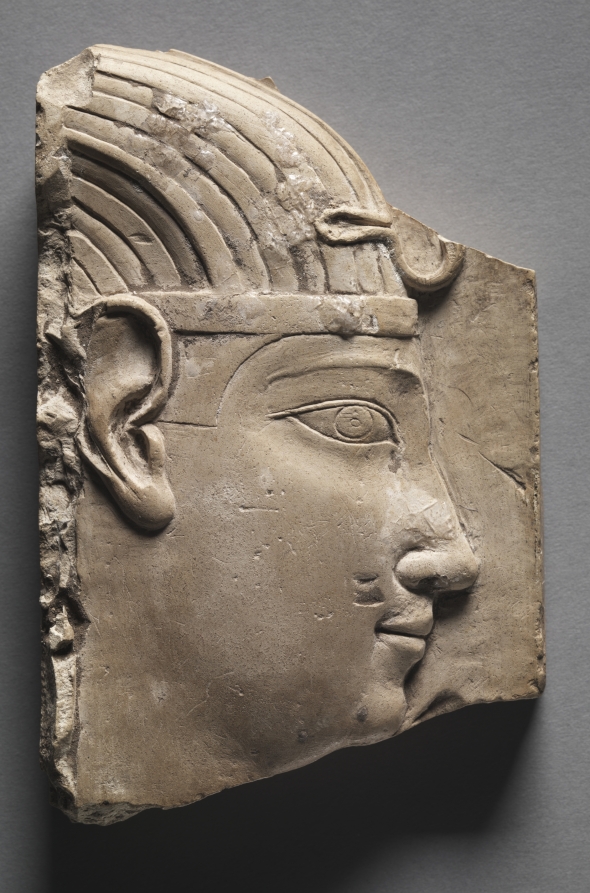
Votive Relief of a King
Cleveland Museum of Art
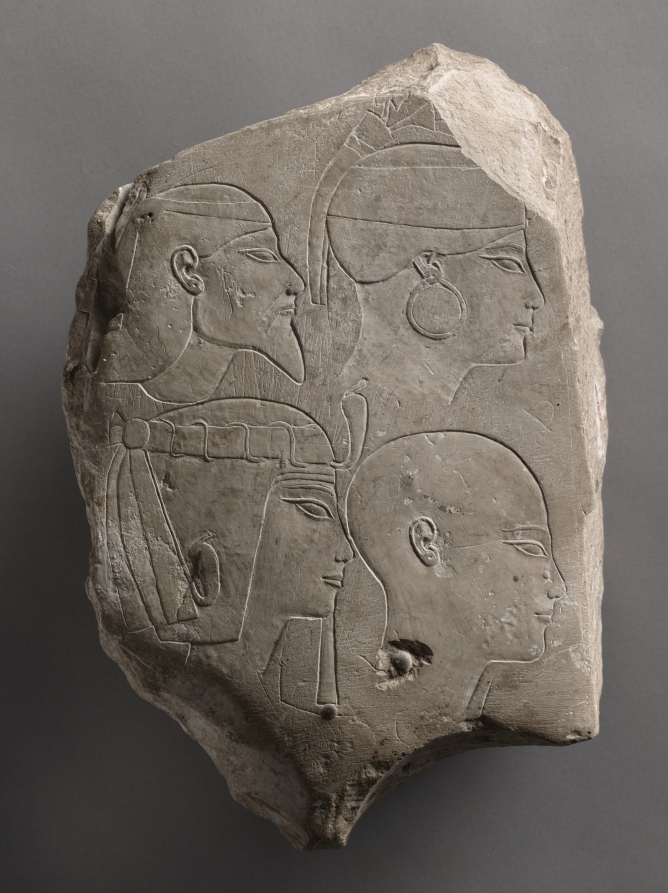
Trial Piece Worked on Both Sides
Cleveland Museum of Art
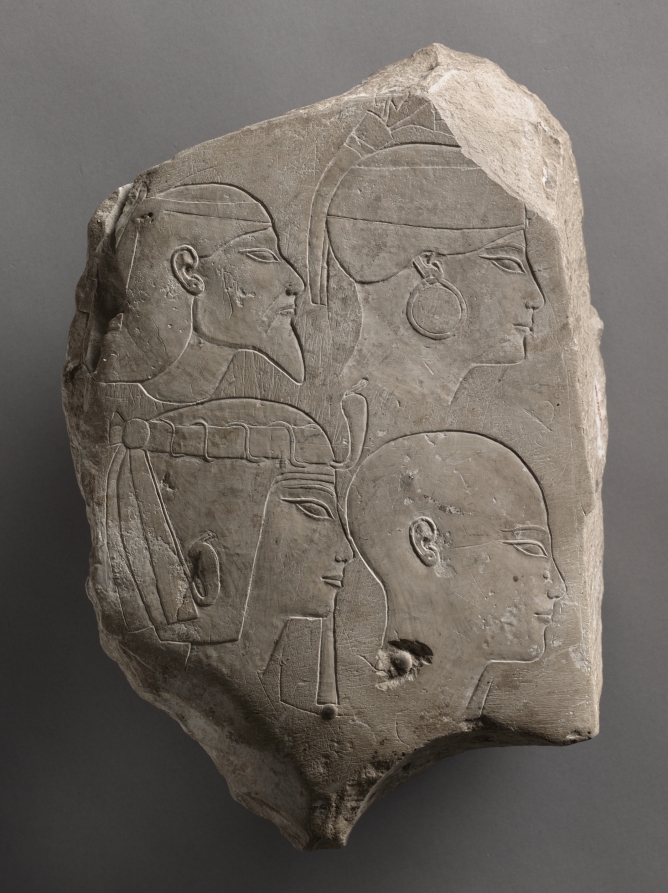
Trial Piece Worked on Both Sides
Cleveland Museum of Art
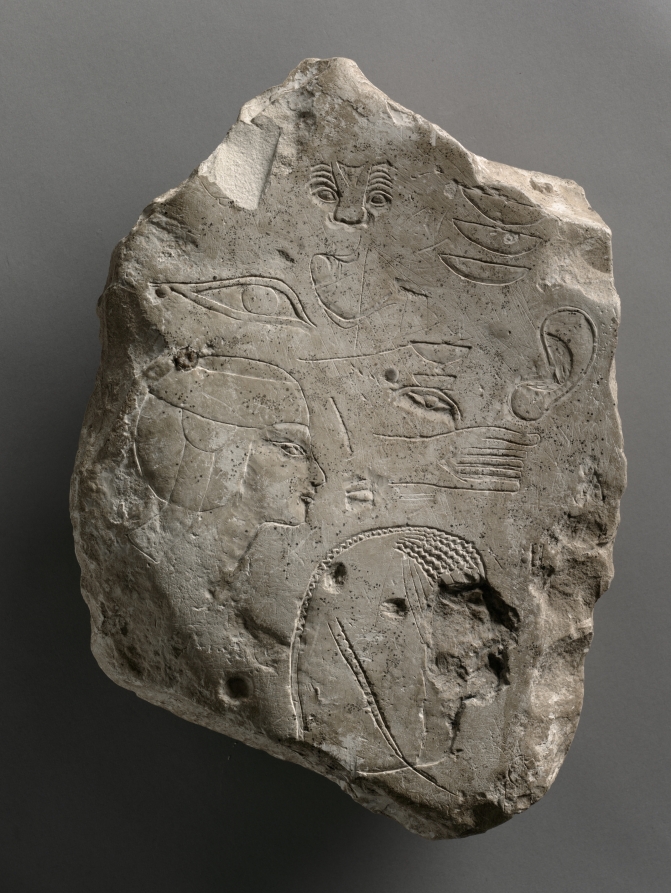
Trial Piece Worked on Both Sides
Cleveland Museum of Art
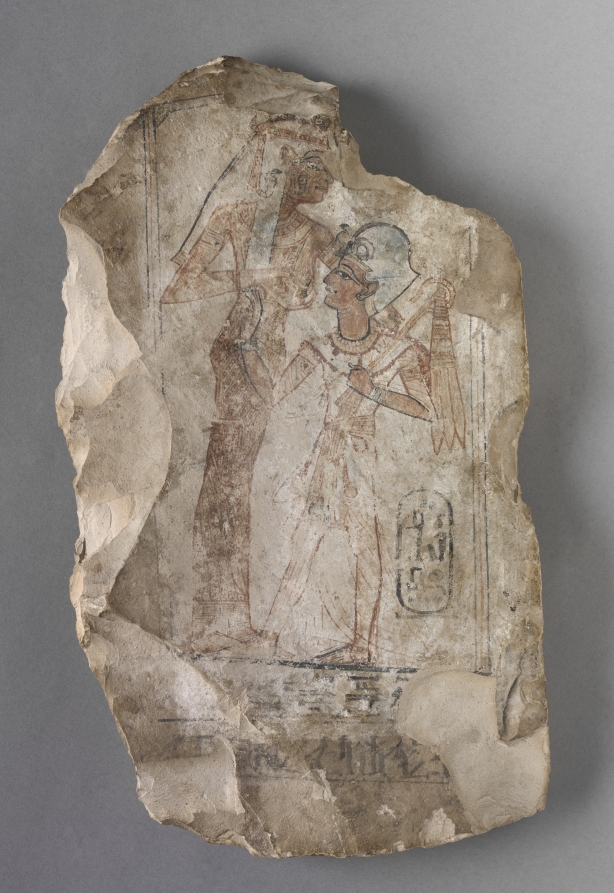
Ostracon: Ramesses II Suckled by a Goddess
Cleveland Museum of Art
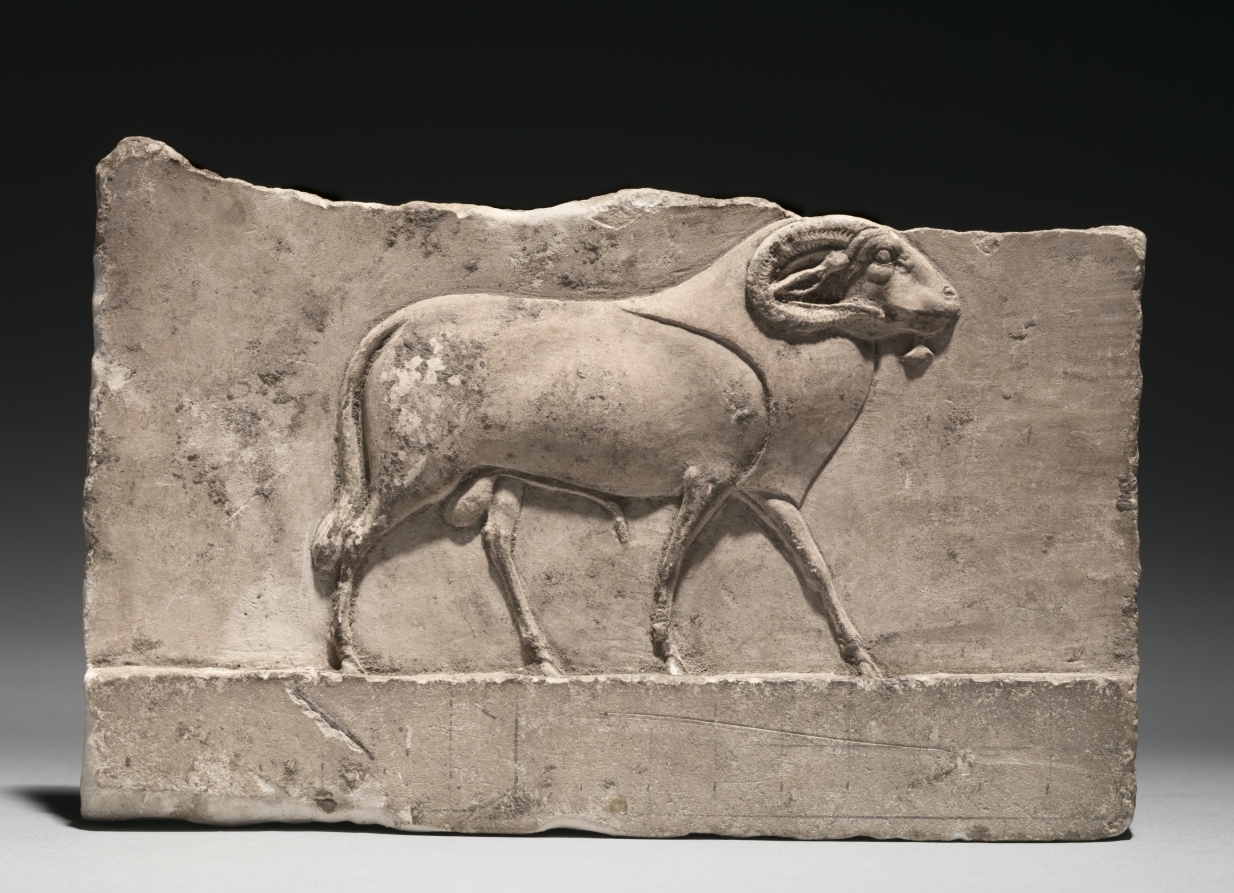
Votive Relief of a Ram Deity
Cleveland Museum of Art

Votive Relief to Zeus and Hera
Getty Museum

Fragment of a Votive Relief with Griffins
Getty Museum

Votive Relief, Canopic Jar with Head of Osiris
Getty Museum

Double-Sided Relief with Theater Masks
Getty Museum