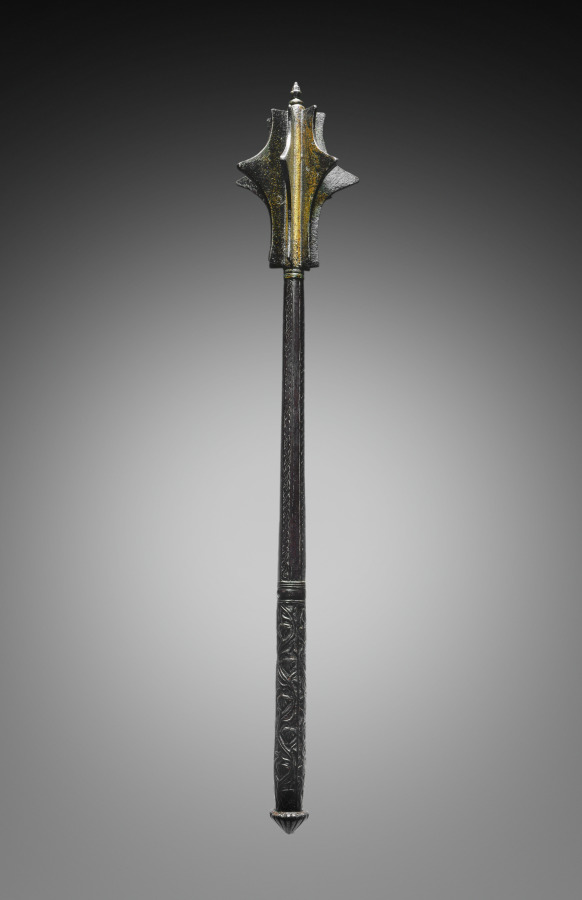
Cleveland Museum of Art
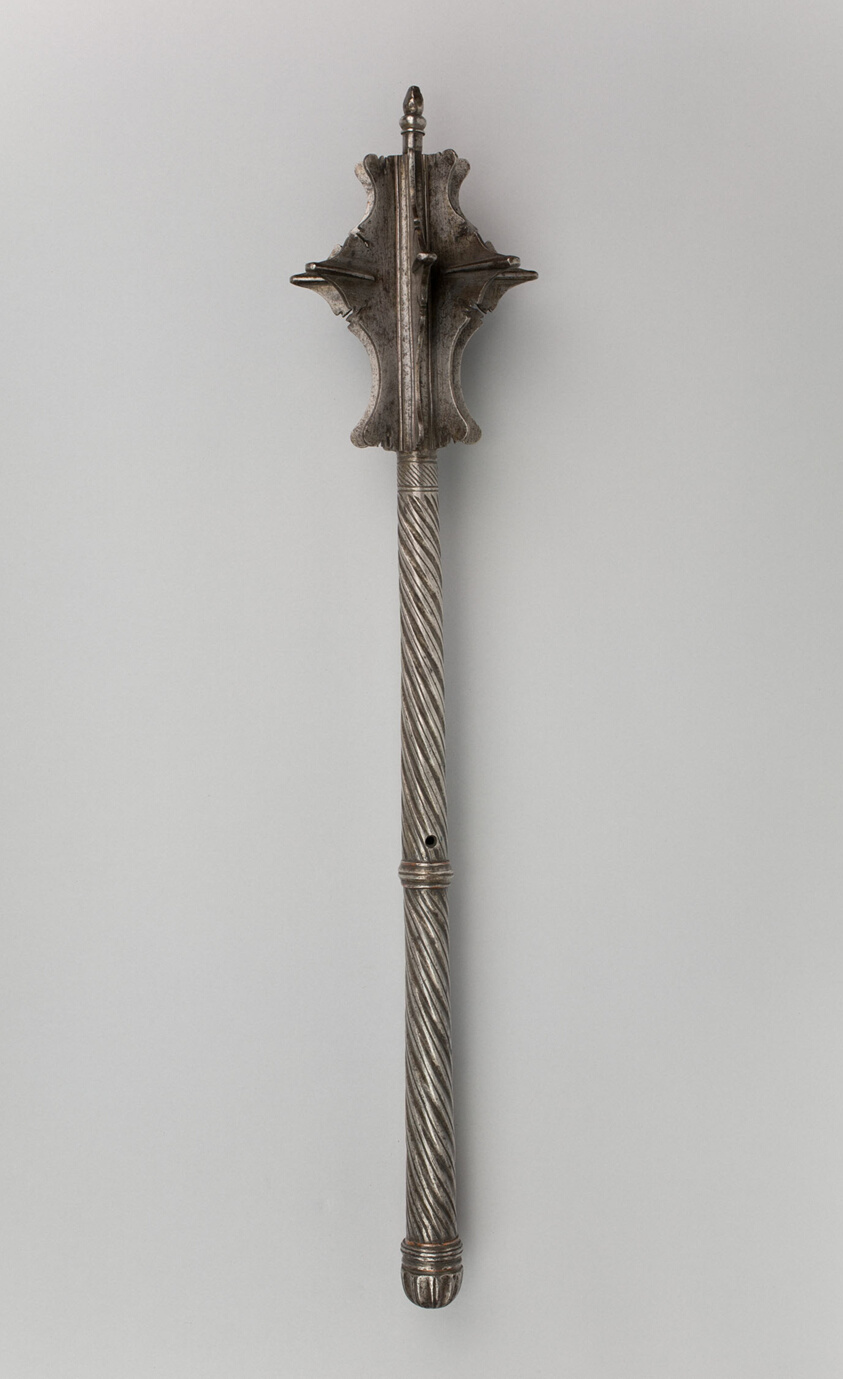
Seven-Flanged Mace
- Date
- c. 1540–50
- Medium
- gilded russet steel; with chiseled foliate decoration
- Culture
- Italy (?), 16th century
- Department
- Medieval Art
- Institution
- Cleveland Museum of Art
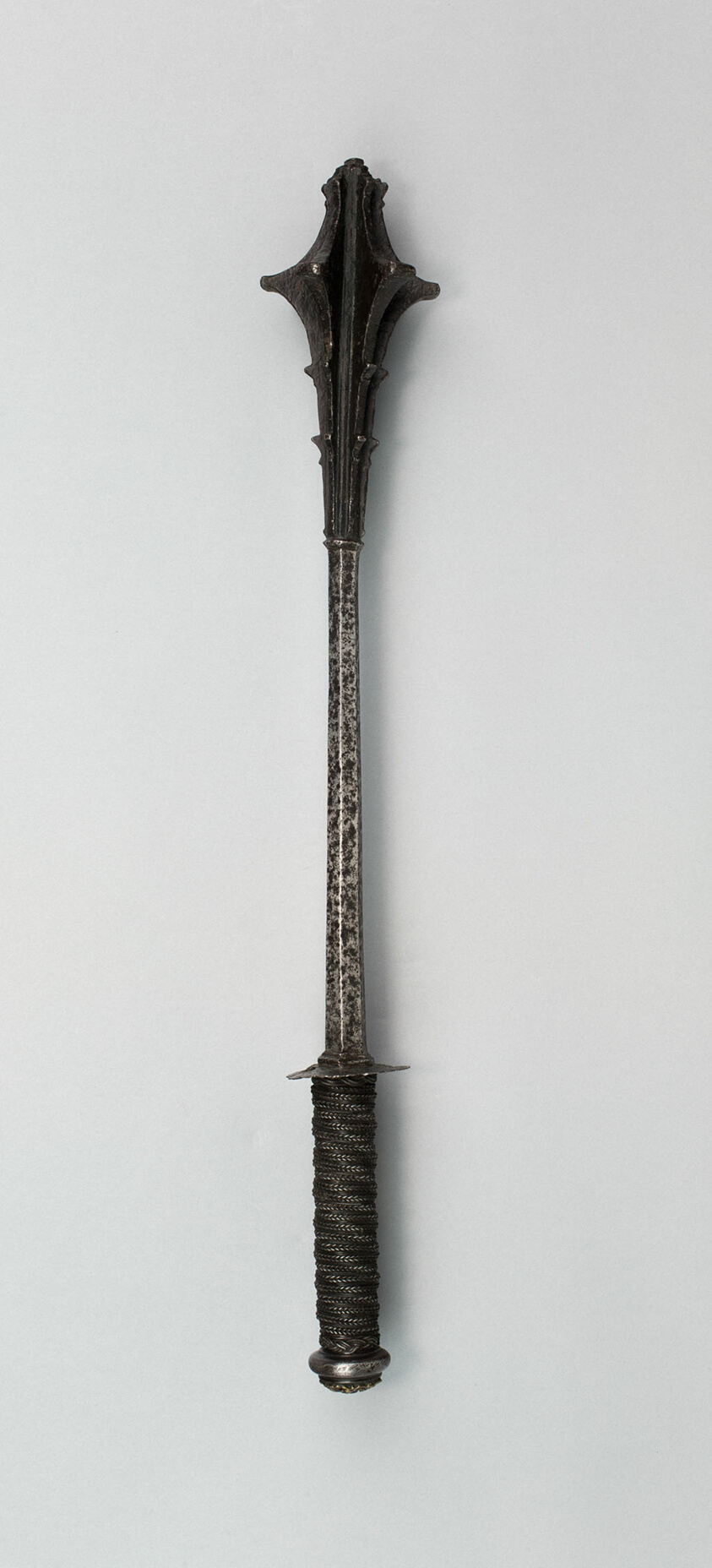
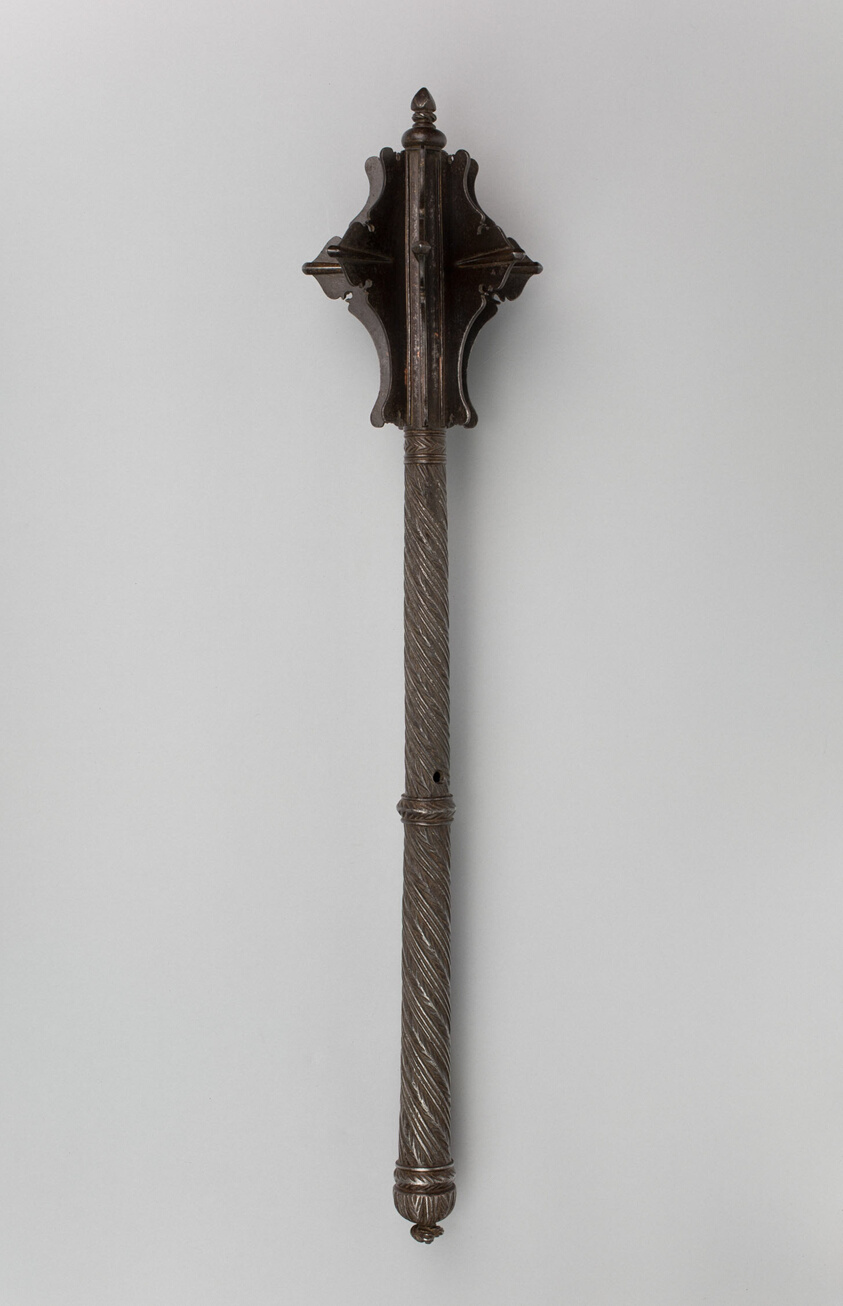
The mace was primarily a weapon for mounted warriors in both actual combat and courtly contests. For this reason it was regarded as a knightly weapon. Arming oneself with a mace had gradually taken on significance among the nobility and commanding officers. It eventually came to be considered a badge of rank, to be carried by its owner in parades and other ceremonial occasions, as this decorated example certainly was. In use throughout the middle ages, the mace became increasingly popular in the 1400s and 1500s because edged weapons (such as swords) were ineffective against fully developed plate armor.
The authoritative record is held by Cleveland Museum of Art. LinkedCulture surfaces this object and its connections; it does not alter institutional metadata.
Related across collections
Semantically similar works from Cleveland Museum of Art and other institutions.
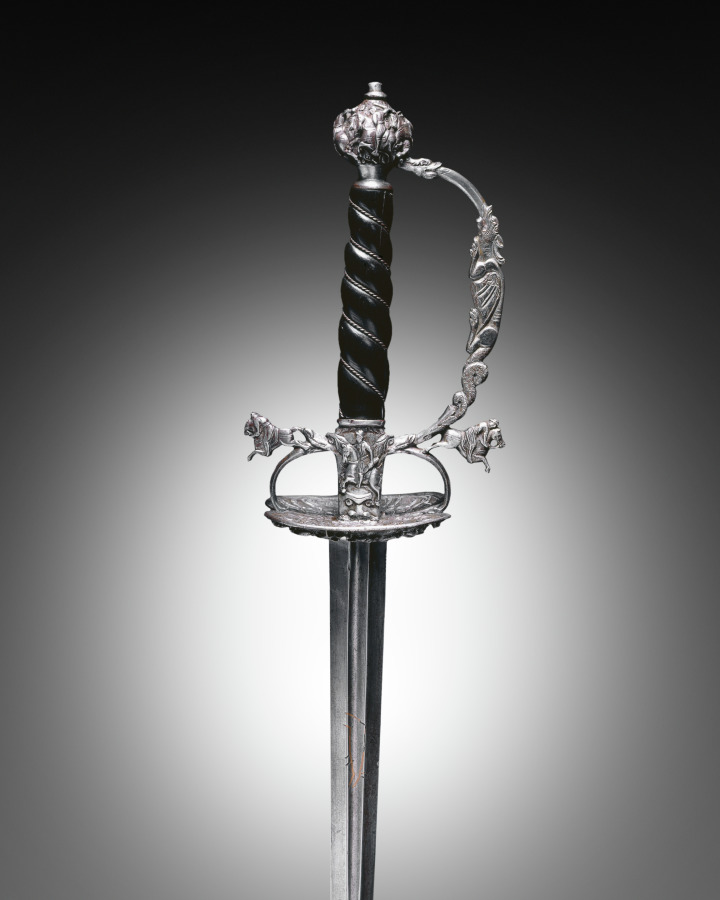
Small Sword
Cleveland Museum of Art
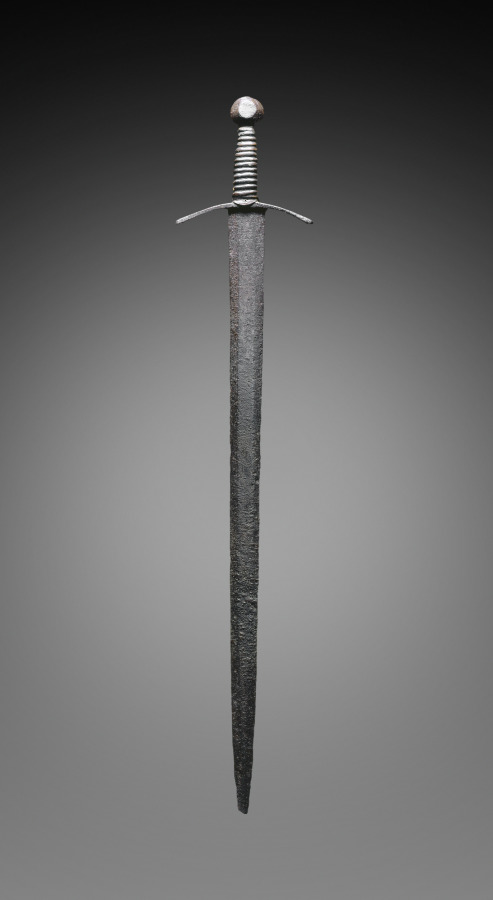
Sword
Cleveland Museum of Art
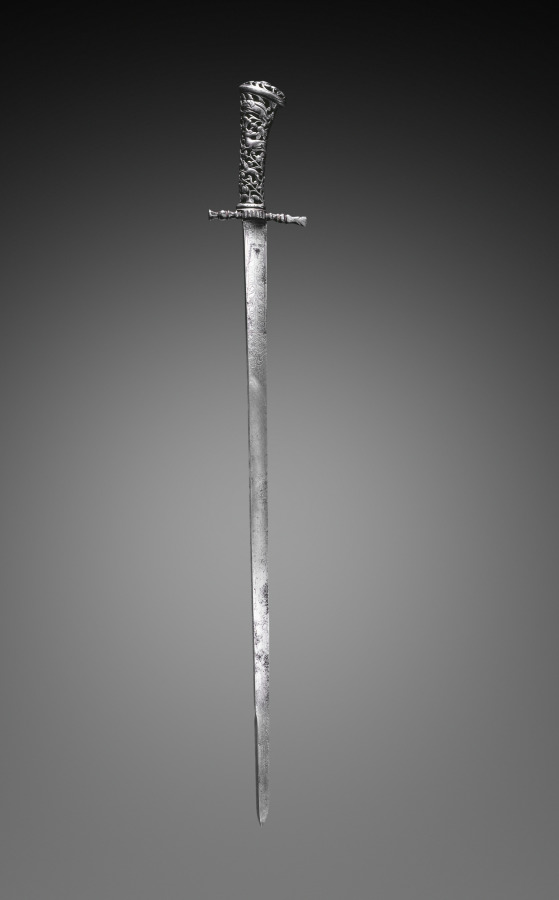
Hunting Sword
Cleveland Museum of Art
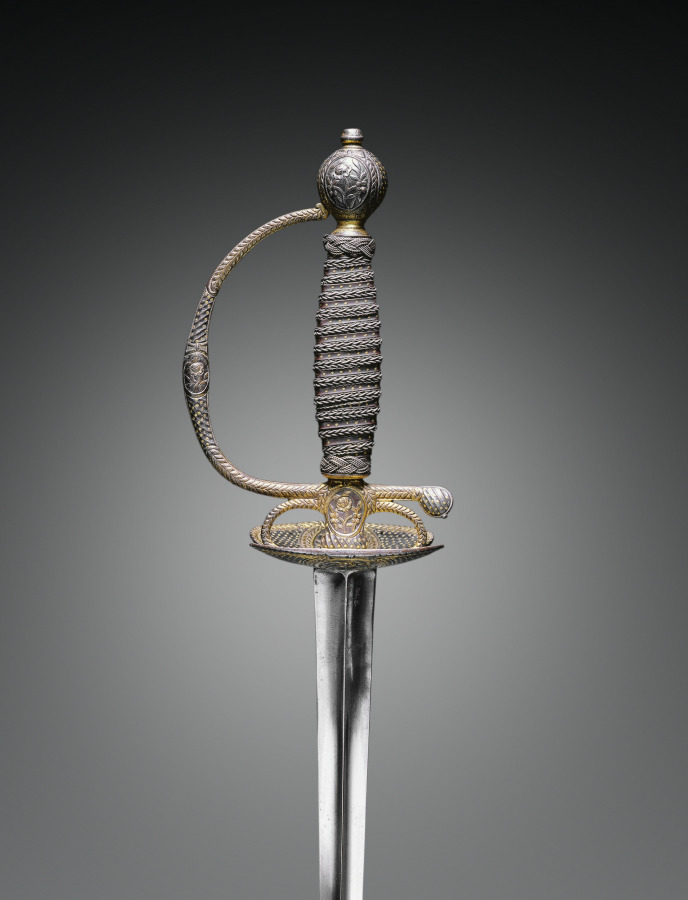
Small Sword
Cleveland Museum of Art
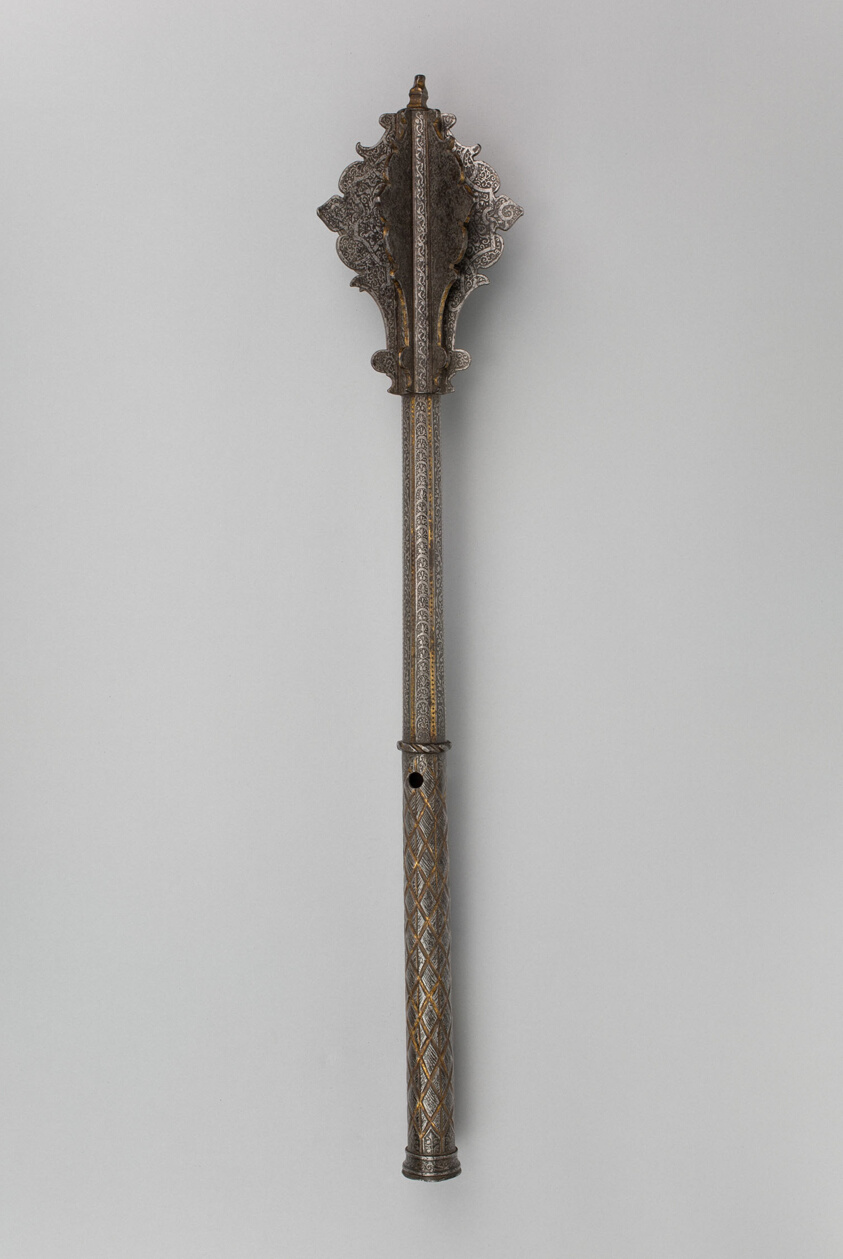
Mace
Art Institute of Chicago

Glaive for the Bodyguard of Emperor Maximilian II
Art Institute of Chicago
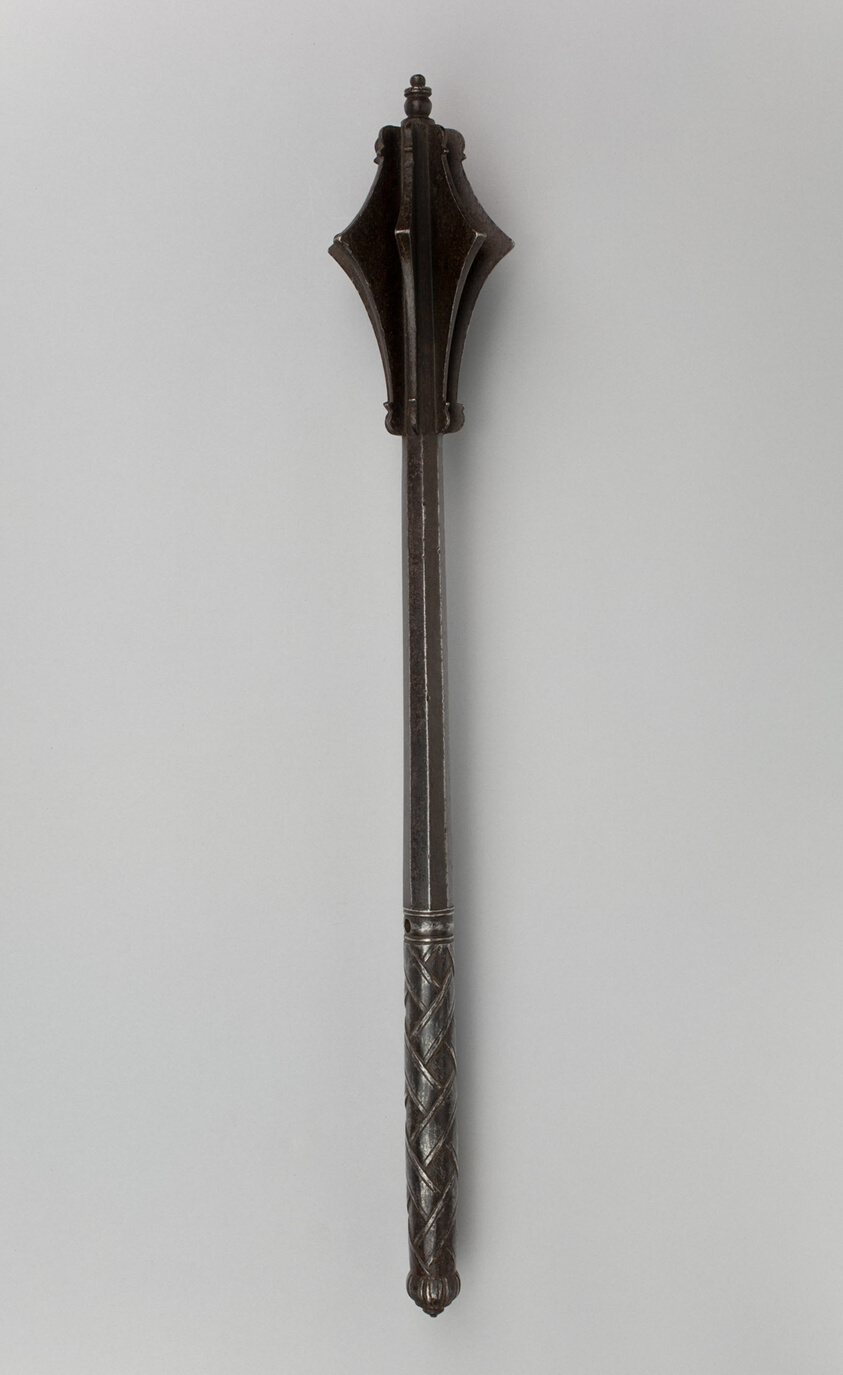
Mace
Art Institute of Chicago
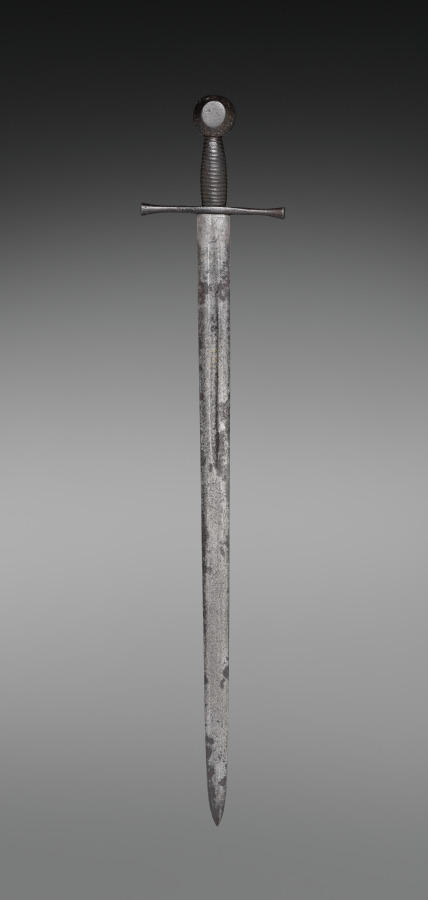
Sword
Cleveland Museum of Art
Mace
Art Institute of Chicago
Mace
Art Institute of Chicago

Gunner's Linstock (Matchholder) combined with Spear
Art Institute of Chicago
Mace
Art Institute of Chicago