Cleveland Museum of Art
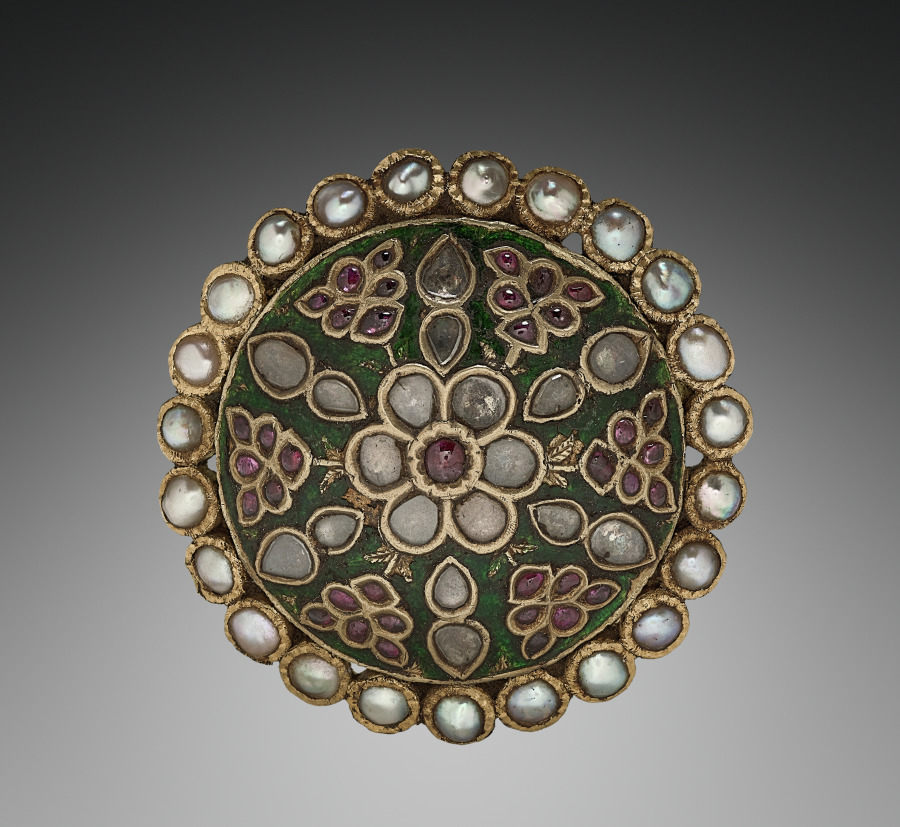
Ornament
- Date
- 1800s
- Medium
- Gold with green enamel ground, white sapphires, rubies, and pearls
- Culture
- India
- Department
- Indian and Southeast Asian Art
- Institution
- Cleveland Museum of Art
Circular ornaments were worn as pendants, sewn onto textiles, or pinned into hair. The decorative motif made of colorful gems depicting flowering plants was introduced during the reign of the Mughal emperor Shah Jahan (1628–58) and remained popular through the 1800s.
The authoritative record is held by Cleveland Museum of Art. LinkedCulture surfaces this object and its connections; it does not alter institutional metadata.
Related across collections
Semantically similar works from Cleveland Museum of Art and other institutions.
Medallion
Cleveland Museum of Art

Hair Ornament, one of a pair
Minneapolis Institute of Art
Hair Ornament
Cleveland Museum of Art
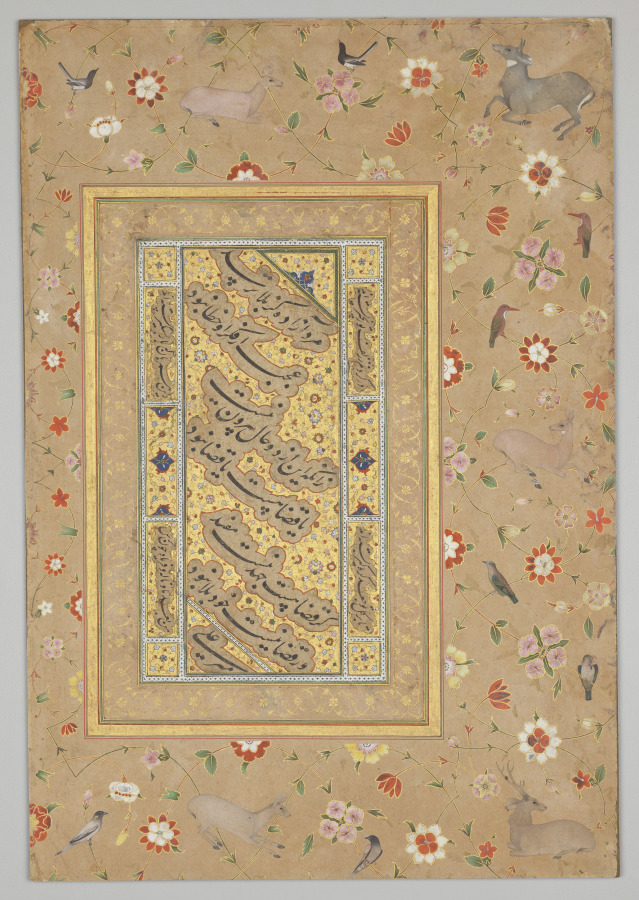
Persian calligraphy framed by an ornamental border of flowers, birds, and deer, from the Late Shah Jahan Album
Cleveland Museum of Art
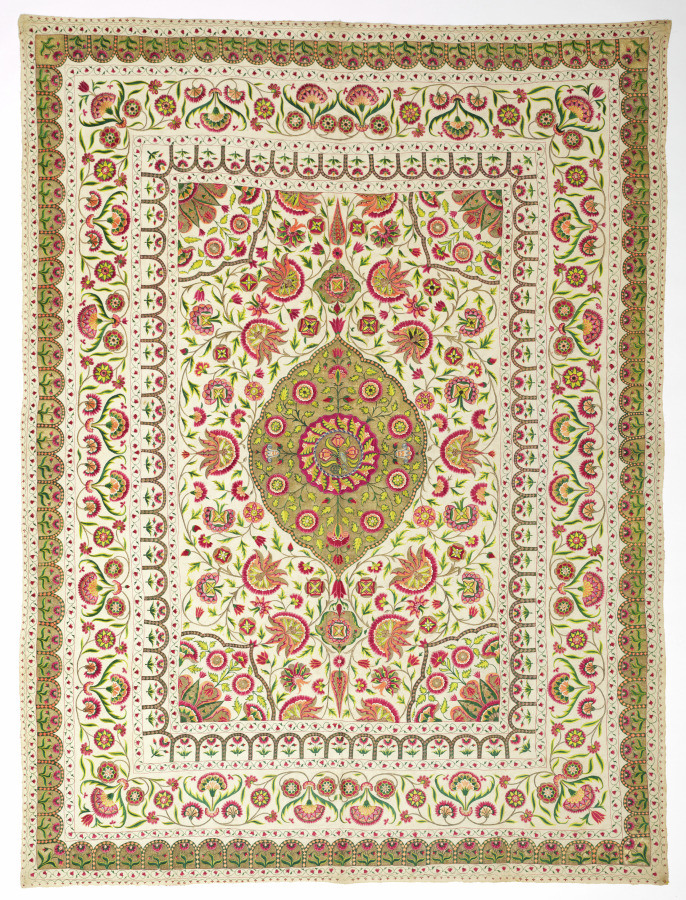
Spread with floral medallion pattern
Cleveland Museum of Art
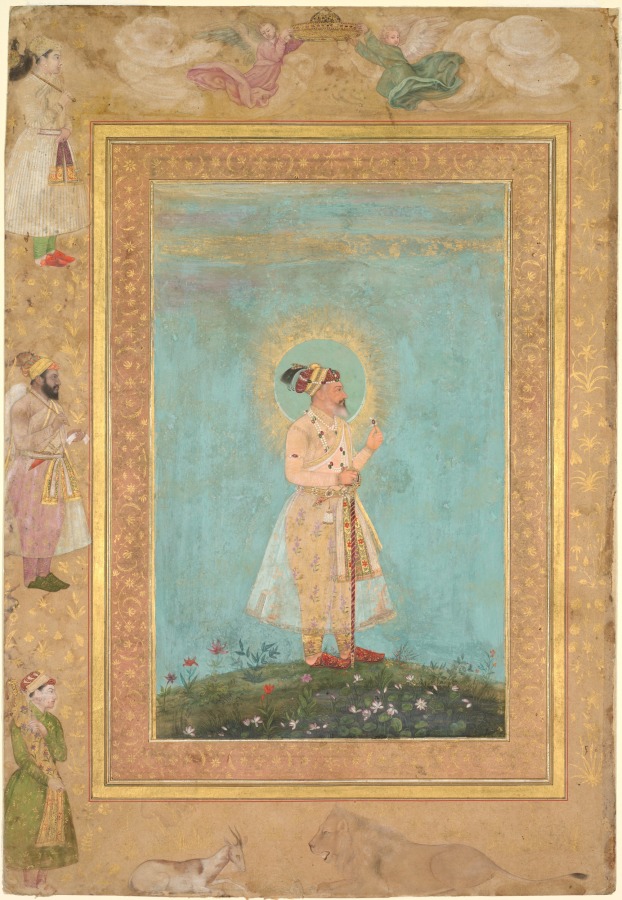
Shah Jahan holding a spinel and a long Deccan sword, from the Late Shah Jahan Album
Cleveland Museum of Art

Pair of Ear Ornaments
Minneapolis Institute of Art
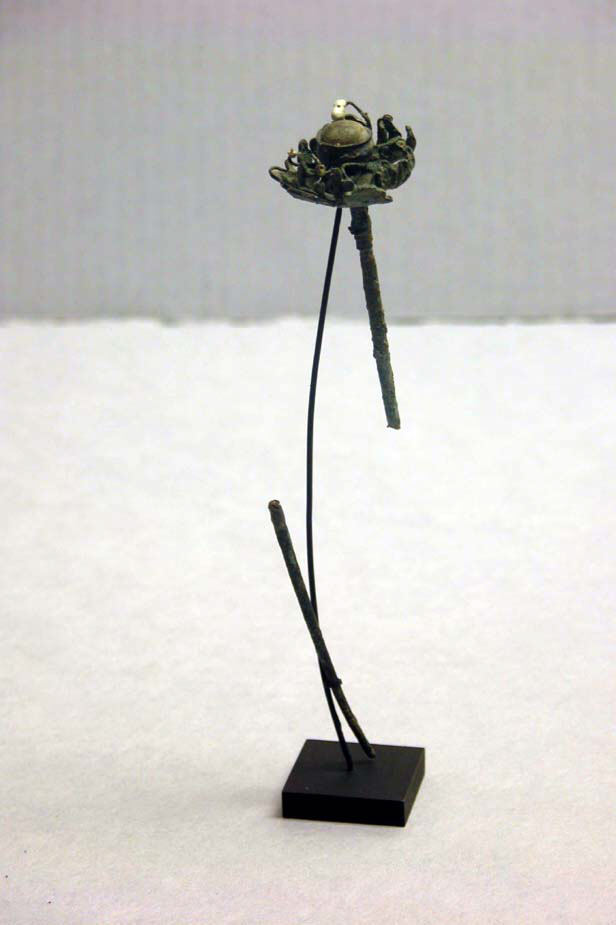
Hair Ornament
The Metropolitan Museum of Art
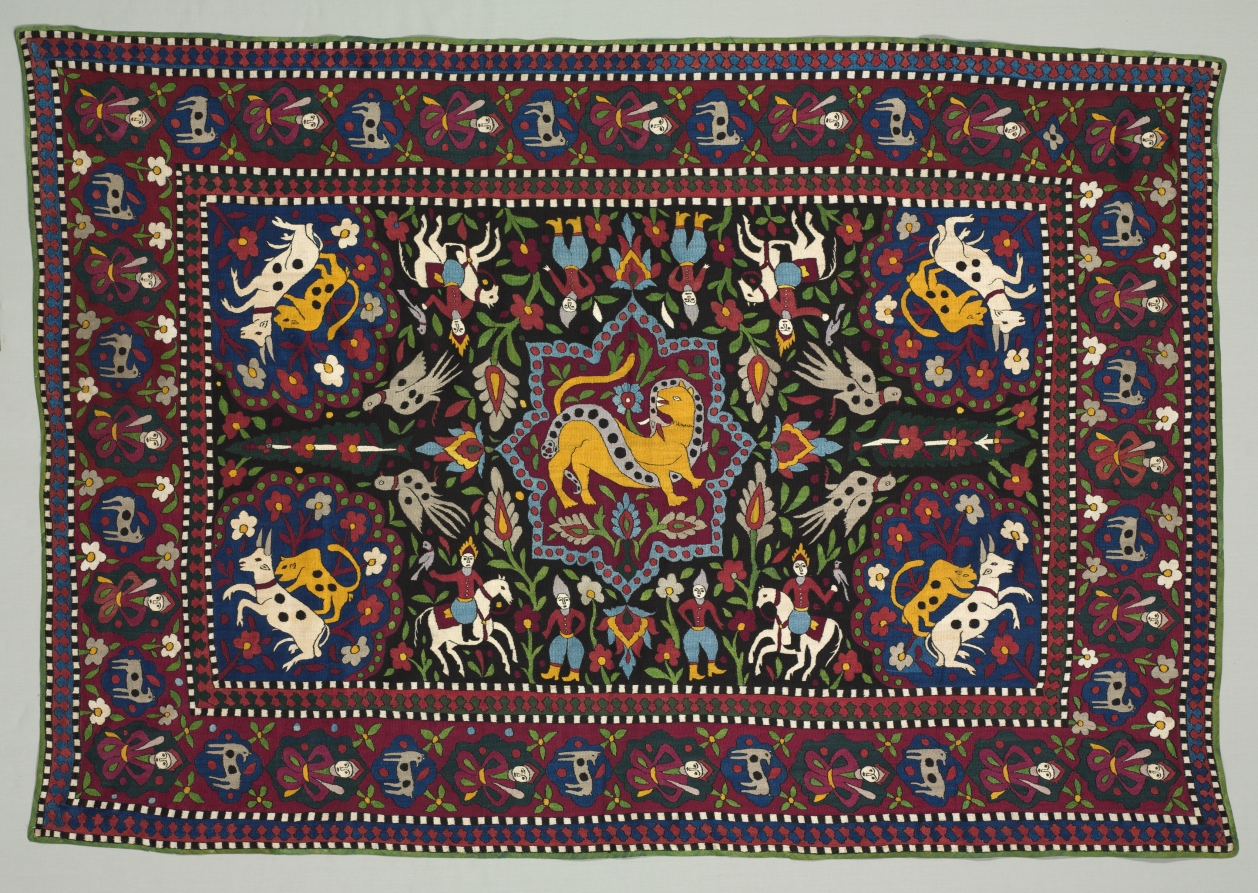
Ceremonial or summer floor cover
Cleveland Museum of Art
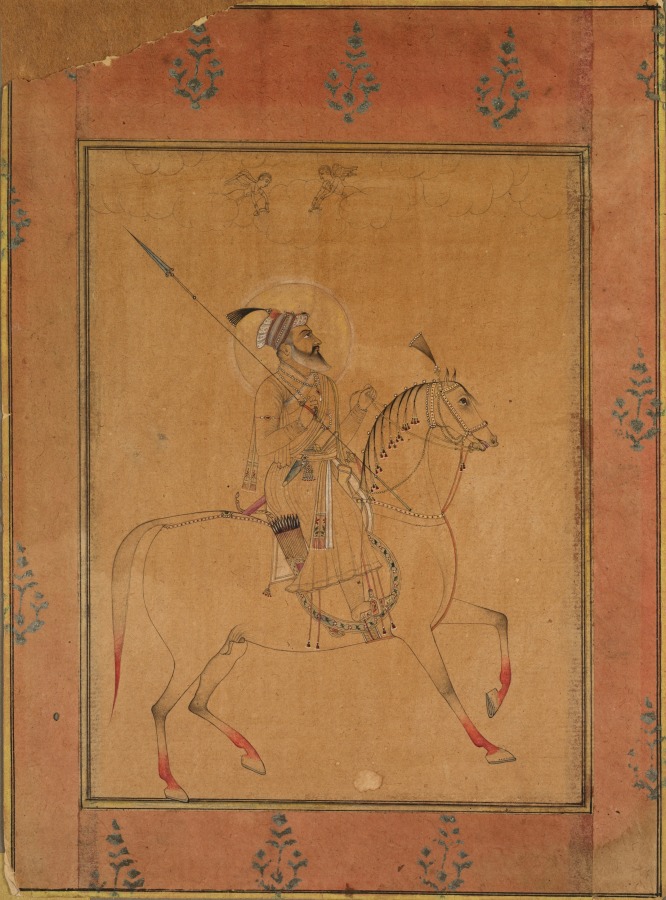
Emperor Shah Jahan
Cleveland Museum of Art
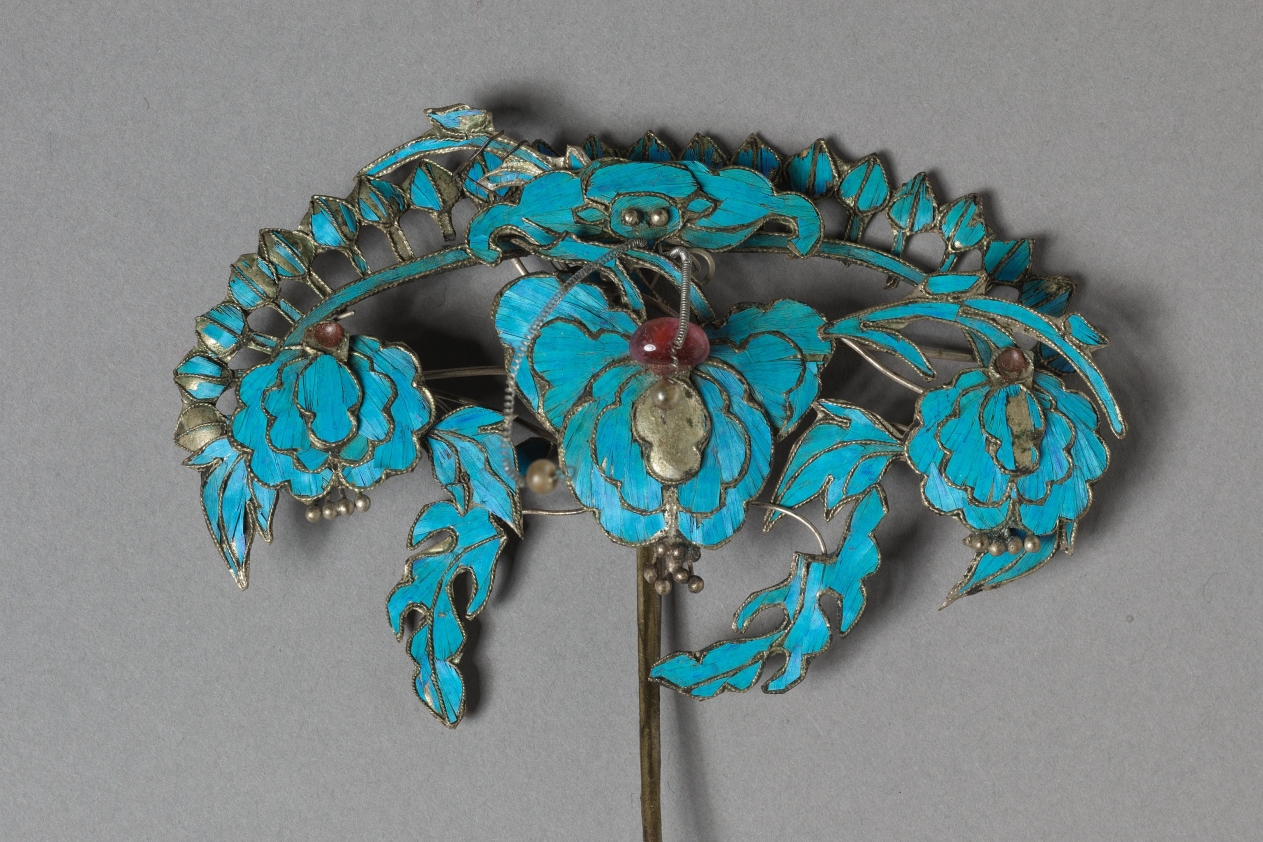
Headdress Ornament
Cleveland Museum of Art
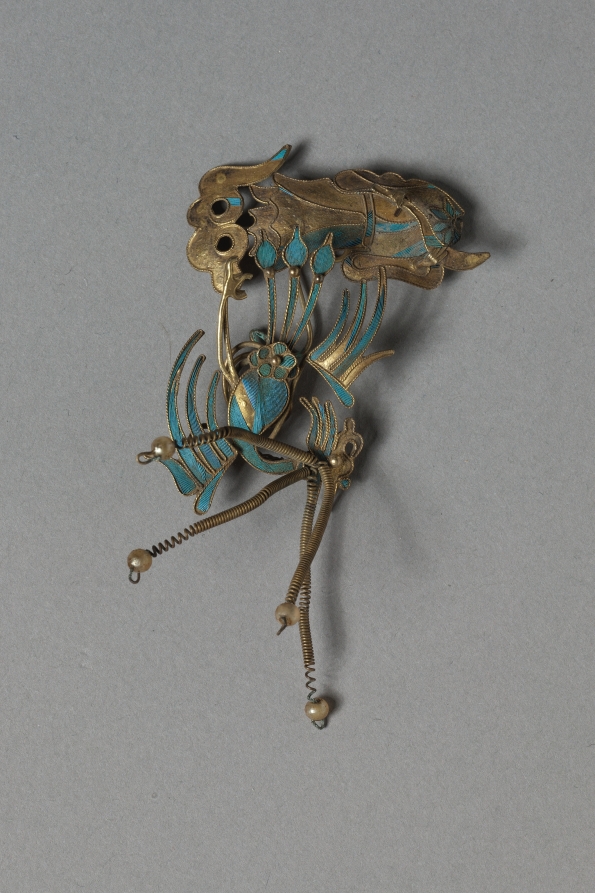
Headdress Ornament
Cleveland Museum of Art