Cleveland Museum of Art
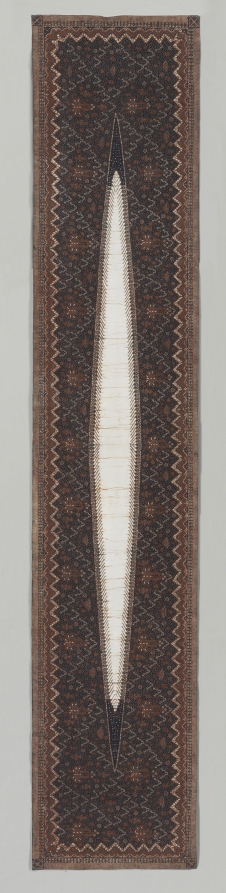
Slendang (Shoulder Cloth)
- Date
- 1800s–early 1900s
- Medium
- tabby weave, batik; cotton
- Culture
- Indonesia, Central Java, 19th - early 20th century
- Department
- Textiles
- Institution
- Cleveland Museum of Art
Batik is an ancient technique that was practiced in India and throughout much of Southeast Asia. With the invention of the "canting" (a tool used to apply hot wax to fabric) in the 17th - 18th centuries, however, batik bacame a particular speciality of Java. This batik was produced in the central regions of Java where cloths were resist-dyed with traditional designs in white, indigo blue, and dark brown. The stylized wing and tail of the mythical bird Garuda and the sacred mountains seen here had cosmic significance and were reserved for textiles worn by nobility for ceremonial occasions or for dance costumes. The white, elongated diamond-shaped center is unique to batik shoulder cloths.
The authoritative record is held by Cleveland Museum of Art. LinkedCulture surfaces this object and its connections; it does not alter institutional metadata.
Related across collections
Semantically similar works from Cleveland Museum of Art and other institutions.
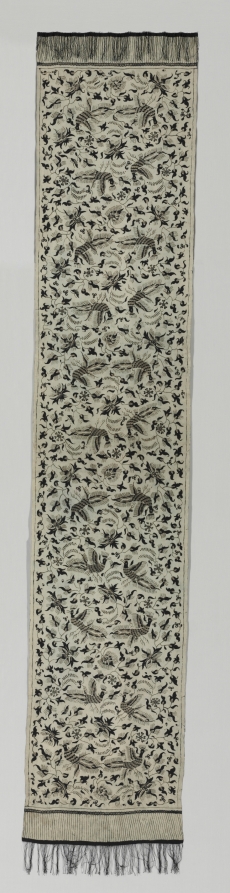
Slendang (Shoulder Cloth)
Cleveland Museum of Art
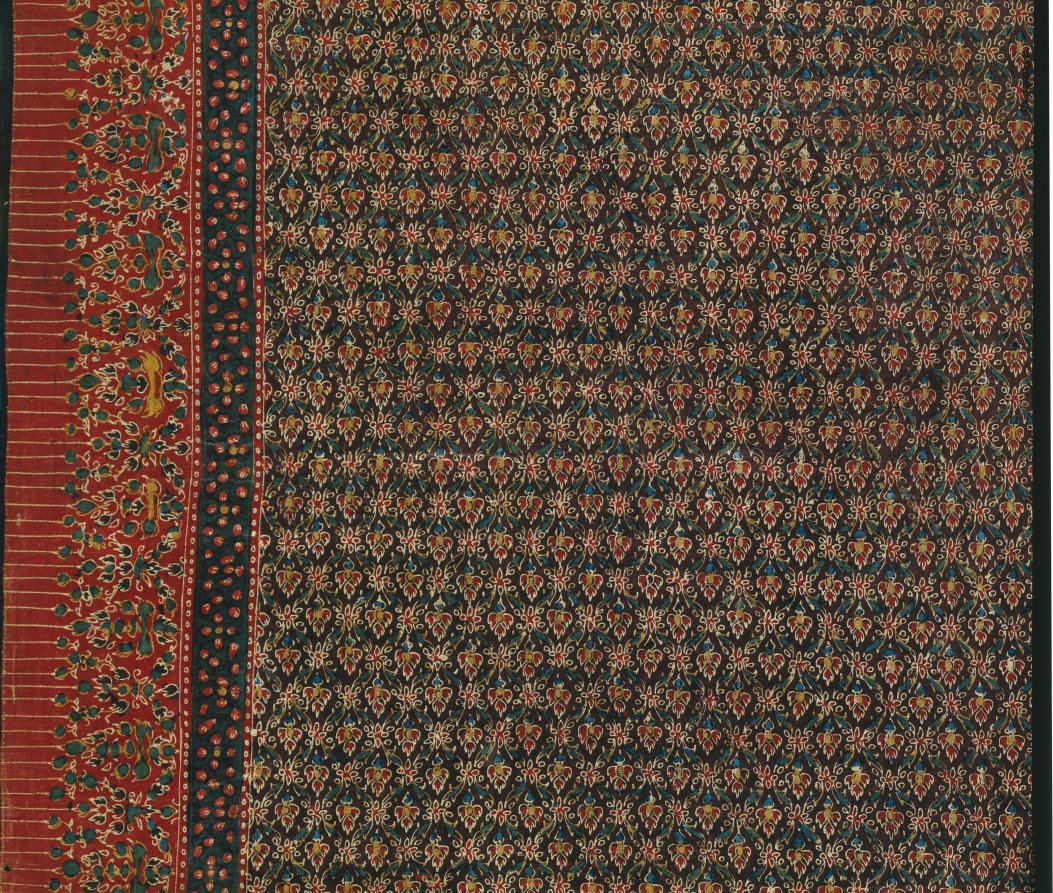
Loin Cloth "Pha nung" or Cloth for Wrapped Garment
Cleveland Museum of Art
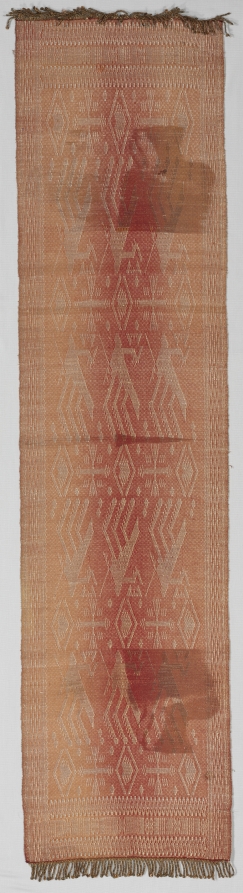
Slendang (Shoulder Cloth)
Cleveland Museum of Art
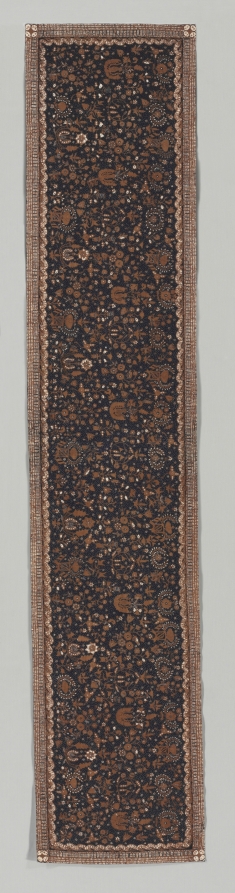
Slendang (Shoulder Cloth or Wearing Cloth)
Cleveland Museum of Art
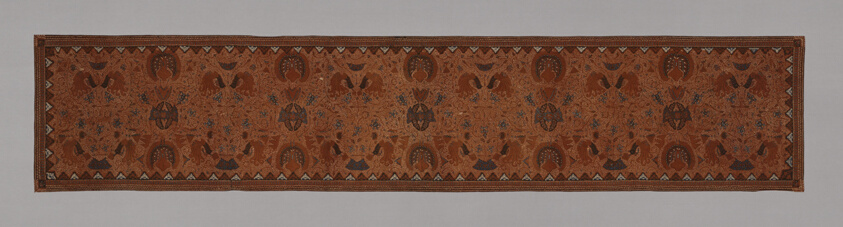
Shoulder Cloth (Selendang)
Art Institute of Chicago

Skirt cloth (kain sarong)
Minneapolis Institute of Art
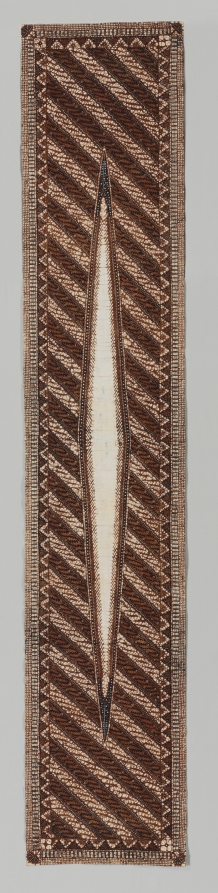
Slendang
Cleveland Museum of Art

Batik panel
Minneapolis Institute of Art
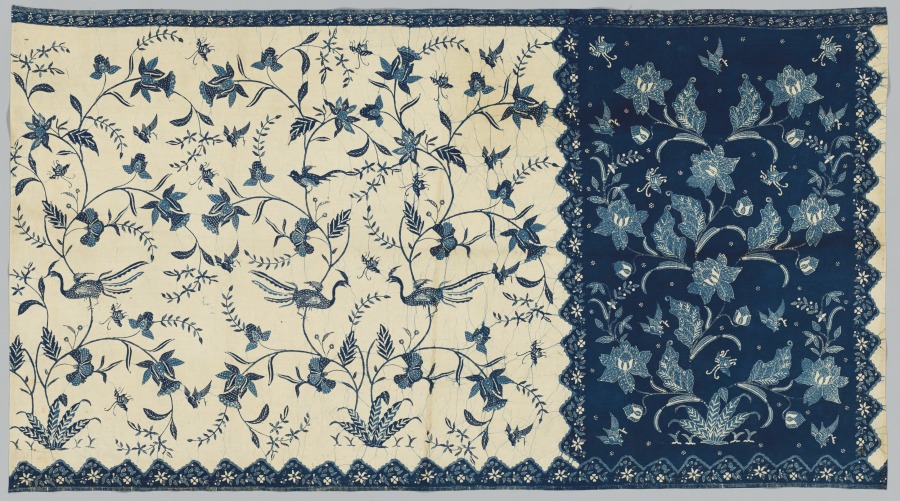
Sarong
Cleveland Museum of Art
Slendang (Shawl)
Art Institute of Chicago
Slendang (Shawl)
Art Institute of Chicago
Slendang (Shawl)
Art Institute of Chicago