Cleveland Museum of Art
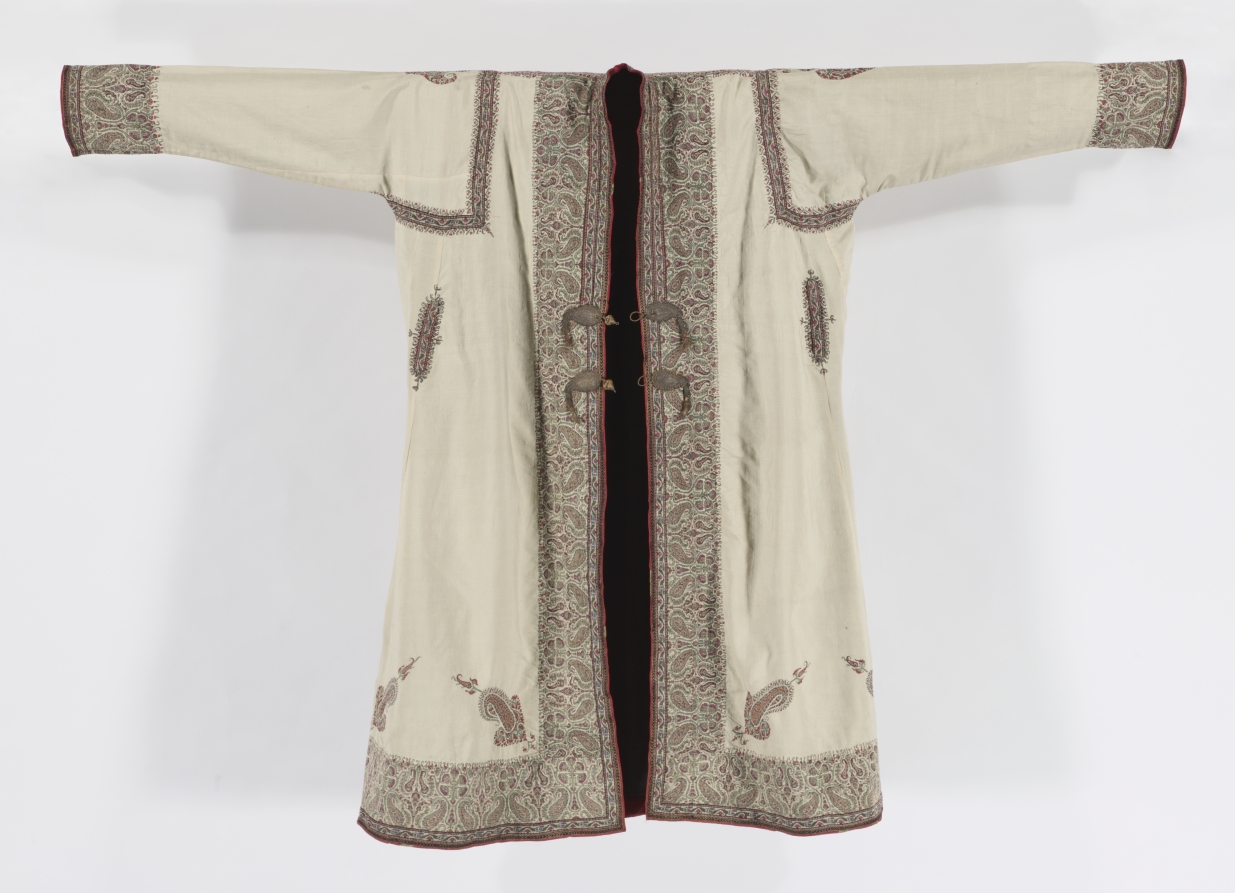
Coat
- Date
- early 1900s
- Medium
- wool: embroidery
- Culture
- India, Kashmir and probably Avadh
- Department
- Textiles
- Institution
- Cleveland Museum of Art
Coats with a band collar, fastened at the waist, have a Central Asian origin and are known by the Turkish term choga , meaning “long-sleeved garment.” During the mid-1800s, it was fashionable for Indian men of high social status to wear chogas as their outermost layer. The intricate ornamentation in the form of stylized unripe mangoes and flowering plants is the specialty of artisans in Kashmir, where they had access to the fine wool of Himalayan goats. The coats, however, were popular in many regions throughout India.
The authoritative record is held by Cleveland Museum of Art. LinkedCulture surfaces this object and its connections; it does not alter institutional metadata.
Related across collections
Semantically similar works from Cleveland Museum of Art and other institutions.
Pair of Waistcoat Front Panels
Art Institute of Chicago
Chapan or Khalat (Man's Outer Robe)
Art Institute of Chicago
Man's Morning Coat
Cleveland Museum of Art
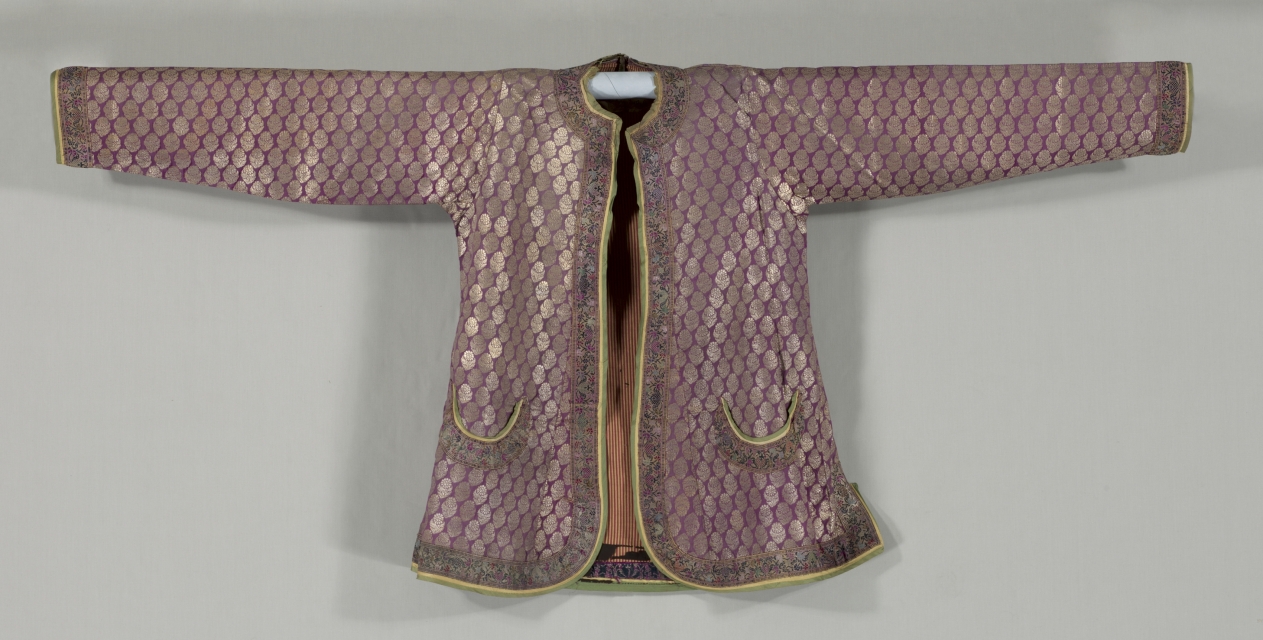
Man's Coat
Cleveland Museum of Art
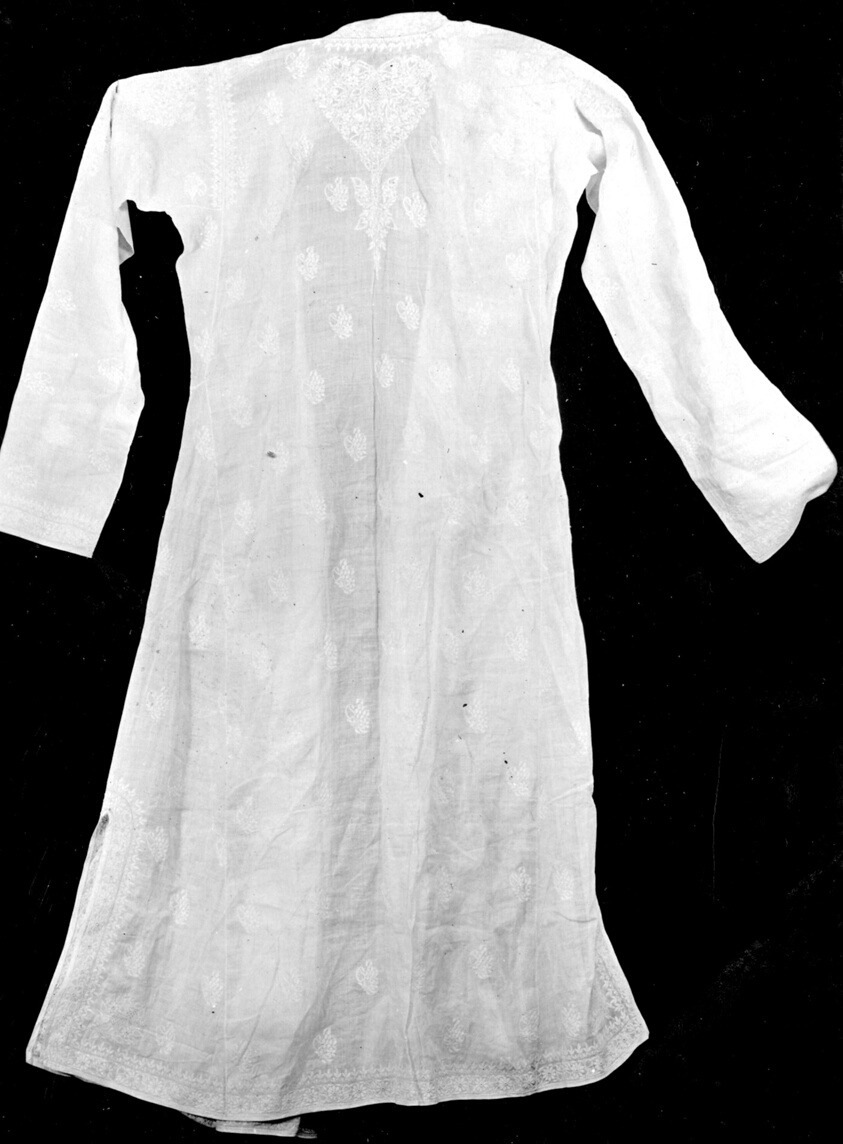
Coat
Art Institute of Chicago
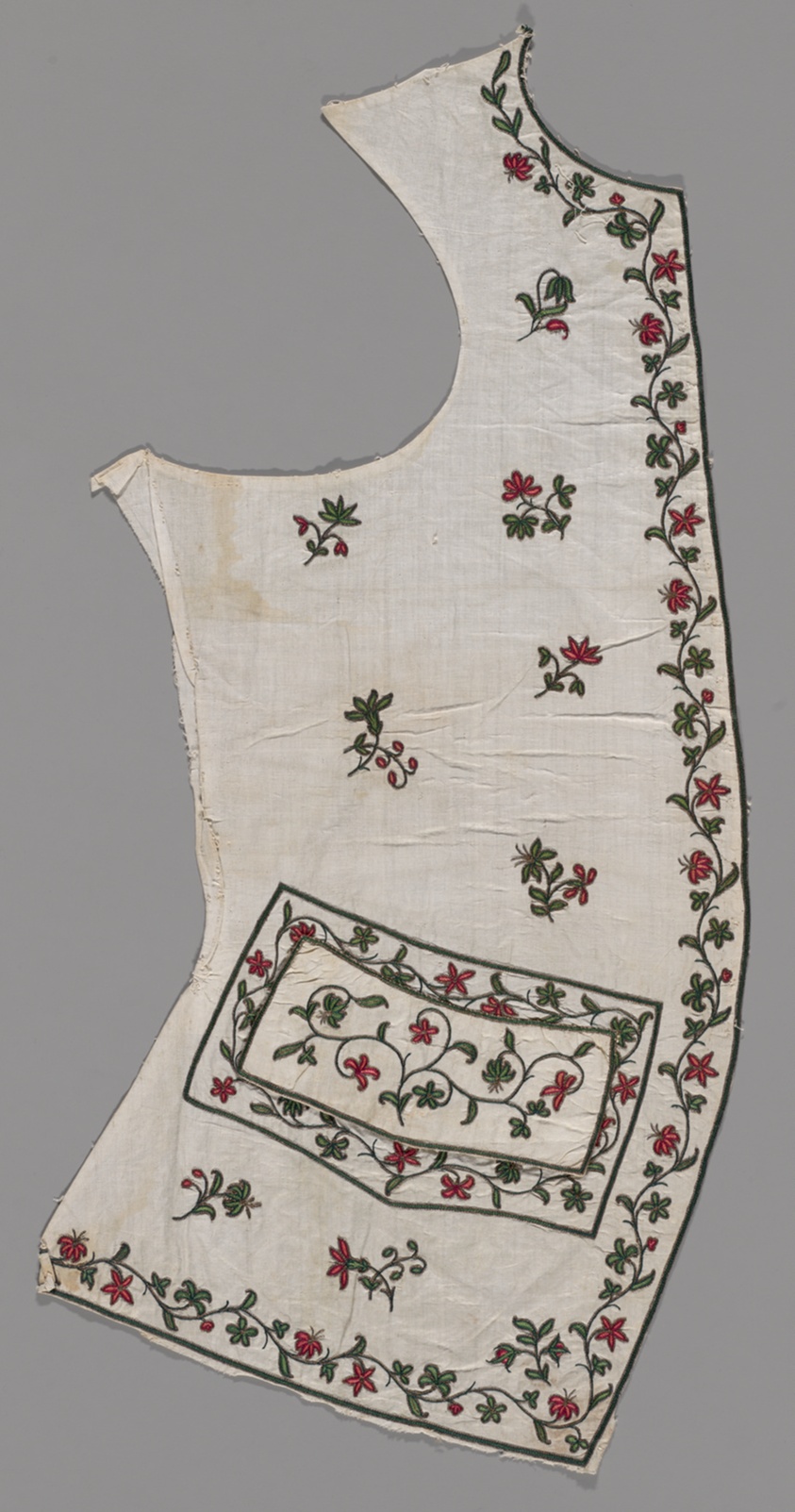
Waistcoat Front Panel
Art Institute of Chicago
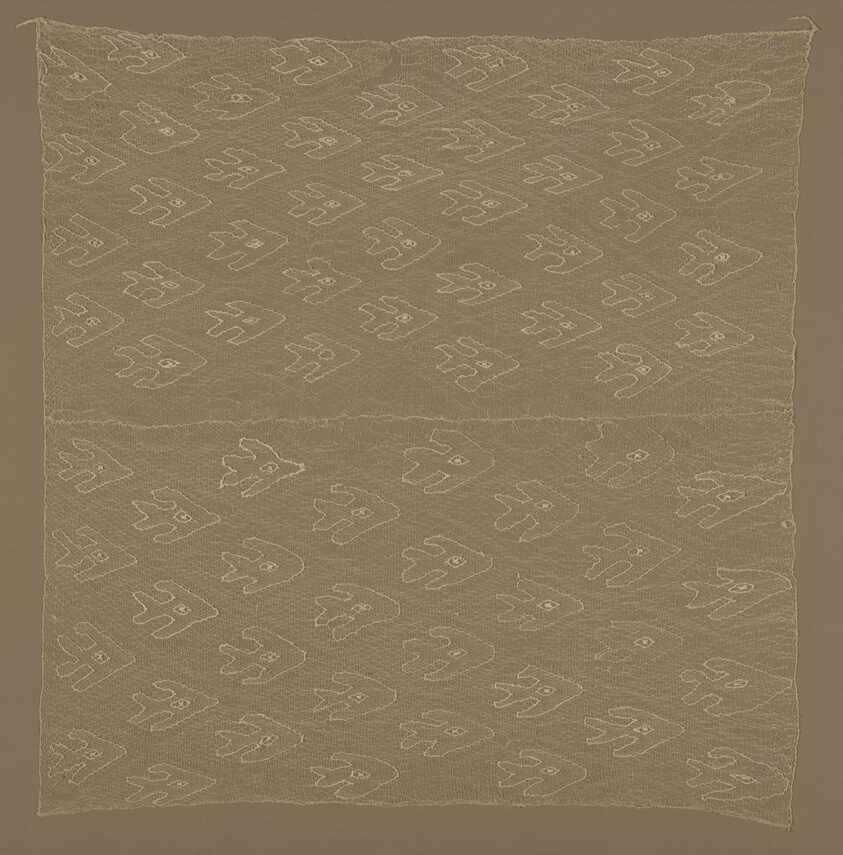
Headcloth
Art Institute of Chicago
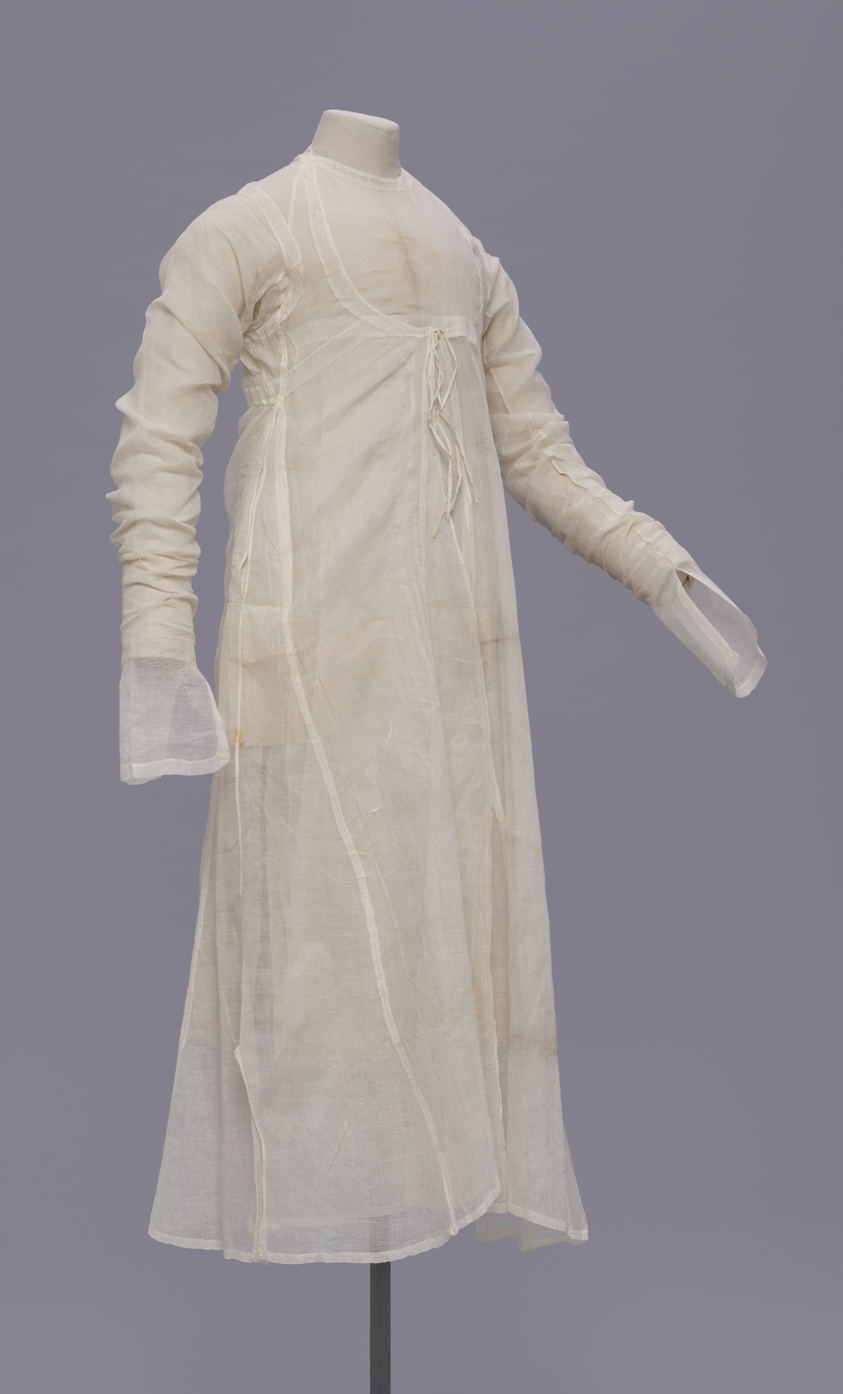
Man's Angarkha (Outer Robe)
Art Institute of Chicago

Green battle surcoat with white family crest
Minneapolis Institute of Art
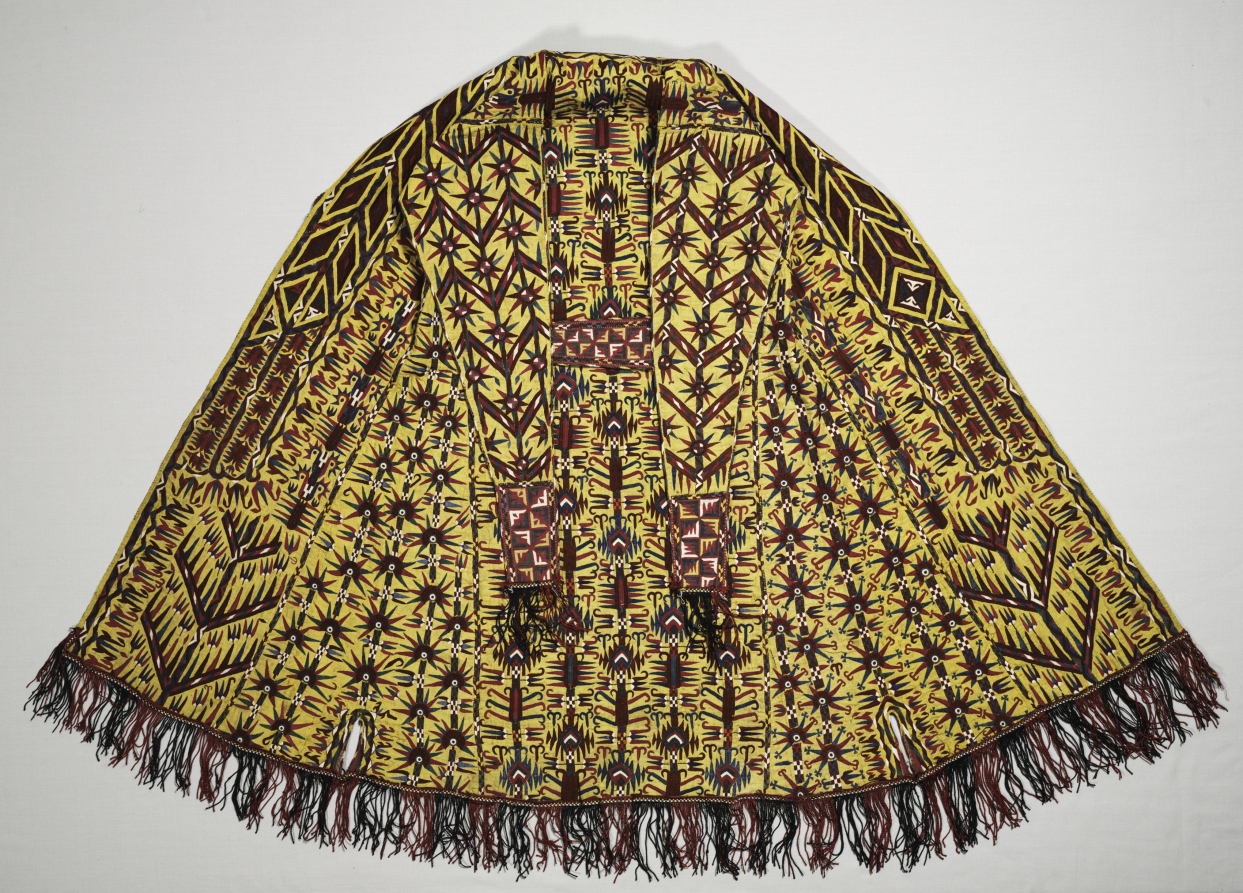
Woman’s Mantle (Chyrpy)
Cleveland Museum of Art

Coat
Minneapolis Institute of Art
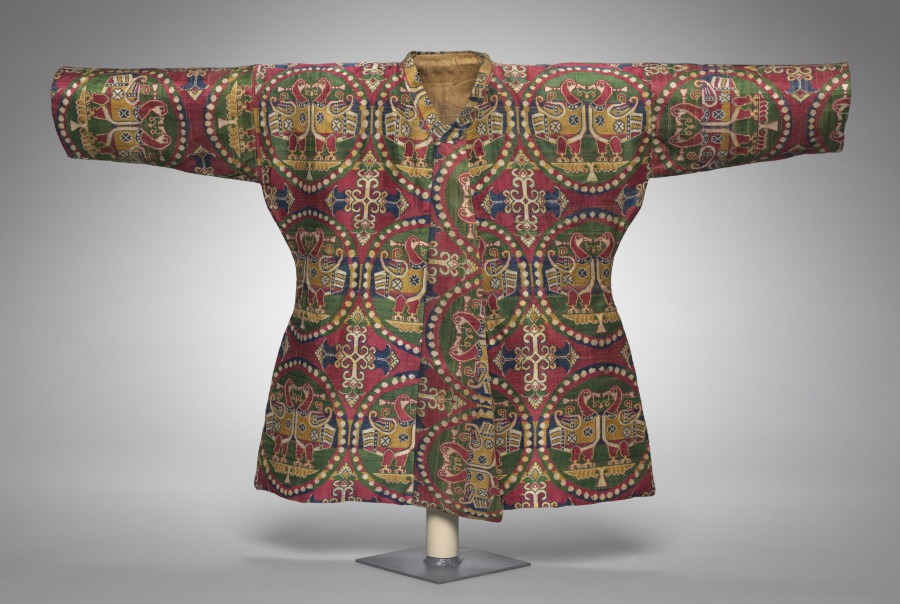
Child’s Coat with Ducks in Pearl Medallions
Cleveland Museum of Art