Cleveland Museum of Art
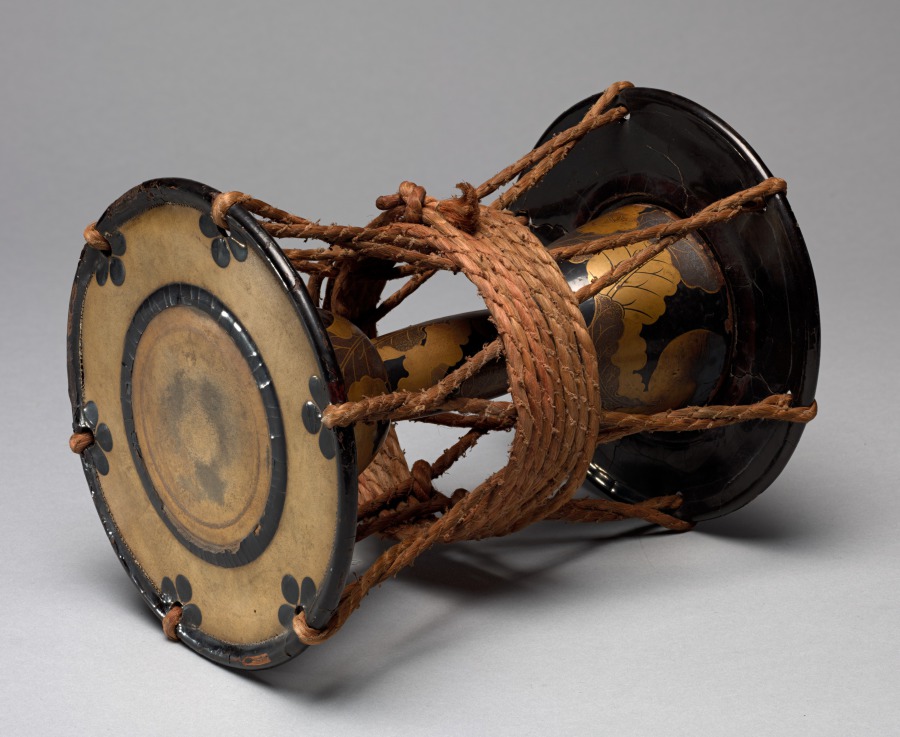
Tsuzumi Drum
- Date
- 1800s
- Medium
- Wood with lacquer and sprinkled gold powder (maki-e), hide, iron, and cord
- Culture
- Japan, Edo period (1615–1868) to Meiji period (1868–1912)
- Department
- Japanese Art
- Institution
- Cleveland Museum of Art
Tsuzumi hand drums were used as musical accompaniment for formal theatrical productions such as Noh, but also in traditional folk music. Small tsuzumi like this one are set against one shoulder, and held in place with one hand, while the other hand beats the heads. The sound is adjusted by regulating the humidity of the hide with one’s breath or spittle.
The authoritative record is held by Cleveland Museum of Art. LinkedCulture surfaces this object and its connections; it does not alter institutional metadata.
Related across collections
Semantically similar works from Cleveland Museum of Art and other institutions.

Hand drum (kundu)
Minneapolis Institute of Art
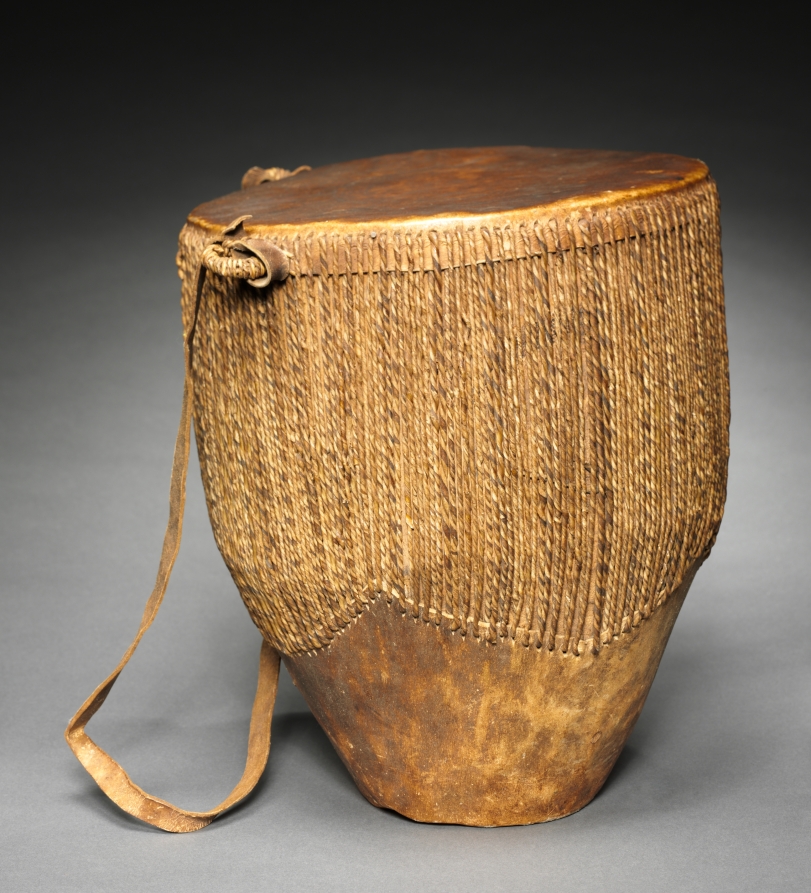
Drum (ngoma)
Cleveland Museum of Art
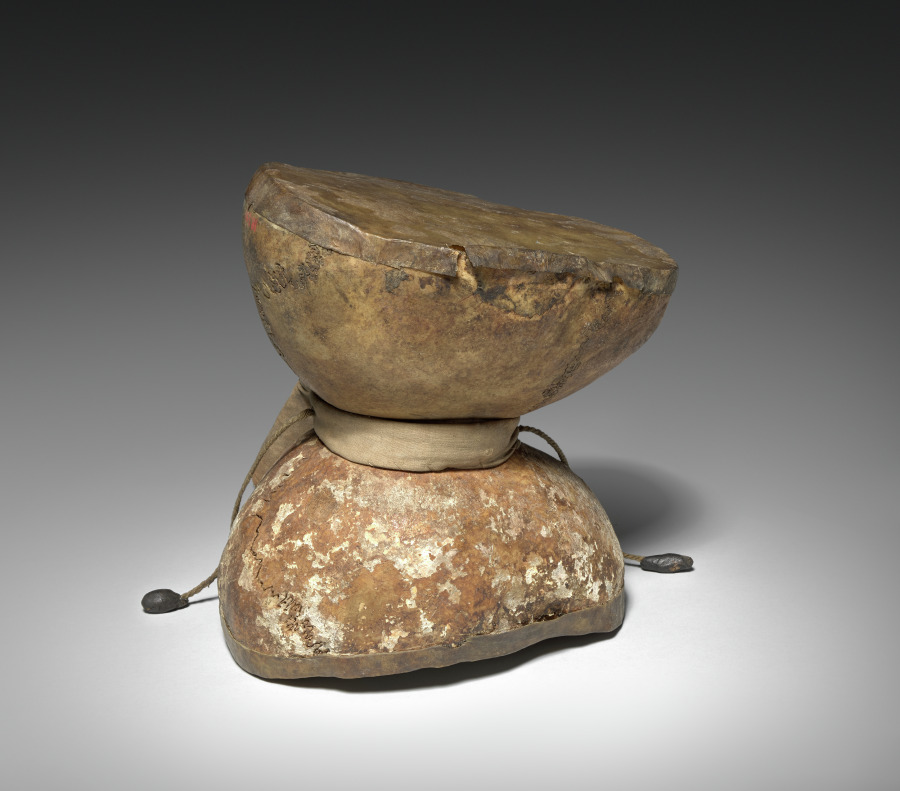
Ritual Drum (damaru)
Cleveland Museum of Art
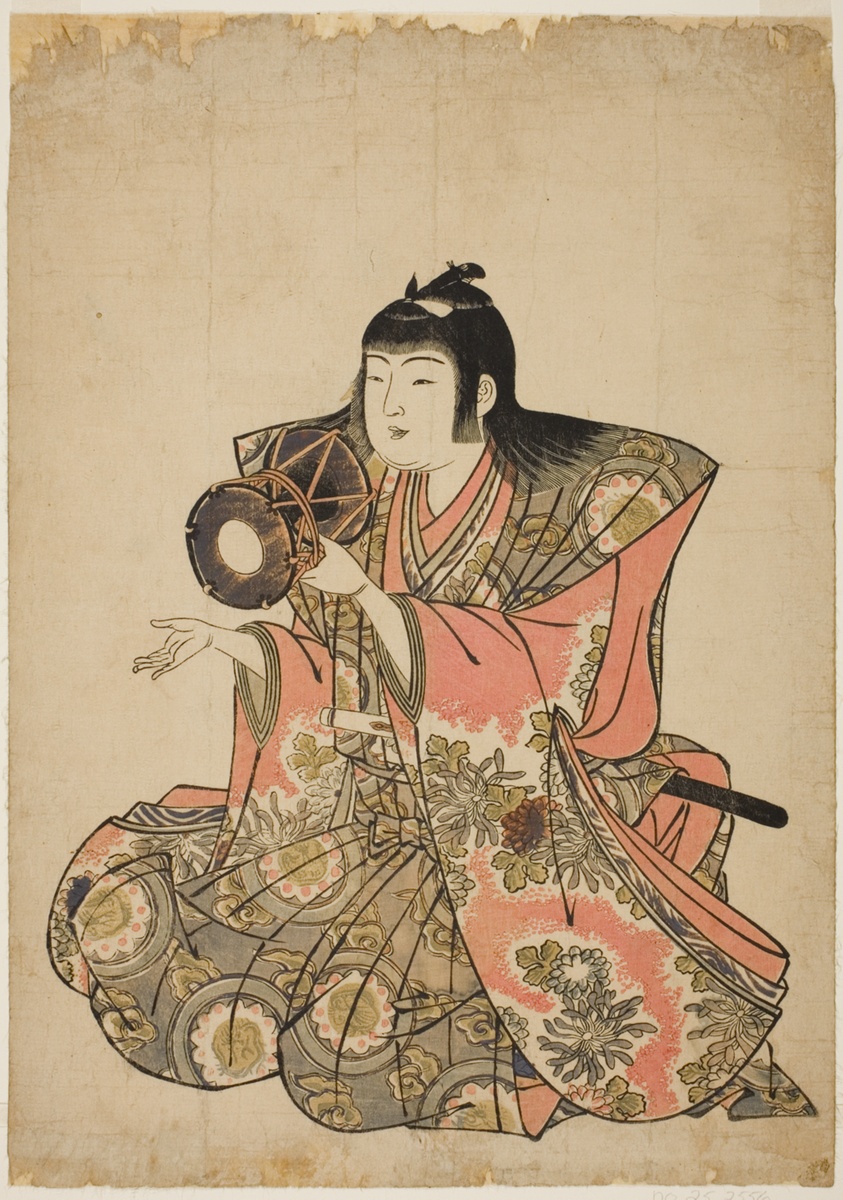
The Hand-Drum Player, from an untitled series of five musicians
Art Institute of Chicago
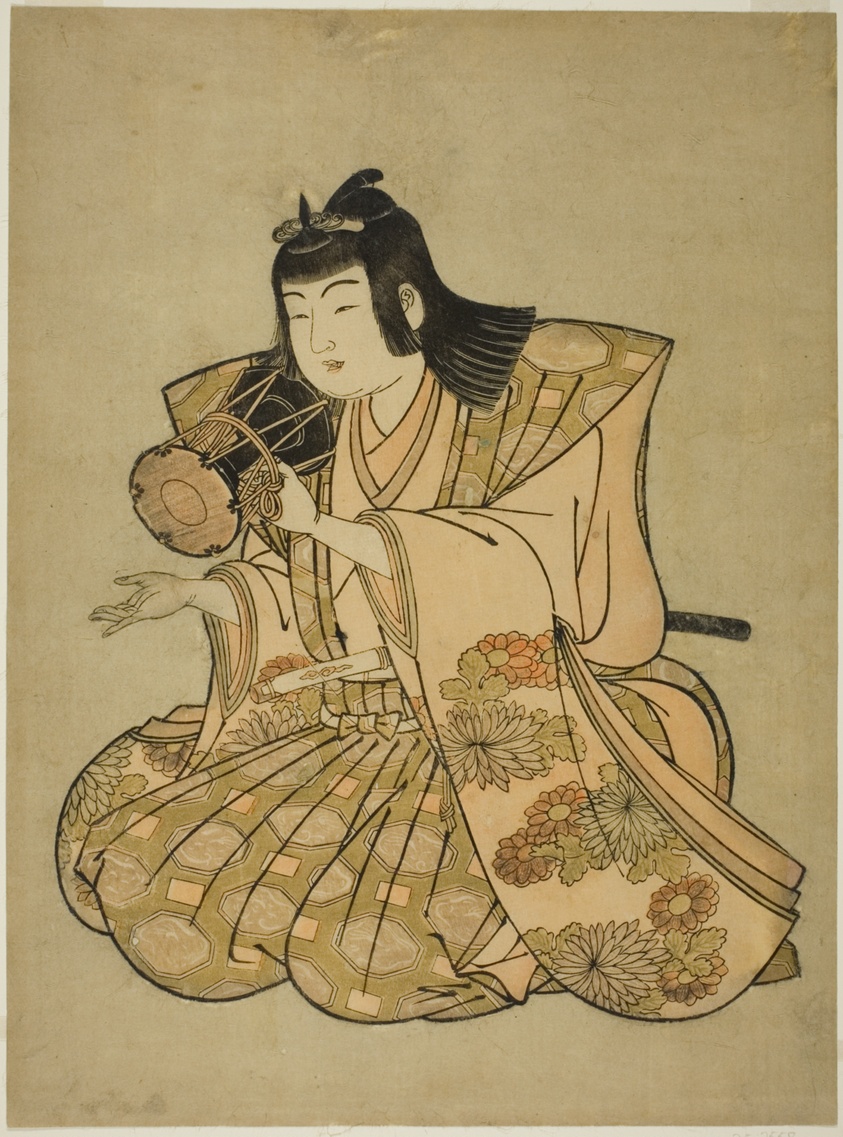
The Hand-Drum Player, from an untitled series of five musicians
Art Institute of Chicago

Hand Drum (kundu)
Minneapolis Institute of Art

Large hand-drum core with grapevines and squirrels
Minneapolis Institute of Art
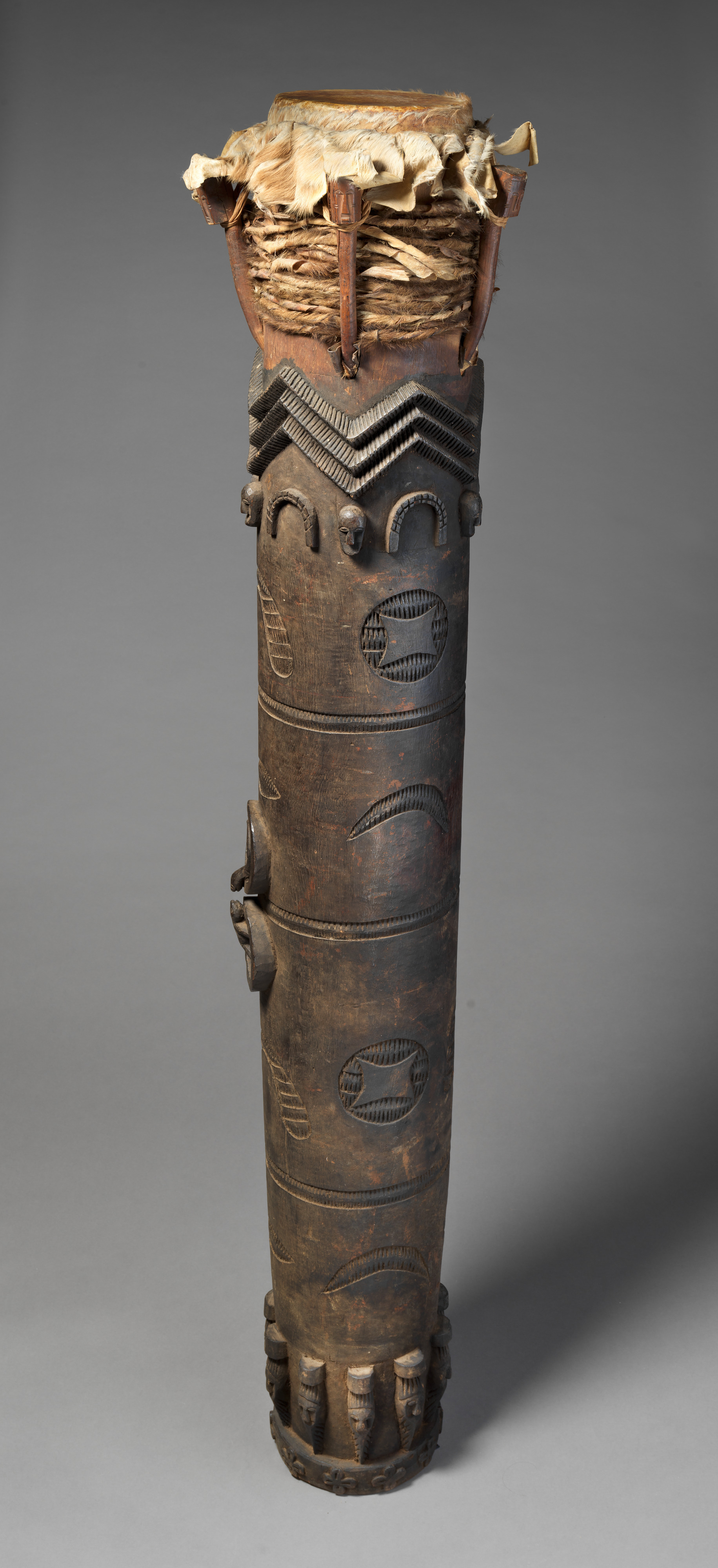
Fokwé (long drum)
The Metropolitan Museum of Art

Courtesan Playing a Hand Drum
Art Institute of Chicago

Courtesan Playing a Hand Drum
Art Institute of Chicago
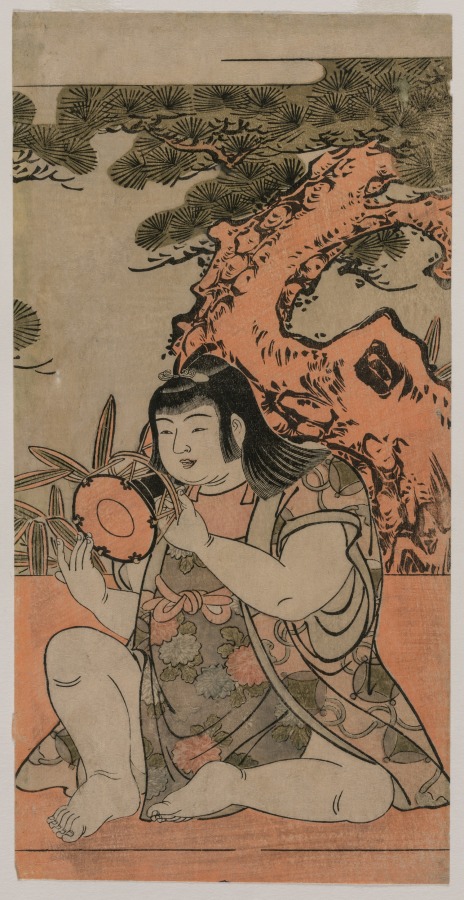
Doll Playing a Hand Drum
Cleveland Museum of Art

Large hand-drum core with tigers and pines
Minneapolis Institute of Art