Cleveland Museum of Art
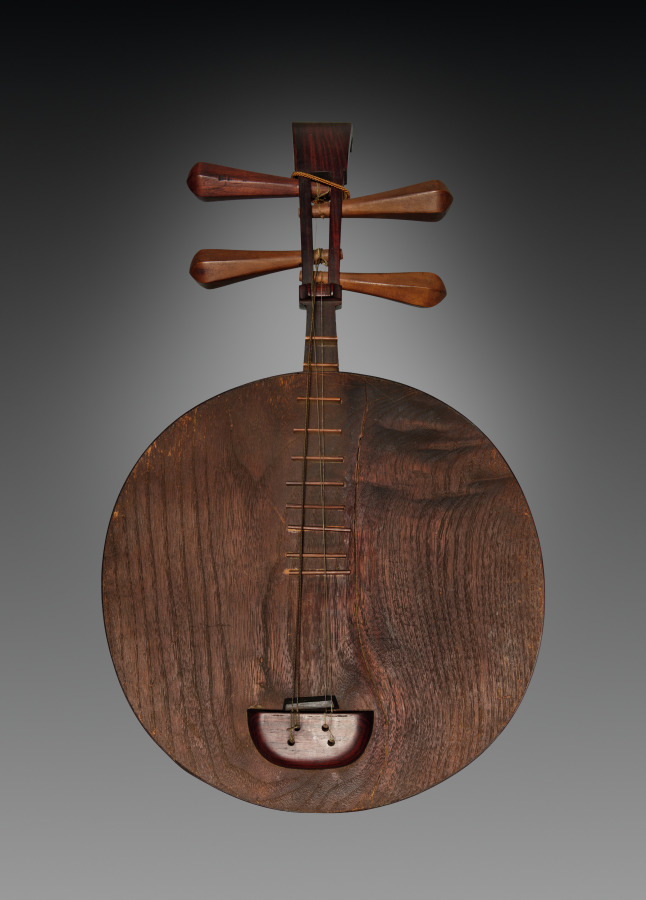
Moon Lute (Yueqin)
- Date
- 1800s
- Medium
- Rosewood, wutong (paulownia) wood, and gut
- Culture
- China, Qing dynasty (1644-1911)
- Department
- Chinese Art
- Institution
- Cleveland Museum of Art
Its resemblance to the full moon ( yue 月) gives the yueqin its name. Found in popular ensembles, the Beijing and folk ( jingxi ) operas and used to accompany song, the yueqin has only recently been embraced by the modern Chinese orchestra. The player presses the strings between the frets making chord playing difficult but giving increased control over the timbre and intonation. Strings are plucked with fingernails or a pick using up-and-down strokes and tremolo techniques that sustain and provide color to a tone. It is known as gekkin in Japan.
The authoritative record is held by Cleveland Museum of Art. LinkedCulture surfaces this object and its connections; it does not alter institutional metadata.
Related across collections
Semantically similar works from Cleveland Museum of Art and other institutions.
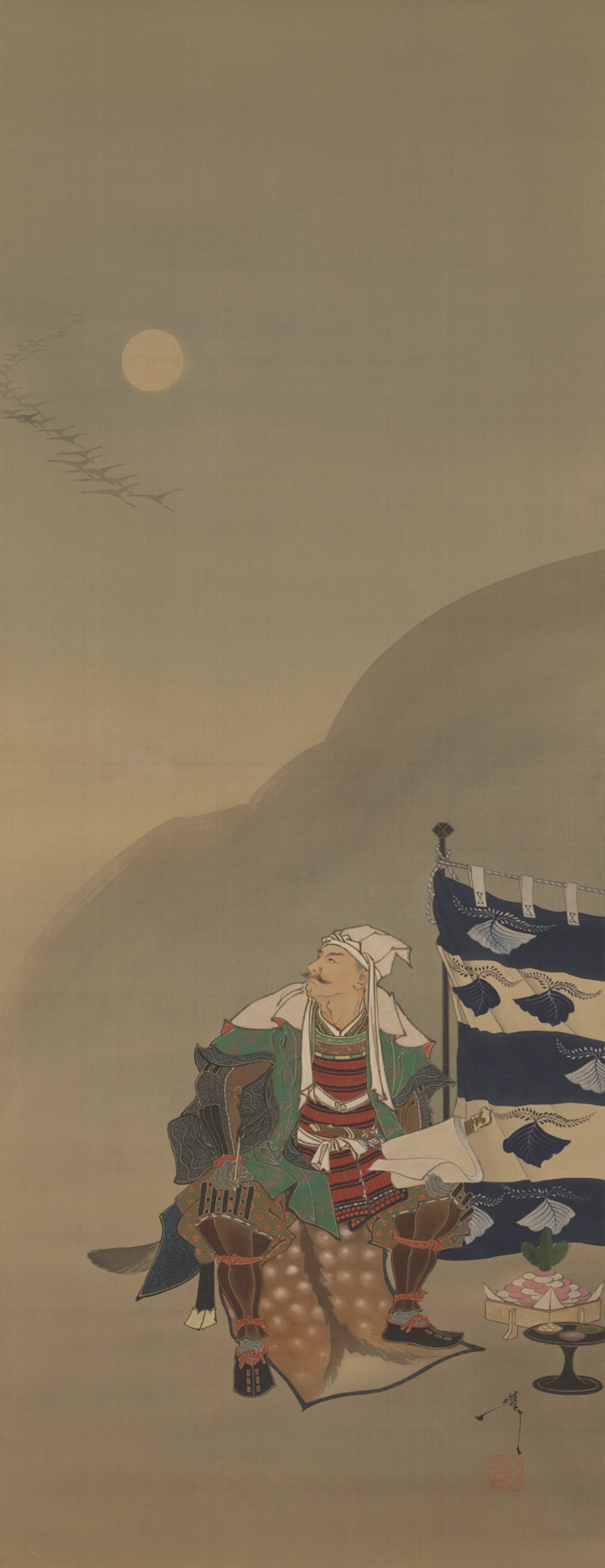
Frost fills the air and the autumn air is still/lines of returning geese cross the moon in the third hour-Kenshin, from the series Twelve Aspects of the Moon
Art Institute of Chicago

Lute table
Minneapolis Institute of Art
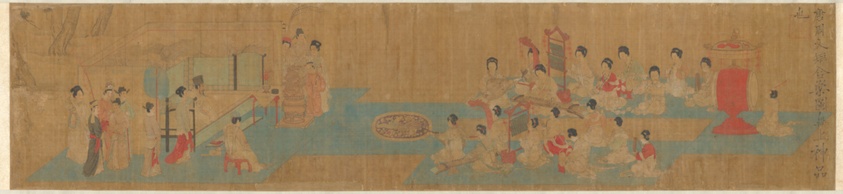
United by Music 合樂圖
Art Institute of Chicago
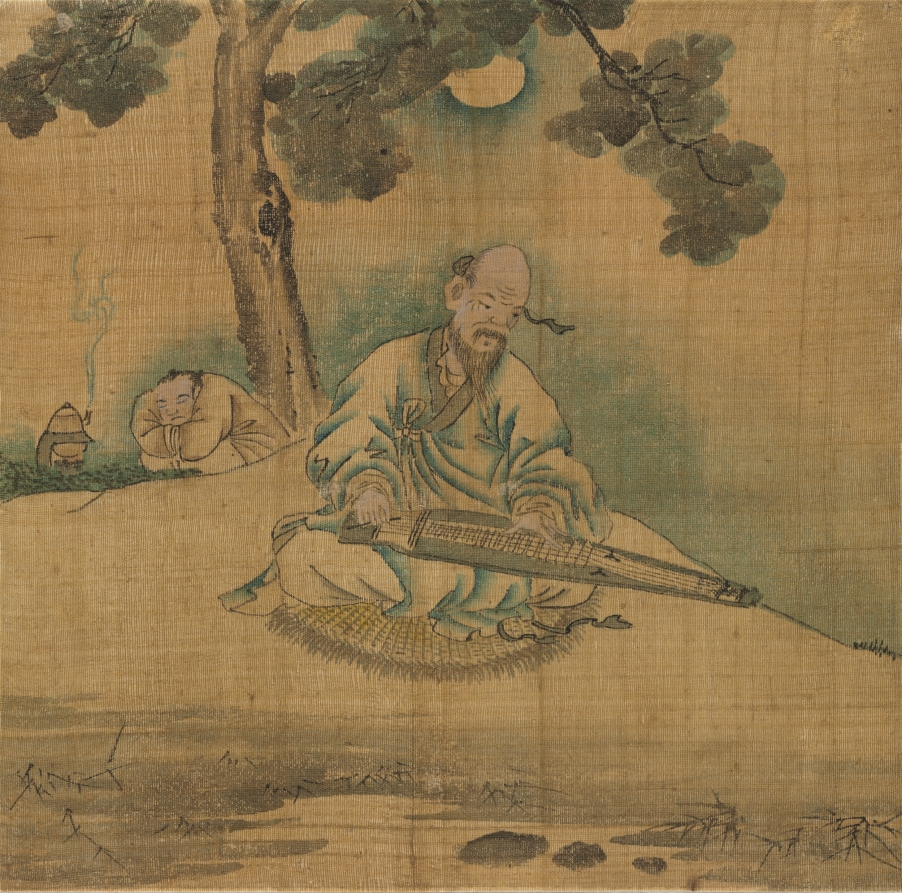
Scholar Playing a Qin
Cleveland Museum of Art

Zither (qin)
Minneapolis Institute of Art

Junzhong (zither)
Minneapolis Institute of Art

Gagaku Flutes named “Winter Wind” (Kogarashi) with Box and Case
Minneapolis Institute of Art

Female musician, one of a pair
Minneapolis Institute of Art

Female musician, one of a pair
Minneapolis Institute of Art
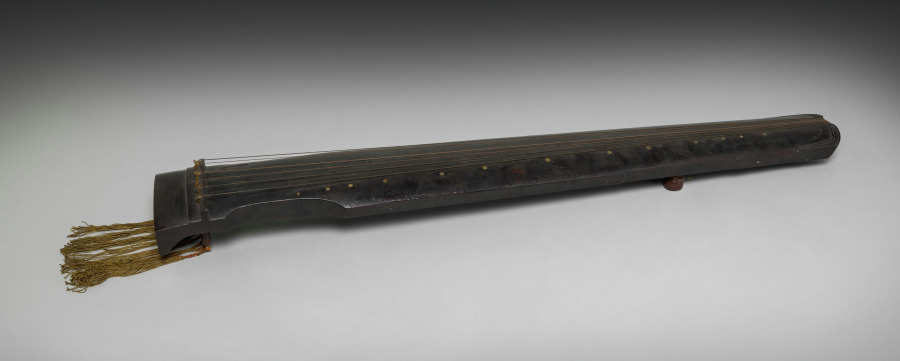
Guqin made by Zhang Ruixiu of Suzhou
Cleveland Museum of Art
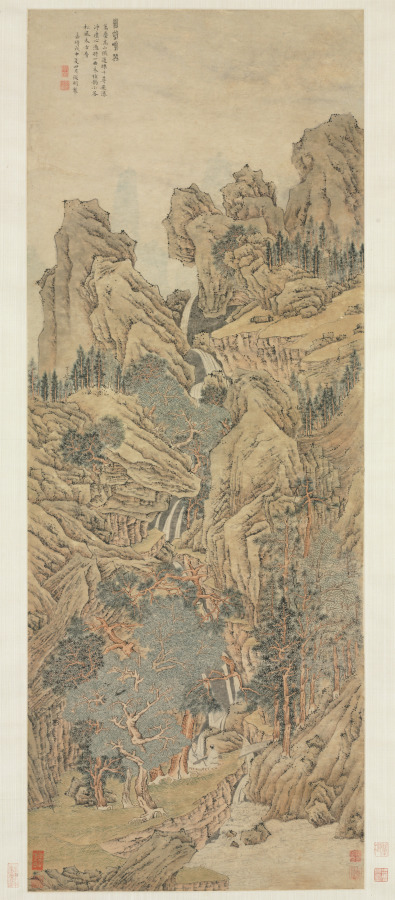
Playing the Qin in a Secluded Valley
Cleveland Museum of Art

Pair of female musicians
Minneapolis Institute of Art