
Minneapolis Institute of Art
Lute table
China
- Date
- c. 1600
- Medium
- Huanghuali hardwood and cedar
- Department
- Asian Art
- Institution
- Minneapolis Institute of Art
This extremely rare lute table captures the essence of literati taste. Made in Suzhou around 1600, the work exemplifies the sophisticated designs achieved during the golden age of Chinese furniture making. Its simplicity, fluidity and superb balance, made possible by extremely advanced, concealed joinery, allows for a minimal use of material and elegant proportions. Throughout Chinese history, the lute ( qin , ) has been the most important symbolic musical instrument. Since Confucian times (6th century BCE), lute playing was regarded as a sign of enlightenment. By the Ming dynasty (1368-1644), the qin had developed into a significant icon for the literati, who saw its mere possession as an indication of intellect and refinement. China, Asia
The authoritative record is held by Minneapolis Institute of Art. LinkedCulture surfaces this object and its connections; it does not alter institutional metadata.
Related across collections
Semantically similar works from Minneapolis Institute of Art and other institutions.

Zither (qin)
Minneapolis Institute of Art
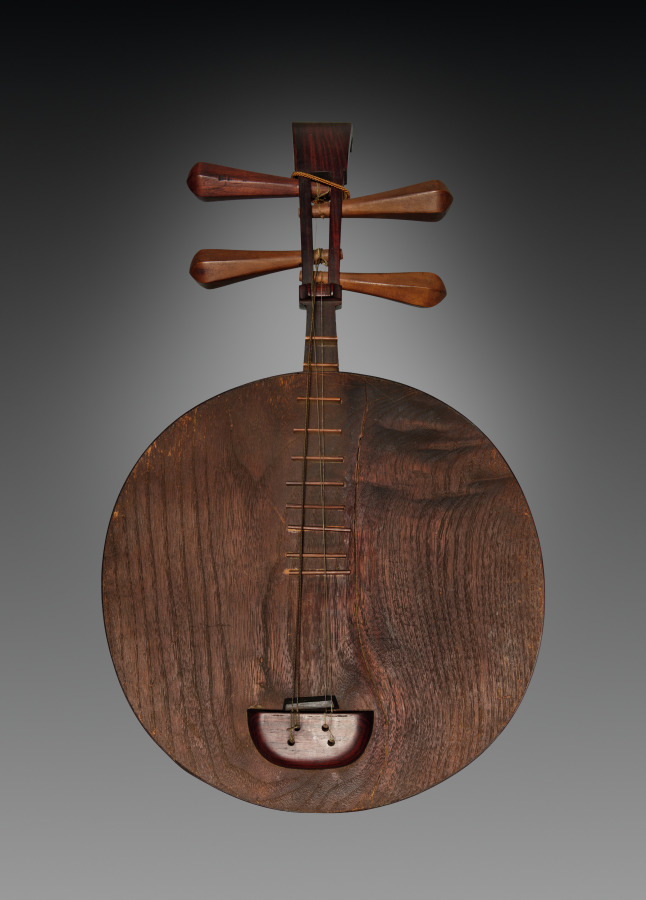
Moon Lute (Yueqin)
Cleveland Museum of Art

Wristrest in the Shape of a Chin (Lute)
Minneapolis Institute of Art
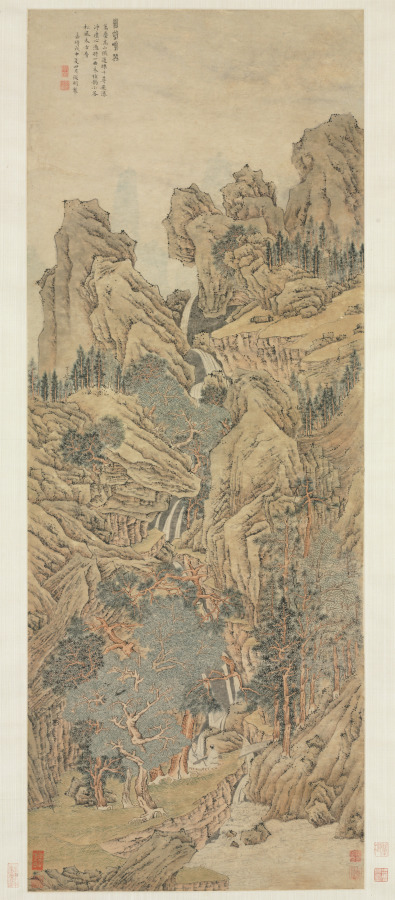
Playing the Qin in a Secluded Valley
Cleveland Museum of Art
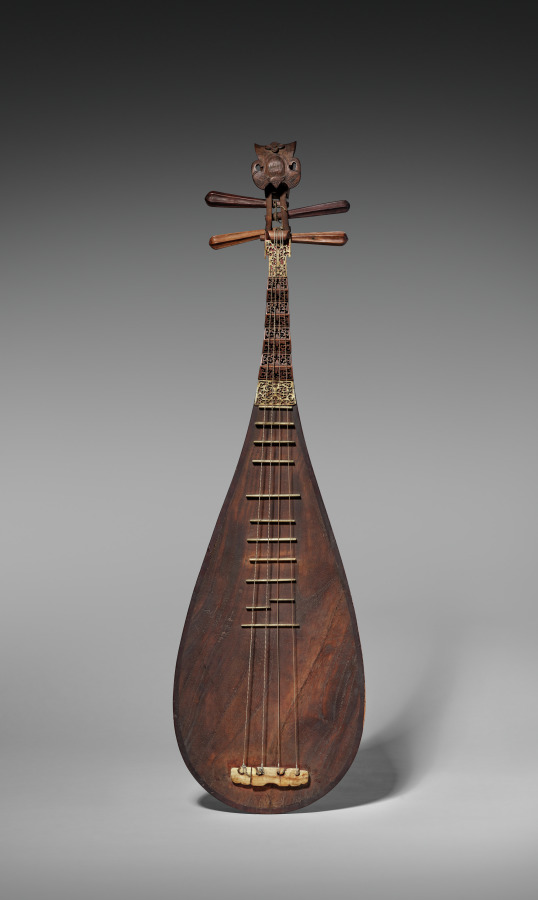
Pipa
Cleveland Museum of Art
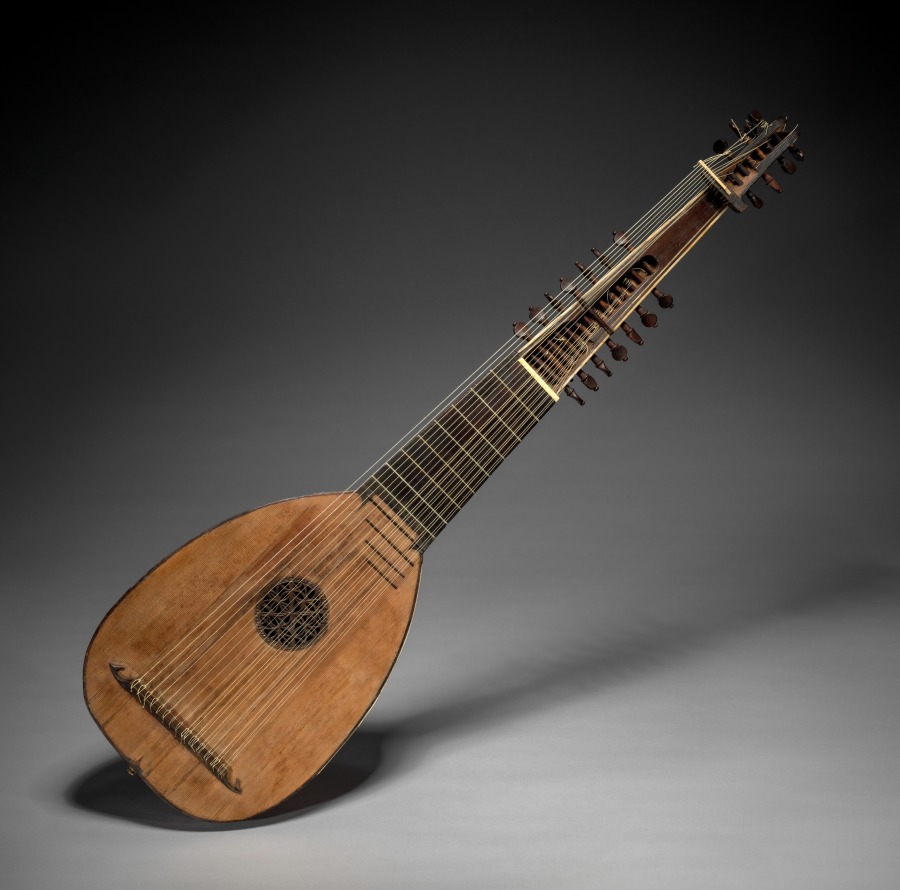
Lute or Tiorbino
Cleveland Museum of Art

Lute
Cleveland Museum of Art

Tomb figure of a musician playing a lute
Minneapolis Institute of Art
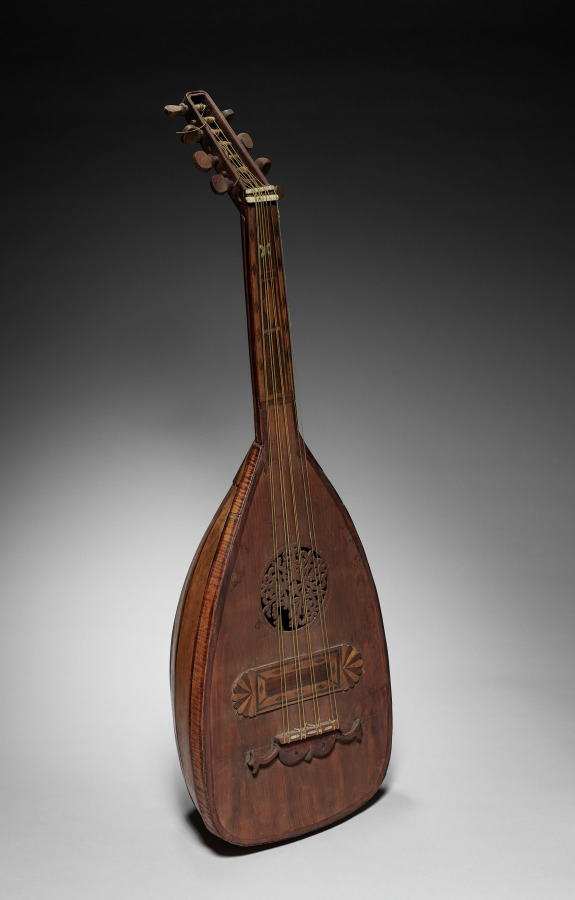
Lute
Cleveland Museum of Art

Tomb figure of a musician playing a lute
Minneapolis Institute of Art

Junzhong (zither)
Minneapolis Institute of Art
Toad
Cleveland Museum of Art