Cleveland Museum of Art
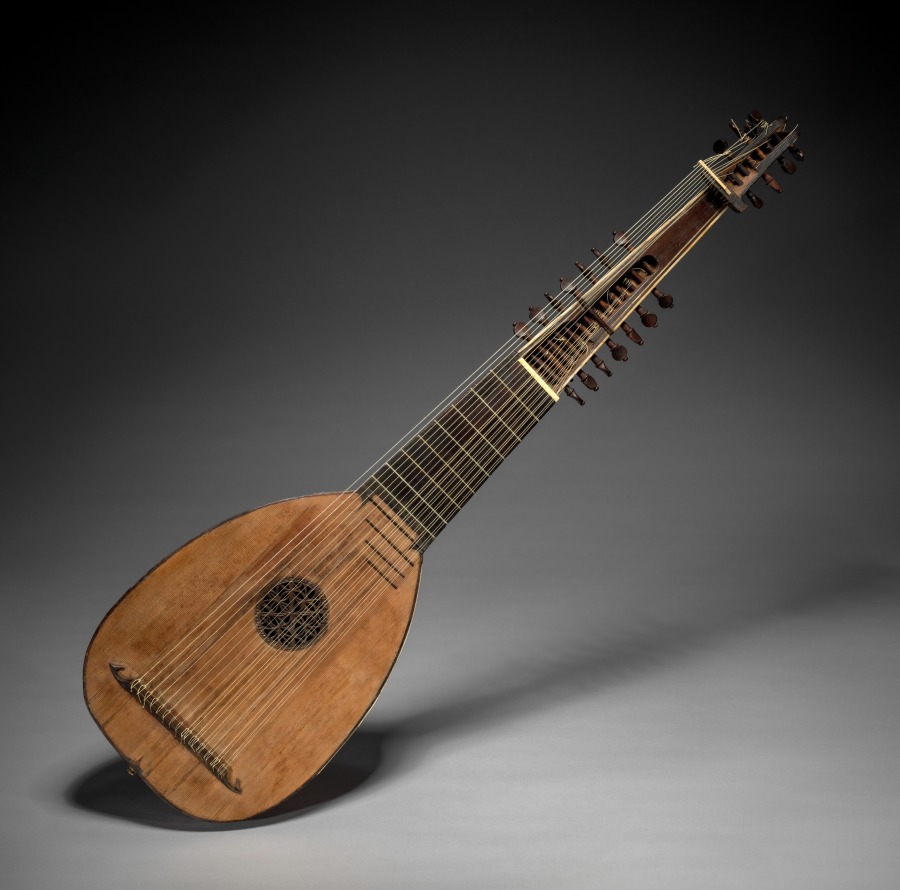
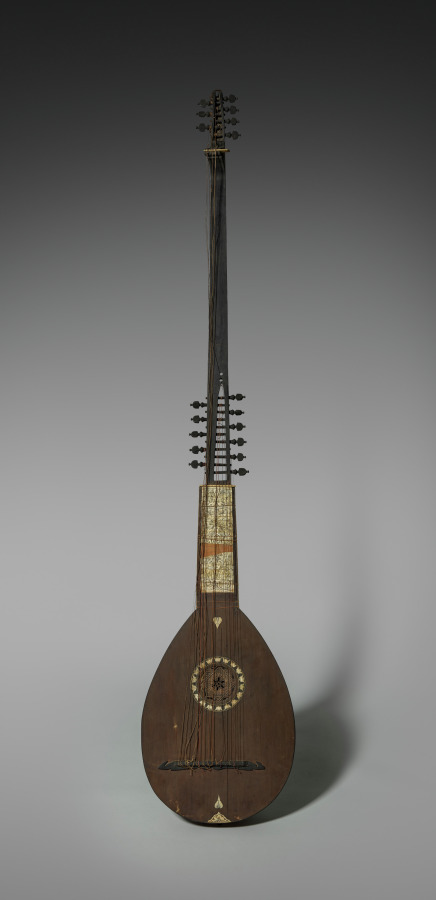
Lute or Tiorbino
- Date
- c. 1620
- Medium
- wood
- Culture
- Italy, probably made in the mid-17th century, but modified by later repair
- Department
- Decorative Art and Design
- Institution
- Cleveland Museum of Art
The lute was the most important musical instrument in secular settings throughout the 16th and 17th centuries. Not only a virtuoso instrument with a huge repertoire, the lute provided the ideal accompaniment for the voice, played an essential role in ensembles, figured in masques and operas, and was played by amateurs as well as professionals. A highly specialized instrument, this tiorbino is a type of long-necked lute resembling a theorbo, but significantly smaller and pitched an octave higher. An object of great rarity, it is one of the smallest Baroque tiorbinos to survive.
The authoritative record is held by Cleveland Museum of Art. LinkedCulture surfaces this object and its connections; it does not alter institutional metadata.
Related across collections
Semantically similar works from Cleveland Museum of Art and other institutions.
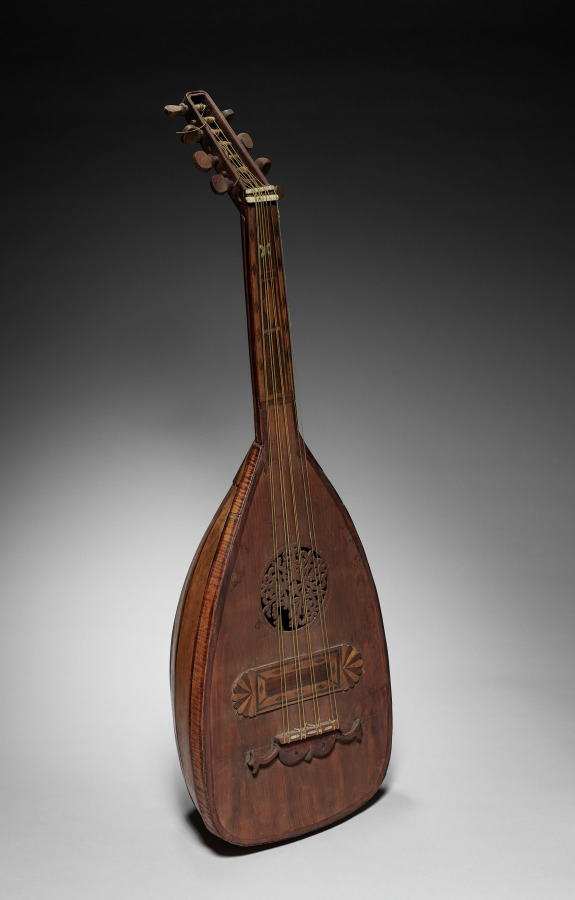
Lute
Cleveland Museum of Art

Lute
Cleveland Museum of Art

Lute table
Minneapolis Institute of Art
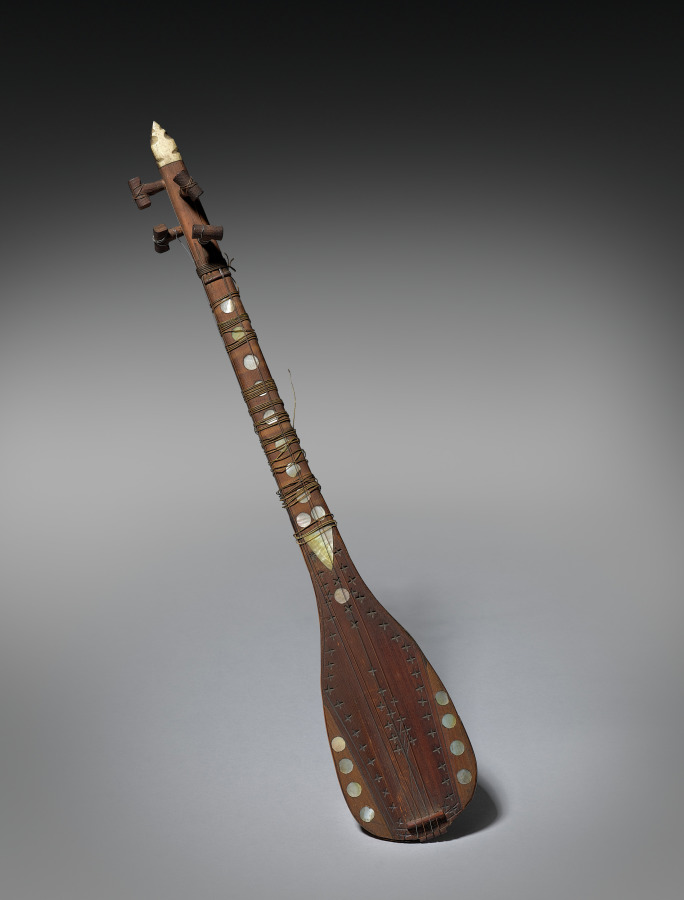
Tanbūr
Cleveland Museum of Art
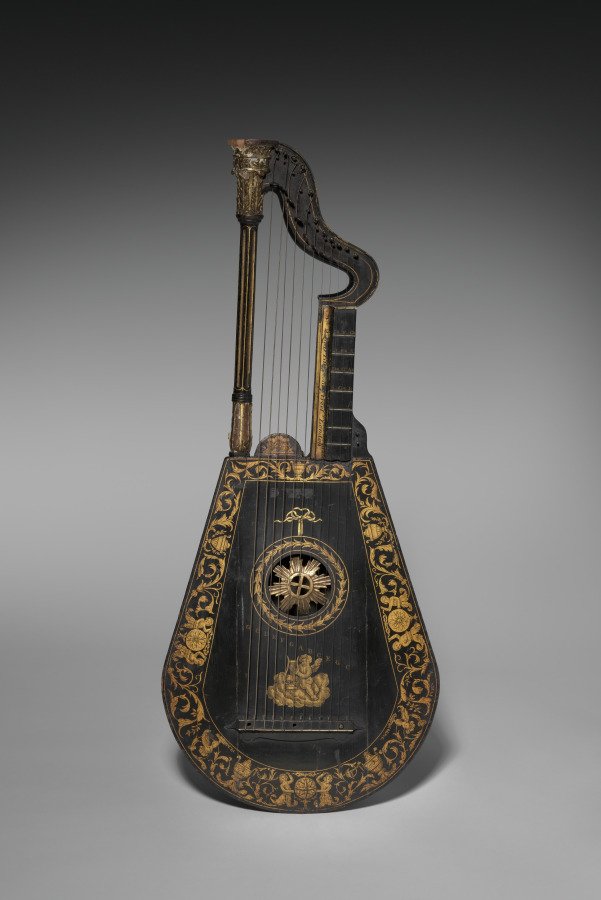
Harp-Lute
Cleveland Museum of Art
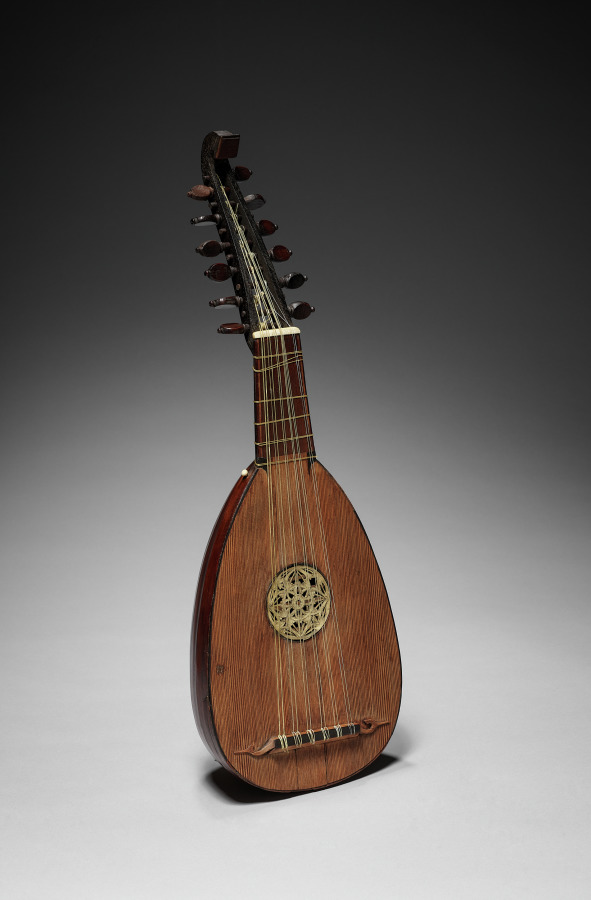
Lutina
Cleveland Museum of Art
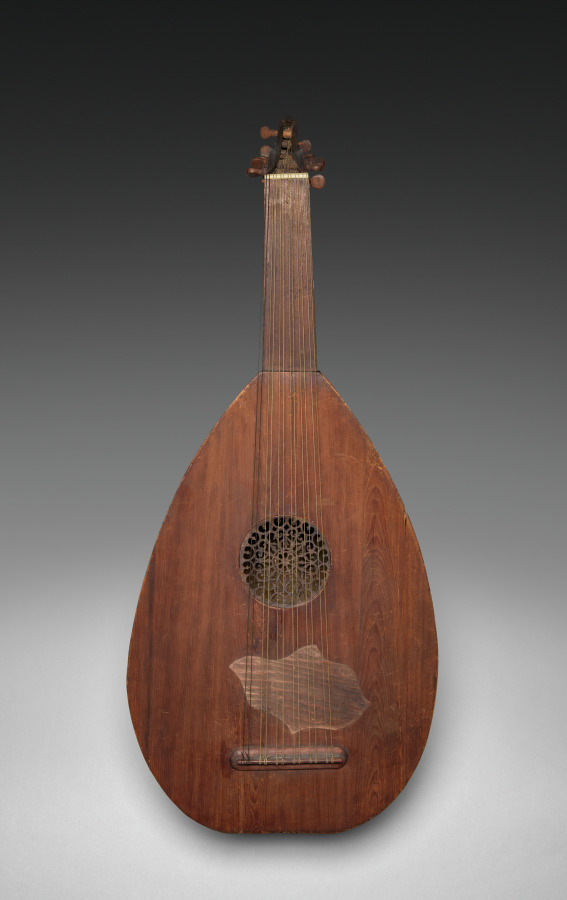
Oud
Cleveland Museum of Art
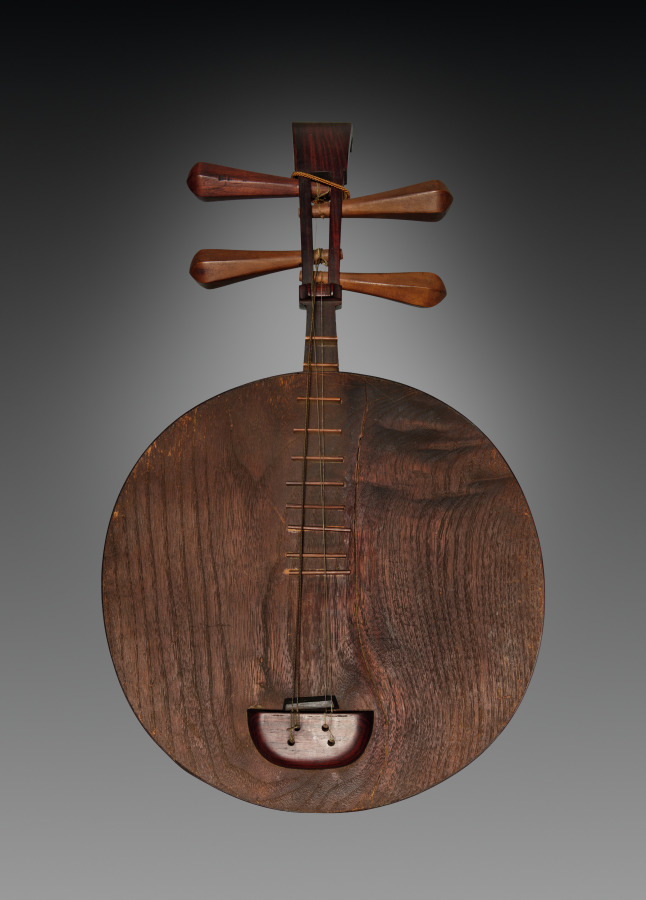
Moon Lute (Yueqin)
Cleveland Museum of Art

Lady Playing a Lute
Getty Museum

The Singer and the Lute Player
Art Institute of Chicago
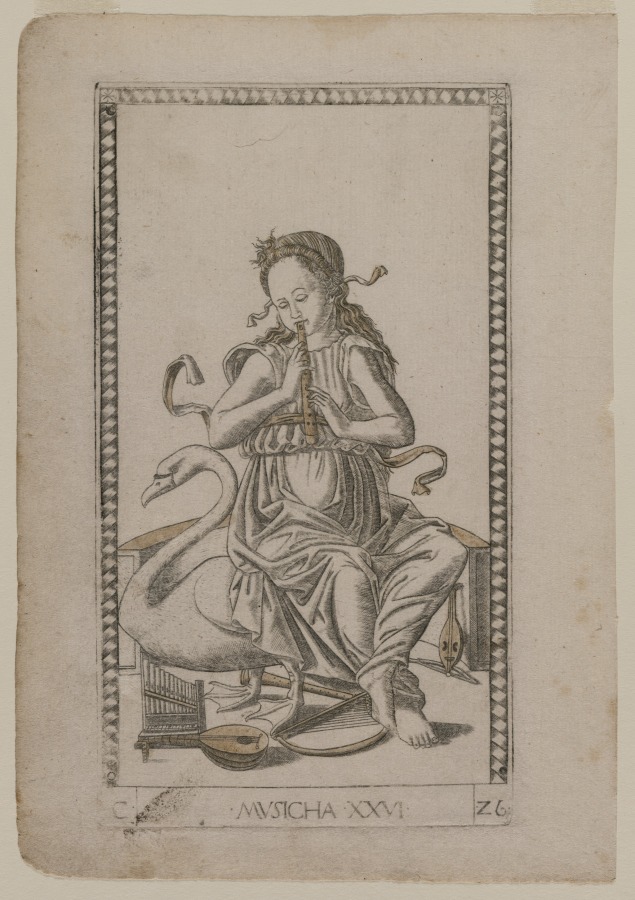
Music (from the Tarocchi, series C: Liberal Arts, #26)
Cleveland Museum of Art
Chittarone
Cleveland Museum of Art