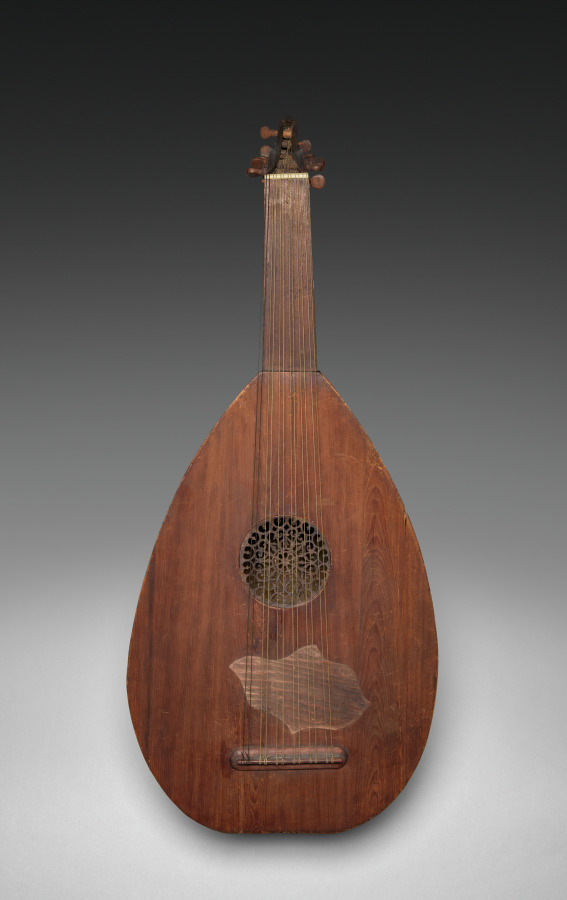
Cleveland Museum of Art
Oud
- Date
- late 1800s–early 1900s
- Medium
- Wood, gut, and metal
- Culture
- West Asia
- Department
- Islamic Art
- Institution
- Cleveland Museum of Art
A member of the lute family, there is perhaps no more emblematic instrument of the Islamic world than the oud. It provided music for banquets and gatherings, accompanied poets, punctuated celebrations and festivals, and is still prominent today. The oud is included in the medieval philosopher al-Farabi’s (872–950/951) Great Book of Music (Kitab al-Musiqa al-Kabir ) in which he discusses the modal system of Arabic music. The defining characteristics of an oud are evident here: a pear-shaped body with a fretless fingerboard and a peg box set at a 45-to-90-degree angle to the neck. The oud has influenced music traditions throughout the world by becoming the European lute, the Chinese pipa , and the Indonesian qanbūs .
The authoritative record is held by Cleveland Museum of Art. LinkedCulture surfaces this object and its connections; it does not alter institutional metadata.
Related across collections
Semantically similar works from Cleveland Museum of Art and other institutions.
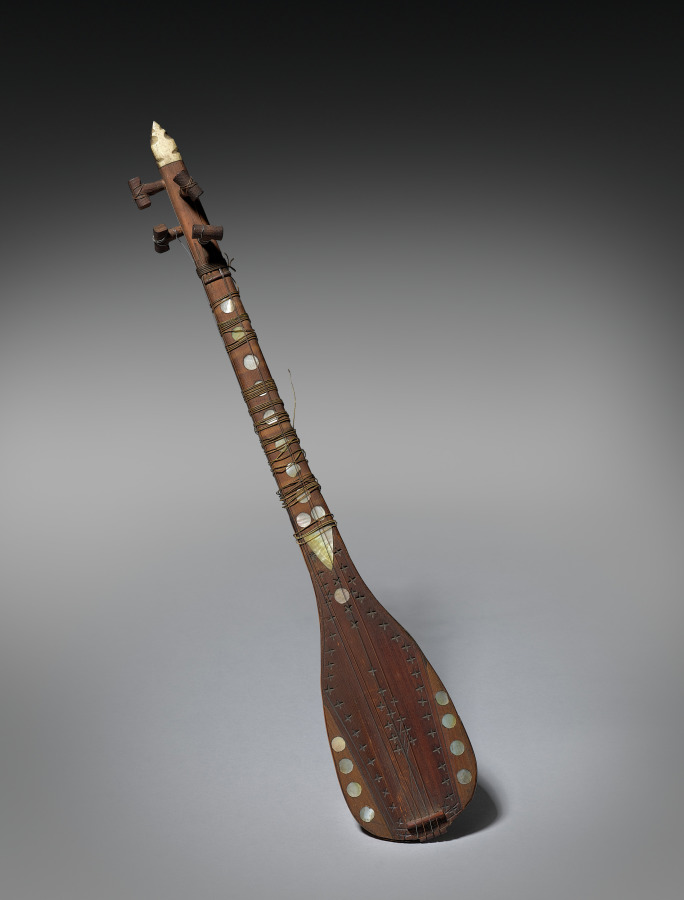
Tanbūr
Cleveland Museum of Art
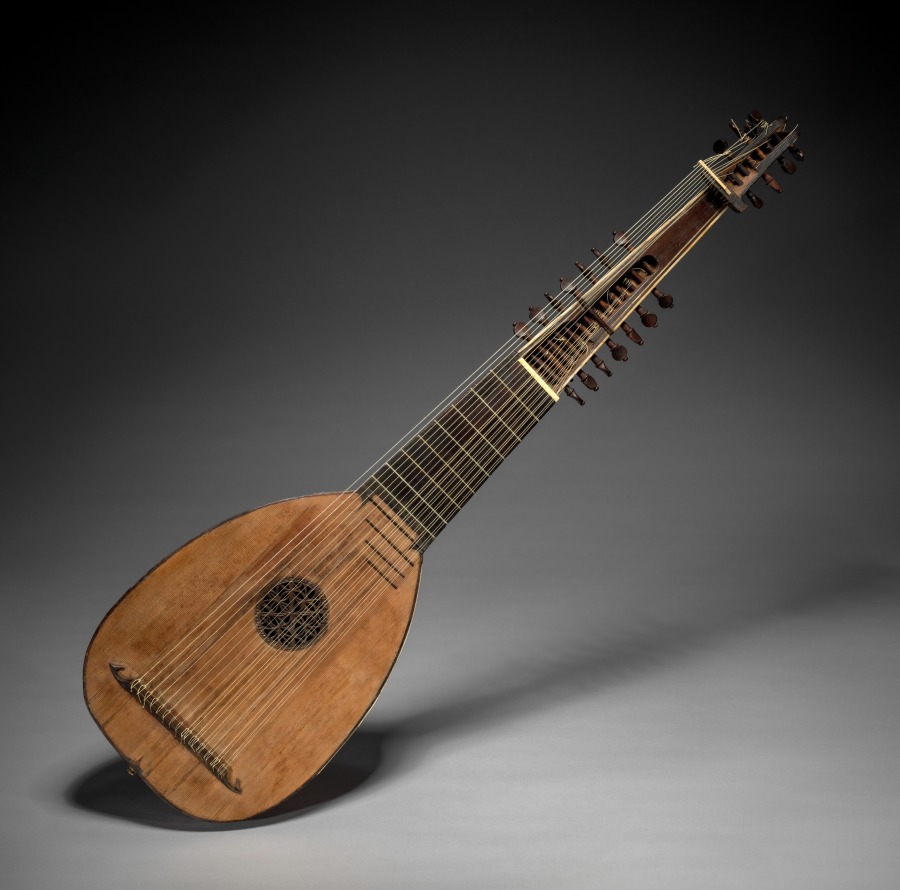
Lute or Tiorbino
Cleveland Museum of Art
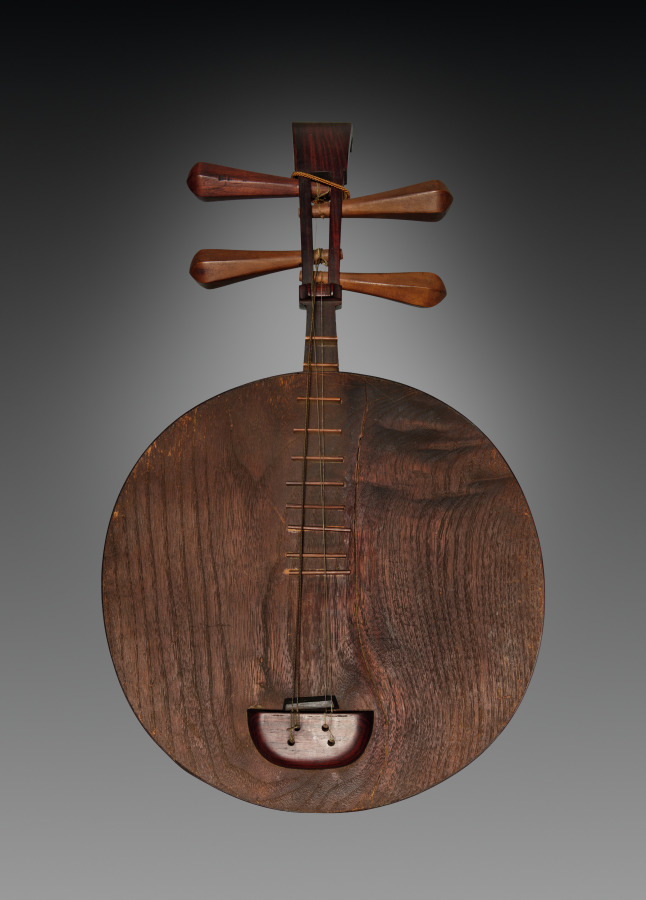
Moon Lute (Yueqin)
Cleveland Museum of Art

Scarab
Minneapolis Institute of Art
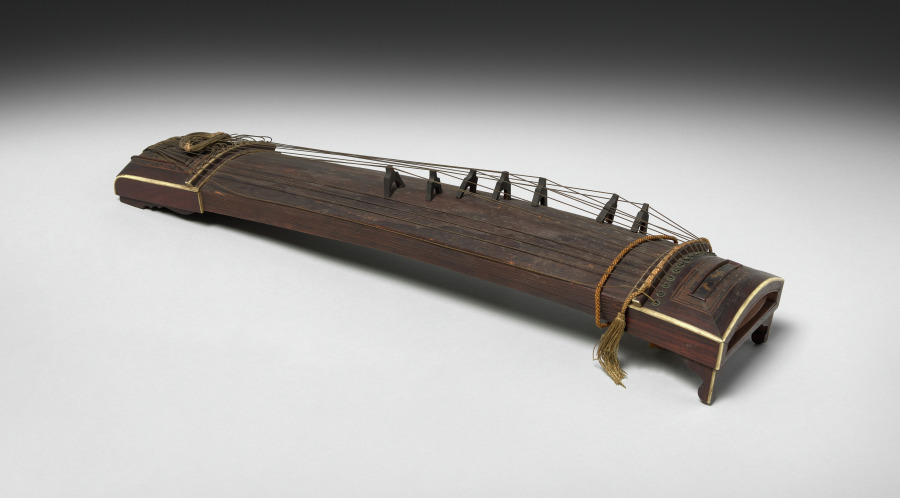
Koto
Cleveland Museum of Art

Lute table
Minneapolis Institute of Art
Amulets (string): Eye of Horus, Djed Pillars, Scarabs
Art Institute of Chicago
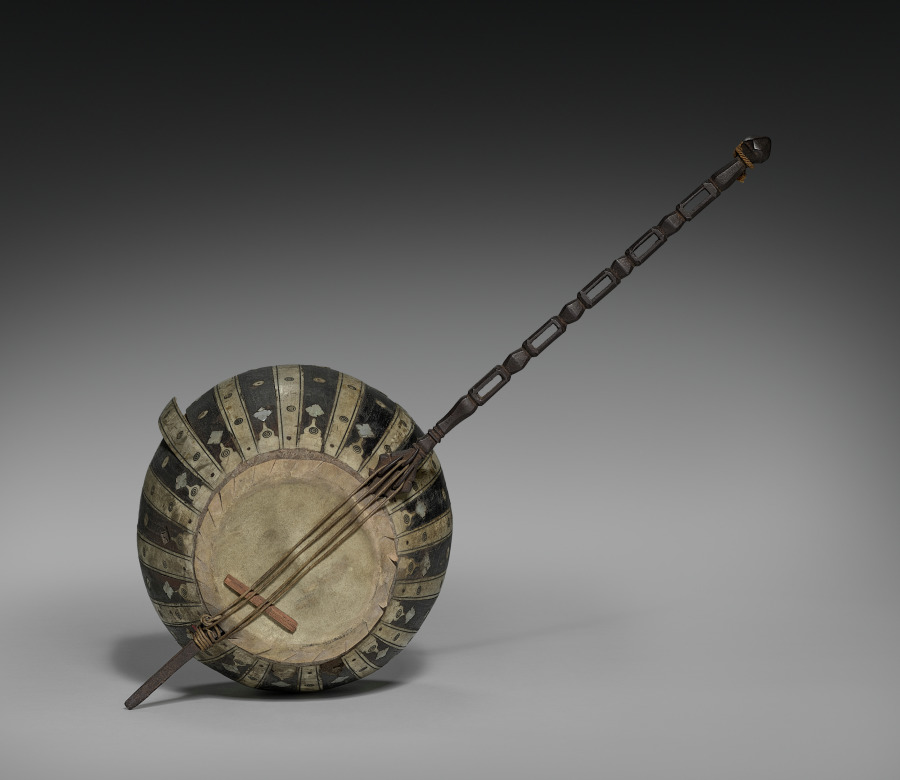
Kamānche (incomplete)
Cleveland Museum of Art

Lute
Cleveland Museum of Art
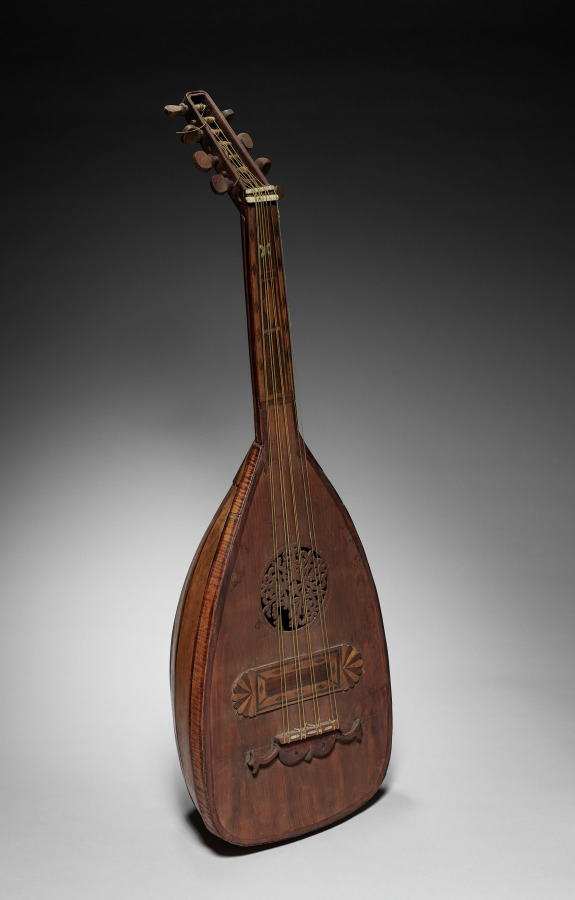
Lute
Cleveland Museum of Art
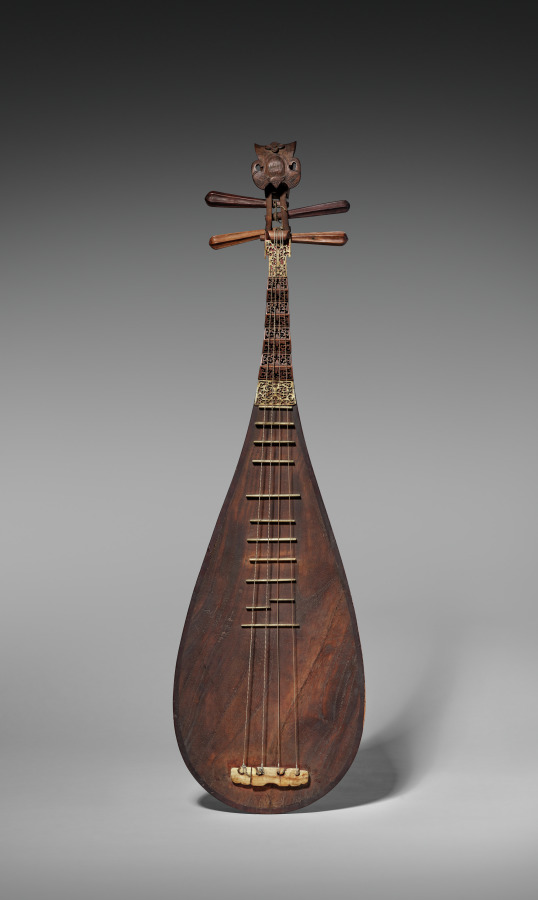
Pipa
Cleveland Museum of Art
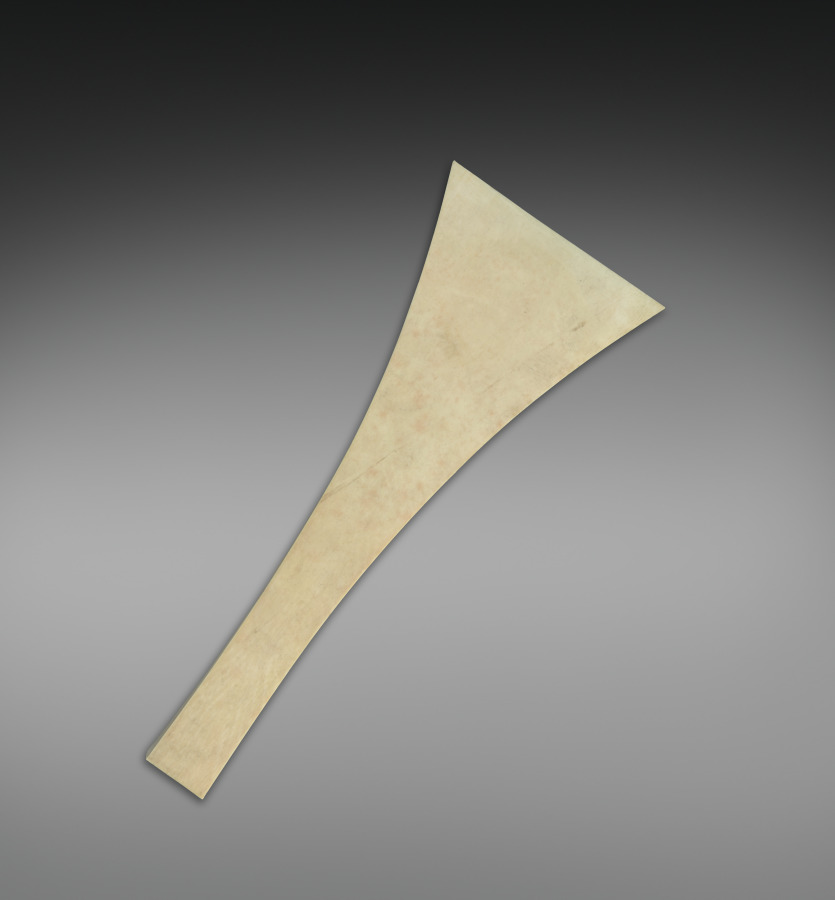
Guitar (plectrum)
Cleveland Museum of Art