Cleveland Museum of Art
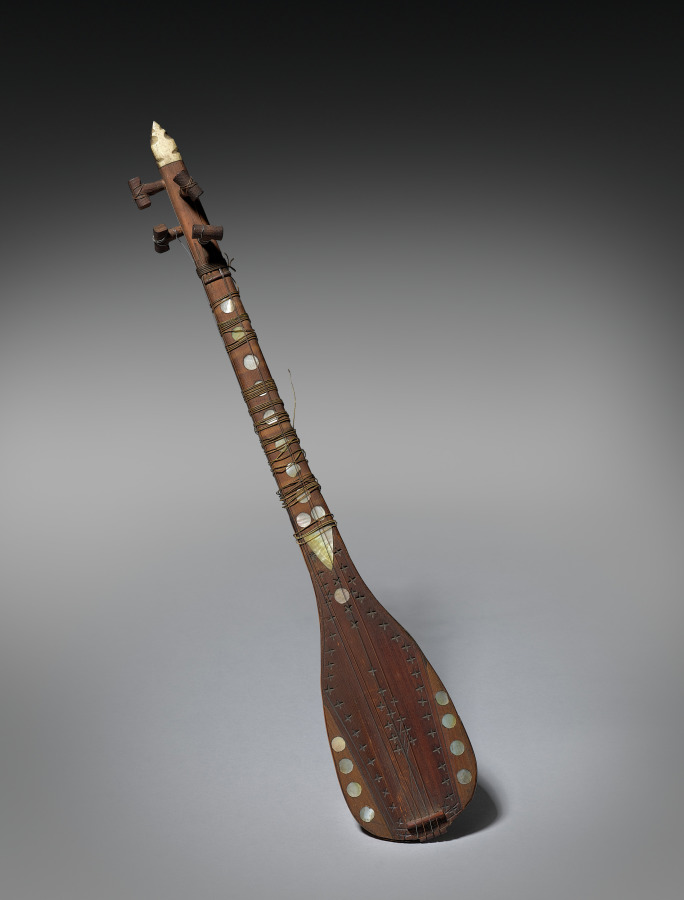
Tanbūr
- Date
- late 1800s
- Medium
- Wood, bone, mother-of-pearl, and wire
- Culture
- Syria or Turkey, Ottoman period (1299–1922)
- Department
- Islamic Art
- Institution
- Cleveland Museum of Art
This long-necked lute collected in Ottoman Syria possesses traits that are Syrian, Turkish, and Iranian and provides an example of the musical interaction between cultures. It is an ancient instrument and resembles lutes used in Pharaonic Egypt and Mesopotamia. In its many forms, the tanbūr was a common instrument throughout the Islamic world. It is often used as a solo instrument in both sacred and secular contexts. Burn marks decorate the pear-shaped body along with inlaid dots of mother-of-pearl, which may also have helped with navigation of the fret board by the player. The two pairs of wire strings would be played with a quill plectrum.
The authoritative record is held by Cleveland Museum of Art. LinkedCulture surfaces this object and its connections; it does not alter institutional metadata.
Related across collections
Semantically similar works from Cleveland Museum of Art and other institutions.
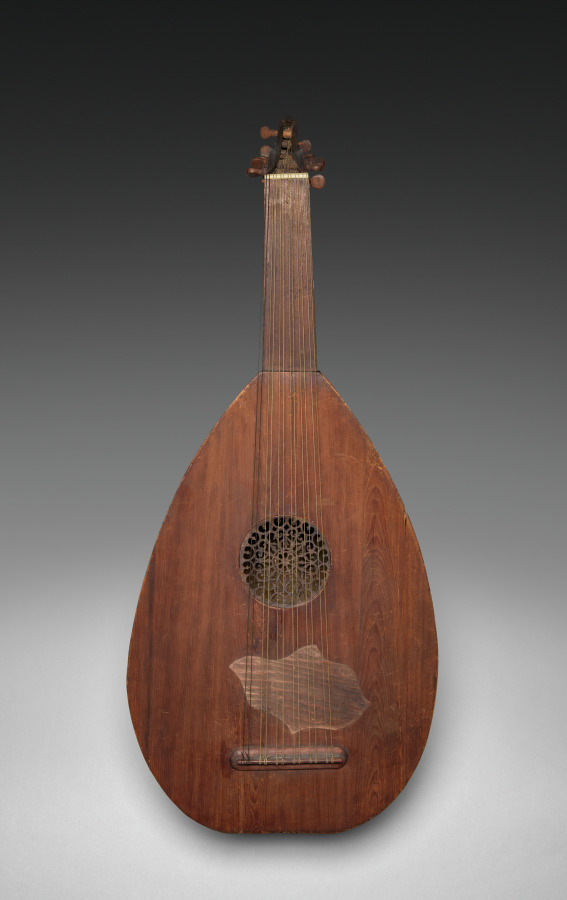
Oud
Cleveland Museum of Art
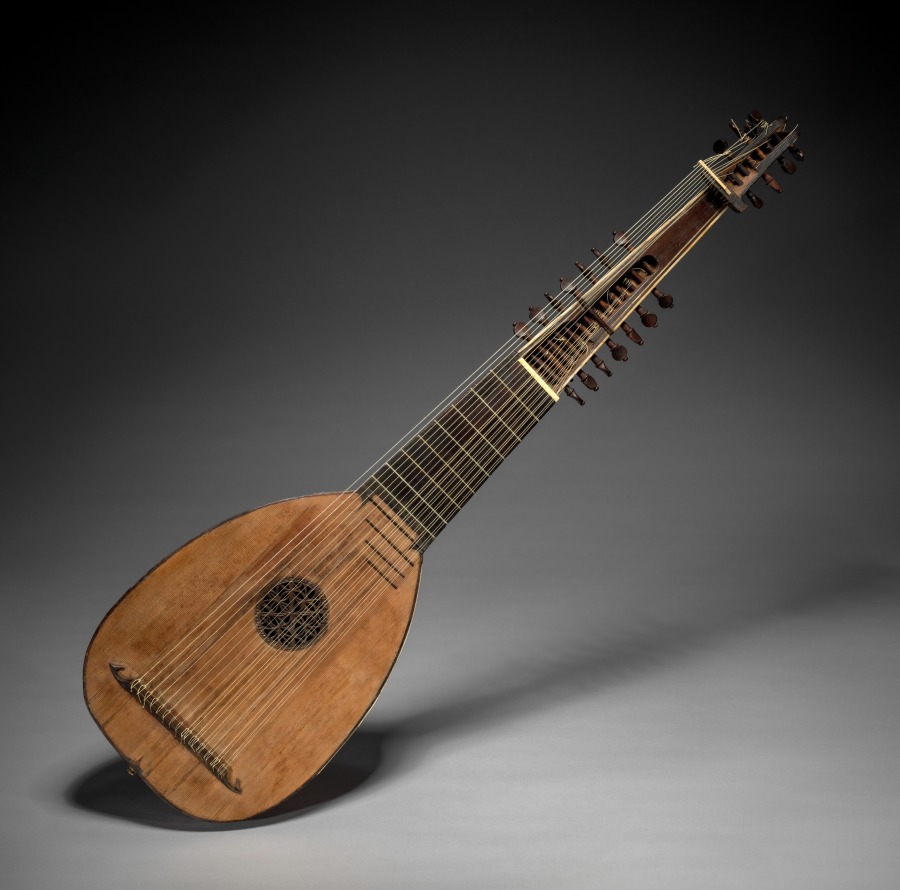
Lute or Tiorbino
Cleveland Museum of Art
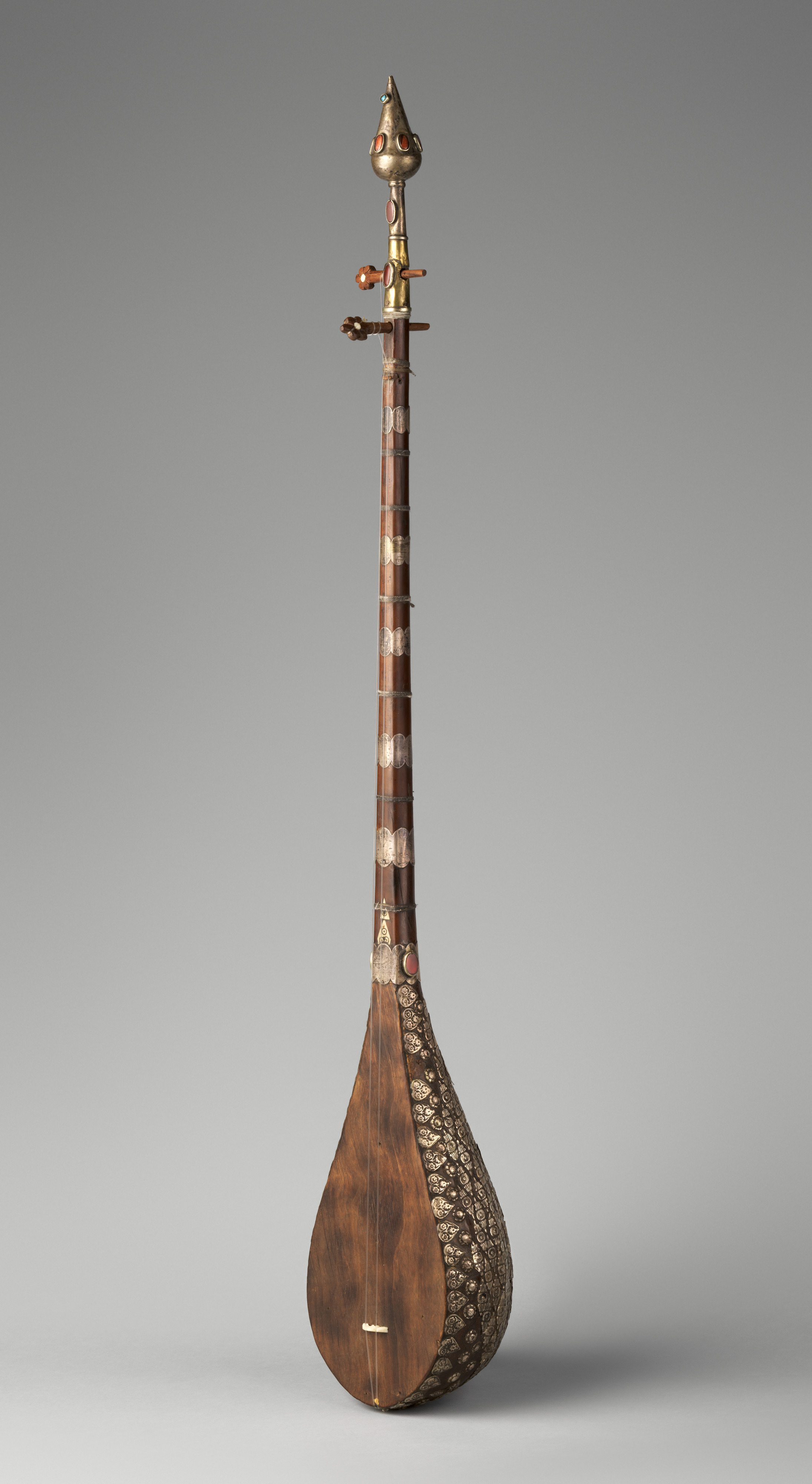
Dutār
The Metropolitan Museum of Art
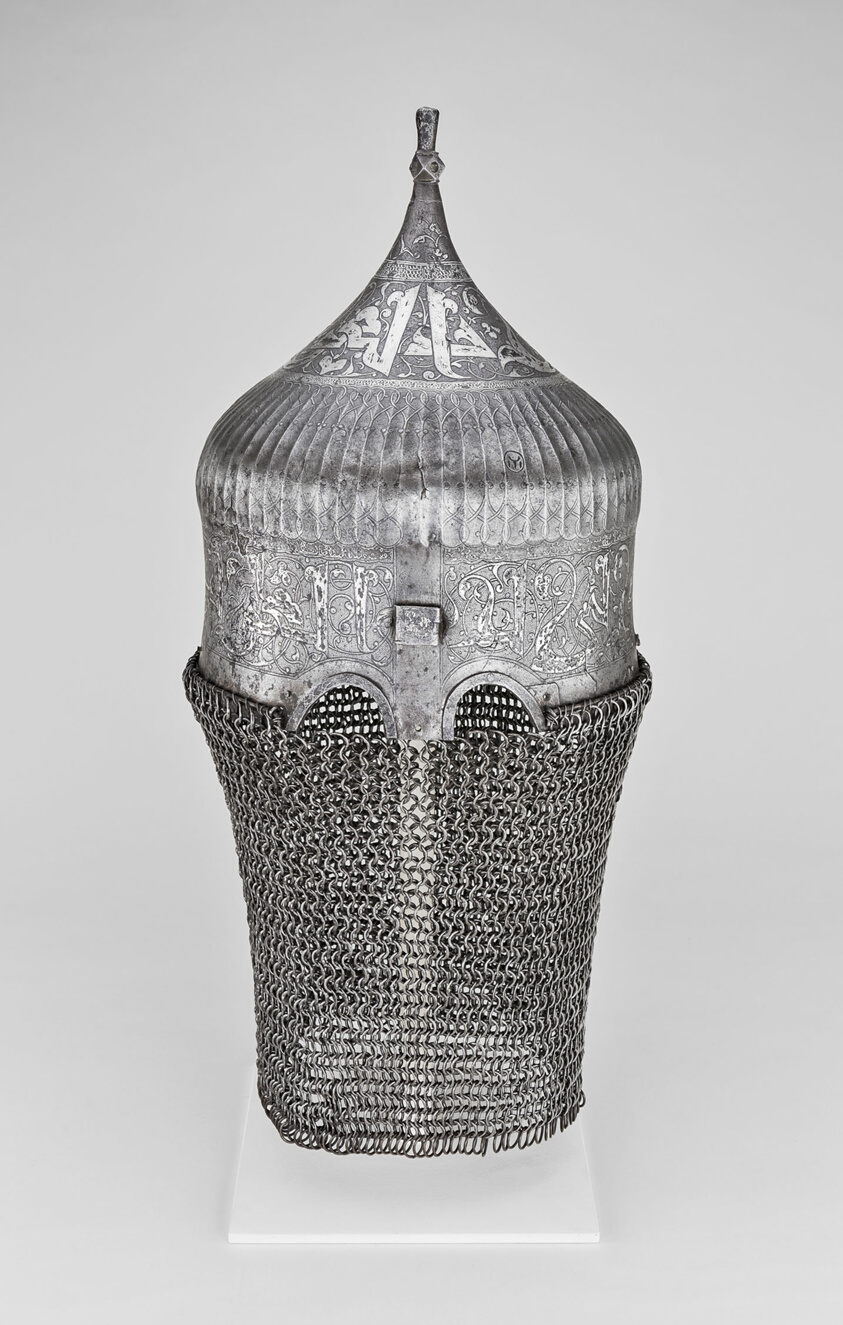
Turban Helmet
Art Institute of Chicago
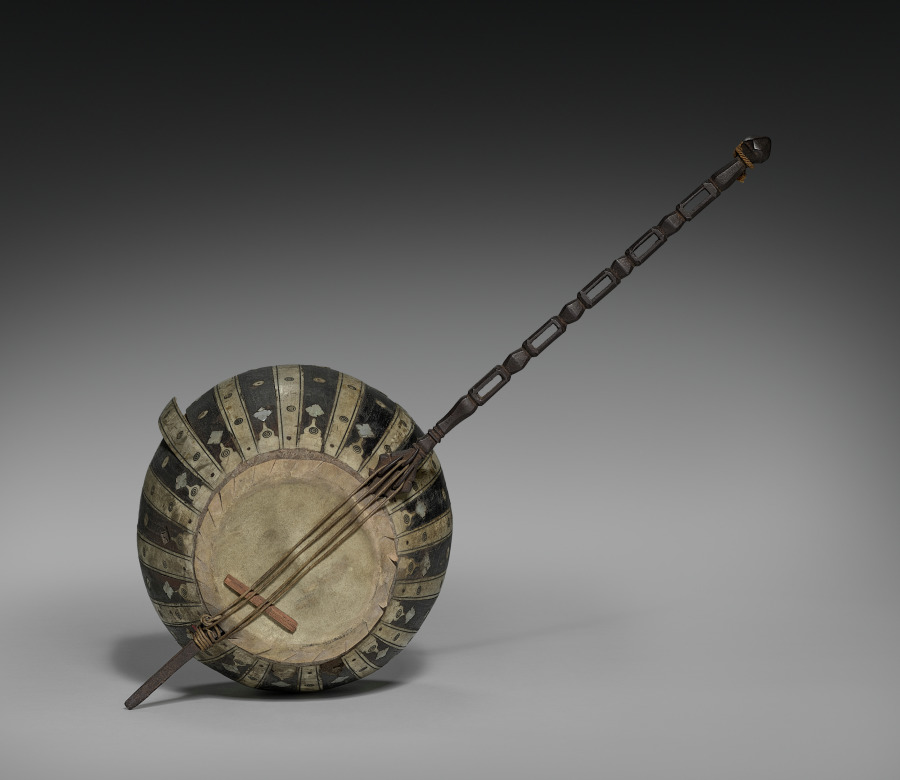
Kamānche (incomplete)
Cleveland Museum of Art

Lute
Cleveland Museum of Art
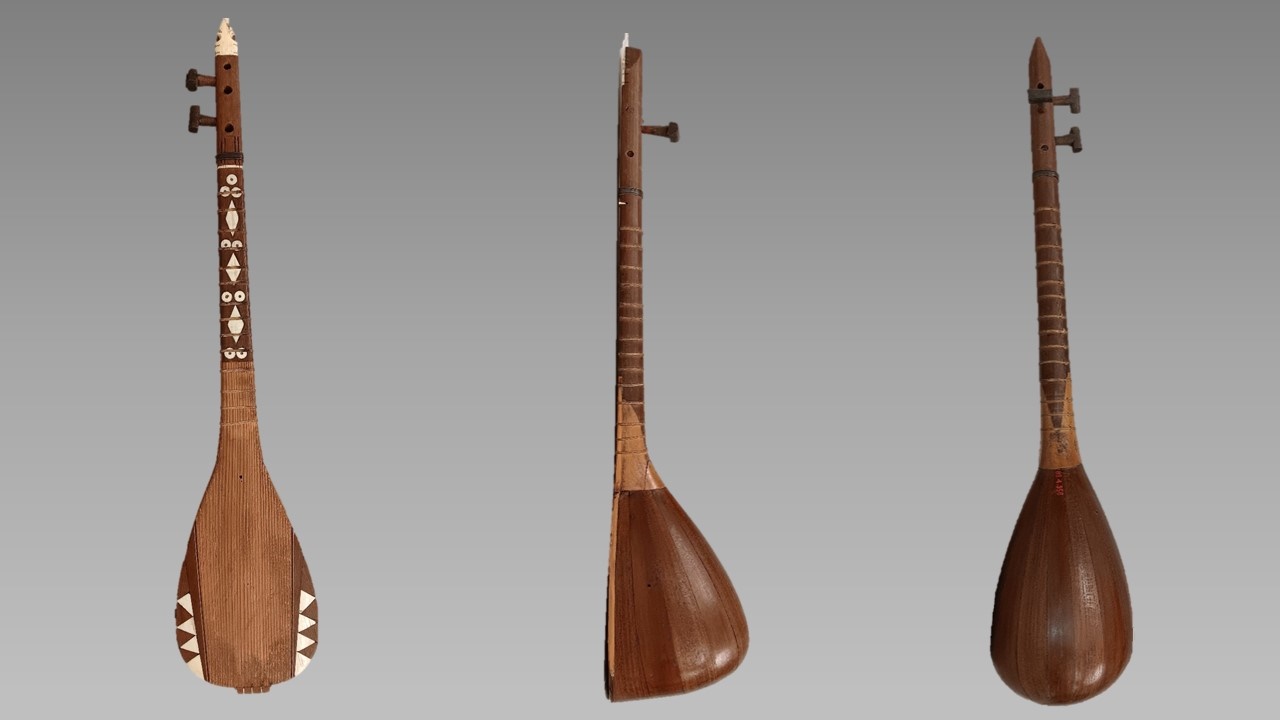
Saz
The Metropolitan Museum of Art
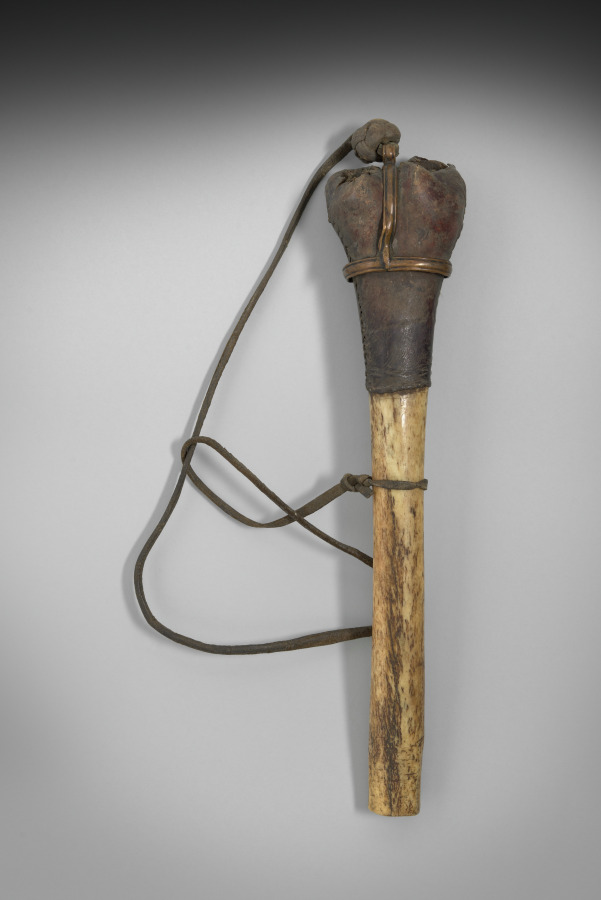
Thighbone Trumpet
Cleveland Museum of Art

Pair of clappers
Minneapolis Institute of Art
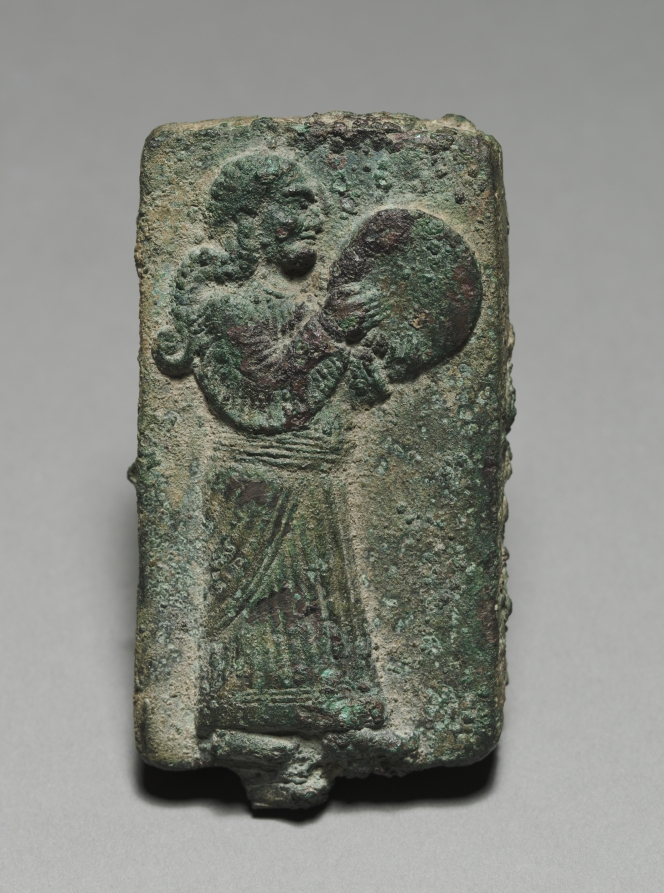
Hand Drummer
Cleveland Museum of Art
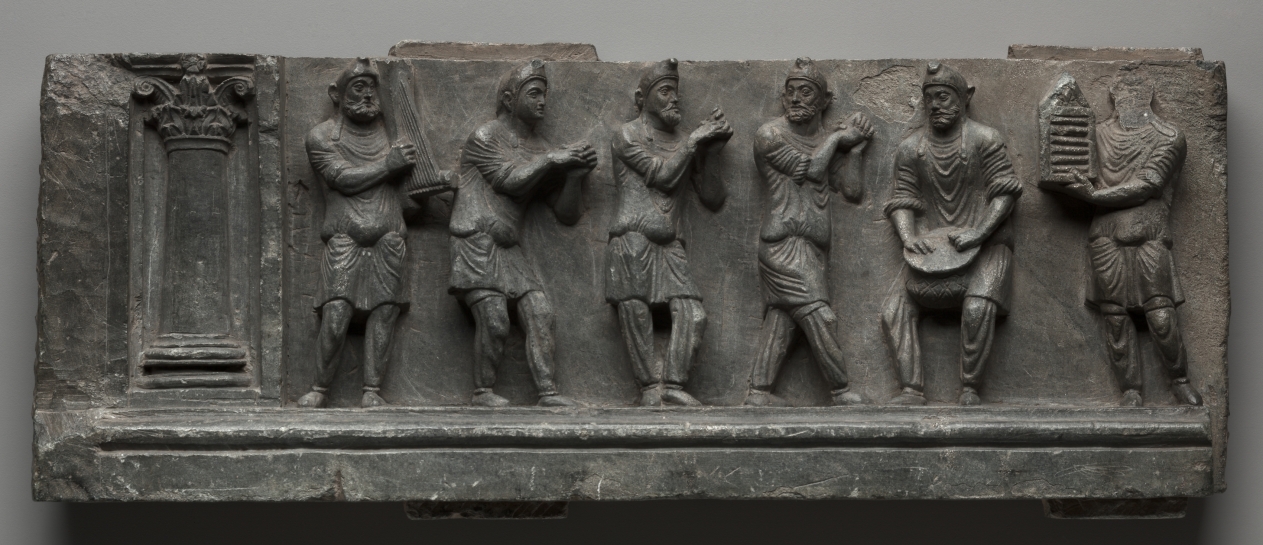
Dancers and Musicians from Phrygia
Cleveland Museum of Art
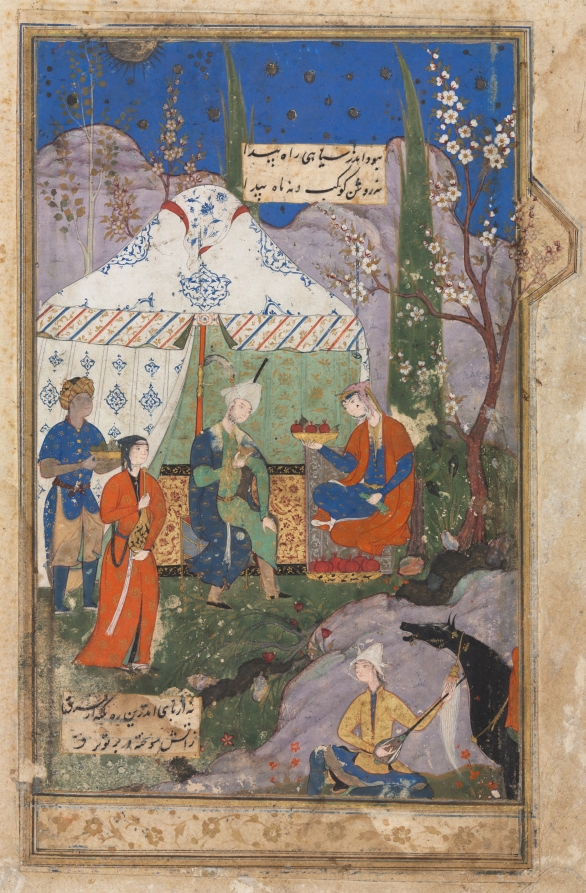
An Episode from the Story of the Sasanian King Khusrau and His Beloved Shirin, from a Khamsa (Quintet) of Nizami (1141–1209) (verso)
Cleveland Museum of Art