Getty Museum
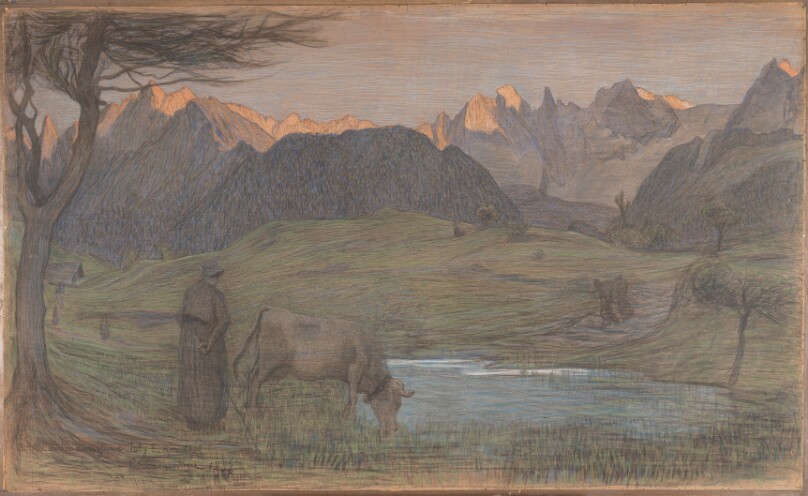
Study for "La Vita"
Creator
Giovanni SegantiniItalian Artist · 1858–1899
All works by this person →More on Getty ULAN- Date
- 1897
- Medium
- Pastel and black chalk over graphite
- Culture
- Italian
- Department
- Drawings
- Institution
- Getty Museum
- Object ID
- d3f6c2fb-e312-4d63-9cb9-6c8b57f4d8be
From the Getty Museum record
This monumental pastel demonstrates why Segantini is today regarded as one of the most important Italian artists of his generation. Inspired by the rugged, snowy peaks that ringed his home in the Engadine Valley in Switzerland, the mountains depicted here catch the last rays of sun as twilight descends on the meadows below. At right, two figures carrying heavy loads make their way across the scene, while in the distance at left, a small house and a handful of receding figures suggest a village just down the path and out of sight. In the foreground, a female cowherd waits patiently for her charge to take a drink. A bare tree, studied from nature and silhouetted against the sky at left, contributes to the sense of quiet melancholy that pervades the composition. Laid in with graphite, the design is firmed up with black chalk contours and shadows and threaded through with long, parallel strokes of pastel, powerfully reminiscent of the skeins of oil paint we find in Segantini’s pictures of the same moment. The effect is at once muted and spectacular, suggesting both the hushed atmosphere of the valley at dusk and the awesome scale of the mountains. This drawing combines all the elements that distinguish Segantini’s best mature work: an Alpine landscape rendered precisely and at monumental scale; a peasant protagonist treated with quiet reverence; and a fine graphic sense, with color applied in parallel strokes. He was famous for painting his monumental oil landscapes outdoors, directly from nature and without preparatory drawings, but this pastel was indeed a preparation and not, like many of his earlier drawings, a ricordo of a finished picture; it differs in various ways, as discussed below, from the painting with which it is associated. Segantini probably made the pastel in situ, outdoors, in 1897 and later used it as a study for the left-hand canvas in his final masterpiece: the Alpine Triptych, a work commissioned for the Swiss pavilion of the 1900 World’s Fair and left unfinished upon his untimely death in the fall of 1899. The triptych to which the painting belongs, today in the Segantini Museum at Saint-Moritz, was meant to comprise twelve individual compositions: the three main panels portraying Life (La Vita), Nature (La Natura), and Death (La Mort), plus three allegorical lunettes and six smaller medallions representing, among other subjects, the Alpine rose and the Edelweiss blossom. Each of the principal panels presents a specific view; La Vita shows the soaring Sciora Massif and Bondasca Glacier from a vantage point near the town of Soglio. The pastel features this same view, crisply silhouetted against a pale sky. The painted composition substitutes for the pastel’s cowherd a mother and child, nestled at the foot of the tree, and multiplies the single cow to a small herd, but the standing figure does not seem to have been part of the original composition of the pastel either: she was plainly laid in with vertical black strokes on top of the horizontal green lines that describe the meadow. Segantini may have added her at the moment when he dedicated the pastel to Tobias (Toby) E. Rosenthal (1848-1917), an American artist based in Munich who acted as an agent for Segantini’s second most important commission Spring in the Alps, a very large landscape painted in oils for the San Francisco collector Jacob Stern between 1896 and 1898. By inserting a human figure in the foreground, Segantini gave this preparatory work the feeling of a finished composition.
The authoritative record is held by Getty Museum. LinkedCulture surfaces this object and its connections; it does not alter institutional metadata.
Get printable QR codesHide QR codes
Open QR codes for this object page and the museum record. They stay collapsed until needed.
Related across collections
Semantically similar works from Getty Museum and other institutions.
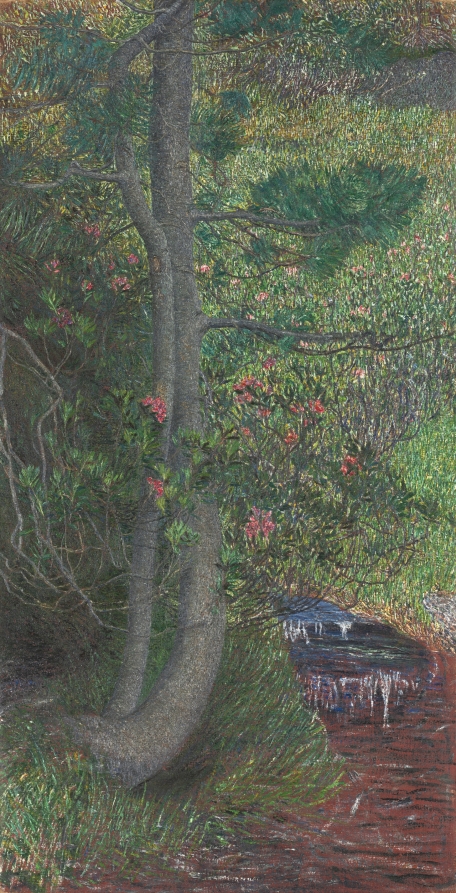
Pine Tree
Cleveland Museum of Art
#150693
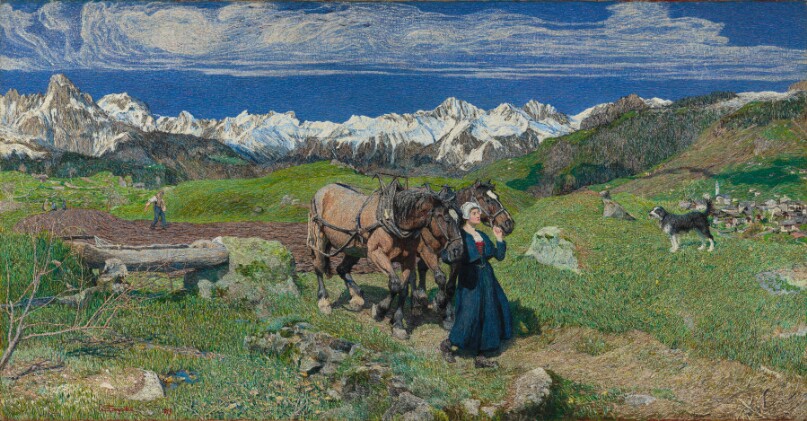
Spring in the Alps
Getty Museum
#3eb47da8-67c8-4932-9308-eb16924067be

The Pumpkin Harvest
Minneapolis Institute of Art
#99621
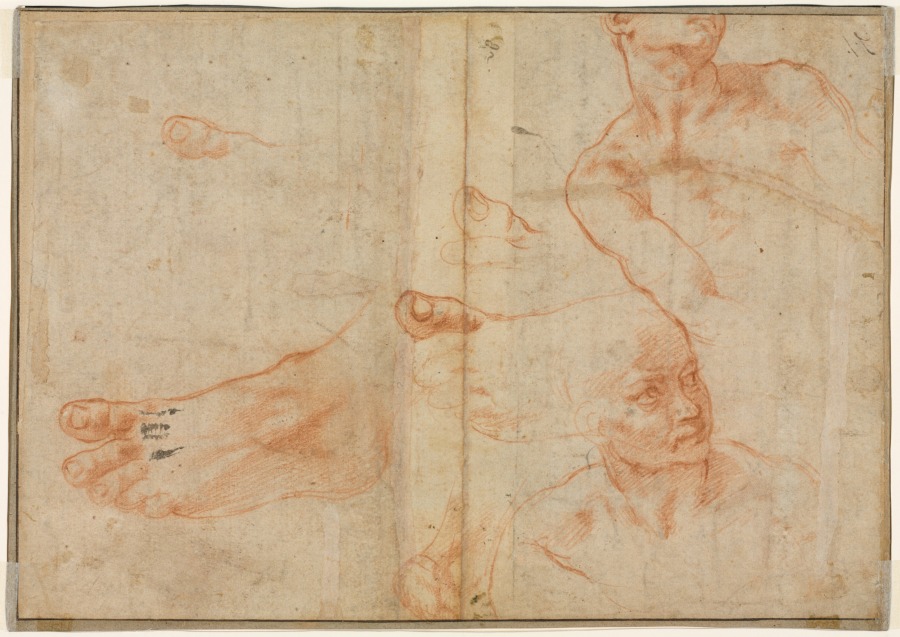
Figure Studies for the Sistine Ceiling (verso)
Cleveland Museum of Art
#119616
Italian Landscape
Cleveland Museum of Art
#159769
Study for the Nude Youth over the Prophet Daniel (recto); Figure Studies for the Sistine Ceiling (verso)
Cleveland Museum of Art
#119614
Figure Study
Getty Museum
#d17a1007-315c-474f-bc86-d24ffda0e5cc
Study for the Head of Saint Joseph (recto); Two Studies of Legs (verso)
Getty Museum
#c392263f-5754-47ba-ac27-dfa8662583bc
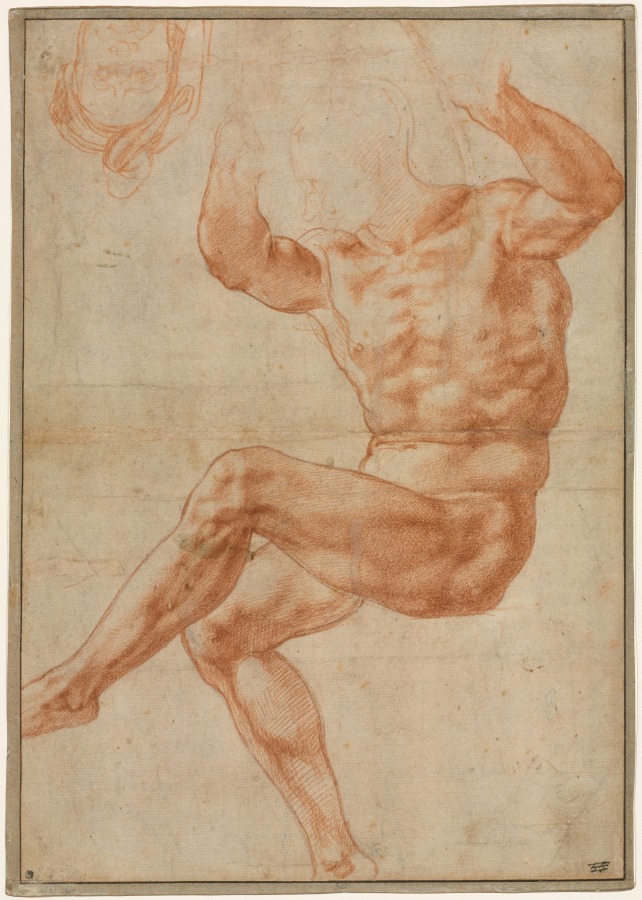
Study for the Nude Youth over the Prophet Daniel (recto)
Cleveland Museum of Art
#119615
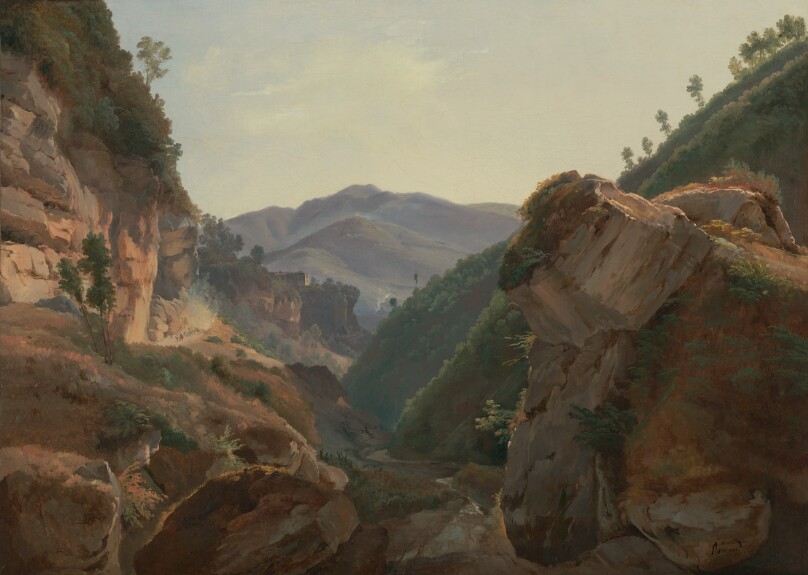
Mountain Landscape with Road to Naples
Getty Museum
#4faa022a-c224-40cc-8807-4ae8ba3315ed
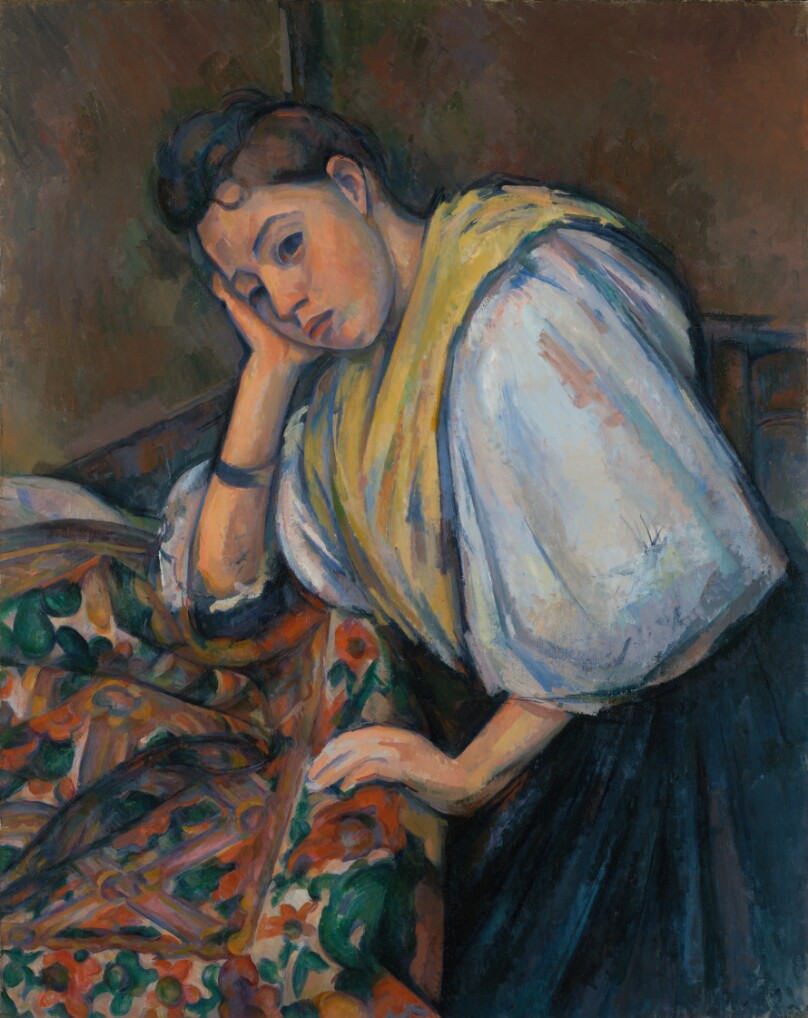
Young Italian Woman at a Table
Getty Museum
#195de465-e47e-4034-8ff9-bbb94790d8aa
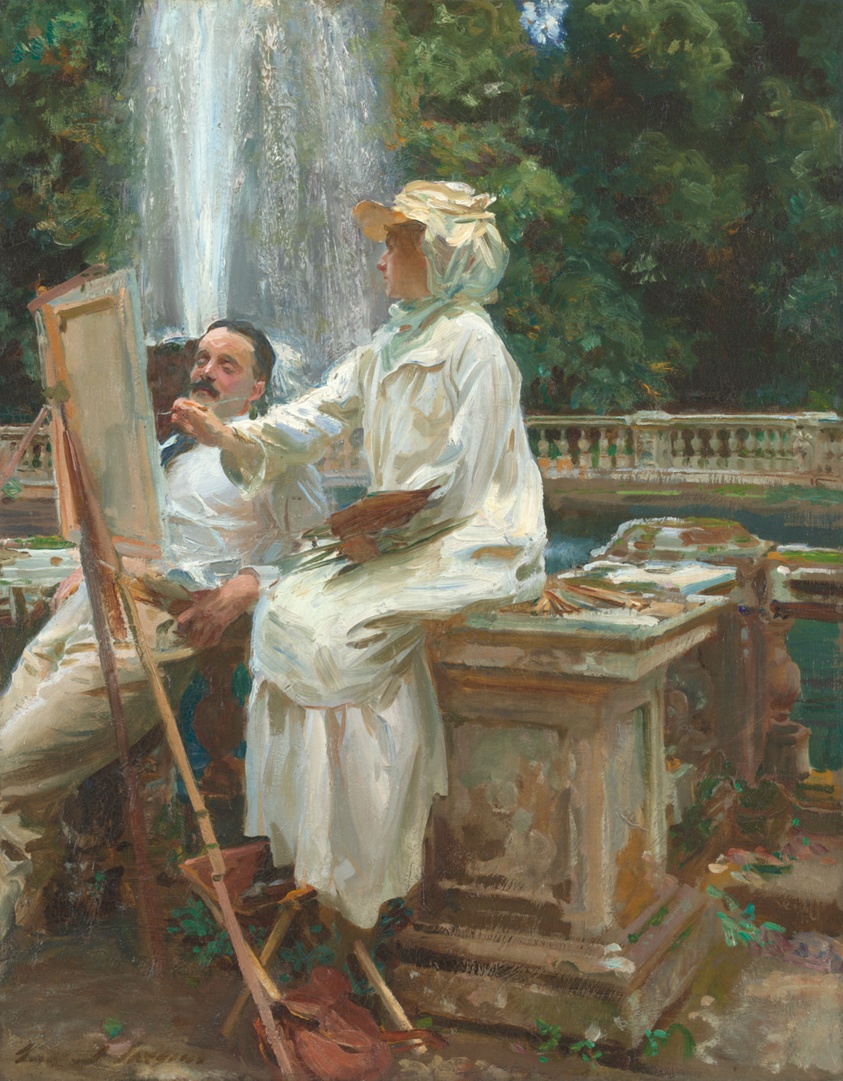
The Fountain, Villa Torlonia, Frascati, Italy
Art Institute of Chicago
#69780