Harvard Art Museums
Seated Leonine Chimera, Probably a Guardian Creature, with Wings and Spiked Spine
- Date
- 550 - 618
- Medium
- Lead-glazed ware: molded, buff earthenware with medium-green, lead-fluxed glaze; cold-painted pigments over localized unglazed areas
- Culture
- Chinese
- Department
- Department of Asian Art
- Institution
- Harvard Art Museums
In Bronze Age China, people and animals were sometimes sacrificed and placed in elite tombs to serve and protect the spirit of the deceased. By the end of the third century BCE, philosophical admonitions against such cruel and wasteful funerary practices led to the increasing use of ceramic figurines as substitutes for sacrificial victims. Sculptures from Qin and Han dynasty tombs tended to depict people—warriors, servants, entertainers—with ethnically Chinese features and attire. Greater contact with foreign peoples began with the opening of trade routes to the West during the Han, however, and by the sixth century, ceramic tomb sculptures depicting foreigners and exotic animals became more common. Foreign merchants and grooms appear in tombs, as do camels. These representations are evidence of the cosmopolitan nature of post-Han society, at least among the elite. Guardian figures and mythical beasts, like the standing male and seated creature exhibited here, were intended to safeguard the tomb and were often depicted with fierce features designed to intimidate. Although he bears no weapons, this figure’s helmet, cape, and boots suggest that he is a warrior. His bulging eyes, high cheekbones, large nose, heavy beard, and non-Chinese dress imply that he is a foreigner of Central Asian origin. The buck-toothed winged feline seated beside him was probably not made as his companion, but was one of a pair of guardian creatures; the original mate would likely have had a similar feline body with wings and spiked spine, but a human face. First appearing in the early sixth century, such “tomb-protecting animals” were meant to ward off evil; they became standard tomb denizens in succeeding periods.
The authoritative record is held by Harvard Art Museums. LinkedCulture surfaces this object and its connections; it does not alter institutional metadata.
Related across collections
Semantically similar works from Harvard Art Museums and other institutions.
Standing, Bearded Male Figure, Probably a Guardian Warrior, Wearing Helmet with Protective Neck and Ear Flaps, Cape, and Pointed Boots, with His Arms at His Sides
Harvard Art Museums
Tomb Figurine in the Form of a Standing, Plump Court Lady with Upturned, Pointed Shoes and an Elaborate Coiffure, Her Hands in a Gesture at Chest Level
Harvard Art Museums
Equestrian Female, from the tomb sculpture set: Two Equestrian Figures, One Male with a Tall, Elaborately Embellished Hat, One Female with Hair in a Topknot, Both with Pointed Boots, and Hands Positioned to Hold the Reins of their Standing, Saddled Horses
Harvard Art Museums
Standing, Armor-Clad Guardian Warrior Wearing Pointed Boots and Helmet with Protective Neck and Ear Flaps, His Left Hand Holding a Shield Embellished with an Animal Mask, His Right Hand Positioned to Hold a Lance or Spear
Harvard Art Museums
Equestrian Male, from the tomb sculpture set: Two Equestrian Figures, One Male with a Tall, Elaborately Embellished Hat, One Female with Hair in a Topknot, Both with Pointed Boots, and Hands Positioned to Hold the Reins of their Standing, Saddled Horses
Harvard Art Museums
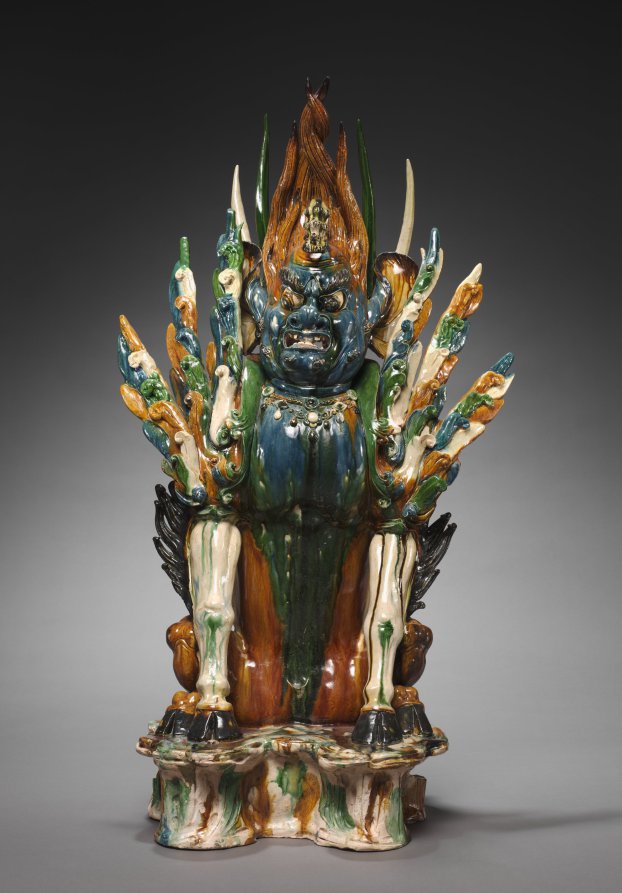
Tomb Guardian with Human Face
Cleveland Museum of Art
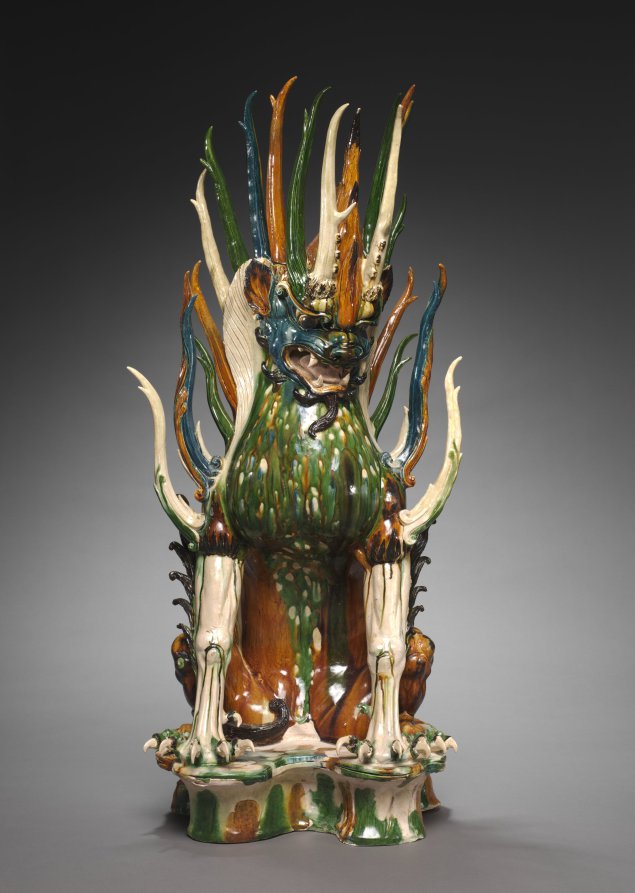
Tomb Guardian with Animal Head
Cleveland Museum of Art
Buff-Colored Camel, from the tomb sculpture set: Two Standing, Braying Camels, One Buff, One White, Their Backs Laden with Goods
Harvard Art Museums
White-Colored Camel, from the tomb sculpture set: Two Standing, Braying Camels, One Buff, One White, Their Backs Laden with Goods
Harvard Art Museums
Guardian Creature with Human Face, from the tomb sculpture set: Pair of Guardian Creatures with Spiked Spines, One with a Human Face, One with a Feline Face
Harvard Art Museums
One of Two Standing, Mustachioed Male Figures, Each Wearing a Cape and a Full, Rounded Hat with Protective Neck and Ear Flap, and Each with His Hands Clasped at the Waist and Concealed under His Cape
Harvard Art Museums

Female tomb figure
Minneapolis Institute of Art