Harvard Art Museums
Small, Forward-Curving Sculpture Representing a Standing or Bowing Female Figure
- Date
- Majiayao culture, Machang phase, 2350 - 2050 BCE
- Medium
- Buff earthenware with modeled, applique and stippled decoration, the surface darkened in firing. Upper Yellow River Valley area; probably from Gansu or Qinghai province.
- Culture
- Chinese
- Department
- Department of Asian Art
- Institution
- Harvard Art Museums
Before the advent of metallurgy, numerous Neolithic cultures — which relied primarily upon stone tools, farming, domesticated animals, and pottery making — were scattered throughout vast regions of China. The cultures that produced the most remarkable earthenware (ceramics fired up to about 1000° C) tended to inhabit areas along China’s major rivers, and by the late Neolithic period (c. 5000–c. 2000 BCE), two notable ceramic types distinguished themselves from coarser utilitarian pottery — painted earthenware from settlements along the upper and middle reaches of the Yellow River, and black pottery from cultures near the lower Yellow and Yangzi River valleys. Painted ceramics were hand-built, made of fine reddish or buff clays, and embellished with dark slip (liquid clay) to create vibrant, mostly abstract designs. Black pottery vessels were wheel-thrown, sometimes to the thinness of an eggshell, blackened during the firing process, and burnished to a high gloss. These delicate objects were impractical for daily use and were likely used for ceremonial purposes. Several Neolithic cultures also fashioned beautiful jades or hard stones — usually nephrite, an extremely hard mineral native to China — into ceremonial tools and weapons, ritual objects, or items of personal adornment. These jades were sliced, shaped, perforated, incised, and polished using non-metallic tools and abrasive crystals of even greater hardness than the jade itself, a painstakingly labor-intensive process that only the privileged could afford.
The authoritative record is held by Harvard Art Museums. LinkedCulture surfaces this object and its connections; it does not alter institutional metadata.
Related across collections
Semantically similar works from Harvard Art Museums and other institutions.

Tripod ewer
Minneapolis Institute of Art

Bowl
Minneapolis Institute of Art

Jar with Spiral Designs
Cleveland Museum of Art

Stem Cup
Minneapolis Institute of Art

Stem cup
Minneapolis Institute of Art
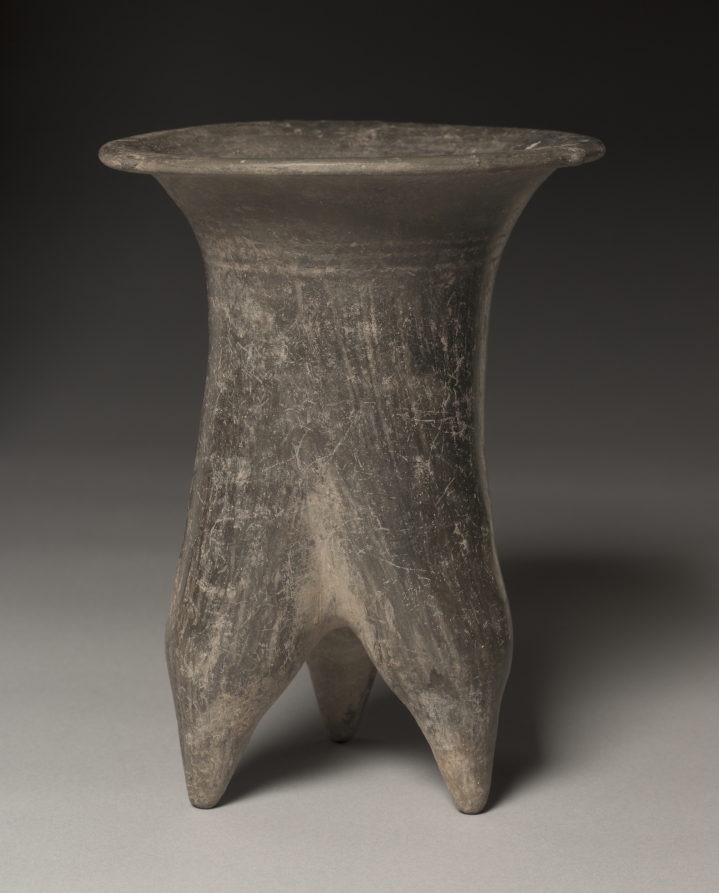
Li, Hollow-Legged Tripod
Cleveland Museum of Art
Tomb Figurine in the Form of a Standing, Plump Court Lady with Upturned, Pointed Shoes and an Elaborate Coiffure, Her Hands in a Gesture at Chest Level
Harvard Art Museums

Storage Jar
Minneapolis Institute of Art
Standing, Plump Male Court Attendant with Pointed Shoes and Informal Headgear, His Clenched Left Hand Raised to His Chest, His Clenched Right Hand at His Side
Harvard Art Museums

Figurine of a female court attendant
Minneapolis Institute of Art
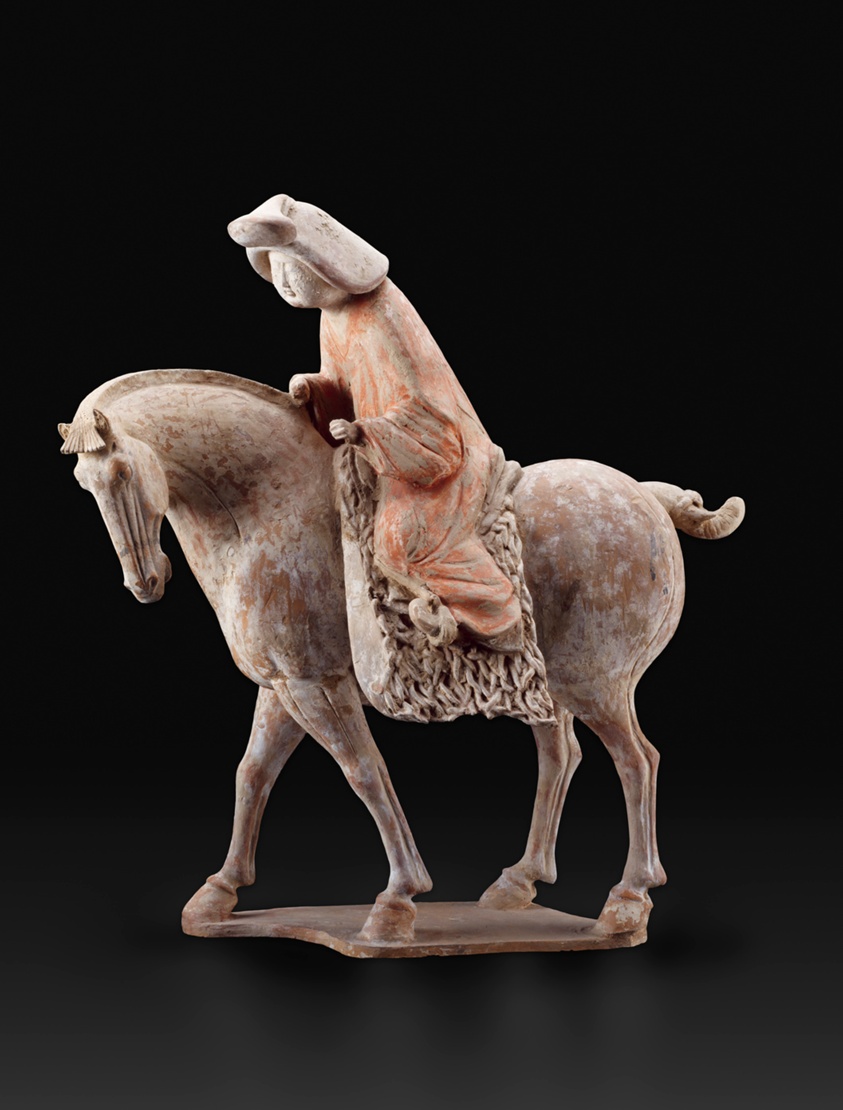
Equestrienne
Art Institute of Chicago
One of Two Standing, Mustachioed Male Figures, Each Wearing a Cape and a Full, Rounded Hat with Protective Neck and Ear Flap, and Each with His Hands Clasped at the Waist and Concealed under His Cape
Harvard Art Museums