Harvard Art Museums
Rooster Pendant
- Date
- 8th century BCE
- Medium
- Leaded bronze
- Culture
- Greek
- Department
- Department of Ancient and Byzantine Art & Numismatics
- Institution
- Harvard Art Museums
Bronze is an alloy of copper and tin that has been used for thousands of years to make objects as diverse as sculpture and figurines, weapons and armor, and jewelry and tableware. The addition of tin and sometimes lead made the alloy more versatile and lowered its melting point; another common copper alloy is brass (copper and zinc), which was in widespread use in the Roman period. Although other materials, like stone, glass, and terracotta, were available, copper alloy items were valued for their golden sheen, versatility, and durability. The material lent prestige and beauty to objects like these statuettes, most of which would have been dedicated to the gods. Modern bronzes are often artificially patinated, like the Rodin sculpture in this colonnade. While ancient bronzes were sometimes gilded or deliberately darkened, the unaltered surfaces naturally acquired a red, green, or brown patina over time.
The authoritative record is held by Harvard Art Museums. LinkedCulture surfaces this object and its connections; it does not alter institutional metadata.
Related across collections
Semantically similar works from Harvard Art Museums and other institutions.
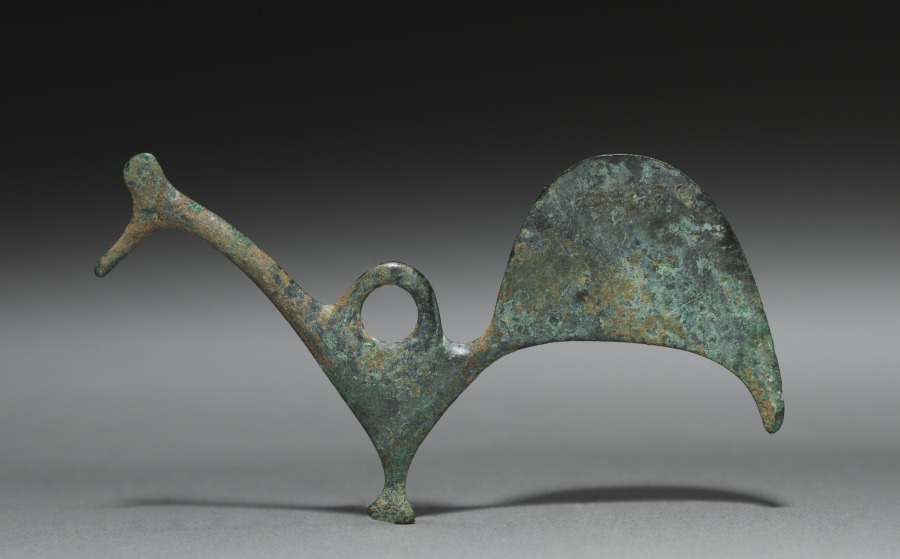
Pendant of a Bird (Rooster?)
Cleveland Museum of Art
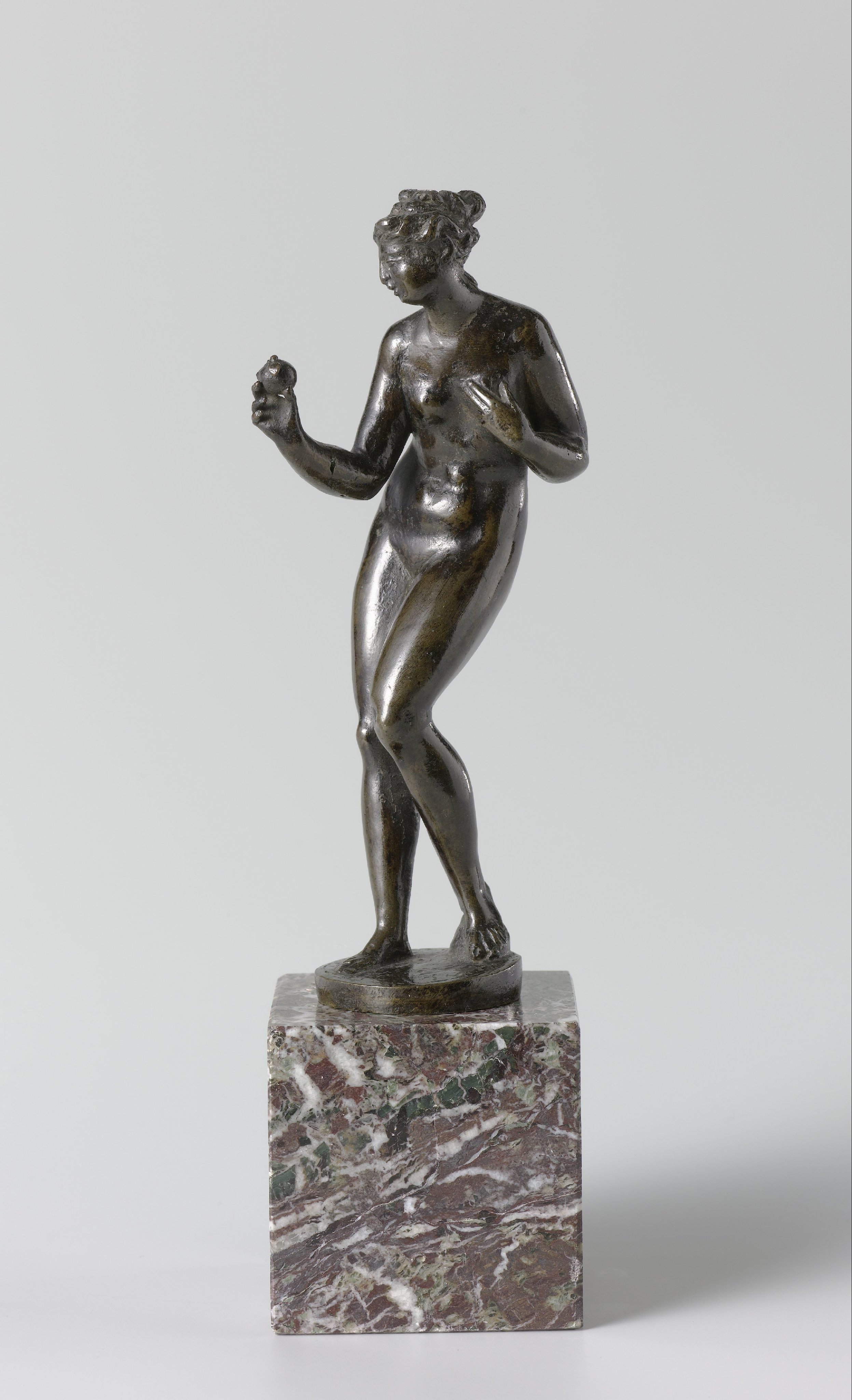
Venus
Rijksmuseum

Pendant
Getty Museum
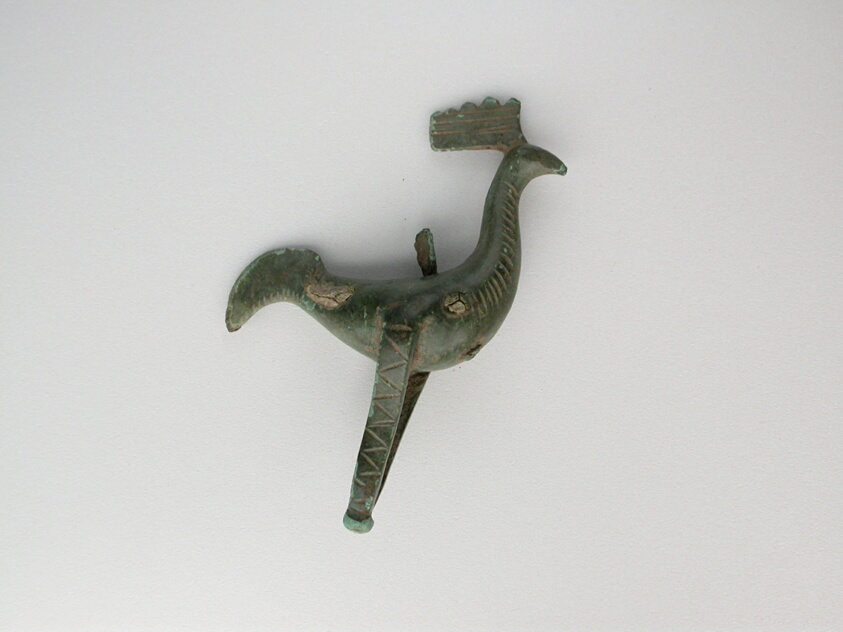
Rooster
Art Institute of Chicago
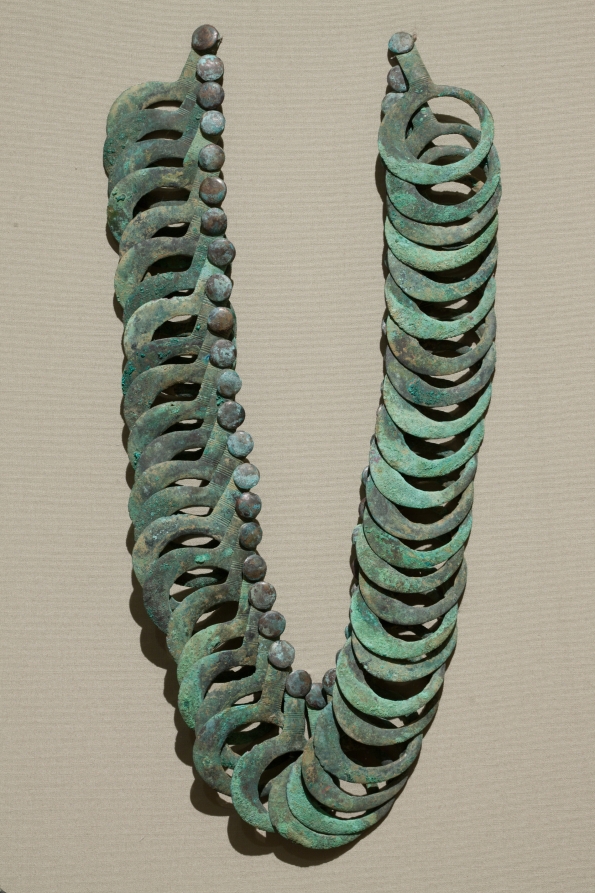
Bronze Necklace with Hanging Pendants
Cleveland Museum of Art
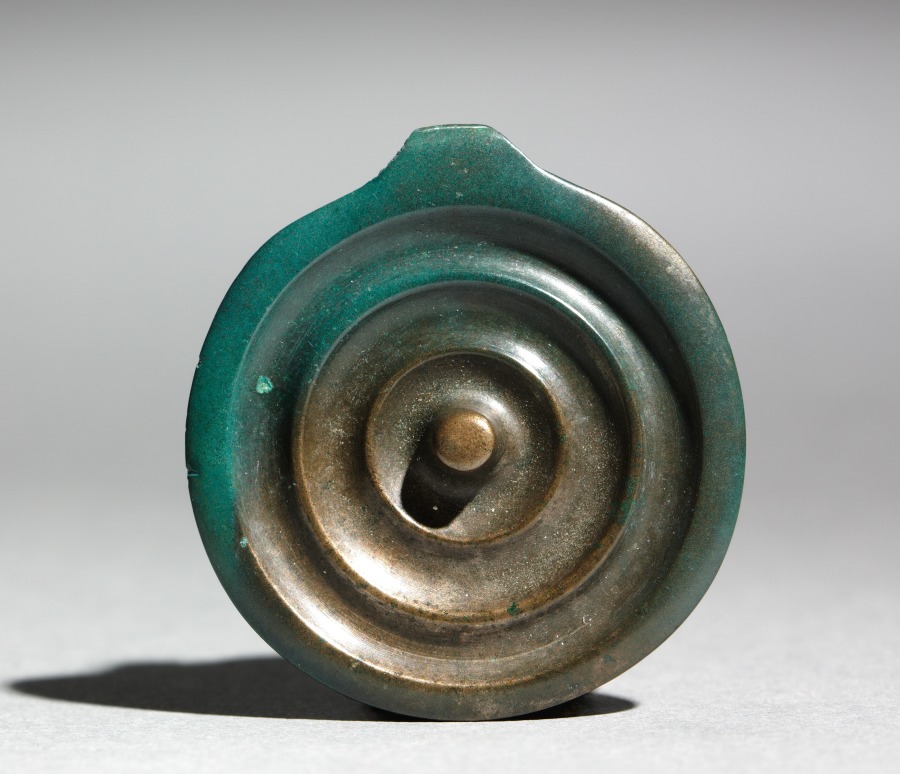
Elements from a Necklace
Cleveland Museum of Art
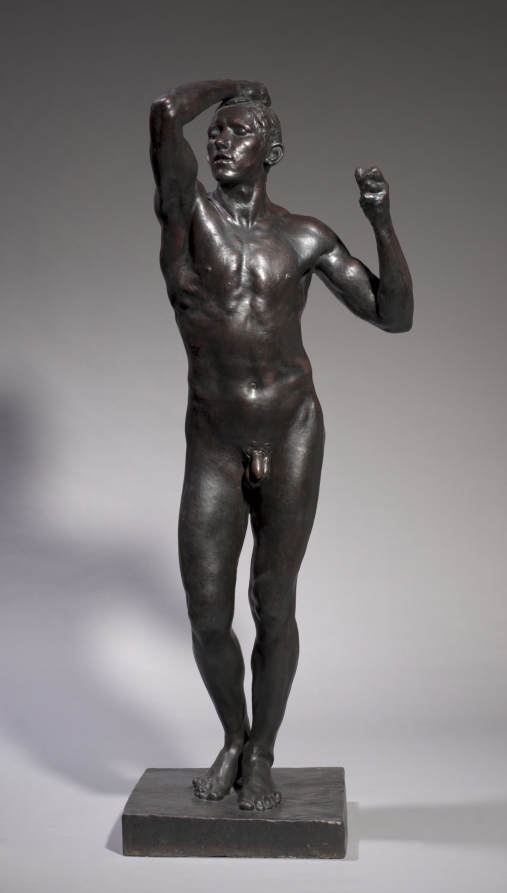
The Age of Bronze
Cleveland Museum of Art
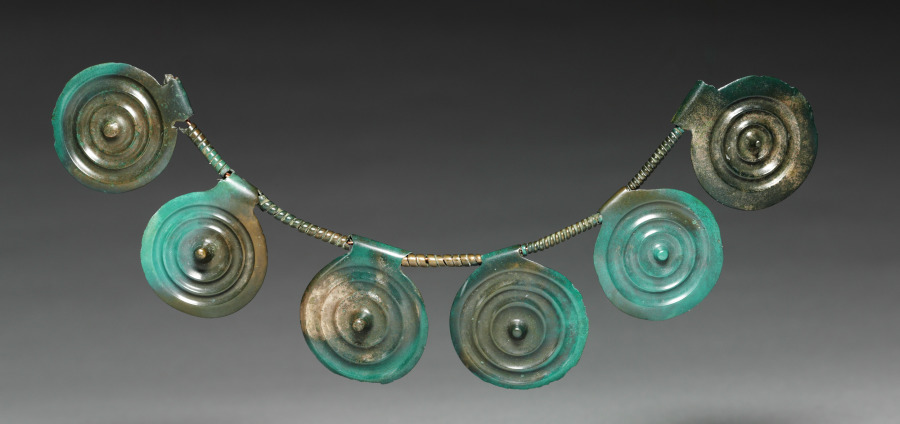
Elements from a Necklace
Cleveland Museum of Art
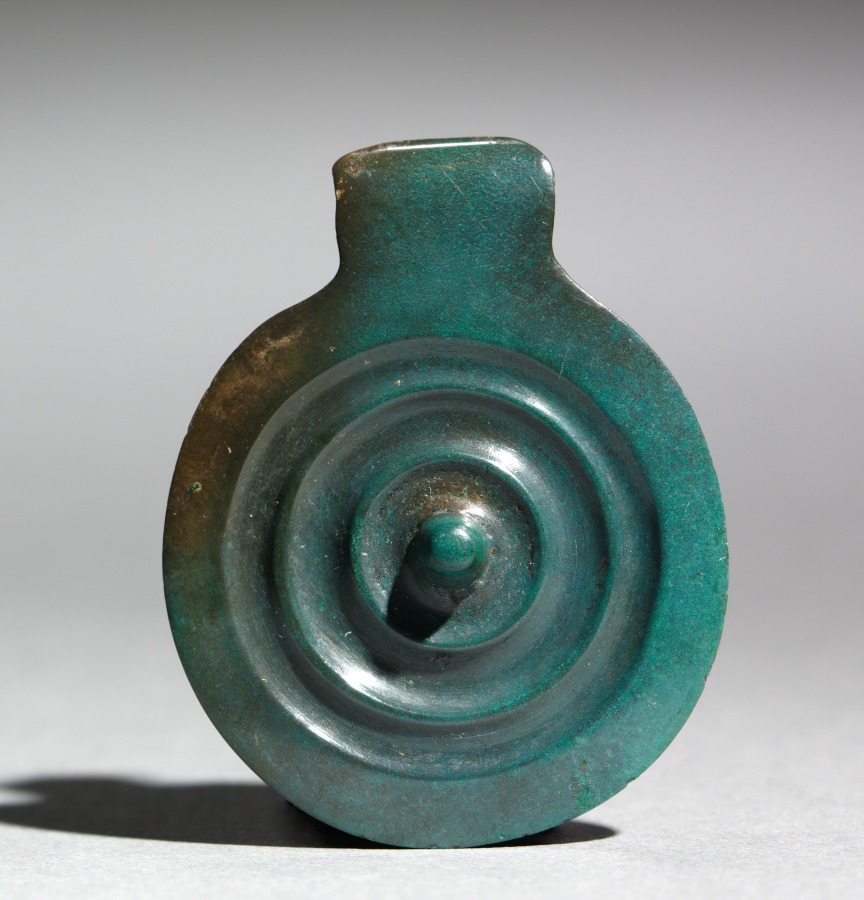
Elements from a Necklace
Cleveland Museum of Art
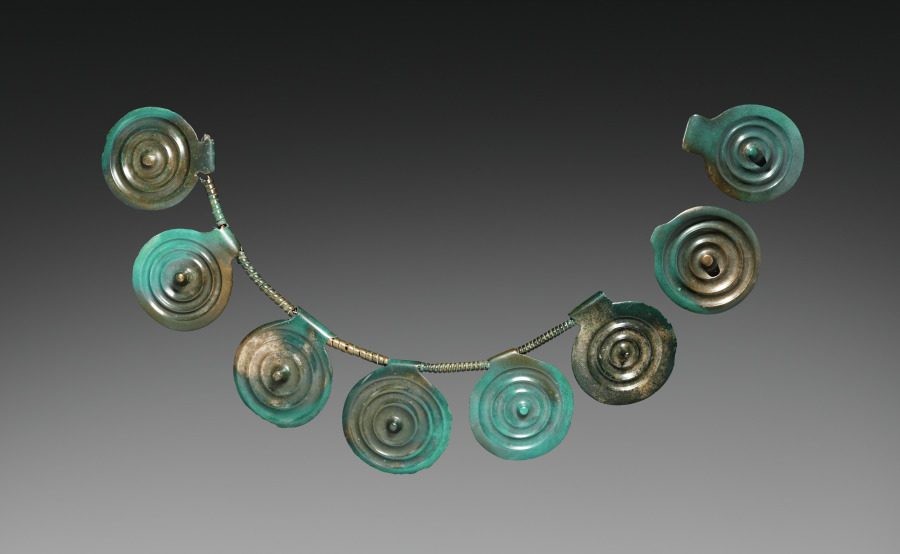
Necklace
Cleveland Museum of Art

One Bronze Pendant on Ring
Getty Museum
One Bronze Pendant on Ring
Getty Museum