
Minneapolis Institute of Art
Vertumnus and Pomona
Engraver: Jan Saenredam; Designer: After a design by Abraham Bloemaert
- Date
- 1605 (printed later)
- Medium
- Engraving
- Department
- European Art
- Institution
- Minneapolis Institute of Art
The story of Vertumnus and Pomona dates to Roman antiquity, but was made popular and accessible through Ovid’s Metamorphoses. Vertumnus, the god of seasonal change, had designs on Pomona, the goddess of orchards and gardens—her name remaining familiar through the word pomegranate or the French word for apple. She was a beauty with a reputation for thwarting male advances. Bloemaert appropriately showed her surrounded by an abundance of luscious produce, and—given her reputation in the realm of romance—her sickle may have had uses that would give a man pause. But Vertumnus had a plan: he disguised himself as an old woman to gain entry into Pomona’s garden, and there gave her counsel against rejecting suitors, eventually seducing her himself. The choice of the Vertumnus and Pomona as a subject is typical of the late Mannerist phase. Earlier on, artists had sought esoteric, obscure subjects, but as time passed, they gravitated to more widely known stories, especially erotic tales available in the Metamorphoses. Netherlands, Europe
The authoritative record is held by Minneapolis Institute of Art. LinkedCulture surfaces this object and its connections; it does not alter institutional metadata.
Related across collections
Semantically similar works from Minneapolis Institute of Art and other institutions.
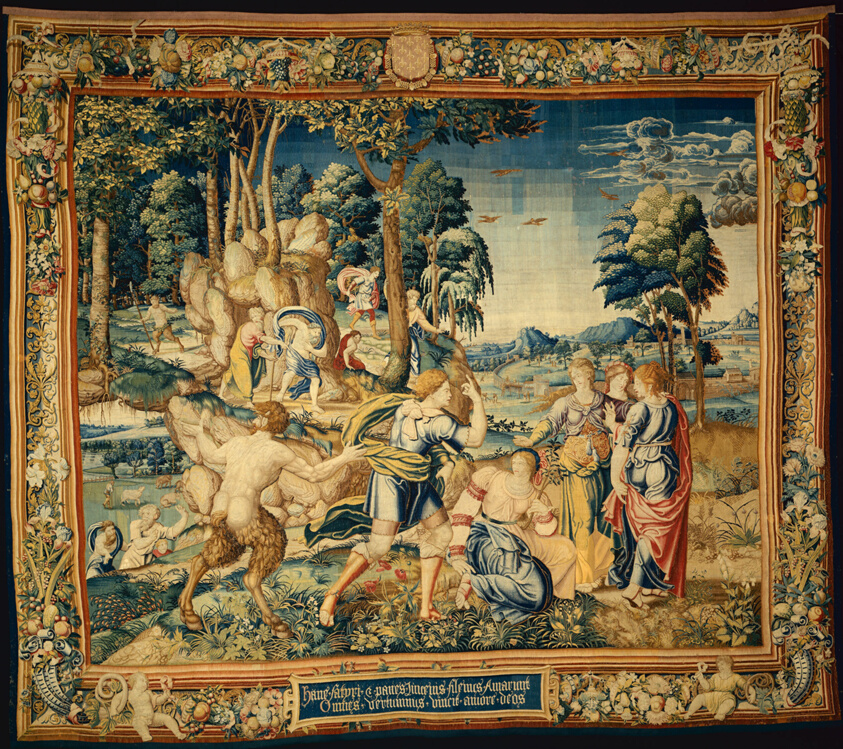
Pomona Surprised by Vertumnus and Other Suitors from The Story of Vertumnus and Pomona
Art Institute of Chicago

Vertumnus and Pomona
Getty Museum
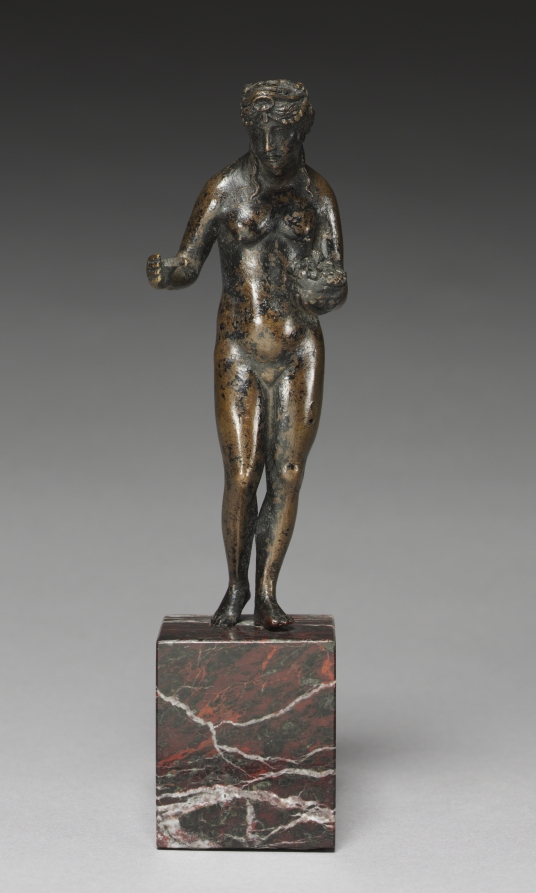
Pomona
Cleveland Museum of Art
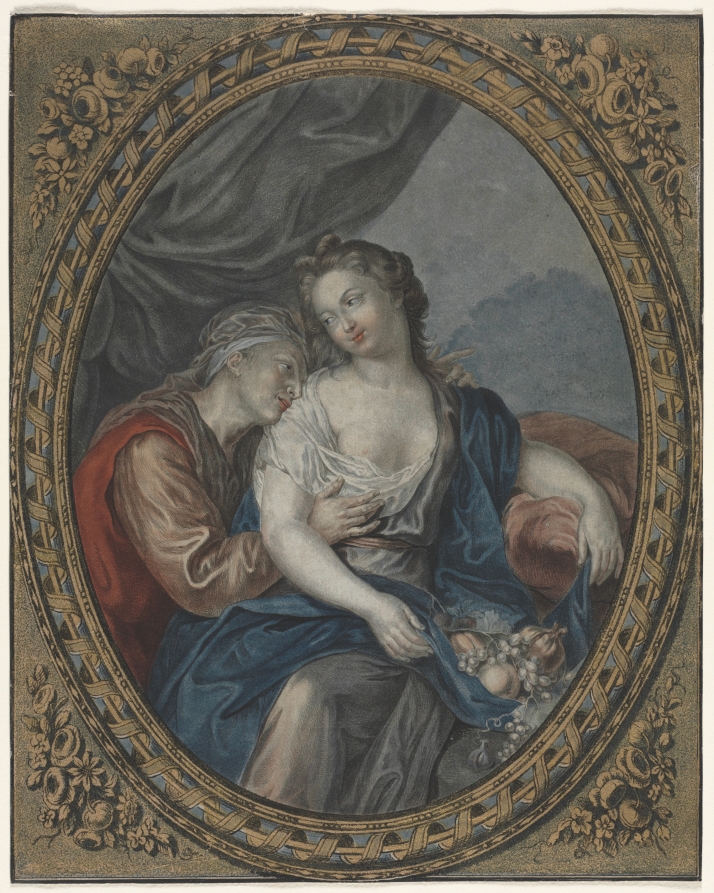
Vertumnus and Pomona
Cleveland Museum of Art

Tapestry: Jupiter transformé en Diane pour surprendre Callisto avec Vertumne et Pomone, from Les Tentures de François Boucher Series
Getty Museum
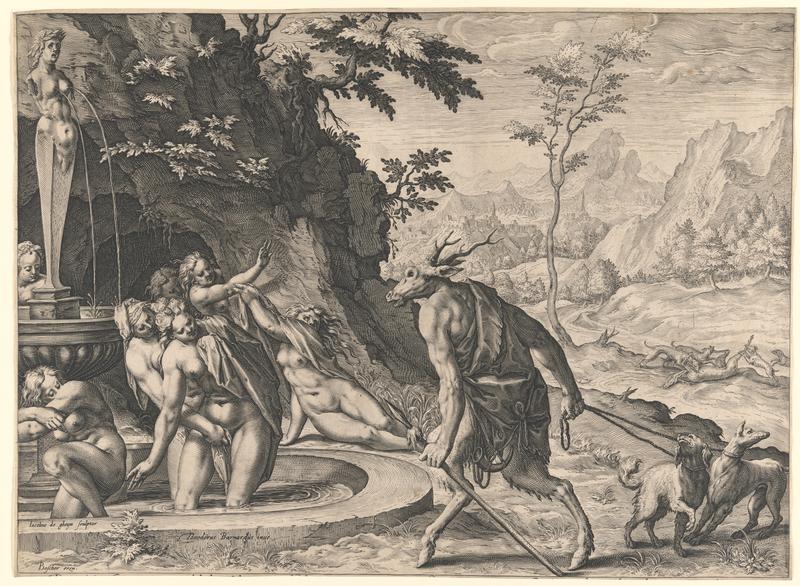
Diana and Actaeon
Minneapolis Institute of Art

Cupid and Pan
Getty Museum
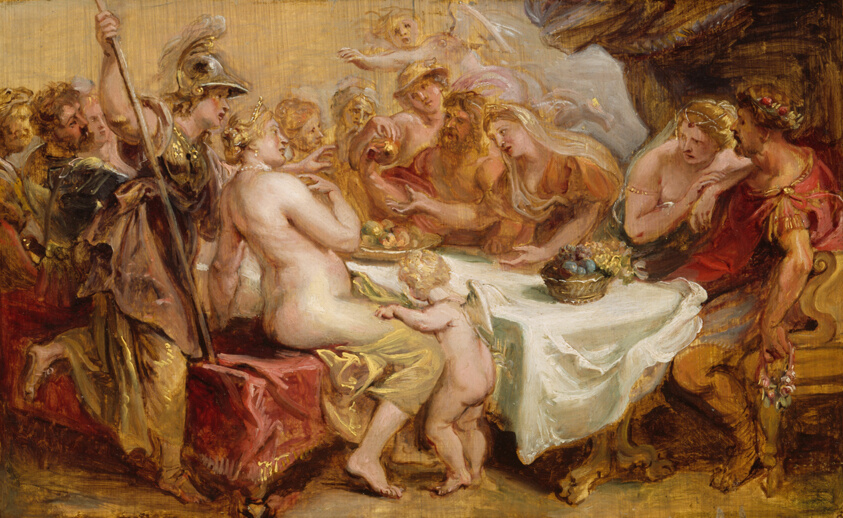
The Wedding of Peleus and Thetis
Art Institute of Chicago
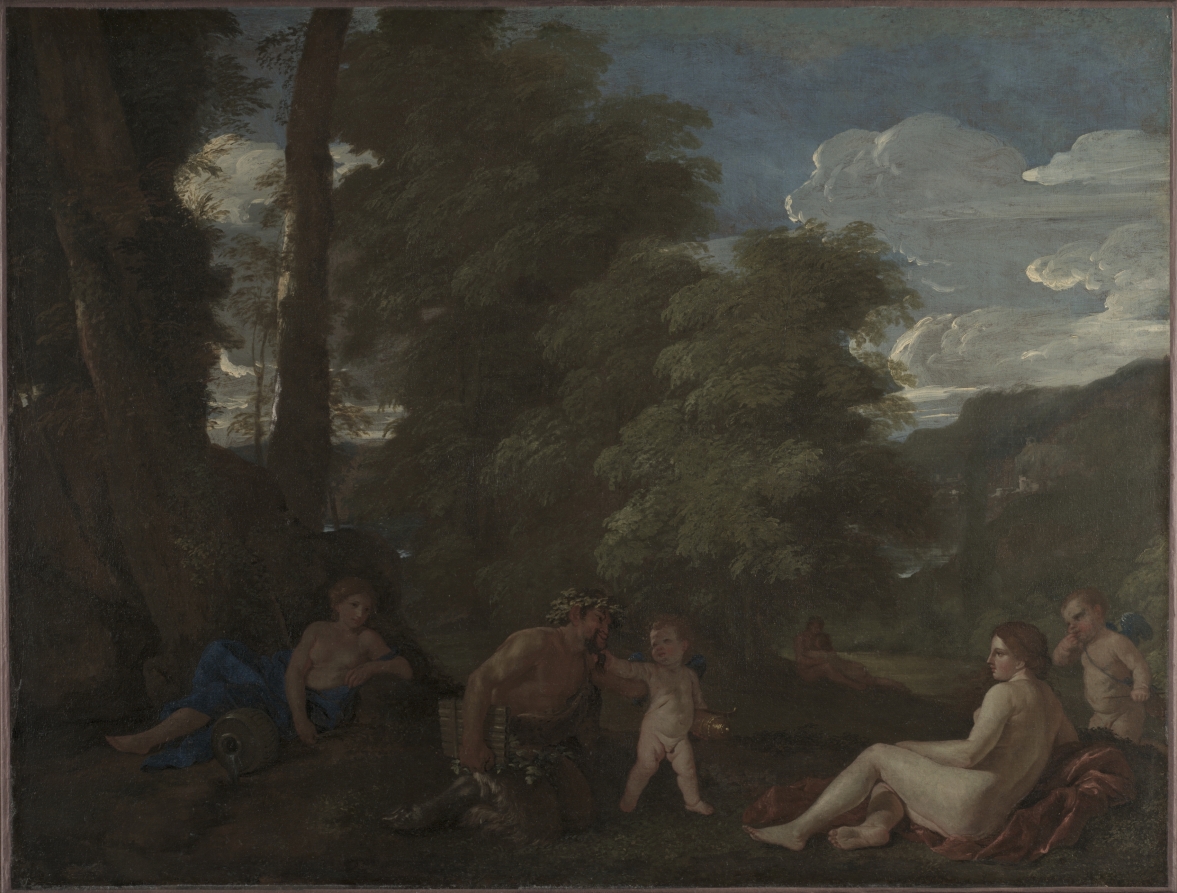
Nymphs and a Satyr (Amor Vincit Omnia)
Cleveland Museum of Art
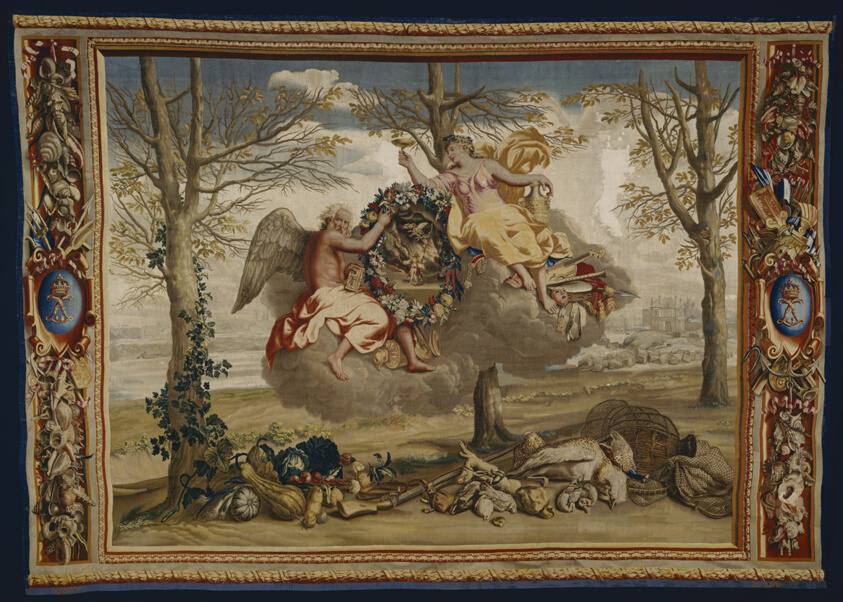
Winter, from The Seasons
Art Institute of Chicago
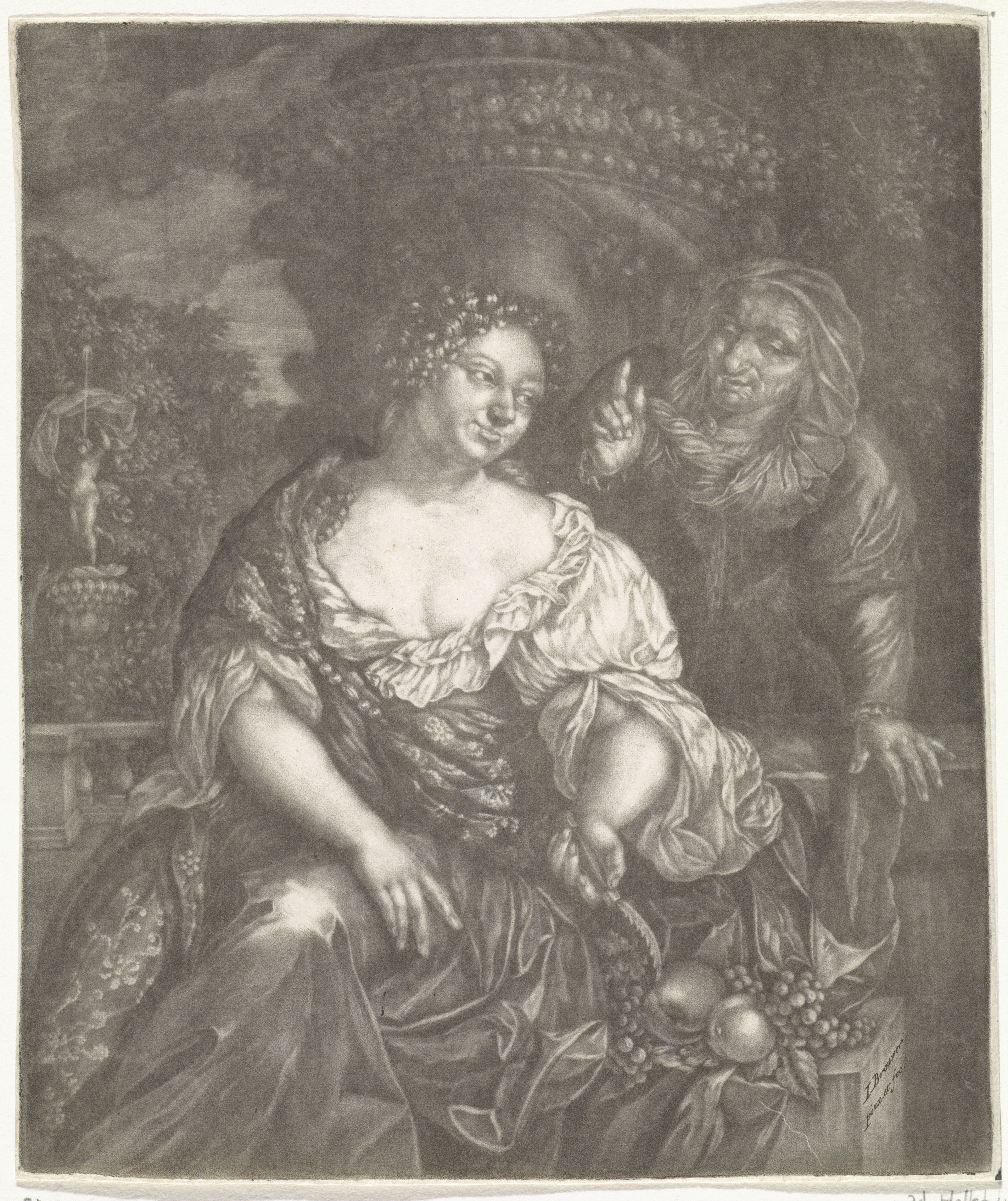
Vertumnus en Pomona in een tuin
Rijksmuseum
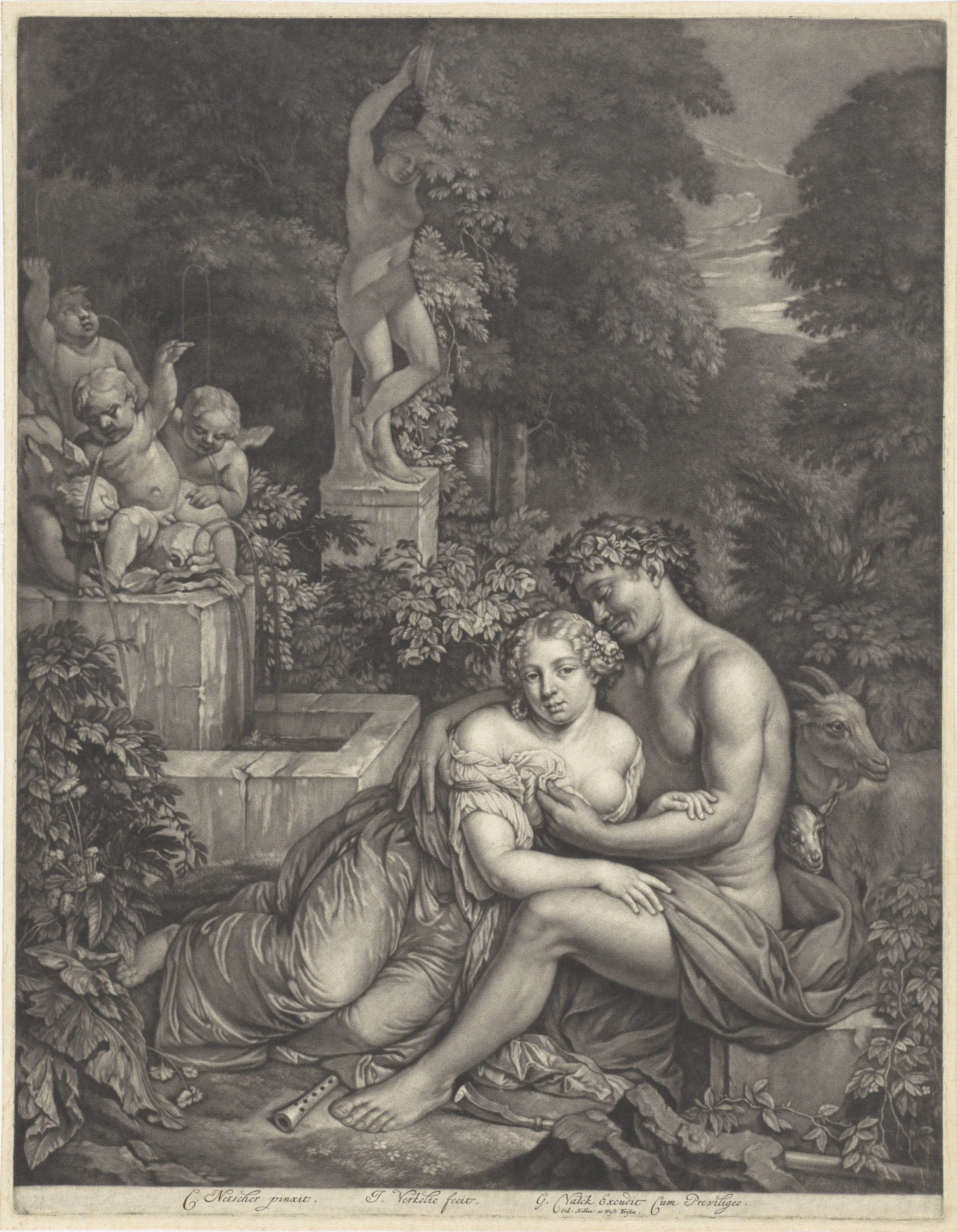
Vertumnus en Pomona
Rijksmuseum