
Minneapolis Institute of Art
Mask
Yup'ik artist; or possibly Inupiaq artist
- Date
- c. 1850–1900
- Medium
- Wood (probably spruce), pigments, string
- Culture
- Inupiaq
- Department
- Arts of the Americas
- Institution
- Minneapolis Institute of Art
Among the Yup’ik of the Arctic region, masks were made for ceremonial purposes, and their subjects were humans, animals, and spirits. Each mask is unique because its details are given to the carver in a dream. The masks are used for healing ceremonies or community-based dance celebrations such as the Bladder Ceremony. This mask could have elements from both a human and a bear, which may show the transformation from one being into the other. The Yup’ik, like many Native American cultures, consider bears to be part human. The ears are proportionally large because the Yup’ik believe that bears have an acute sense of hearing. In fact, they would be very careful what they said about bears because their conversation could be heard for miles and could anger the bears. Most Yup’ik masks had extensions around the perimeter of the object; these could be a large wooden circle, feathers, or both. The majority of masks in museum collections have lost these elements because of their fragility. Inupiaq, United States, Americas
The authoritative record is held by Minneapolis Institute of Art. LinkedCulture surfaces this object and its connections; it does not alter institutional metadata.
Related across collections
Semantically similar works from Minneapolis Institute of Art and other institutions.

Mask
Minneapolis Institute of Art
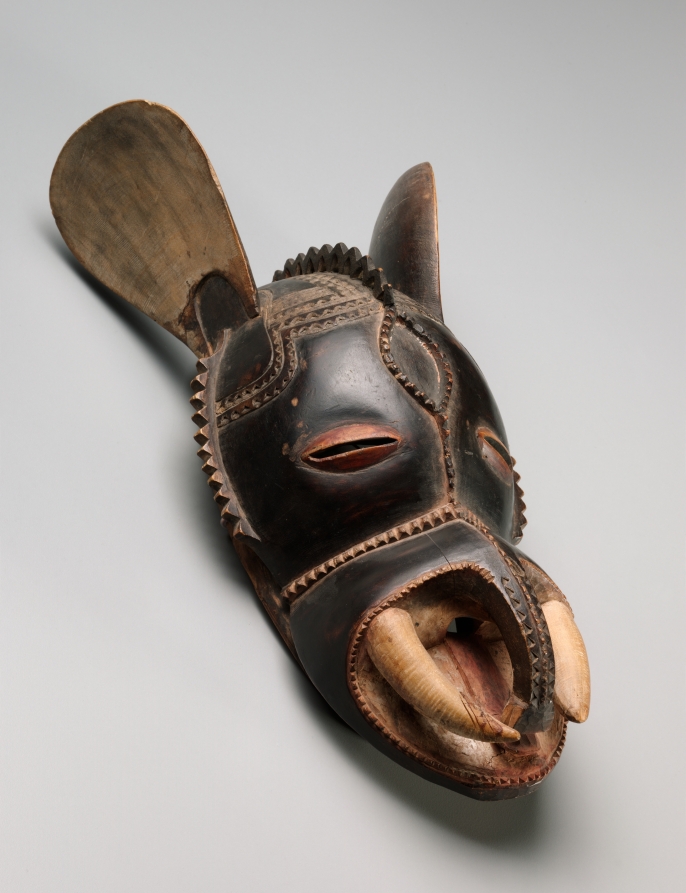
Face Mask
Cleveland Museum of Art

Mask
Minneapolis Institute of Art
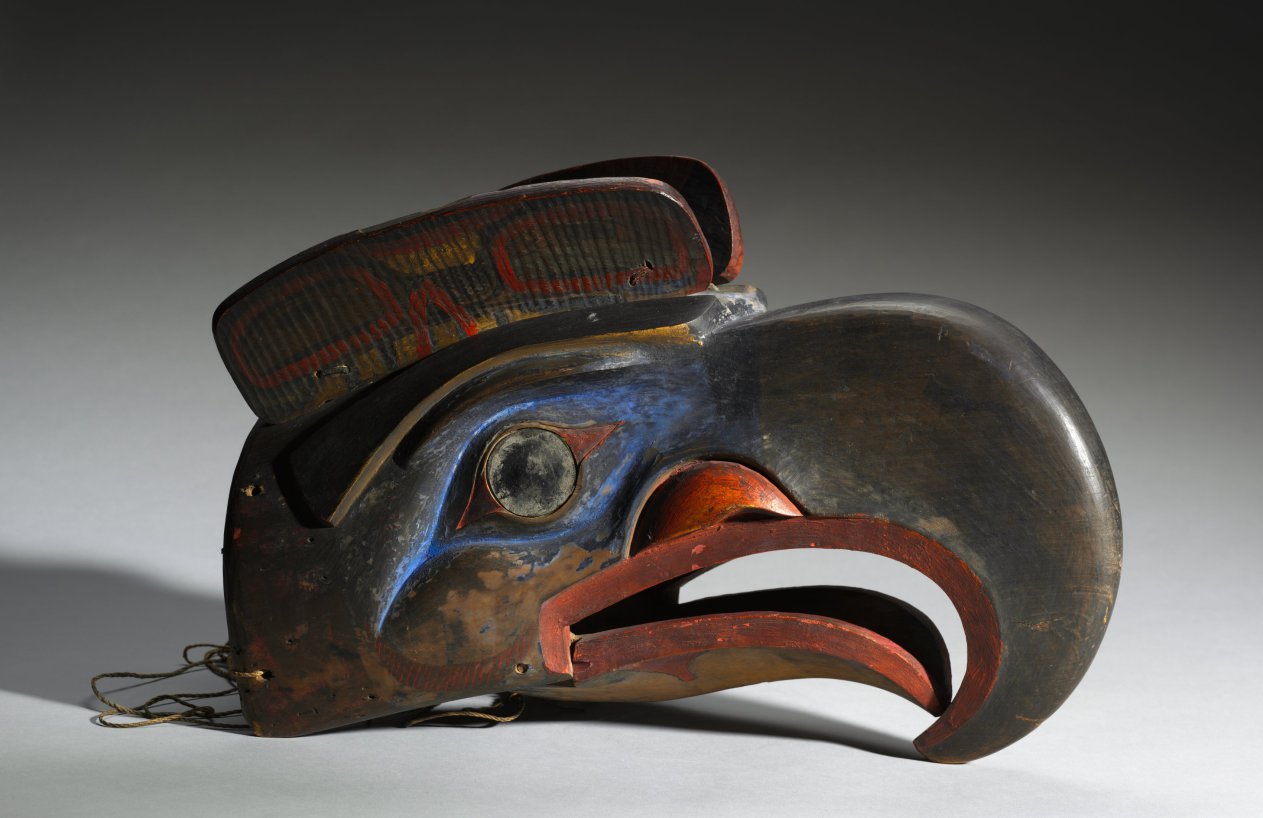
Mask: Eagle
Cleveland Museum of Art
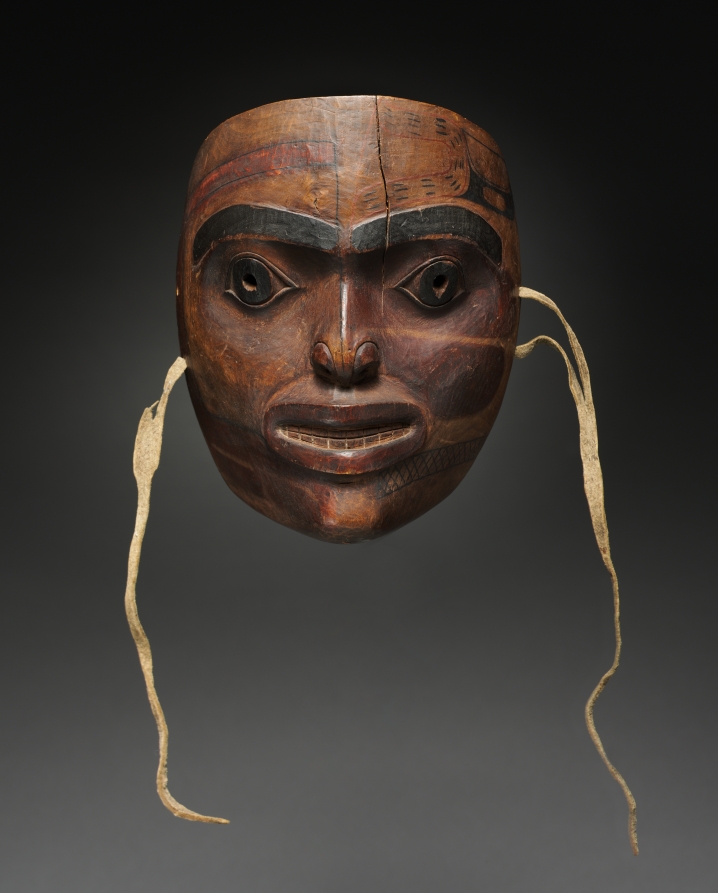
Mask
Cleveland Museum of Art

Mask
Minneapolis Institute of Art

Mask
Minneapolis Institute of Art

Mei Mask
Minneapolis Institute of Art
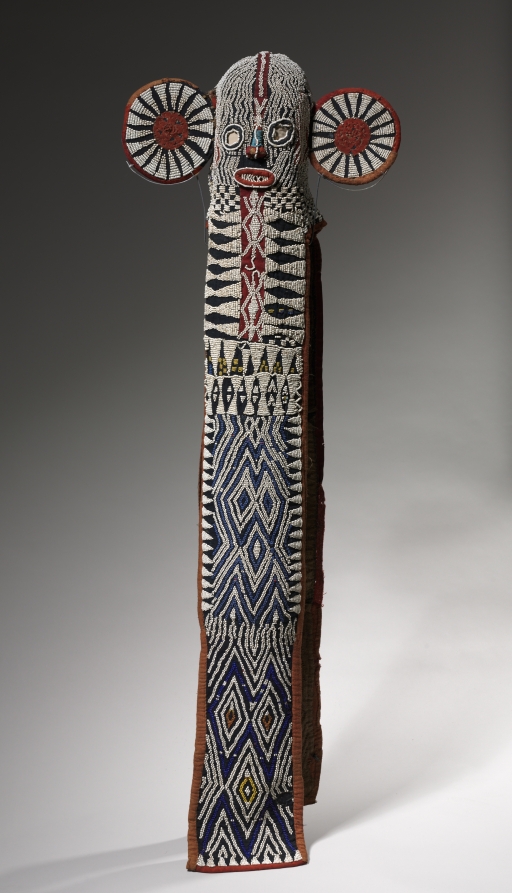
Mask (mbap mteng): Elephant (aka)
Cleveland Museum of Art
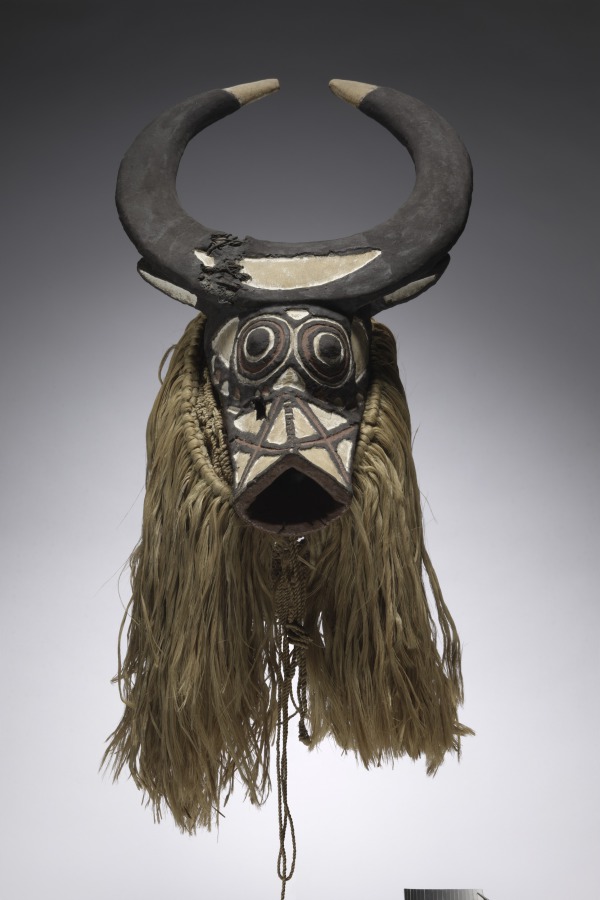
Buffalo Mask
Cleveland Museum of Art
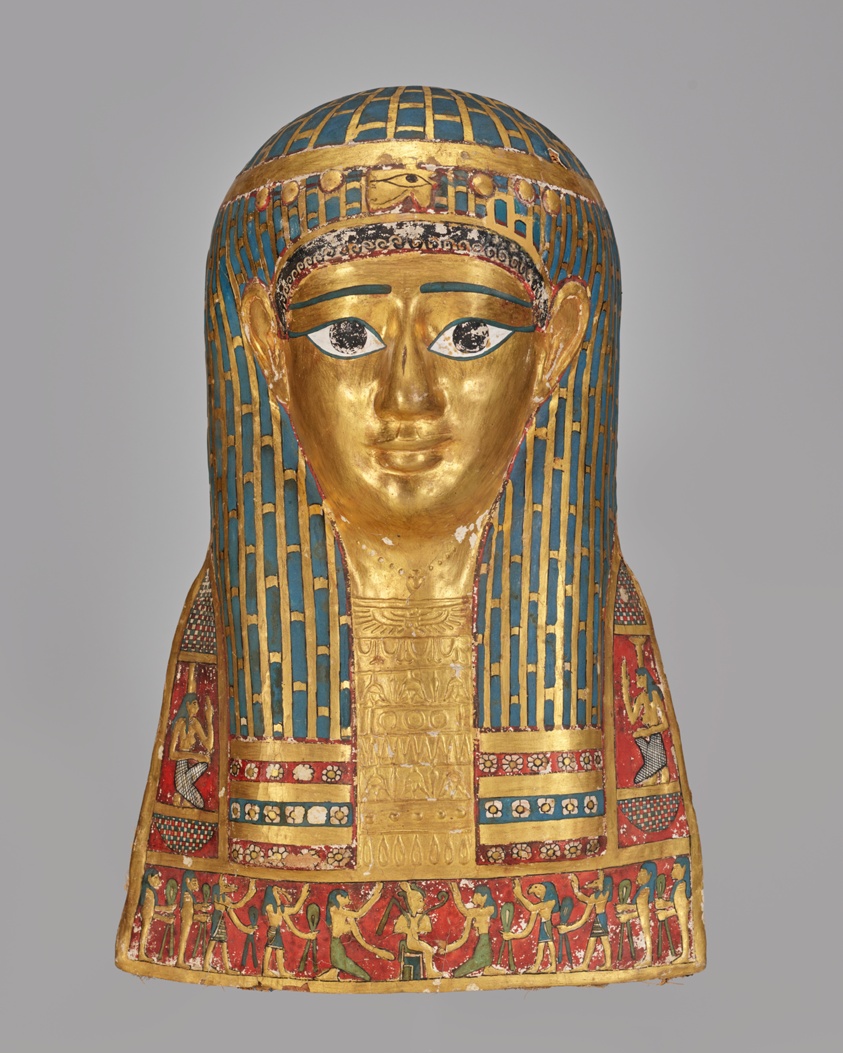
Funerary Mask
Art Institute of Chicago
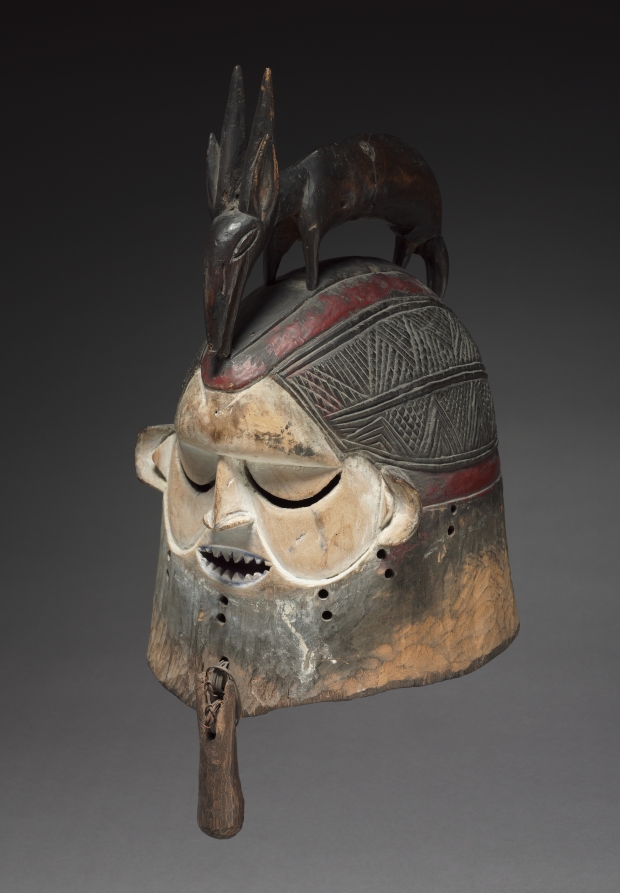
Mask (hemba)
Cleveland Museum of Art