
Minneapolis Institute of Art
Screen
Samuel Yellin
- Date
- c. 1930
- Medium
- Wrought iron
- Department
- Arts of the Americas
- Institution
- Minneapolis Institute of Art
Samuel Yellin's wrought iron creations adorn some of the finest American buildings built in the early 20th century. These include the Washington National Cathedral in Washington, D.C. (1920s), and locally, the home of John and Eleanor Pillsbury, Southways, in Wayzata (completed 1919, demolished 2018). During this time, Yellin's shop in Philadelphia included a showroom, drafting room, library, and 60 forges for over 200 workers. Through his European training, Yellin possessed an understanding of historical styles and employed them for clients, but his most memorable designs are from his Arts and Crafts and later modernist work. An example of the latter is this screen from a series of prototypes he called Sketches in Iron, which incorporates the angularity and dynamism of the Art Deco style. The zig-zag motifs, embellished with linear chiseled and punched decoration and adorned with tendrils forming open circles, are a clear demonstration of his combination of expertise and inventiveness in this traditional medium. United States, Americas
The authoritative record is held by Minneapolis Institute of Art. LinkedCulture surfaces this object and its connections; it does not alter institutional metadata.
Related across collections
Semantically similar works from Minneapolis Institute of Art and other institutions.

Screen fragment
Minneapolis Institute of Art

Stencil
Minneapolis Institute of Art
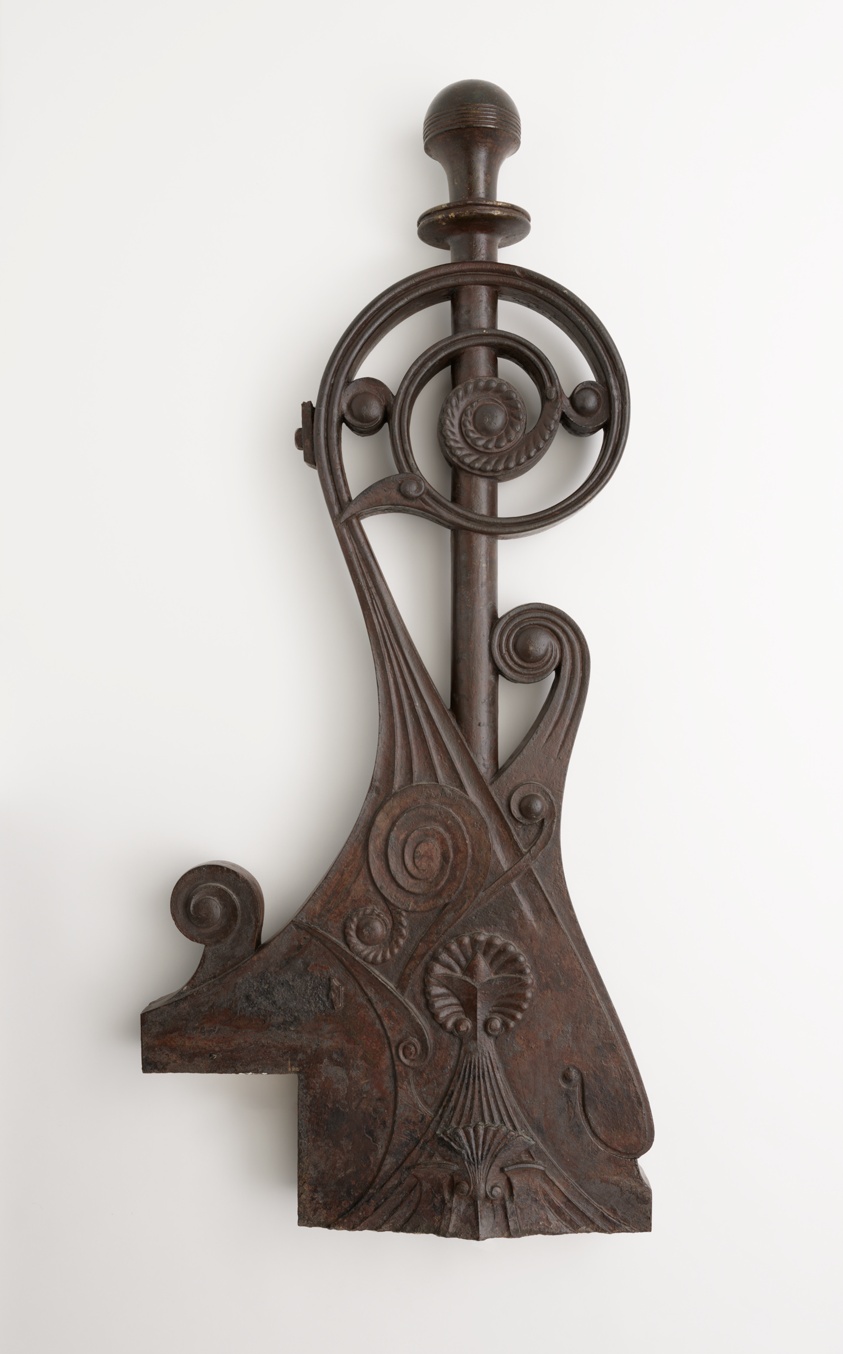
Newel Post from the Morris Selz House, Chicago, Illinois
Art Institute of Chicago

Sample cast for elevator bank decoration
Minneapolis Institute of Art

Woolworth Building (The Dance)
Minneapolis Institute of Art

Pair of elevator grilles, frieze, and overgrille
Minneapolis Institute of Art

Square House, Amsterdam
Minneapolis Institute of Art
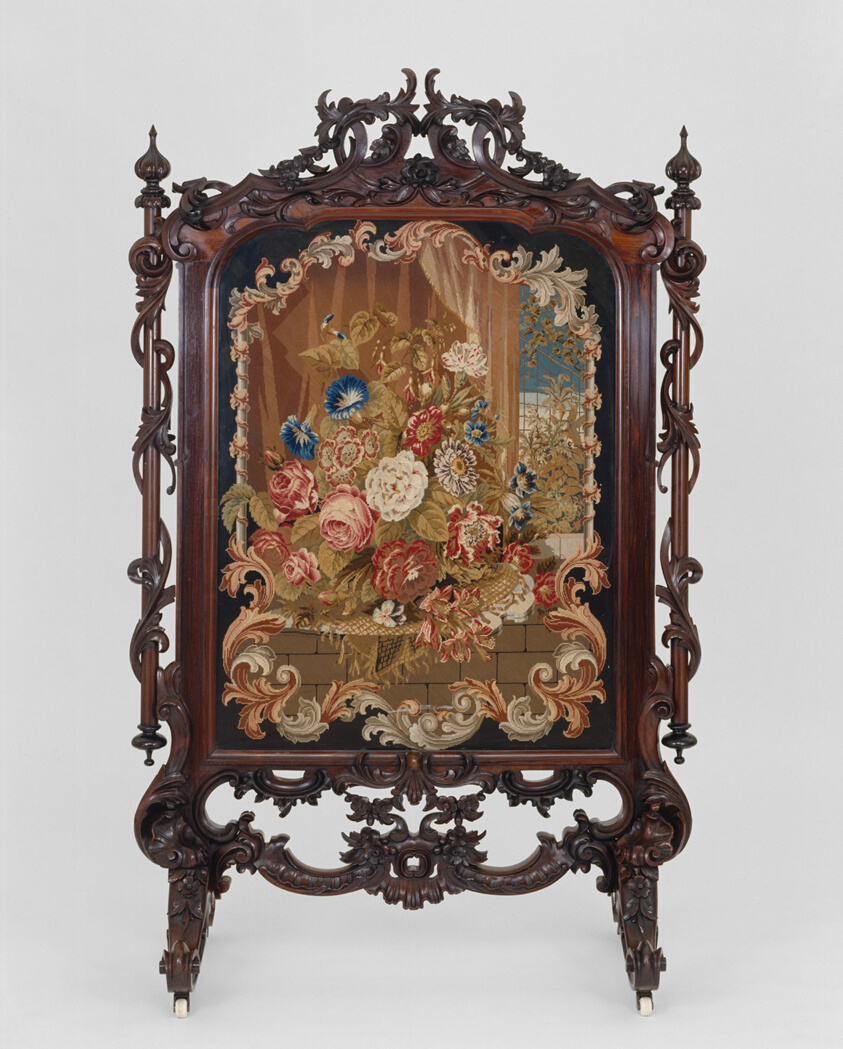
Fire Screen
Art Institute of Chicago

The Kitchen, from The French Set
Minneapolis Institute of Art

Urn
Minneapolis Institute of Art

Side cabinet
Minneapolis Institute of Art
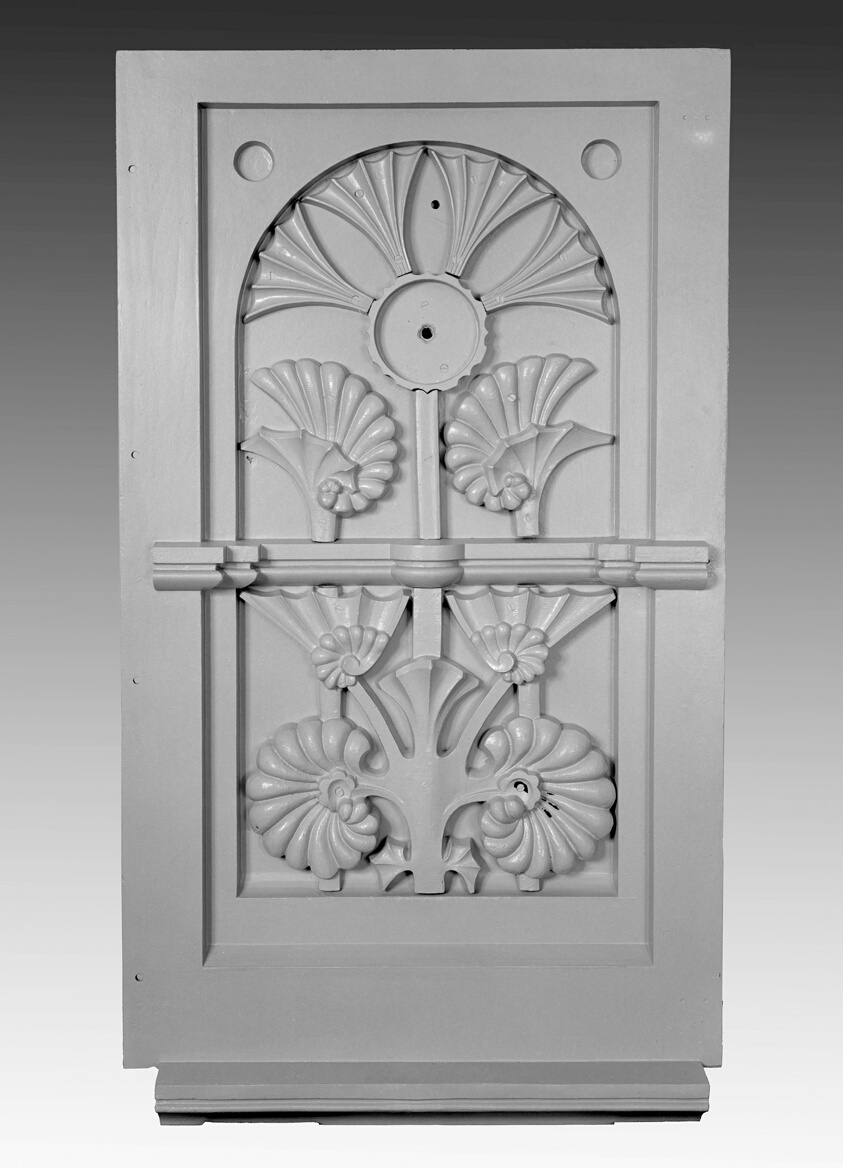
Frieze Section from the Rothschild Store, Chicago, Illinois
Art Institute of Chicago