
Minneapolis Institute of Art
Helmet in dragonfly shape
Japan
- Date
- 17th century
- Medium
- Iron, lacquer, wood, leather, gilt, pigments, silk, papier-mâché
- Department
- Asian Art
- Institution
- Minneapolis Institute of Art
During the 15th and 16th centuries, Japan's feudal families vied for supremacy, amassing vast armies to ensure their dominion and to conquer weaker neighbors. High-ranking lords began to embellish their helmets with sculptural forms so that they could be visually located on the battlefield. Exotic helmets ( kawari kabuto ) also allowed leaders to choose symbolic motifs for their helmets that reflected some aspect of their personality or that of their collective battalions. This helmet is shaped like a giant dragonfly. In Japan, the dragonfly is symbolic of focused endeavor and vigilance because of its manner of moving up, down and sideways while continuing to face forward. In addition, in ancient texts Japan was often referred to as Akitsushima (Land of the Dragonflies), because of their abundance. They were also thought to be the spirits of rice, since they are often to be found hovering above the flooded rice fields. Asia
The authoritative record is held by Minneapolis Institute of Art. LinkedCulture surfaces this object and its connections; it does not alter institutional metadata.
Related across collections
Semantically similar works from Minneapolis Institute of Art and other institutions.
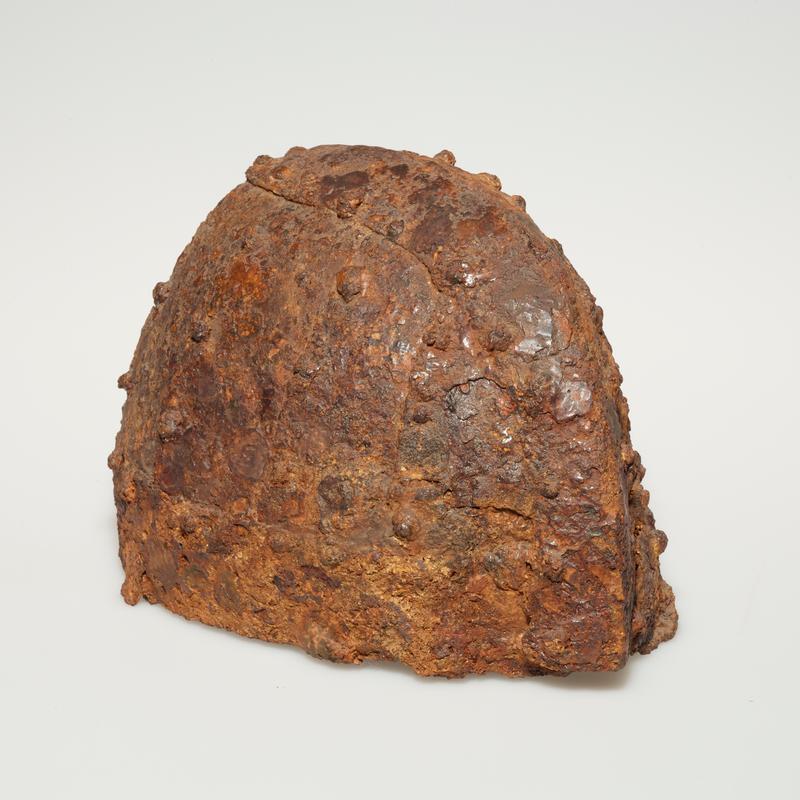
Ram-shaped helmet (shōkakutsuki kabuto)
Minneapolis Institute of Art
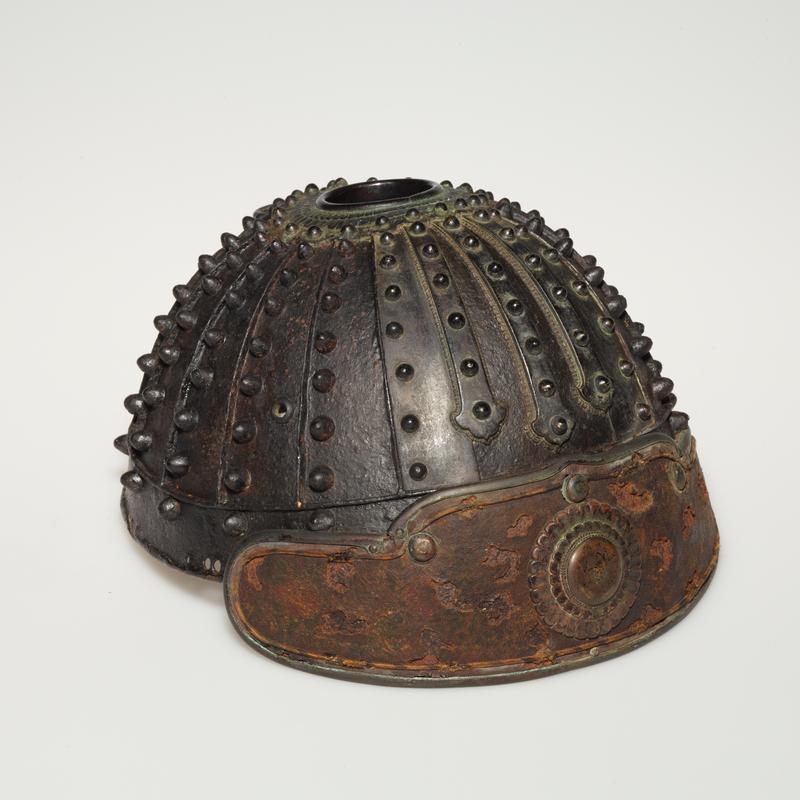
Helmet (hoshi kabuto)
Minneapolis Institute of Art
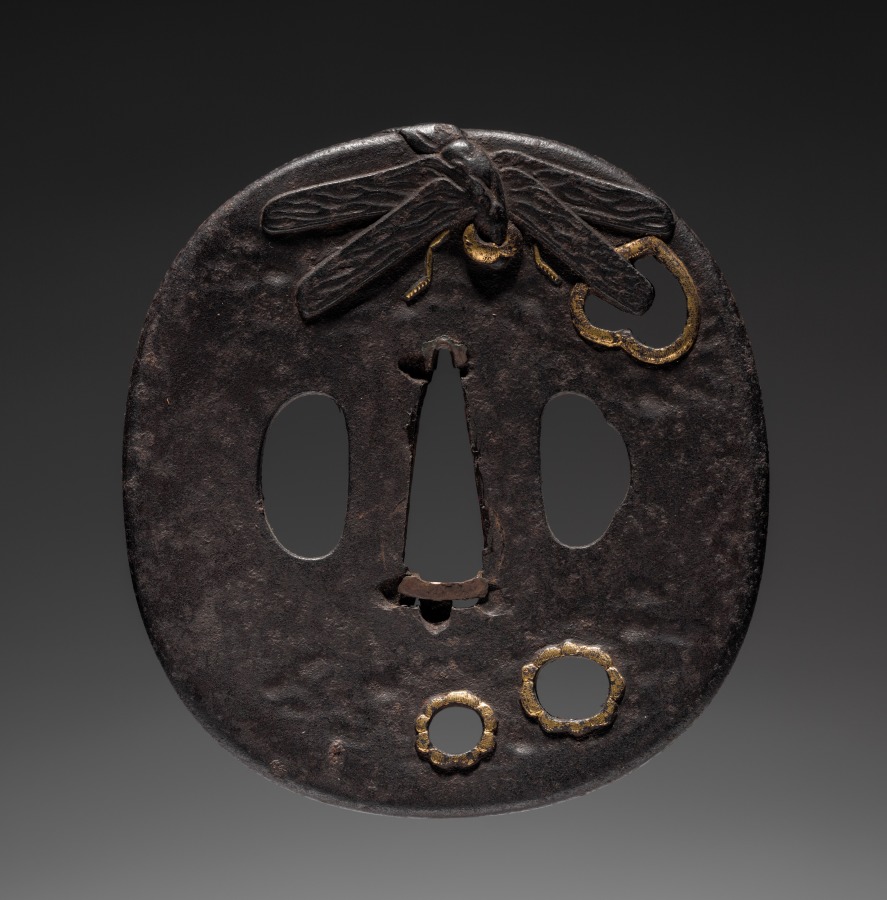
Sword Guard (Tsuba) with Dragonfly
Cleveland Museum of Art
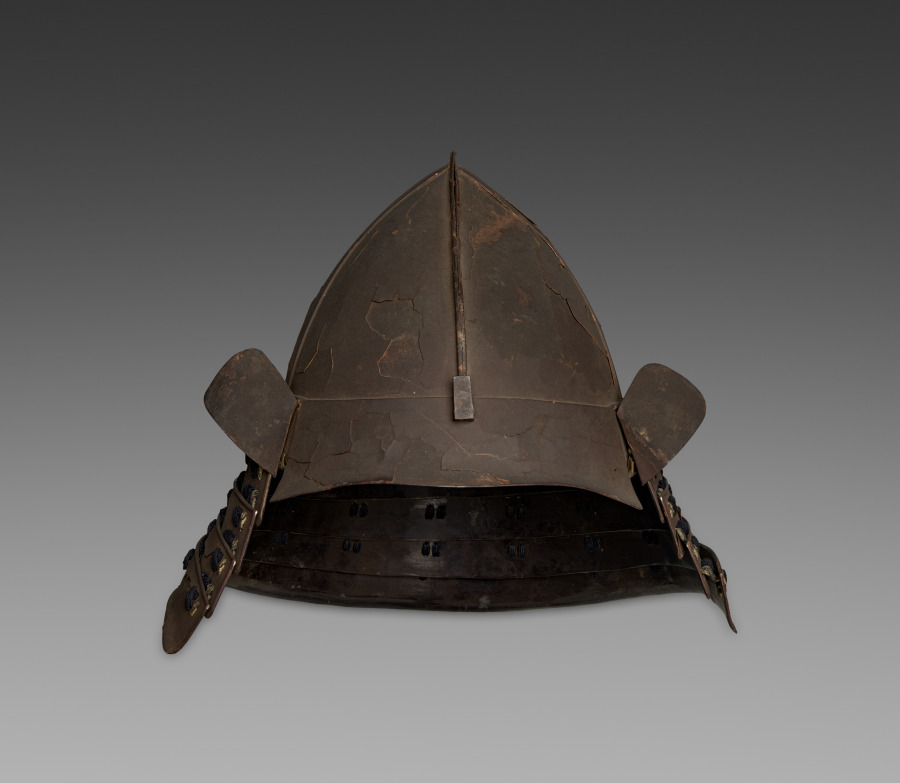
Helmet (Kabuto)
Cleveland Museum of Art
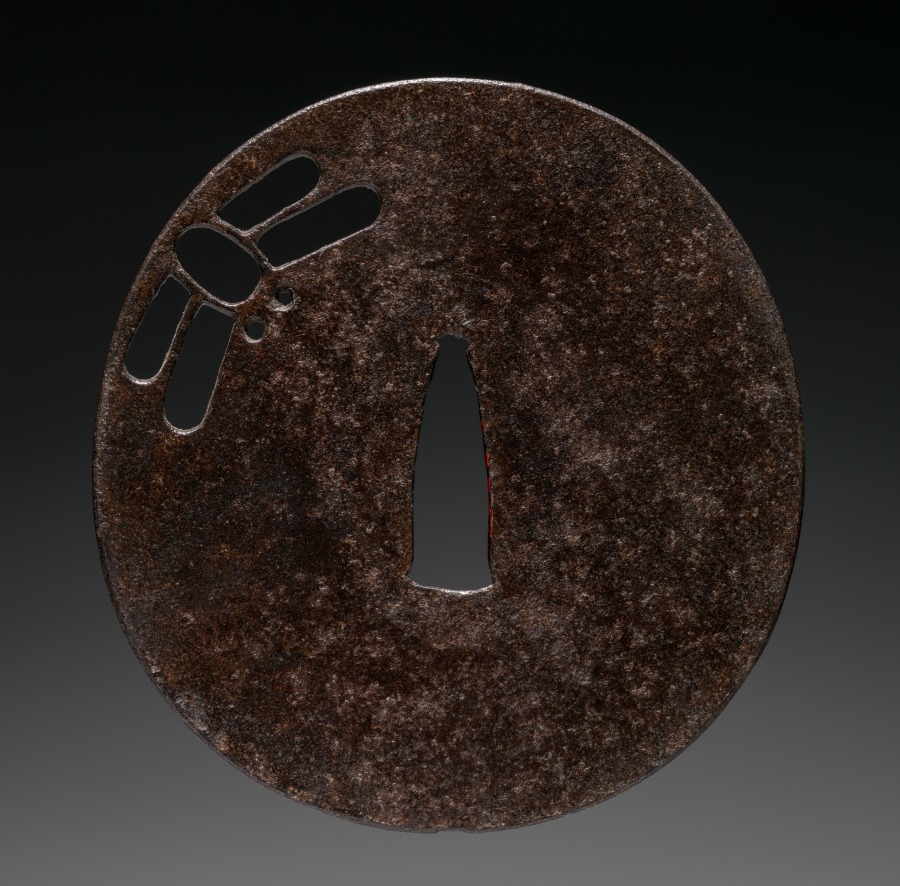
Sword Guard (Tsuba) with Dragonfly
Cleveland Museum of Art
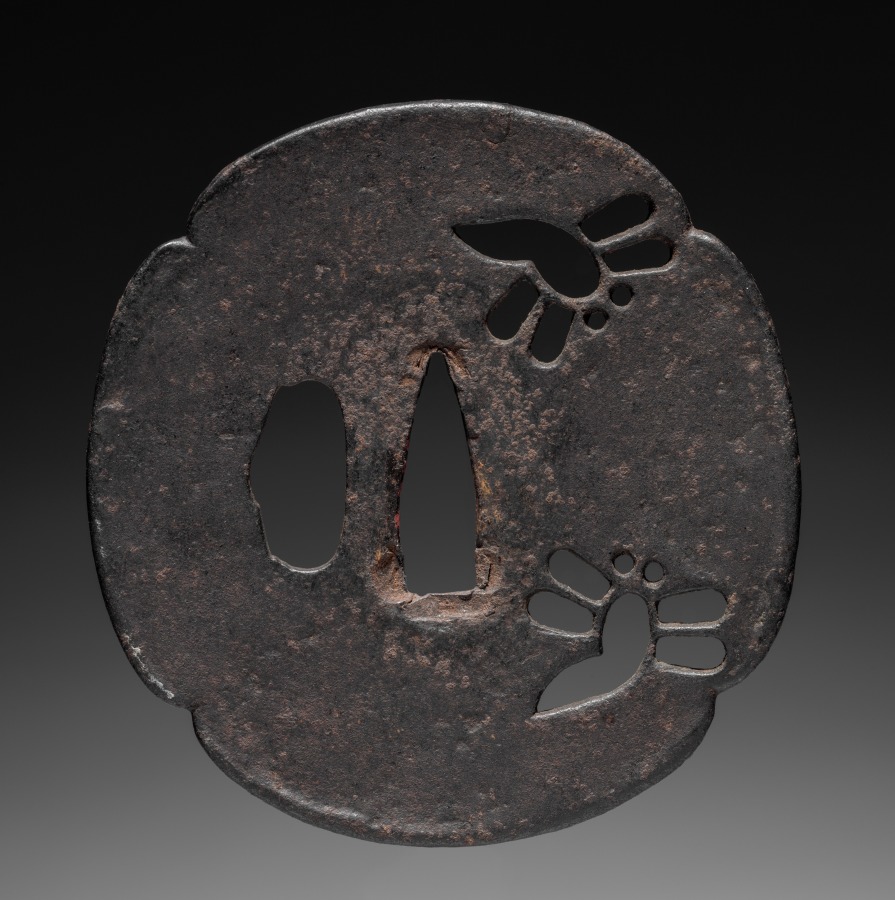
Sword Guard (Tsuba) with Dragonflies
Cleveland Museum of Art

Helmet with ornament bearing seed syllable for Fudō Myōō
Minneapolis Institute of Art
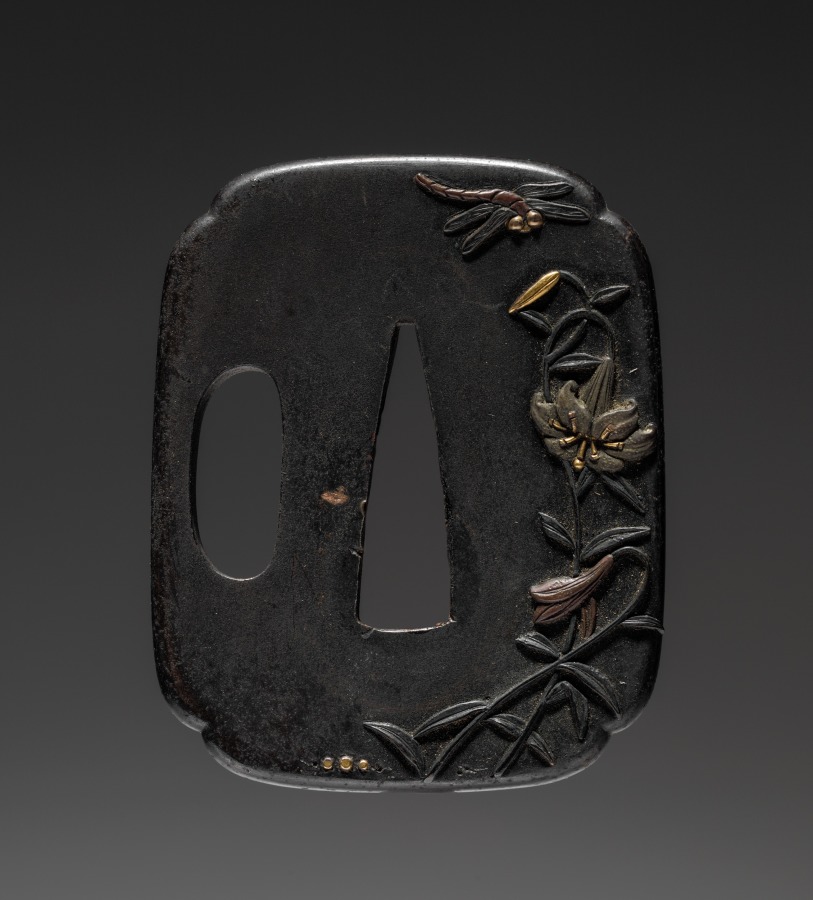
Sword Guard (Tsuba) with Dragonfly and Lily
Cleveland Museum of Art

Suidō Bridge and Surugadai
Minneapolis Institute of Art

Red battle surcoat with white family crest
Minneapolis Institute of Art
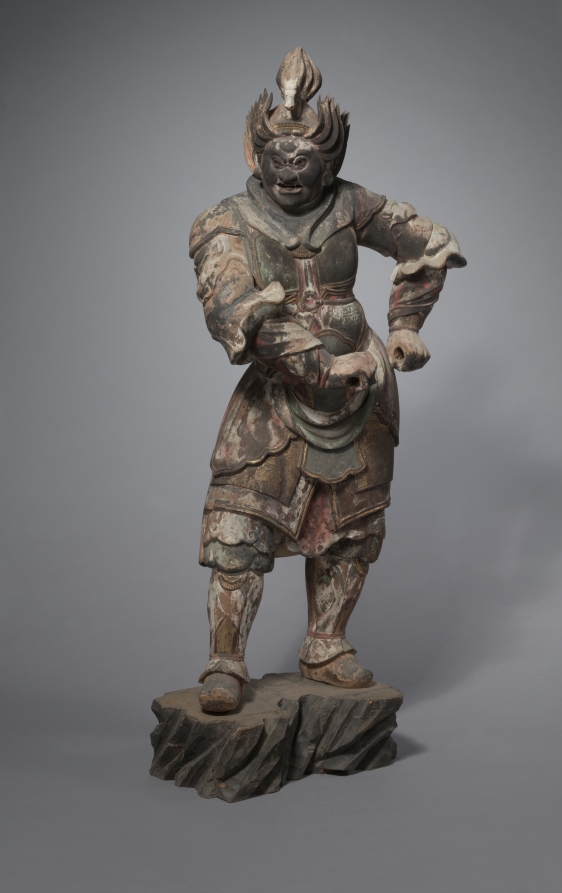
A Heavenly General (One of the Junishinshō)
Cleveland Museum of Art

Red-and-blue-laced two-plate cuirass armor from the Kii Tokugawa family
Minneapolis Institute of Art