Minneapolis Institute of Art
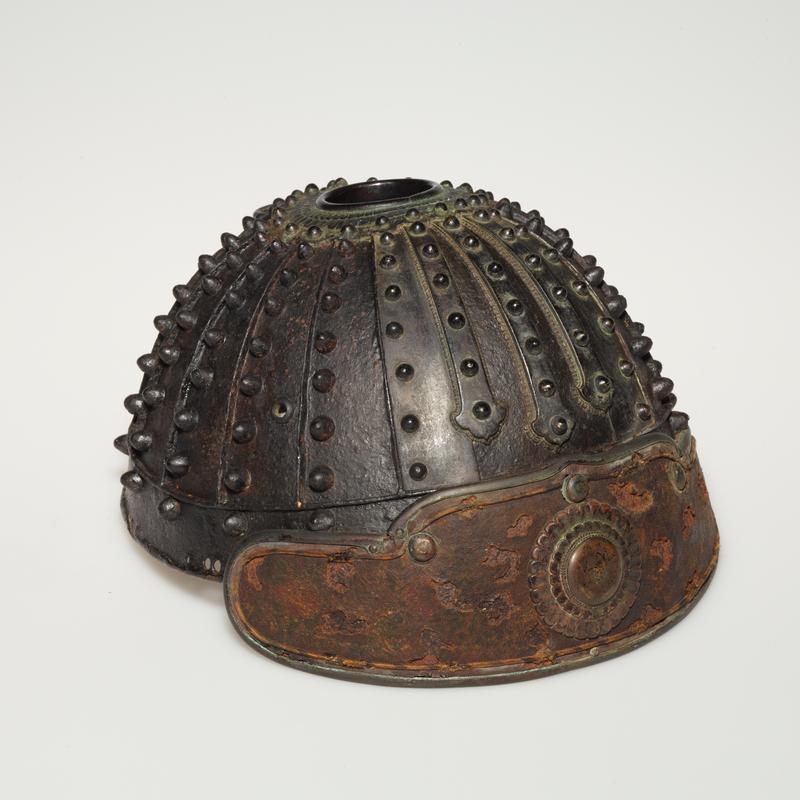
Helmet (hoshi kabuto)
Japan
- Date
- 12th–13th century
- Medium
- Iron, leather, copper
- Department
- Asian Art
- Institution
- Minneapolis Institute of Art
A helmet was an important part of a samurai’s equipment not only for protection but also as a visual element to impress opponents. The use of iron helmets in Japan for protection is documented from to the 5th century through excavated examples which suggest that the construction was imported from China via Korea. Because the front side that protects the forehead is protruding like the prow of a ship, these early helmets are called shōkakutsuki kabuto, literally ram-shaped helmet. It took until around the turn of the 10th to the 11th century that the earliest indigenous Japanese helmet form emerged which was made of riveted plates and called hoshi kabuto. Hoshi kabuto are no longer purely utilitarian but embellished and decorated, and showcase that already at that time, both design and aesthetics played major roles in armor construction in Japan. Asia
The authoritative record is held by Minneapolis Institute of Art. LinkedCulture surfaces this object and its connections; it does not alter institutional metadata.
Related across collections
Semantically similar works from Minneapolis Institute of Art and other institutions.
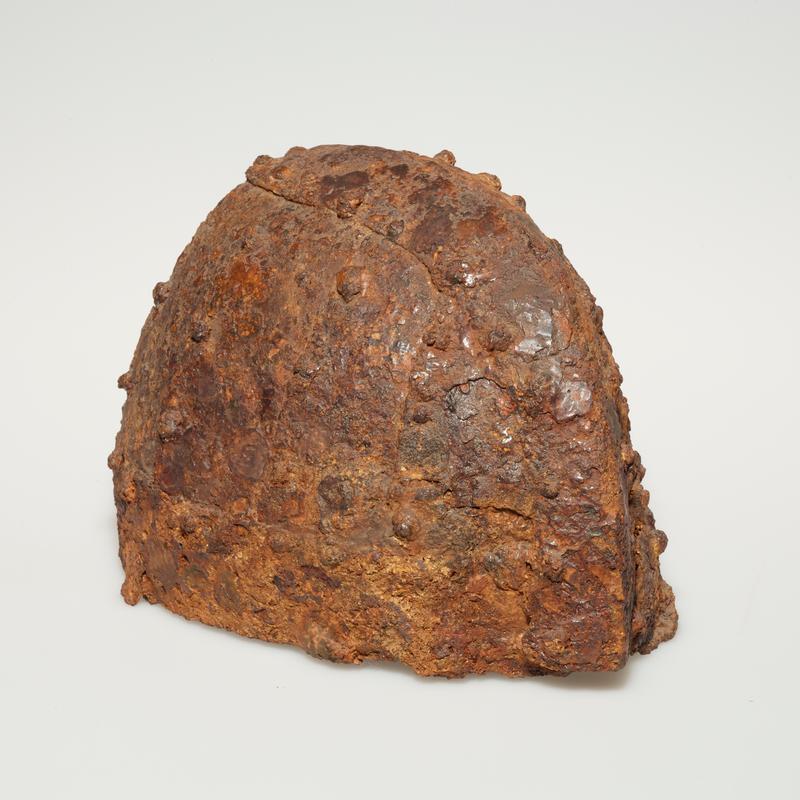
Ram-shaped helmet (shōkakutsuki kabuto)
Minneapolis Institute of Art
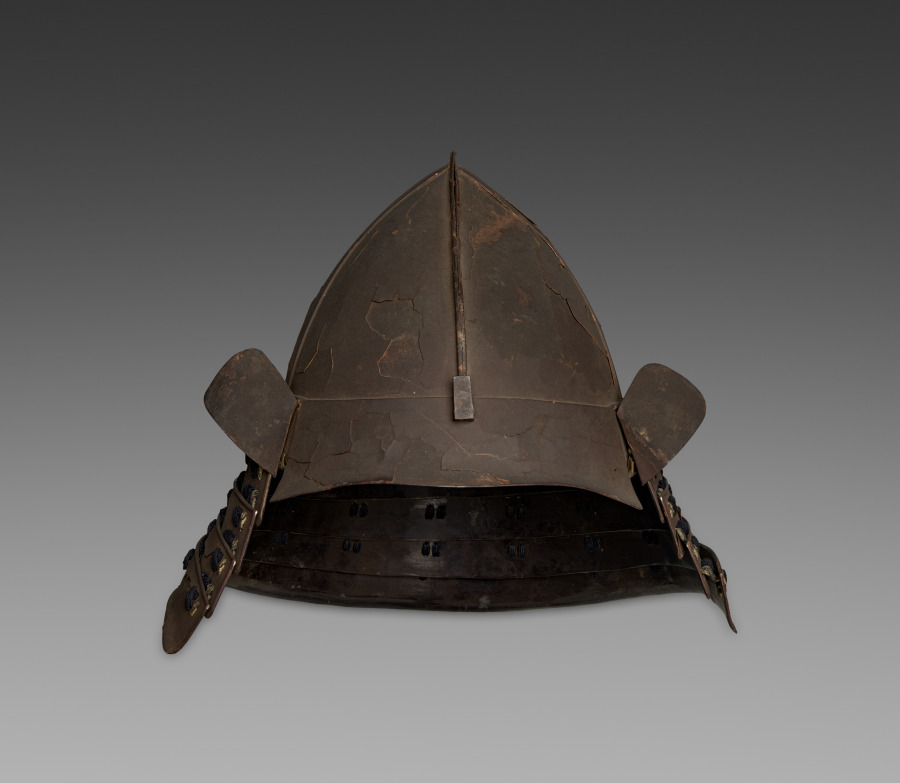
Helmet (Kabuto)
Cleveland Museum of Art
_ Fountain Trie\2015 Treatment\Conservation materials\Modeling Paste\1253.PDF)
Helmet (Hachi)
The Metropolitan Museum of Art

Helmet in dragonfly shape
Minneapolis Institute of Art

Helmet with ornament bearing seed syllable for Fudō Myōō
Minneapolis Institute of Art
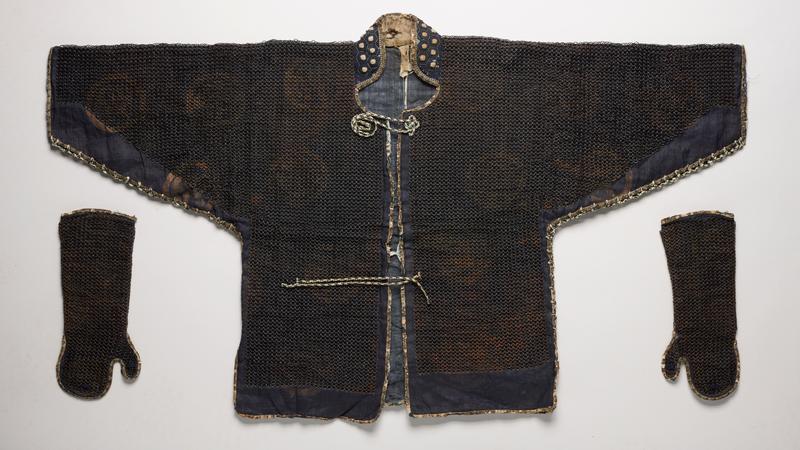
Chain mail gloves
Minneapolis Institute of Art
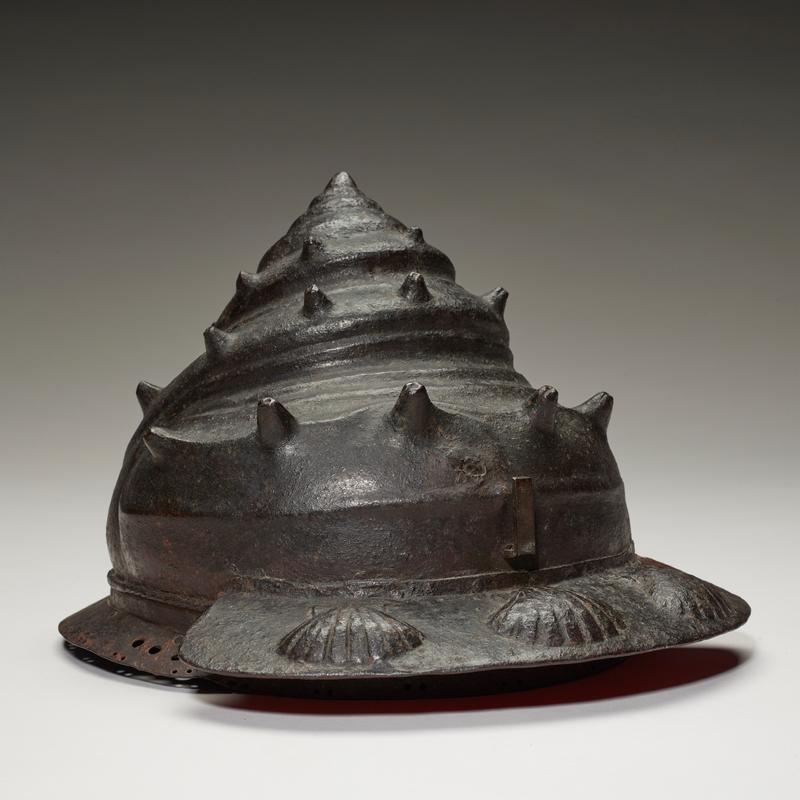
Helmet hammered as a turban snail
Minneapolis Institute of Art
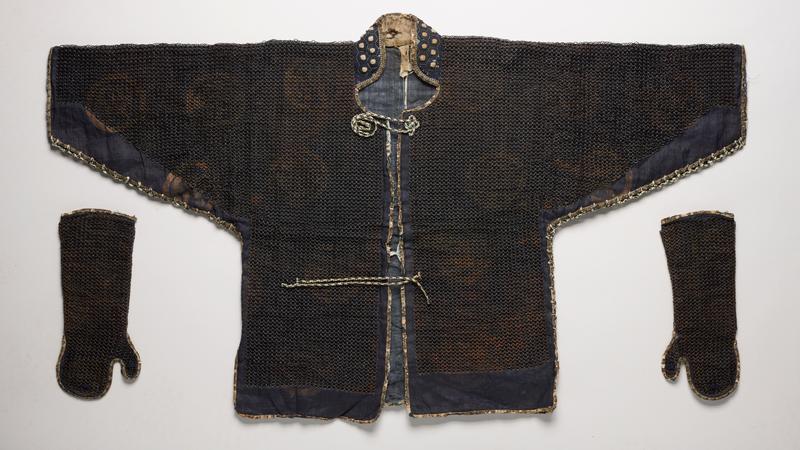
Chain mail coat
Minneapolis Institute of Art
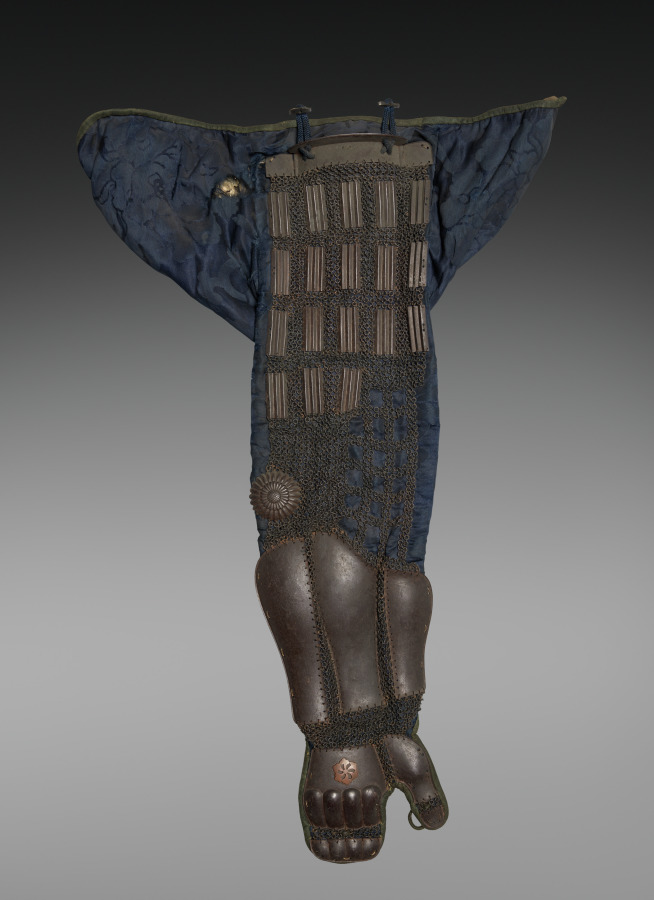
Armored Sleeve (Kote)
Cleveland Museum of Art
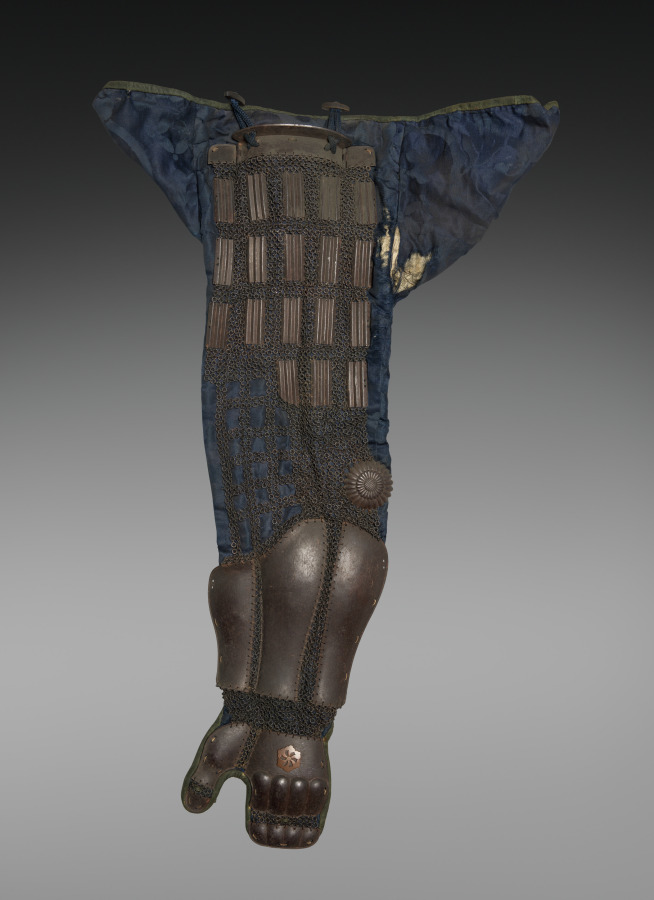
Armored Sleeve (Kote)
Cleveland Museum of Art
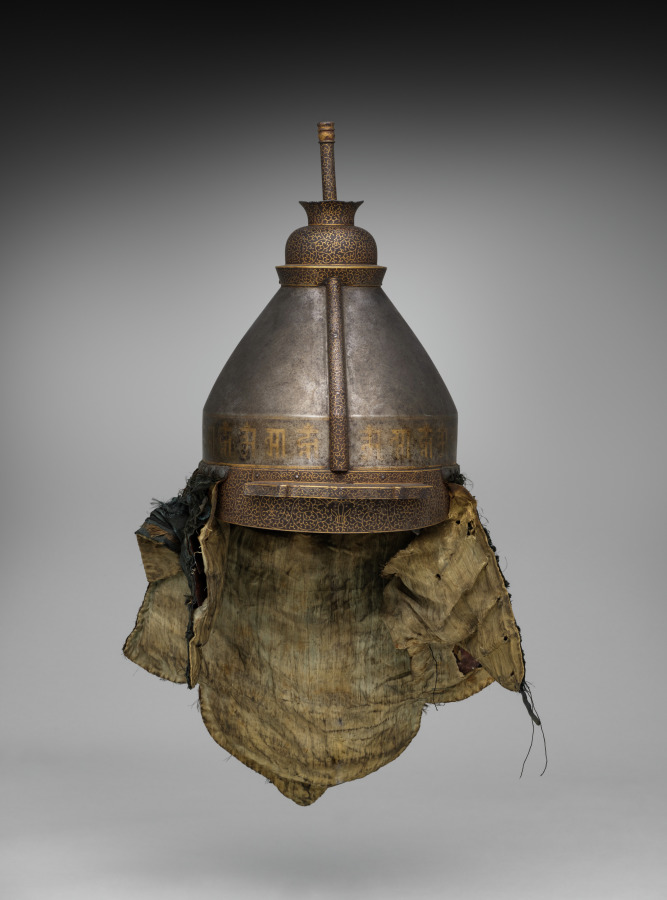
Helmet
Cleveland Museum of Art
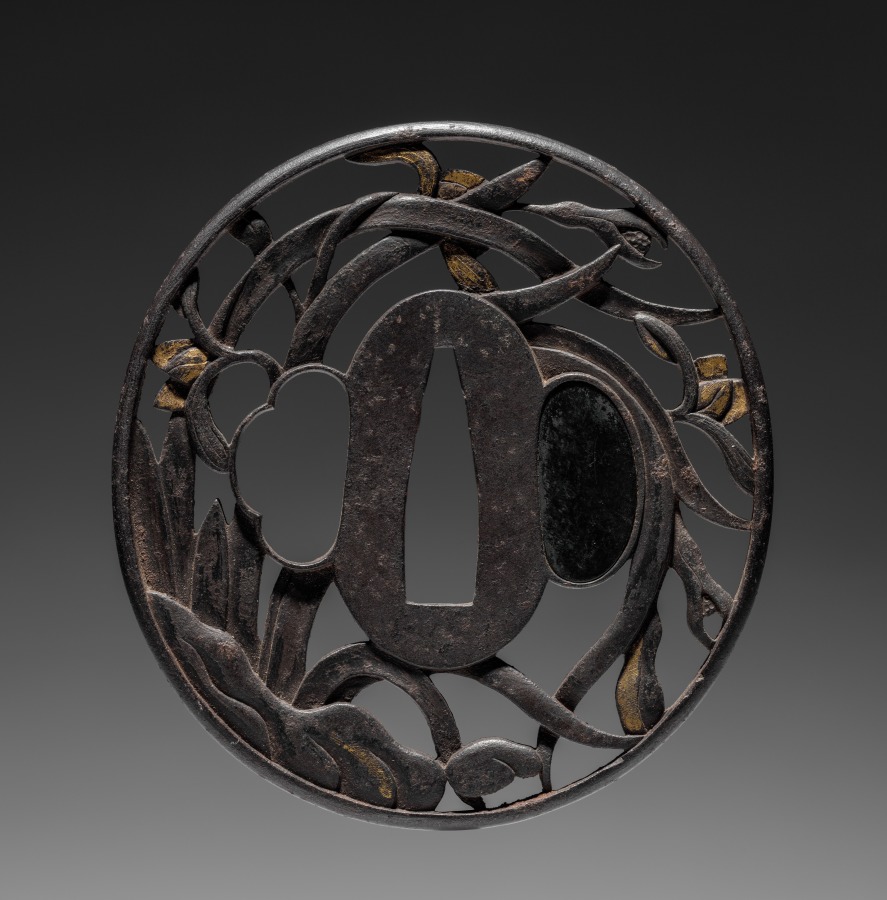
Sword Guard
Cleveland Museum of Art