
Minneapolis Institute of Art
Adoration of the Magi
Attributed to Battista Franco
- Date
- 1530–61
- Medium
- Engraving and etching
- Department
- European Art
- Institution
- Minneapolis Institute of Art
A late Renaissance Mannerist, Battista Franco was a prolific draftsman, painter, and printmaker. He led an itinerant career, working extensively outside his native Venice, in Rome, Florence, and Urbino. Franco's graphic work often drew more acclaim than his paintings. In his prints, his combination of etching with engraving represents an important shift in printmaking practice in Italy after the sack of Rome in 1527, when painter-printmakers (peintre-graveurs) such as Parmigianino and Battista Franco began to experiment with etching. By the end of the century, etching, because of its technical ease and freedom definitively surpassed engraving as the medium of choice for painters making prints. The Adoration of the Magi represents the beginning of this change. Franco executed most of the scene in engraving, and then introduced a large etched tree on the right side of the composition. It is evident from the tree why the light, spontaneous drawing-like quality of etching was so appealing to artists, and particularly suitable for landscapes. Whereas the swelling burin lines, meticulous crosshatching, and elegant parallel lines in the rest of the scene demonstrate the precision, artifice, and polished sumptuousness of engraving. This discrete combination of techniques is quite unique and vividly illuminates a critical moment in the history of printmaking Europe
The authoritative record is held by Minneapolis Institute of Art. LinkedCulture surfaces this object and its connections; it does not alter institutional metadata.
Related across collections
Semantically similar works from Minneapolis Institute of Art and other institutions.

The Adoration of the Magi
Minneapolis Institute of Art
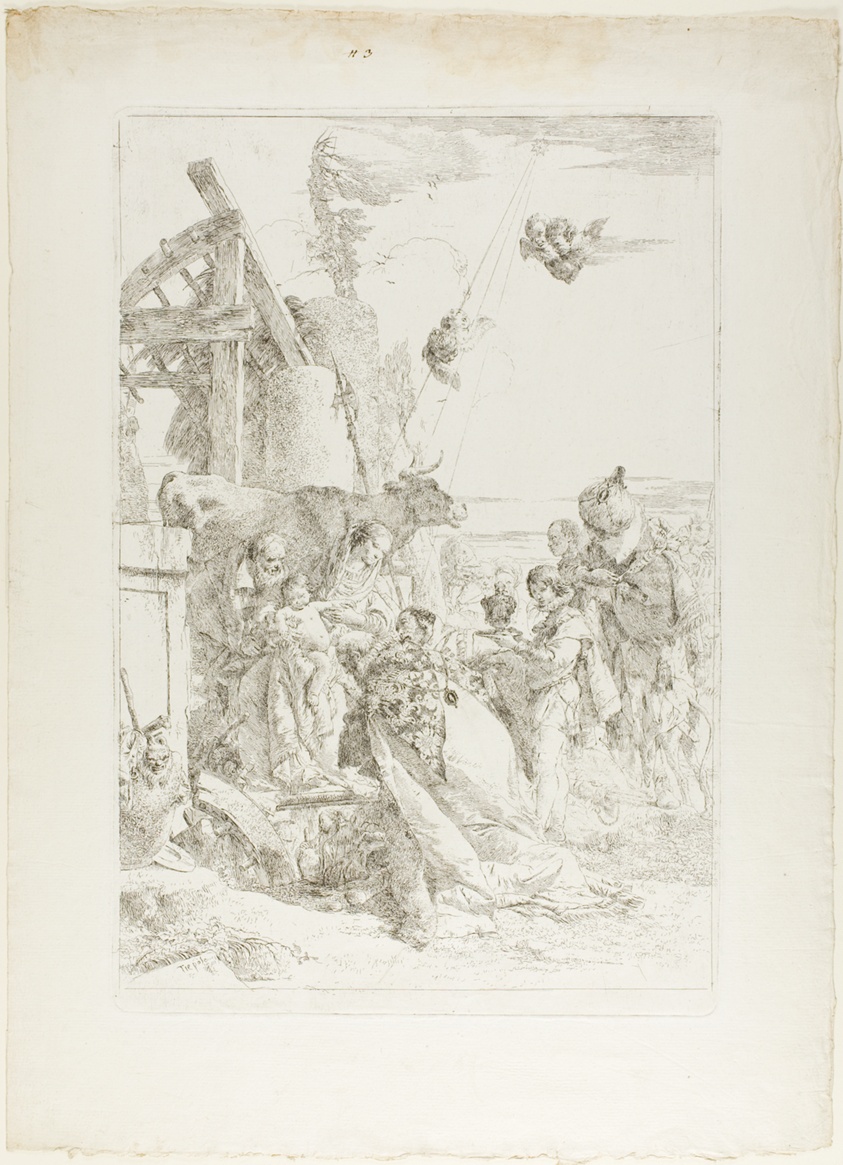
Adoration of the Magi
Art Institute of Chicago
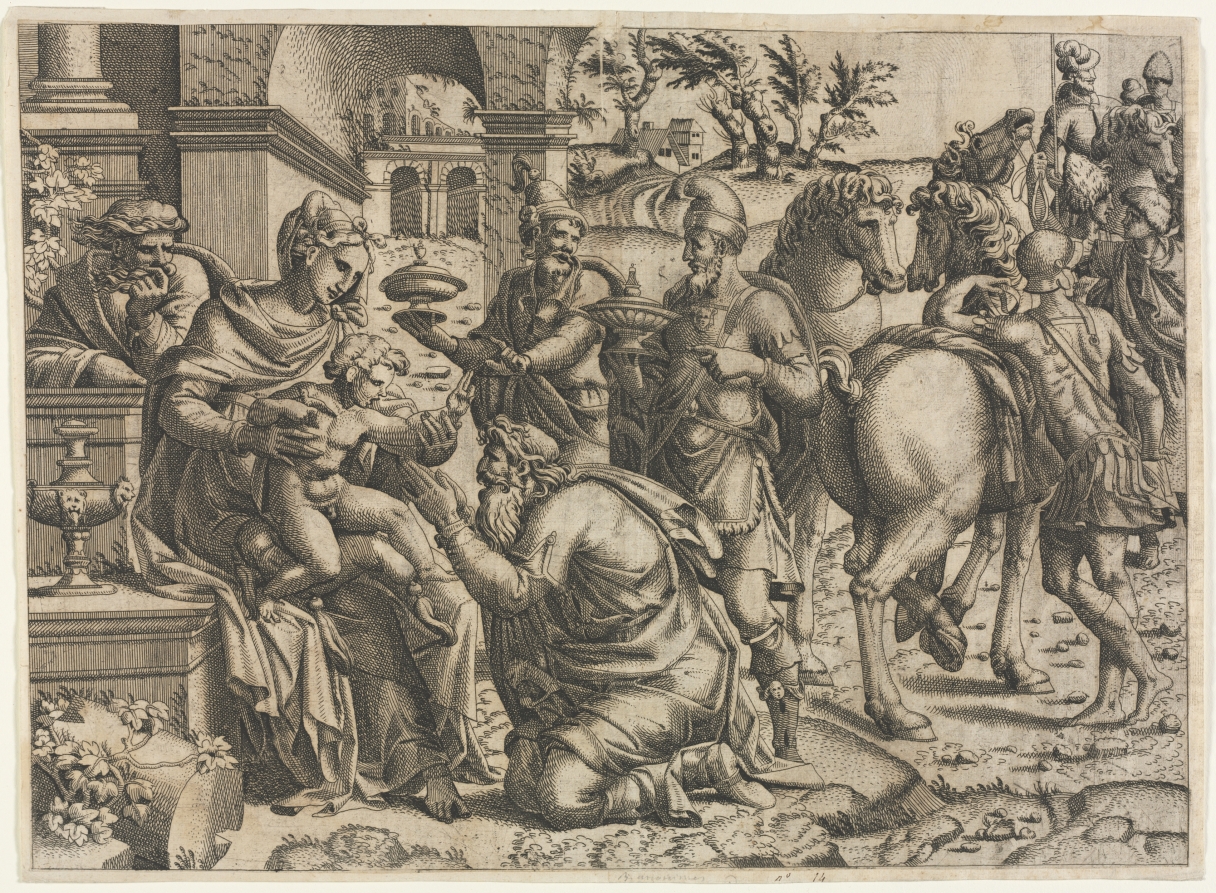
The Adoration of the Magi
Cleveland Museum of Art
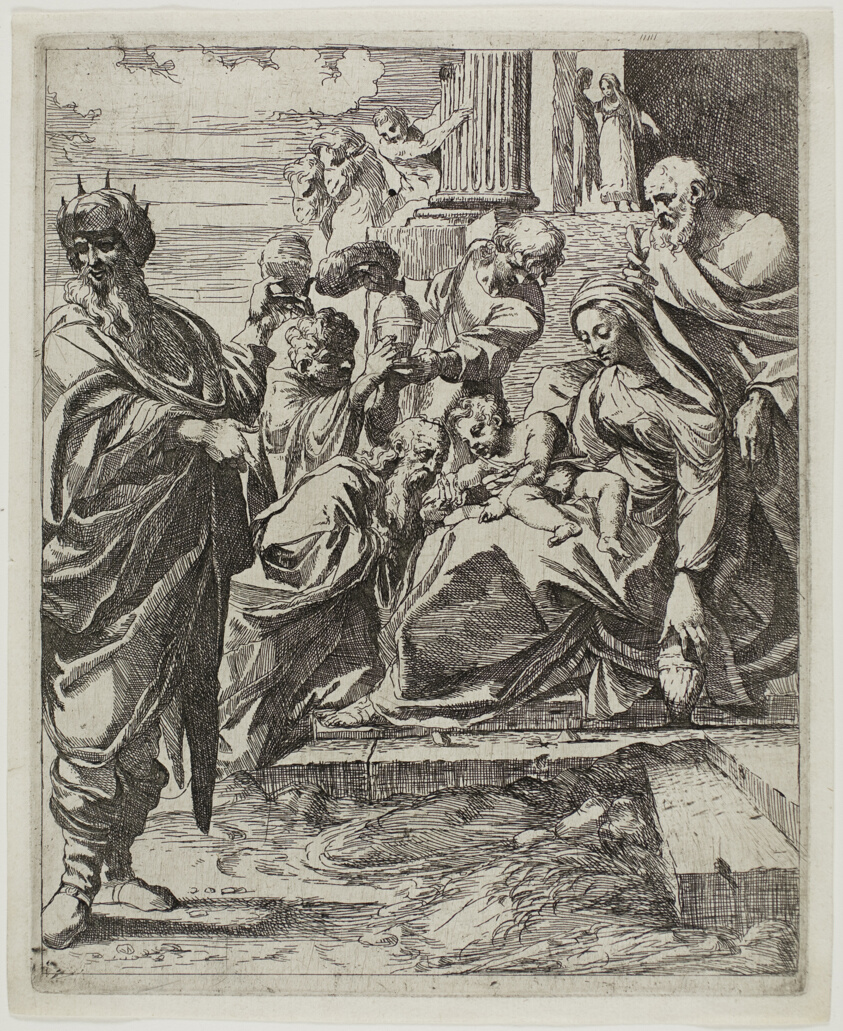
Adoration of the Magi
Art Institute of Chicago
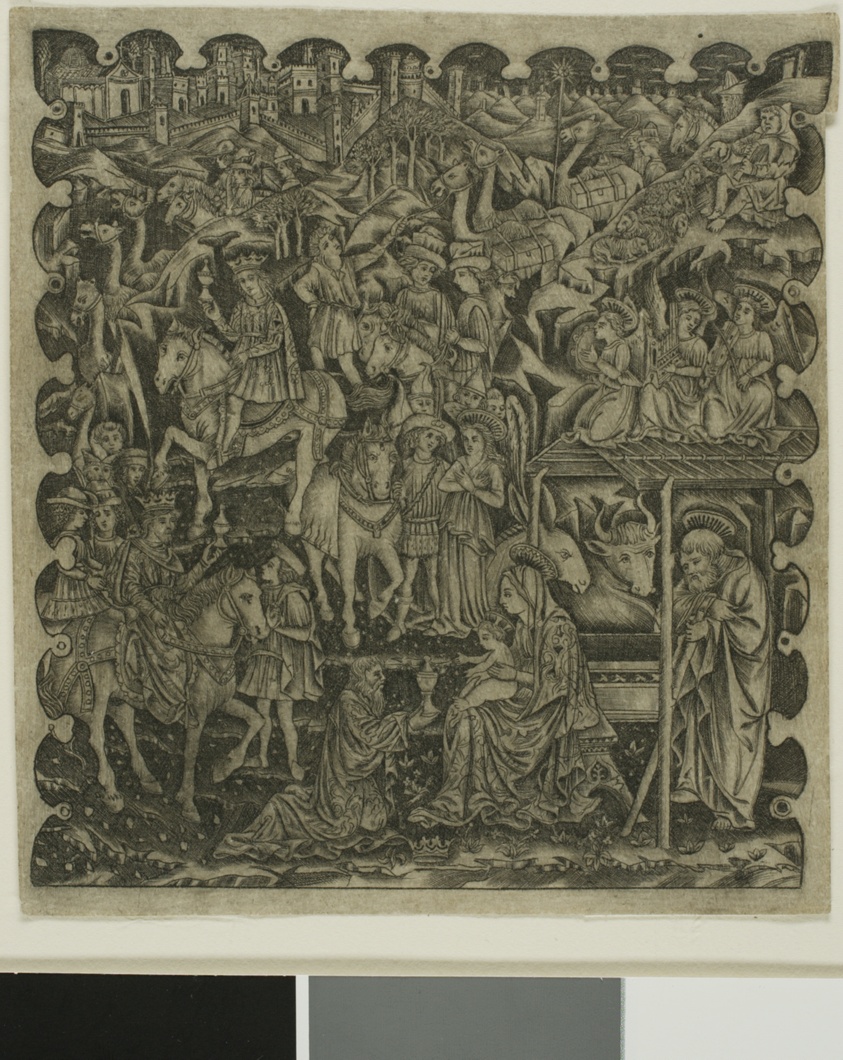
Adoration of the Magi
Art Institute of Chicago
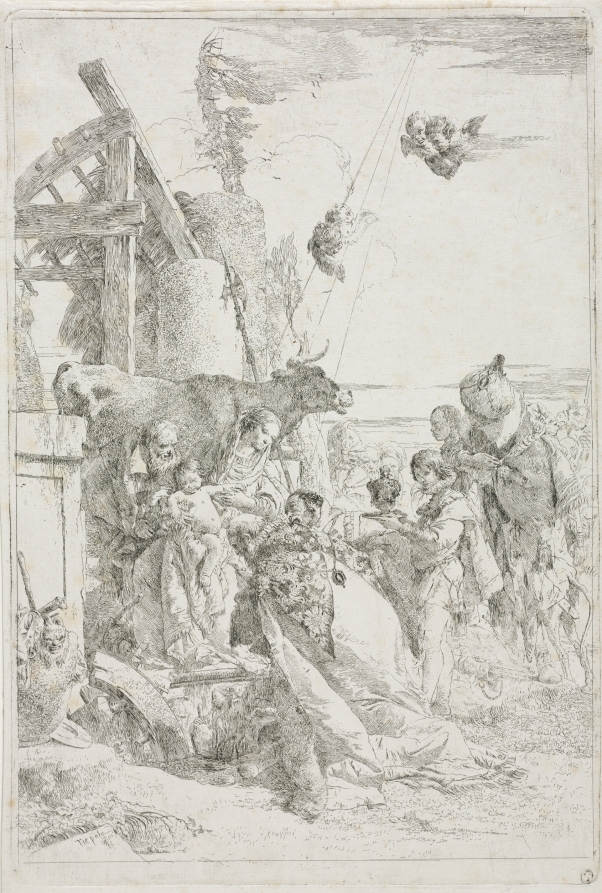
Adoration of the Magi
Cleveland Museum of Art

Adoration of the Magi
Minneapolis Institute of Art
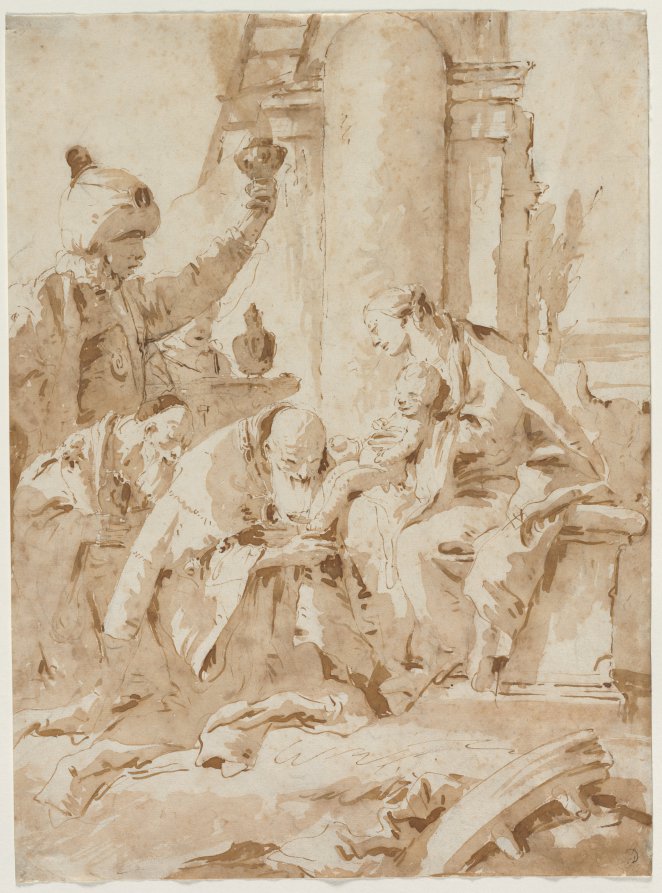
The Adoration of the Magi
Cleveland Museum of Art
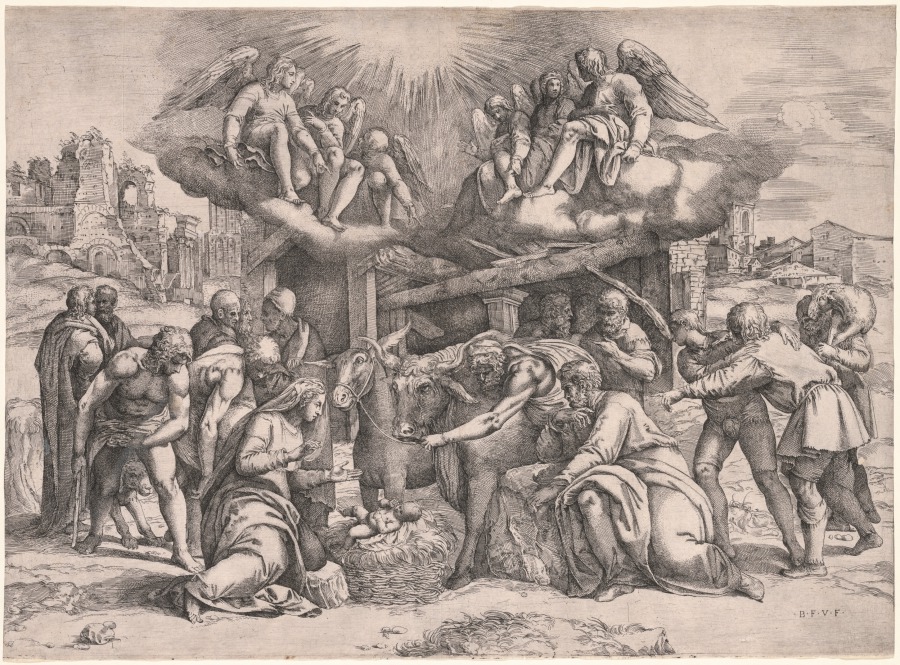
The Adoration of the Shepherds
Cleveland Museum of Art
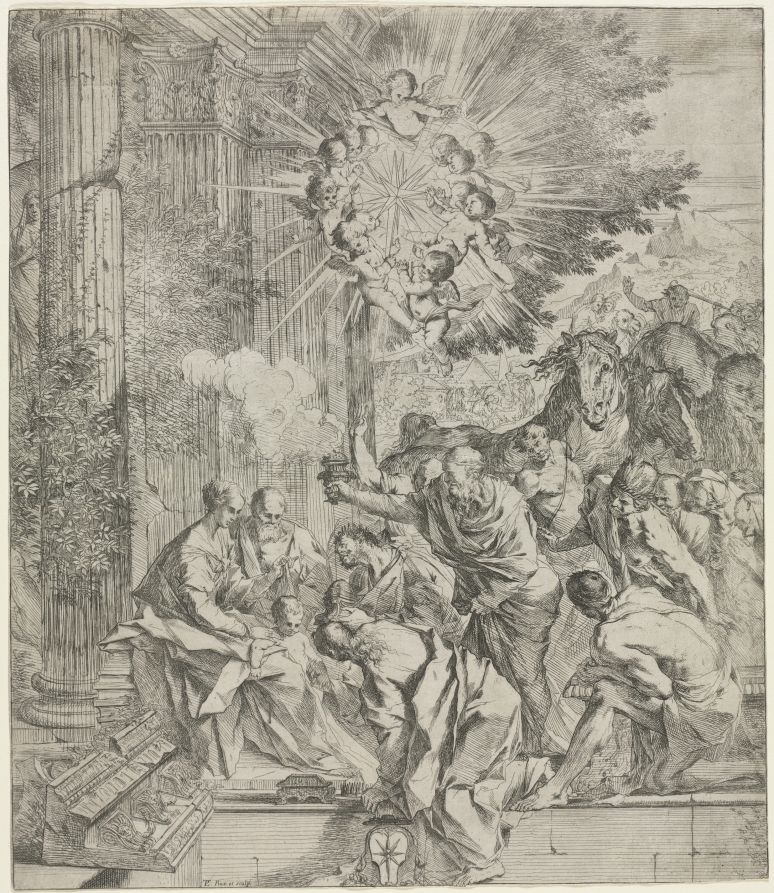
Adoration of the Magi
Cleveland Museum of Art
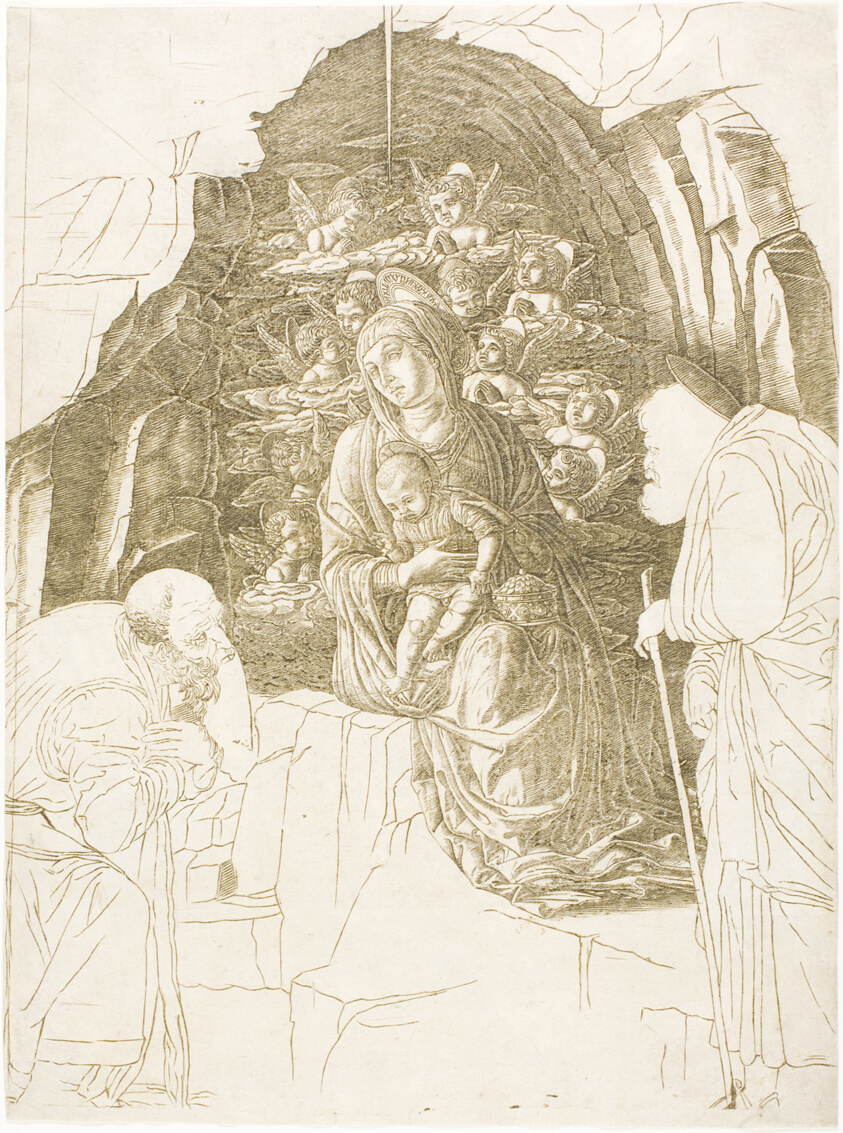
The Adoration of the Magi (Virgin of the Grotto)
Art Institute of Chicago
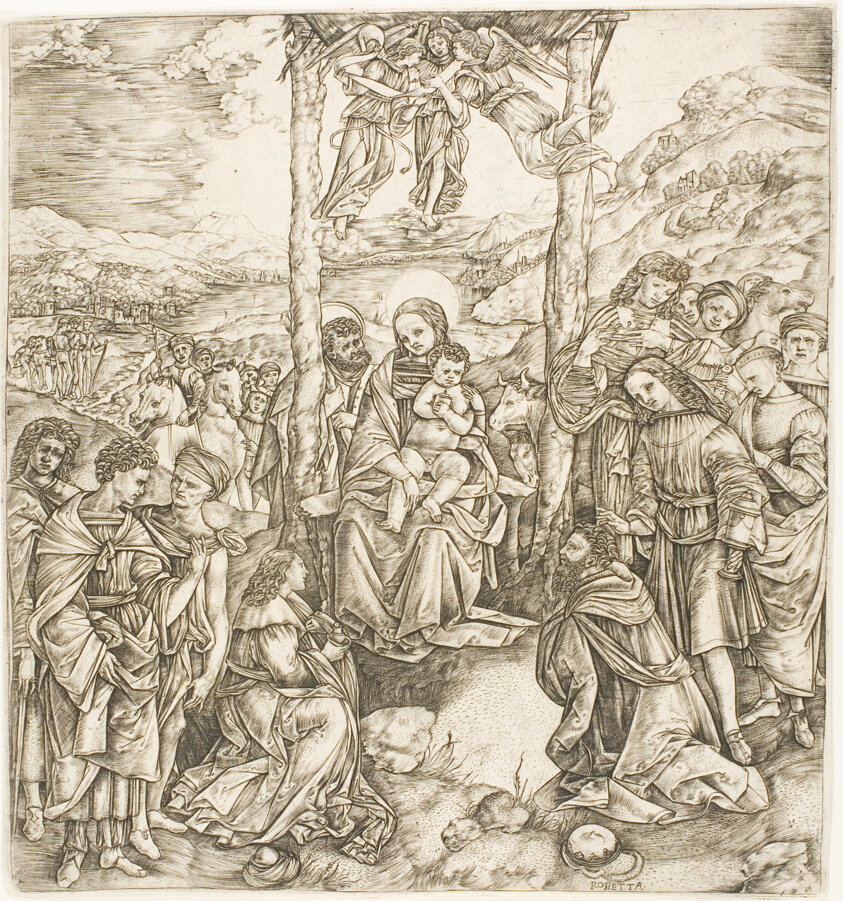
The Adoration of the Magi
Art Institute of Chicago