
Minneapolis Institute of Art
Bonsai or flower basin made of forty scabbard pieces
Japan
- Date
- late 19th century
- Medium
- Wood, lacquer, copper and other metals, abalone, lizard skin, shark skin
- Department
- Asian Art
- Institution
- Minneapolis Institute of Art
Forty sections of several antique sword scabbards (saya) were set about the circumference of this basin (suiban) made for flower arrangements or bonsai display. A removable copper basin was inserted in a wood base with surrounding belts of tiger-striped, ebony-like hardwood. Between these belts are alternating sections of 19 scabbards made of different material and the handles on each end are the actual knobs (kurigata) to attach a braided cord (sageo) to the scabbard. On some, utility knife (kozuka) openings are clearly visible. Starting from one of the handles, the different scabbard pieces are: plain black lacquer (kuro rōiro-nuri), glossy-brown insect-eaten lacquer (cha-urumi mushikui-nuri), glossy-brown stone surface lacquer (cha-urumi ishimeji-nuri), black burnished shark skin lacquer (kuro samegawa togidashi), unknown type using crushed abalone shell, lacquer in thin parallel lines (ichibu kizami urushi-nuri), brown burnished shark skin lacquer (samegawa togidashi), lacquer with crushed abalone shell and flower pattern (hanamon aogai miji-nuri), rare shark skin on the back (kairagi same), wrapped brocade (nishiki tsutsumi), black insect-eaten lacquer with auspicious clouds (zuiunmon kuro urushi mushikui-nuri), sandalwood imitating lacquer (byakudan-nuri), imported rare lizard skin, lacquer with crushed abalone shell (aogi miin-nuri), strip motif lacquer (shuroke fuemaki-nuri), pronounced insect-eaten) lacquer (mushikui-nuri), and red lacquer with willow pattern (shu-urushi yanagimon nuri). Japan, Asia
The authoritative record is held by Minneapolis Institute of Art. LinkedCulture surfaces this object and its connections; it does not alter institutional metadata.
Related across collections
Semantically similar works from Minneapolis Institute of Art and other institutions.

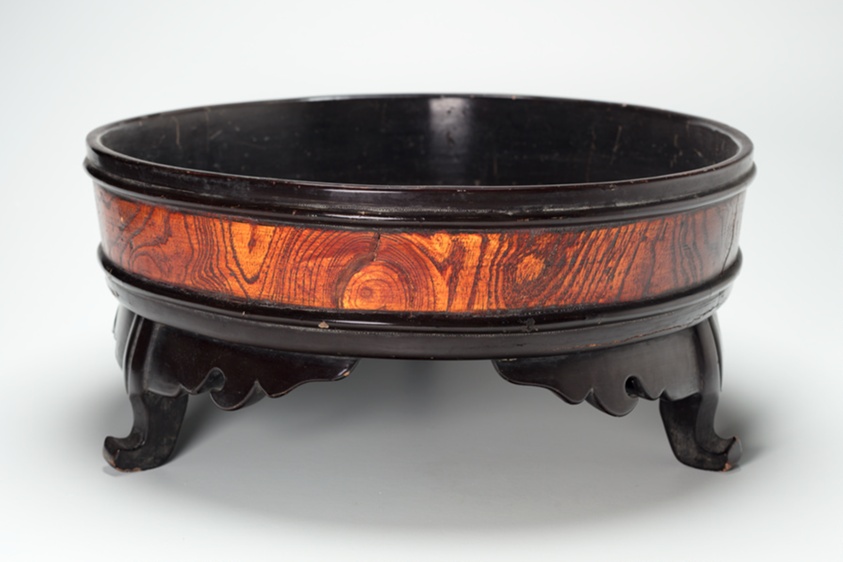
Wash basin with legs
Minneapolis Institute of Art
Ritual Wash Basin
Art Institute of Chicago
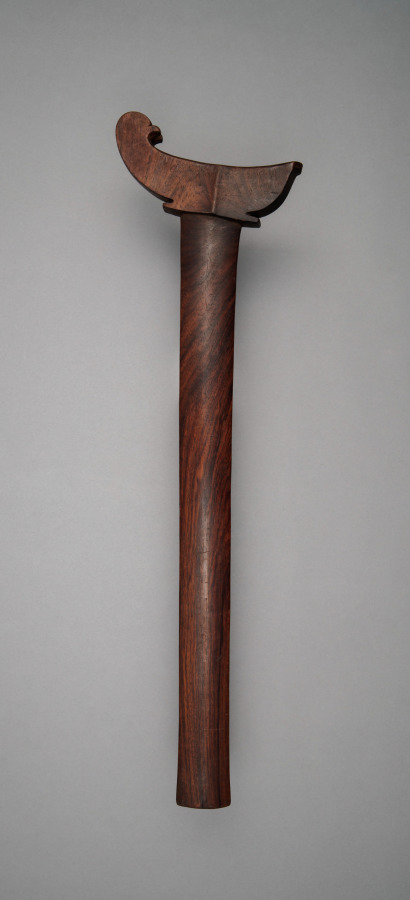
Scabbard
Cleveland Museum of Art

Brush Handle and Cover
Minneapolis Institute of Art
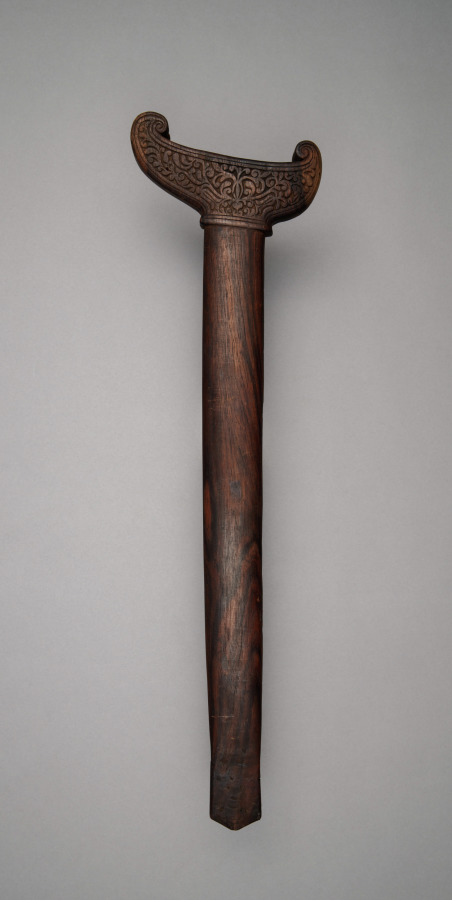
Scabbard
Cleveland Museum of Art

Small Serving Tray with Spearflower Design
Minneapolis Institute of Art

Bale-handled wash basin with legs
Minneapolis Institute of Art

Small Serving Tray with Pampas Grass Design
Minneapolis Institute of Art
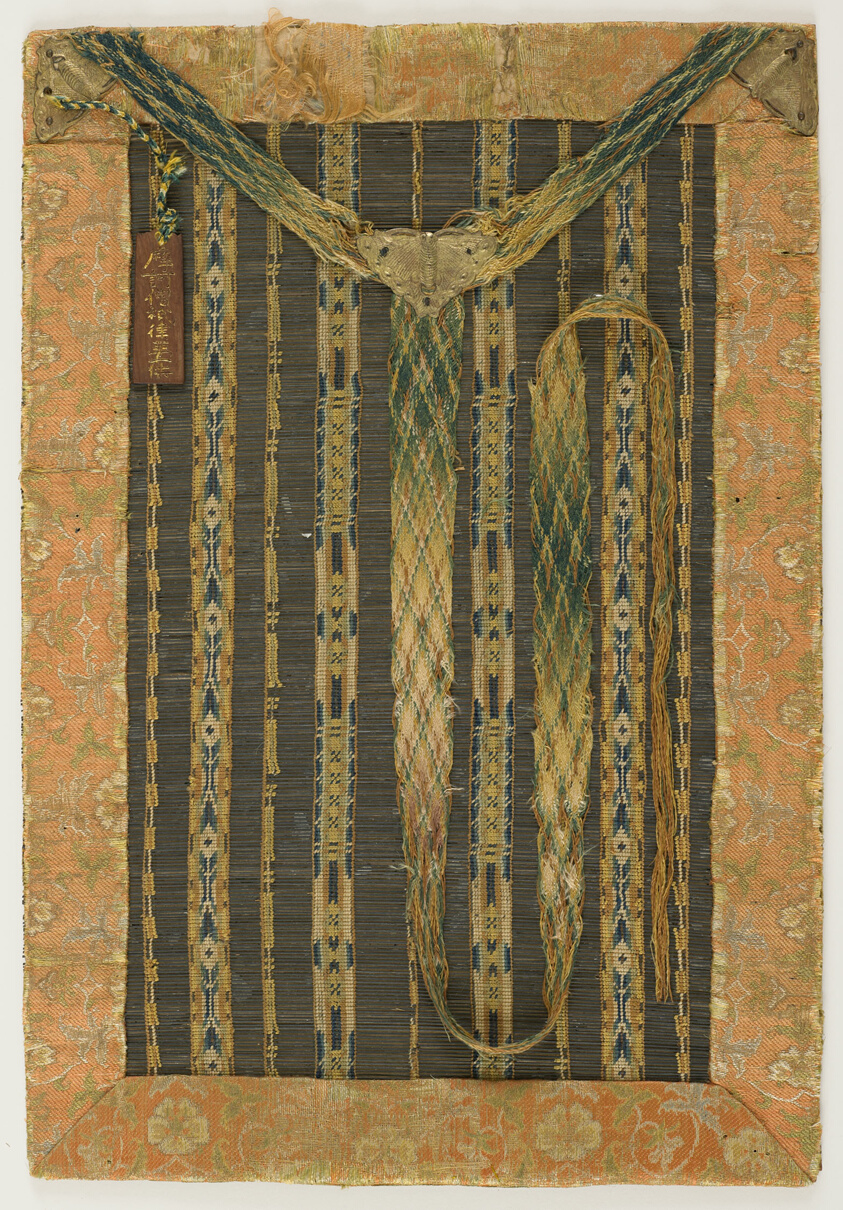
Textile Wrapper for Jingoji Sutras
Art Institute of Chicago
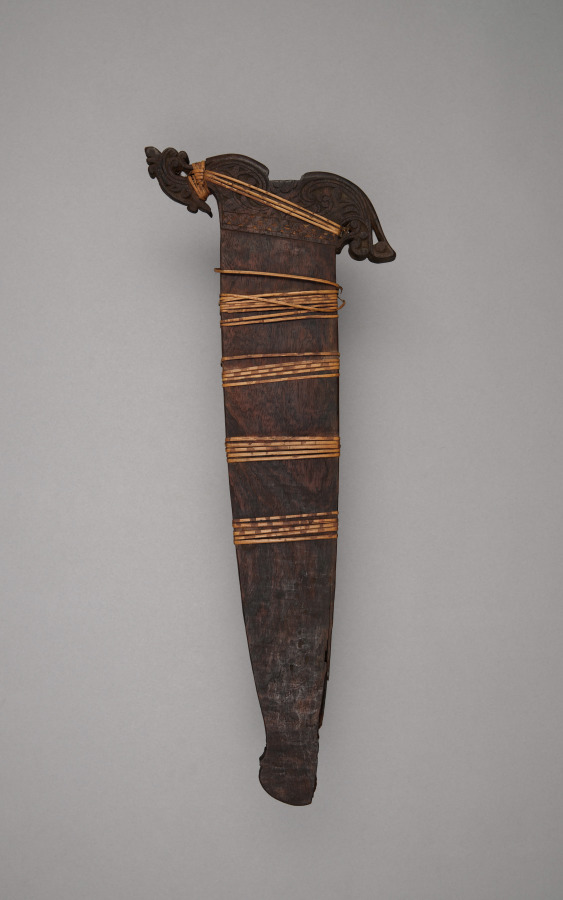
Scabbard
Cleveland Museum of Art
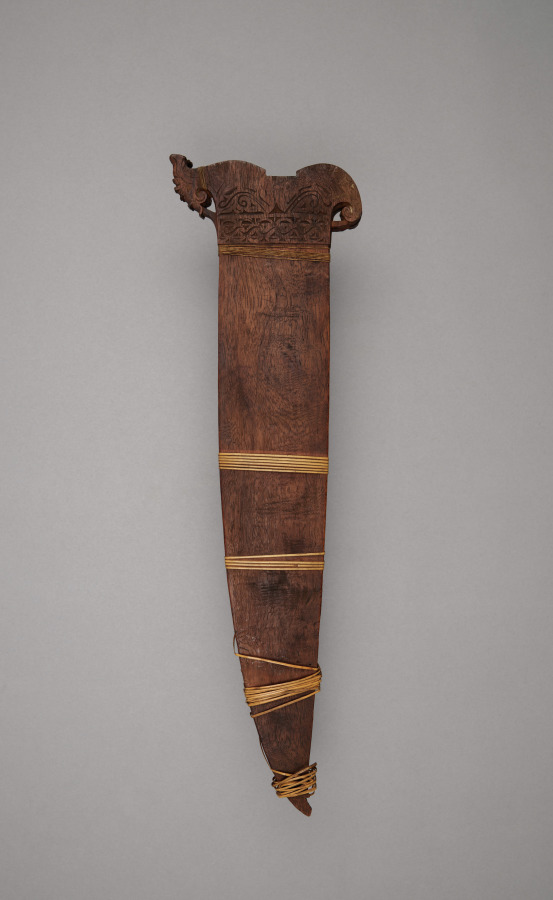
Scabbard
Cleveland Museum of Art

Small Serving Tray with Maiden Flower Design
Minneapolis Institute of Art