
Minneapolis Institute of Art
Kubera
India (Madhya Pradesh)
- Date
- 8th century
- Medium
- Red sandstone
- Department
- Asian Art
- Institution
- Minneapolis Institute of Art
In early Indic religions, the pot-bellied Kubera was the king of semi-divine nature deities known as yakshas , protective spirits who guardedearthly treasures. By the 500s CE, the concept of Kubera, the god of wealth and abundance, was absorbed into Hindu, Jain, and Buddhist religious pantheons. In this sculpture, carved from a similar pinkish sandstone as the Mughal jali behind it, the deity holds in his left hand a cup for enjoying wine, and his now-missing left hand once held a sack of jewels. Befitting the god of riches, Kubera sits at ease, wearing elaborate ear ornaments and his sash relaxed, flanked by two female attendants fanning him with fly whisks. India, Asia
The authoritative record is held by Minneapolis Institute of Art. LinkedCulture surfaces this object and its connections; it does not alter institutional metadata.
Related across collections
Semantically similar works from Minneapolis Institute of Art and other institutions.
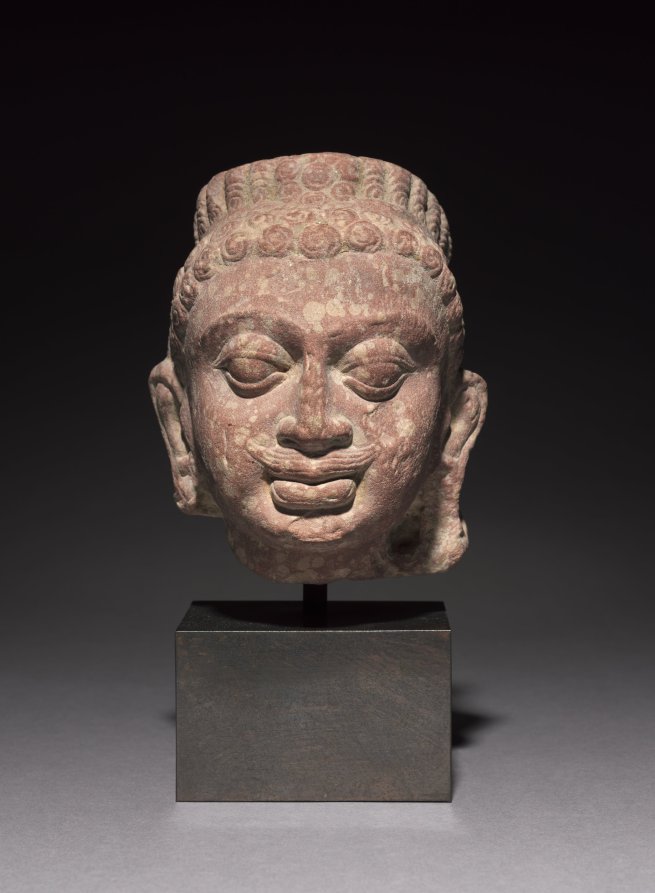
Head of Kubera
Cleveland Museum of Art
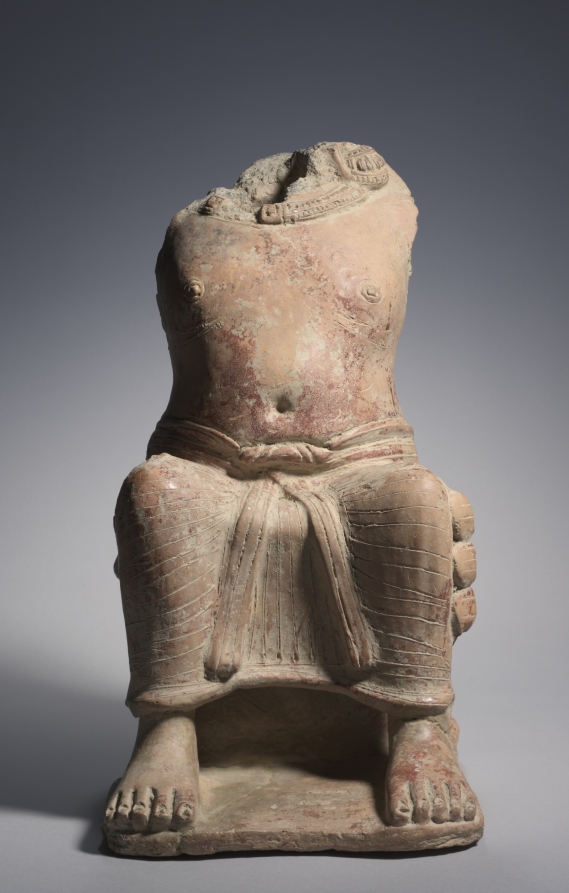
Seated Yaksha
Cleveland Museum of Art
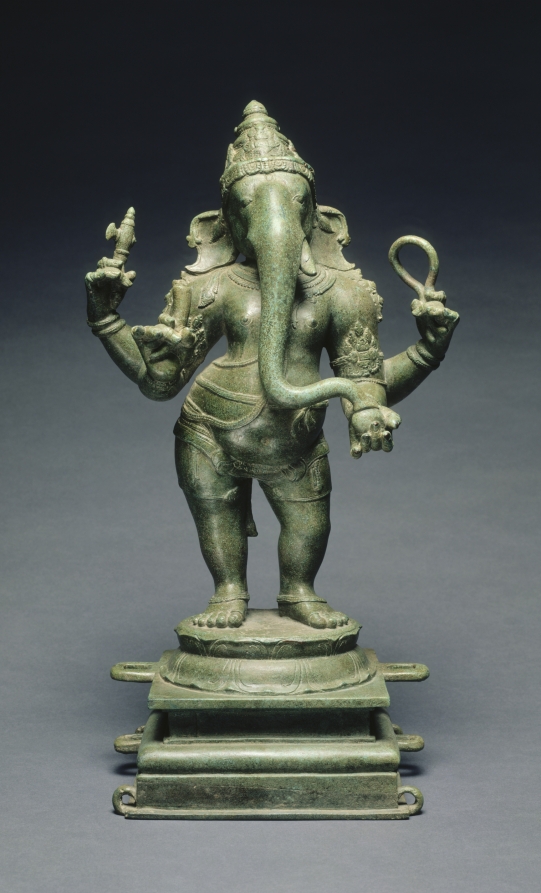
Ganesha
Cleveland Museum of Art
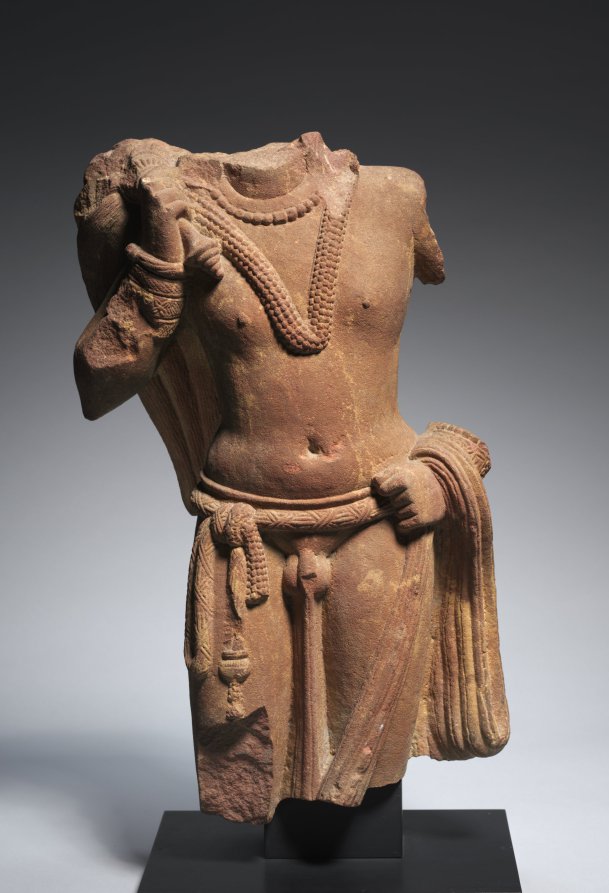
Attendant Bearing a Fly Whisk (Chauri)
Cleveland Museum of Art
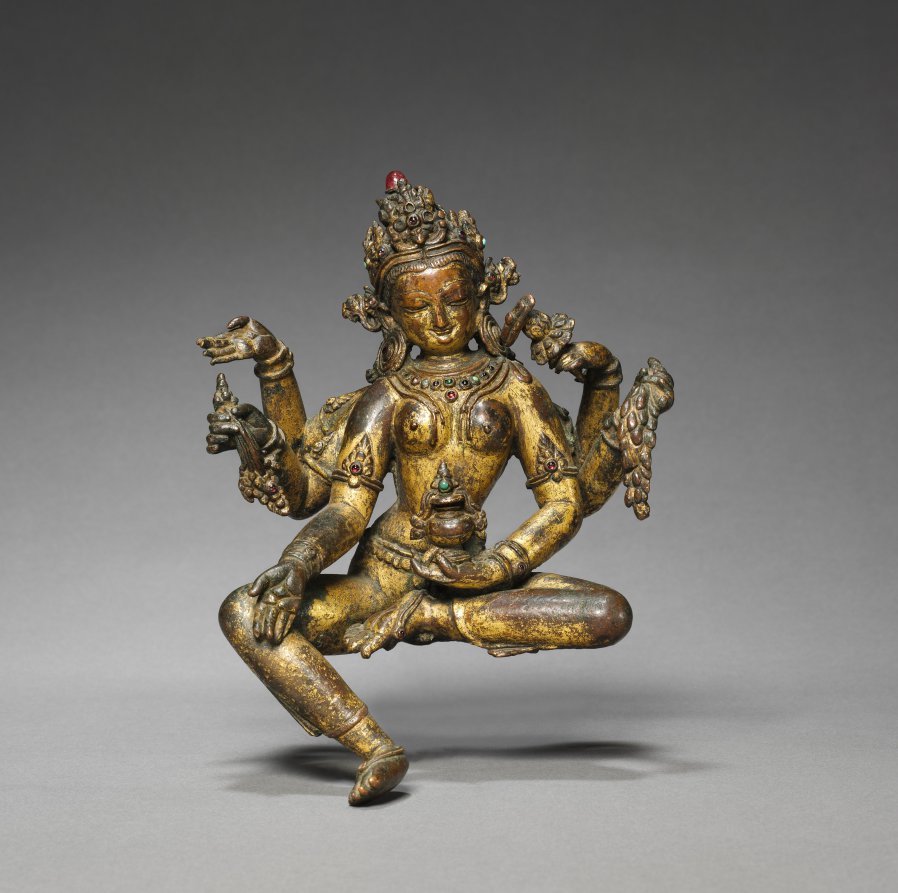
Vasudhara, Goddess of Abundance
Cleveland Museum of Art
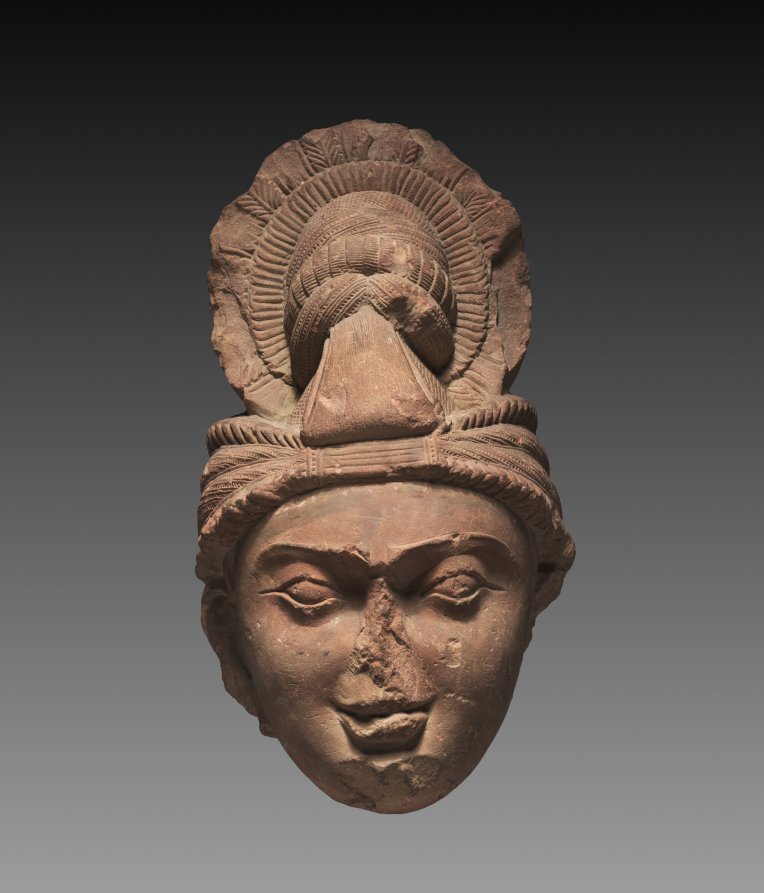
Head of a Bodhisattva
Cleveland Museum of Art
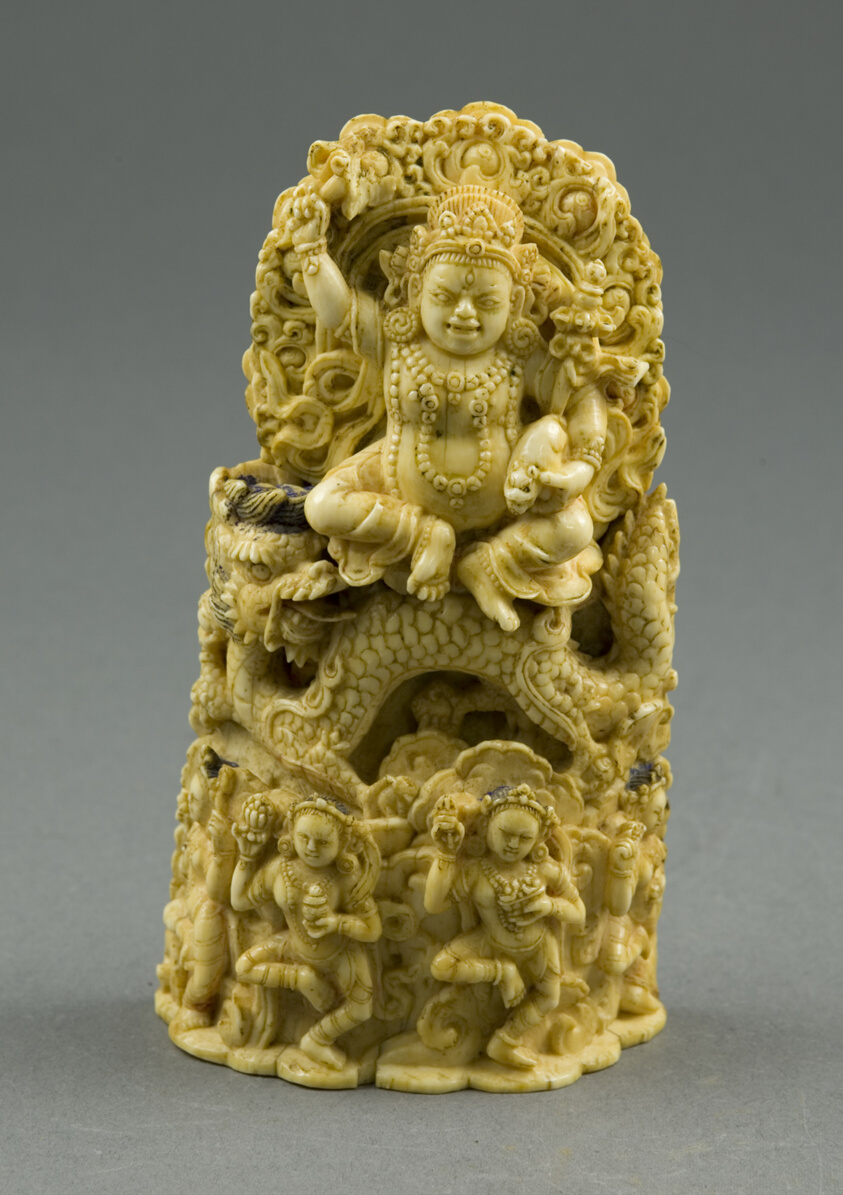
Jambhala, the God of Wealth, Seated on a Dragon
Art Institute of Chicago

Ganesha
Minneapolis Institute of Art
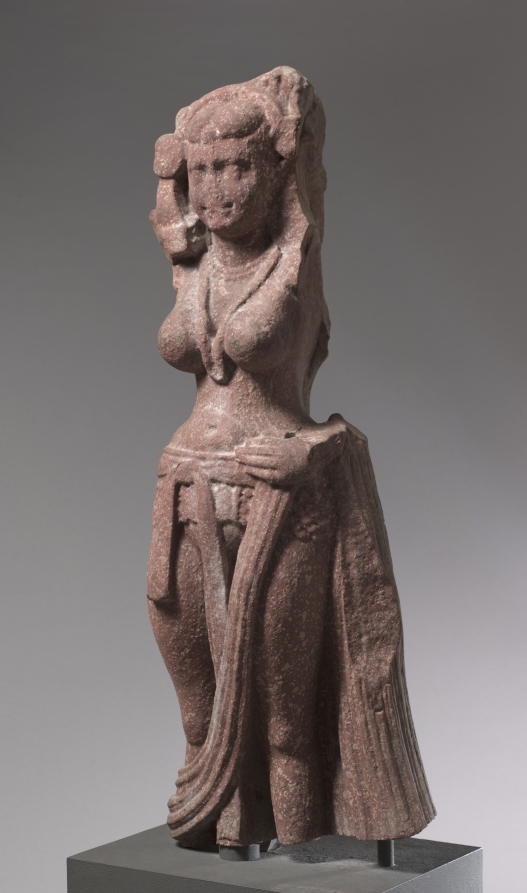
Nature Divinity (Yakshi)
Cleveland Museum of Art
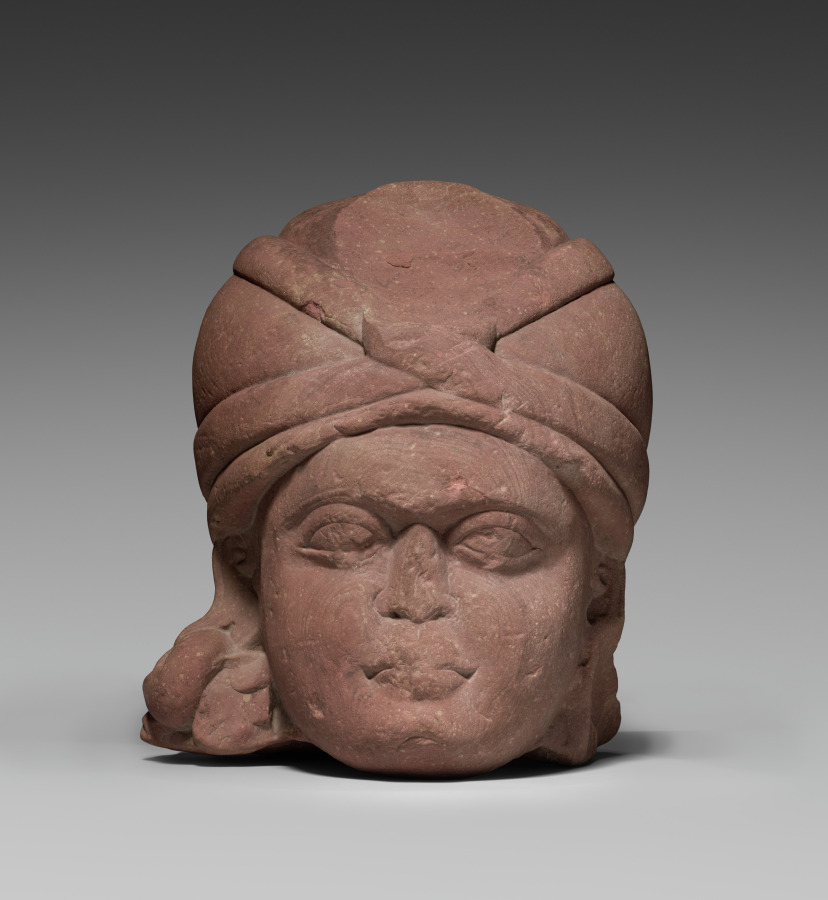
Head of a Yaksha
Cleveland Museum of Art
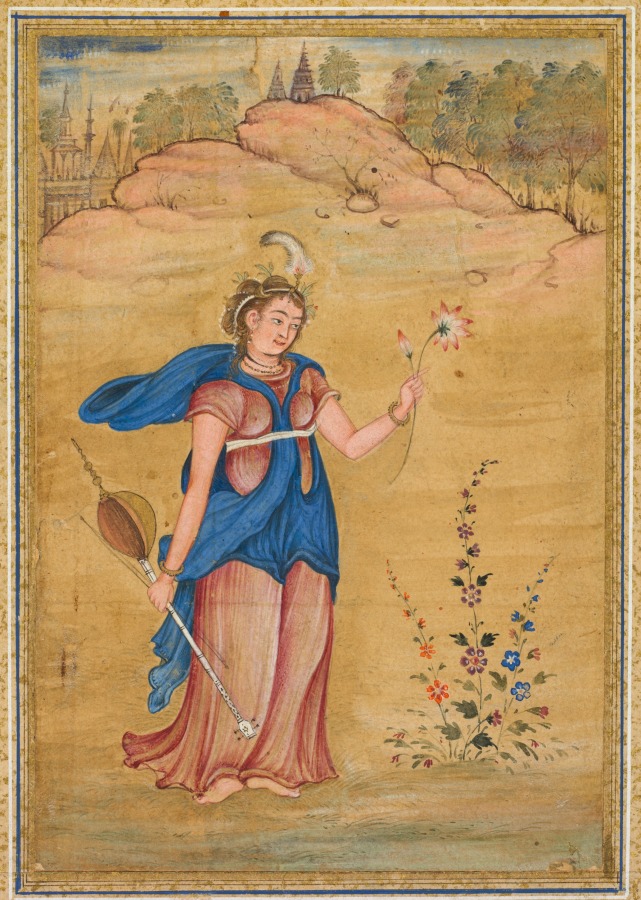
A female figure standing in a landscape holding a four-stringed “khuuchir” and a lotus
Cleveland Museum of Art
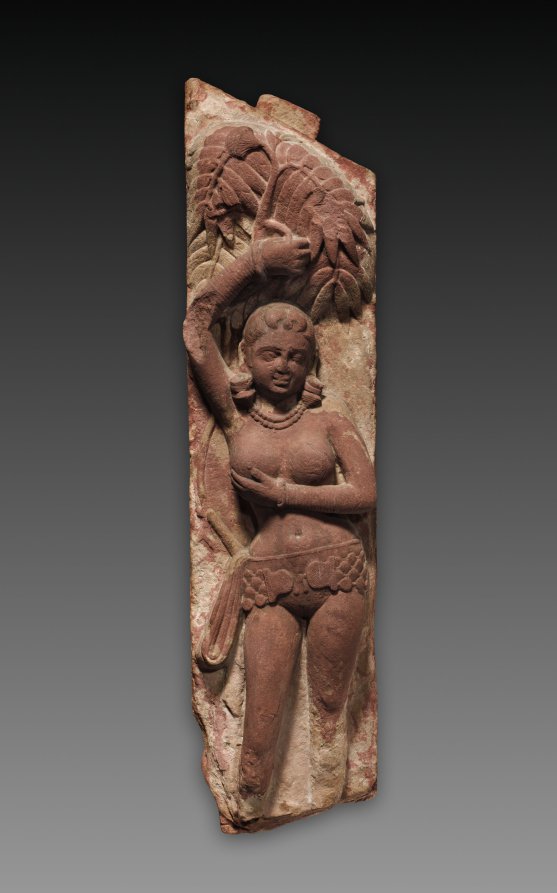
Railing Pillar with a Yakshi (Female Nature Divinity)
Cleveland Museum of Art