
Minneapolis Institute of Art
Noh Mask of a Man
Japan
- Date
- 16th century
- Medium
- Polychromed wood
- Department
- Asian Art
- Institution
- Minneapolis Institute of Art
Noh masks were typically made of cypress wood, primed with gofun (shell white) and animal glue, and colored with mineral pigment. They developed out of gigaku, a type of masked dance with mime that originated in Baekje, one of the Three Kingdoms of Korea (57 BC to 668 AD). During Noh performances, the actor in the principal role known as shite wears masks to play supernatural beings, women, and the elderly. Because Noh actors were limited to men until around 1900, those playing a young man, usually the supporting character called waki, went maskless. As the masks do not move, actors control the expression of each mask on stage by skillfully tilting their heads to evoke emotion through light and shadow. Japan, Asia
The authoritative record is held by Minneapolis Institute of Art. LinkedCulture surfaces this object and its connections; it does not alter institutional metadata.
Related across collections
Semantically similar works from Minneapolis Institute of Art and other institutions.

Noh mask of a woman
Minneapolis Institute of Art
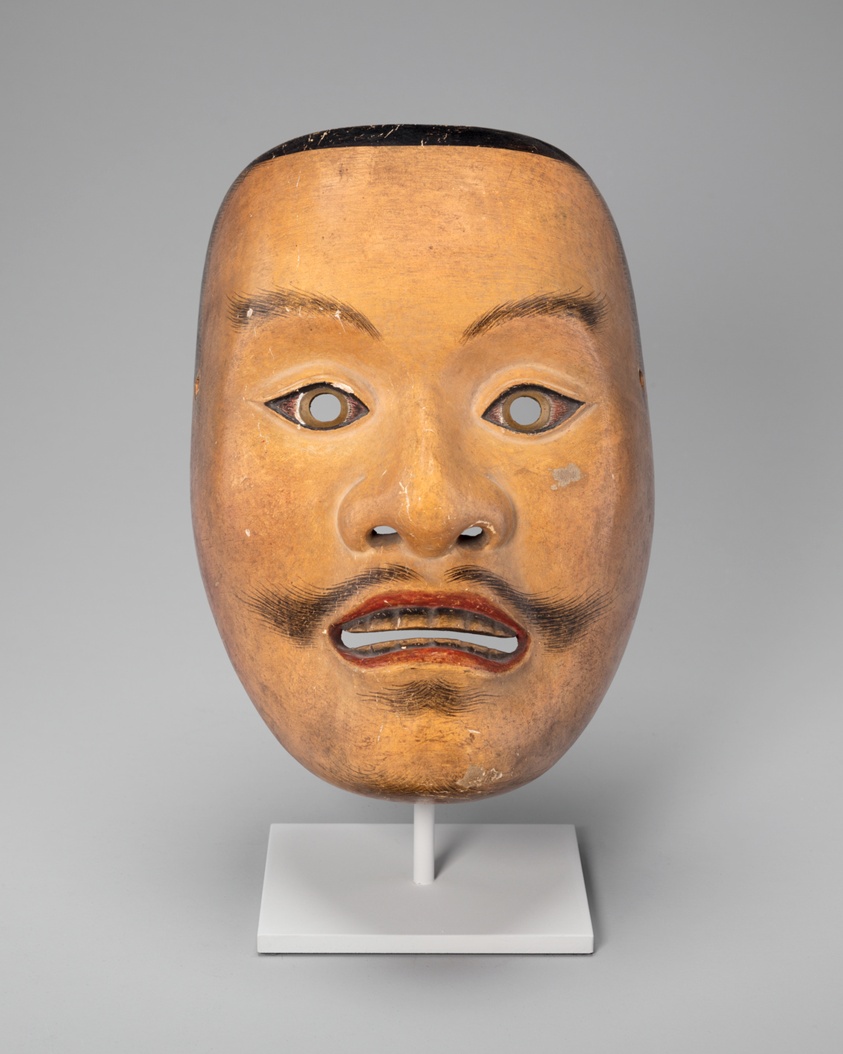
Mikazuki (male deity) Noh mask
Art Institute of Chicago

Noh costume (chōken)
Minneapolis Institute of Art
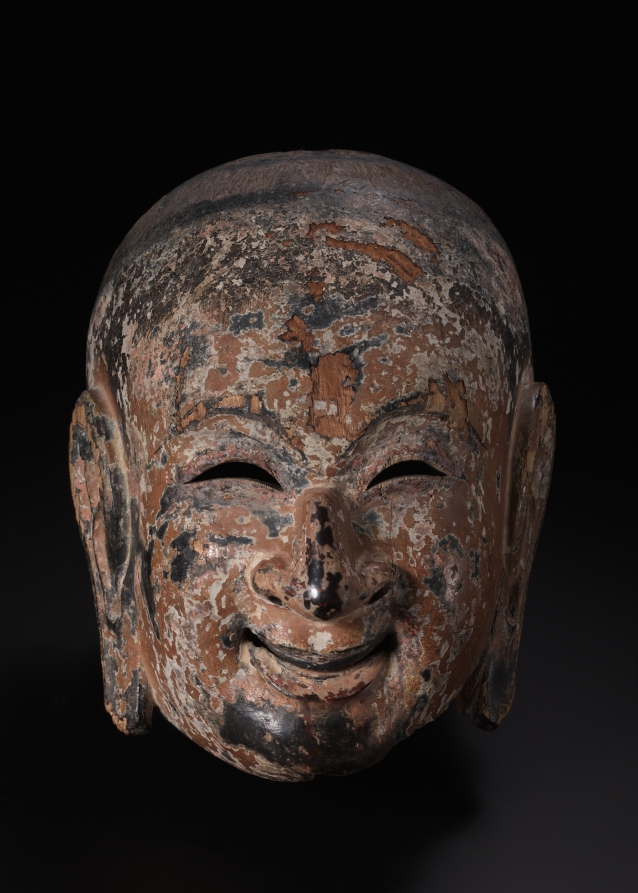
Gigaku Mask of Young Persian Boy (Taikōji)
Cleveland Museum of Art
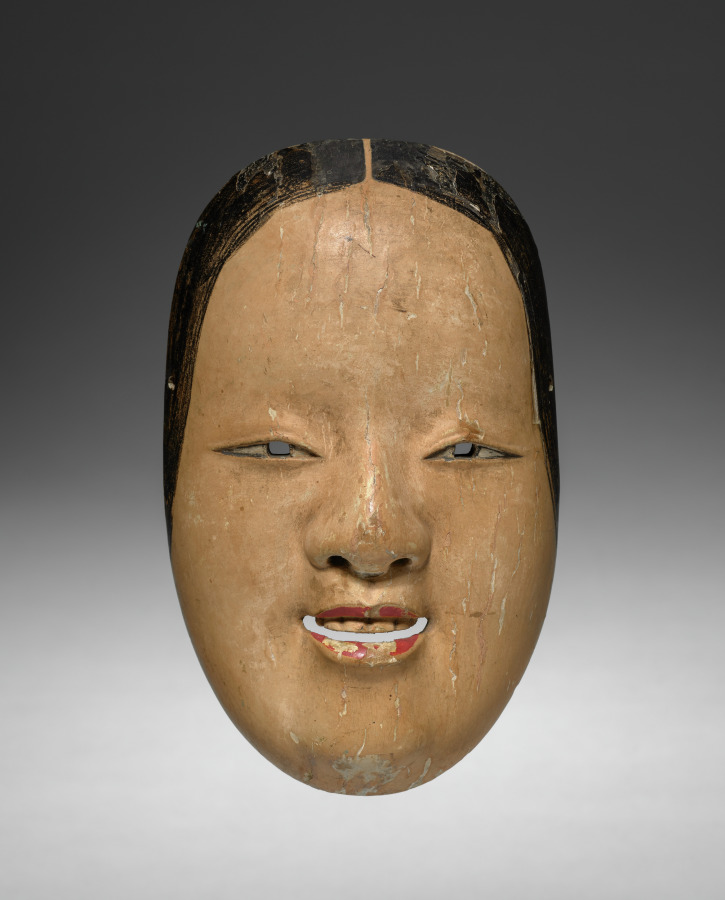
Noh Mask
Cleveland Museum of Art
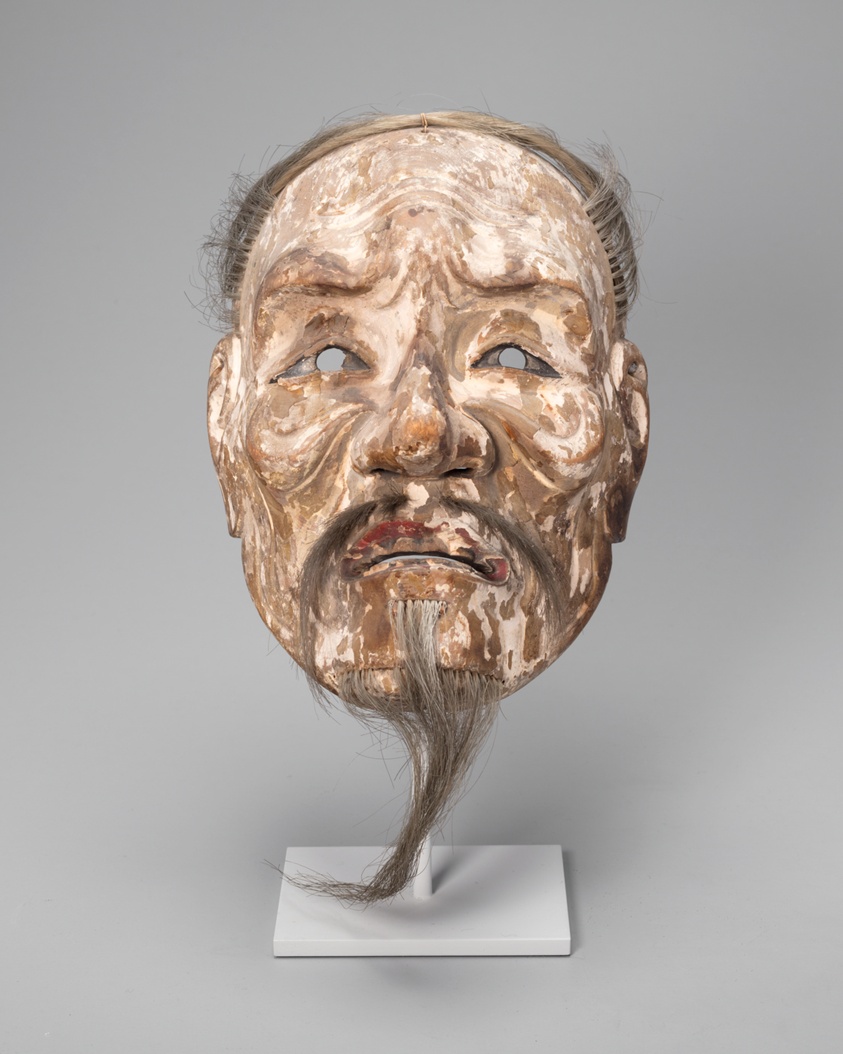
Asakurajô (Old Man Asakura) Noh mask
Art Institute of Chicago
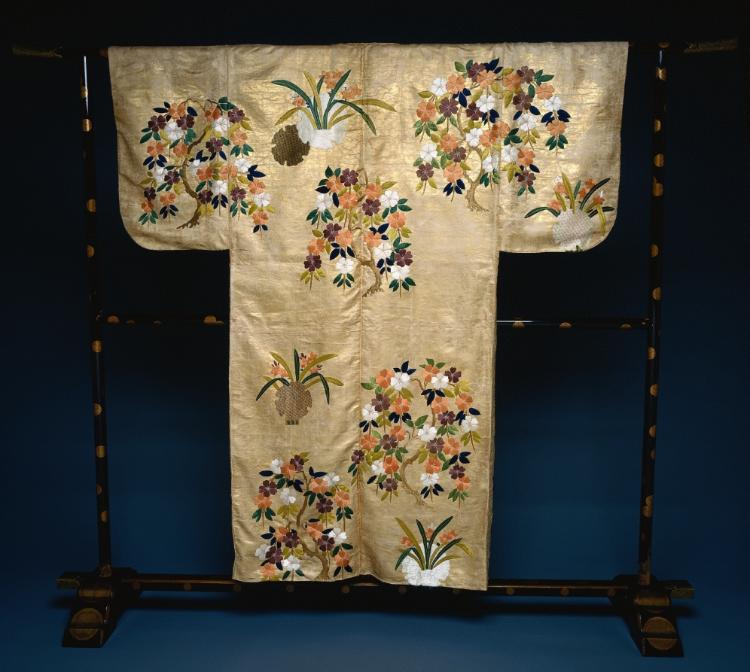
Nō Costume (Nuihaku) with Blossoming Trees and Flowers
Cleveland Museum of Art
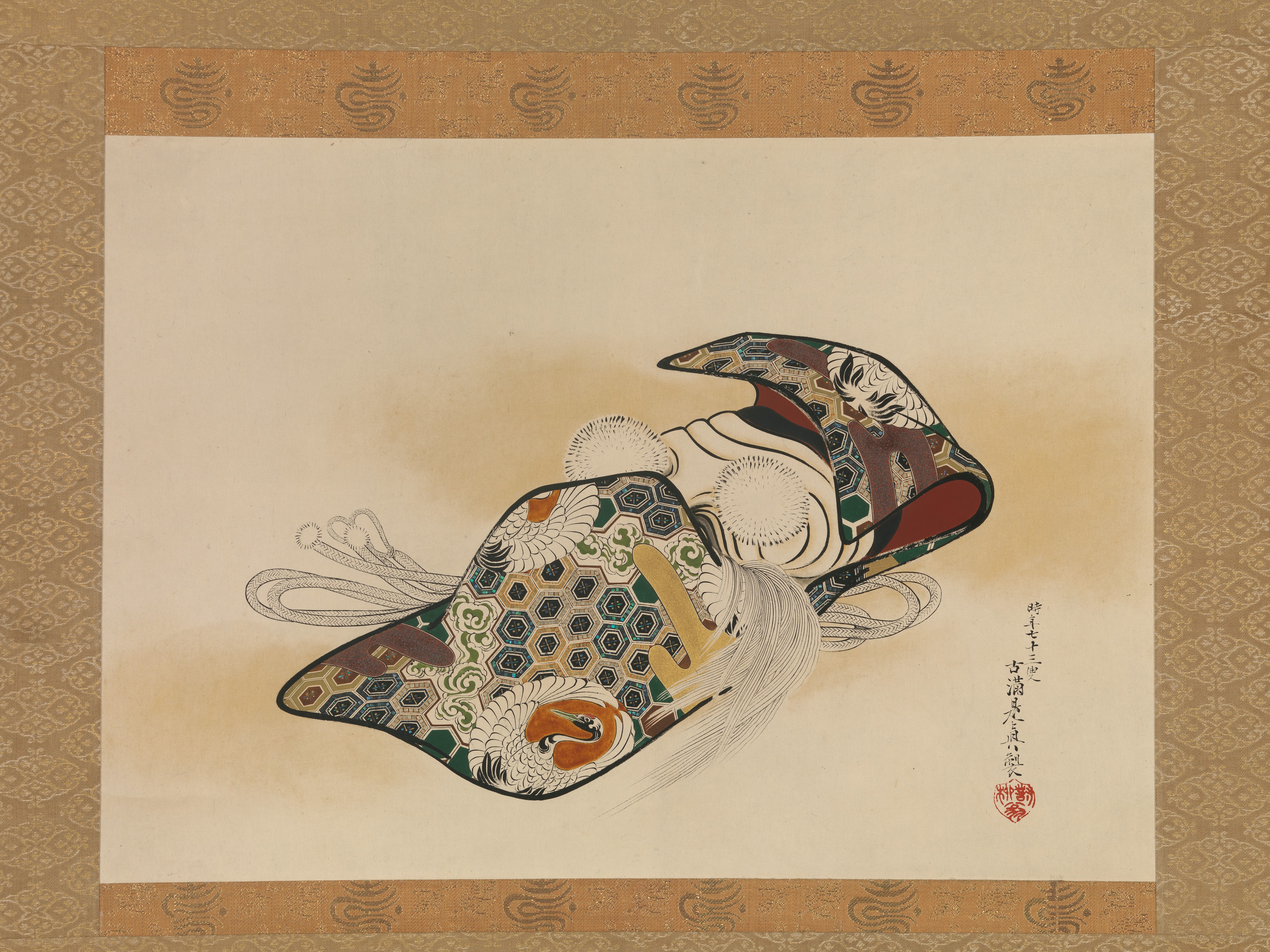
Mask for the Noh Play Okina
The Metropolitan Museum of Art

Nuihaku (Noh Costume)
Art Institute of Chicago

Noh mask
Minneapolis Institute of Art
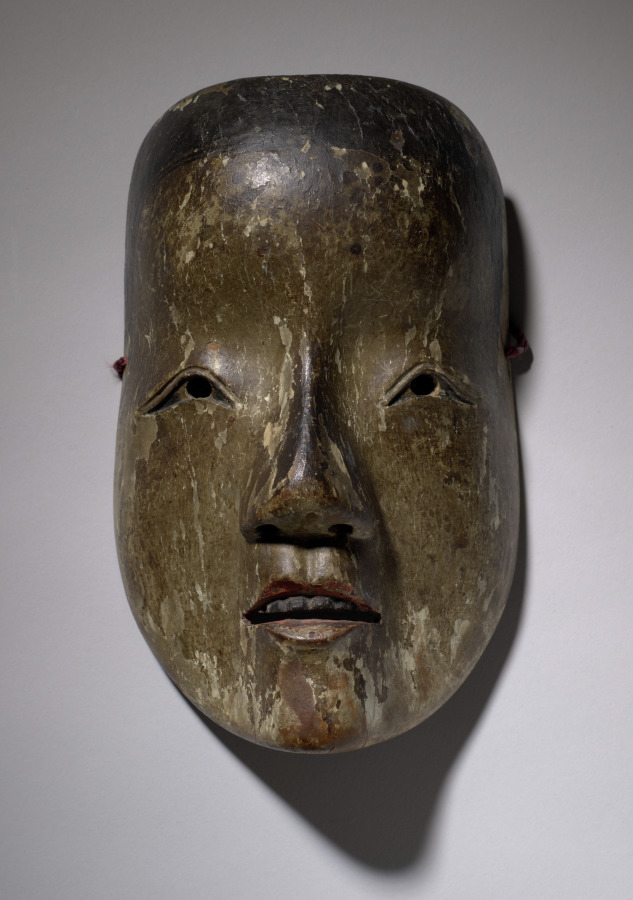
Noh Mask: Waka-onna
Cleveland Museum of Art

Noh and Kyogen Masks
Minneapolis Institute of Art