
Minneapolis Institute of Art
Tea caddy
Japan
- Date
- 18th–19th century
- Medium
- Banko ware, glazed stoneware, lid: ivory
- Department
- Asian Art
- Institution
- Minneapolis Institute of Art
In the 1730s, a wealthy merchant and tea practitioner named Nunami Rōzan (1718–1777), in the town of Kuwana in Ise Province, began fashioning his own stoneware tea utensils inspired by the wares he saw coming from potters in Kyoto and farther afield. He stamped each of his works with one of two seals, one that read banko , meaning “eternal, ” and another that read banko fueki , meaning “eternal, constant.” He had no students of his own, but, several generations later, other local potters in Kuwana rediscovered Nunami Rōzan’s work and began creating their own pottery in his style. Their creations, like this tea caddy, came to be called “Banko ware” after Nunami’s seals. Japan, Asia
The authoritative record is held by Minneapolis Institute of Art. LinkedCulture surfaces this object and its connections; it does not alter institutional metadata.
Related across collections
Semantically similar works from Minneapolis Institute of Art and other institutions.

Tea caddy
Minneapolis Institute of Art

Tea caddy
Minneapolis Institute of Art

Tea caddy
Minneapolis Institute of Art

Tea caddy
Minneapolis Institute of Art

Tea caddy, one of a pair
Minneapolis Institute of Art

Tea caddy, one of a pair
Minneapolis Institute of Art
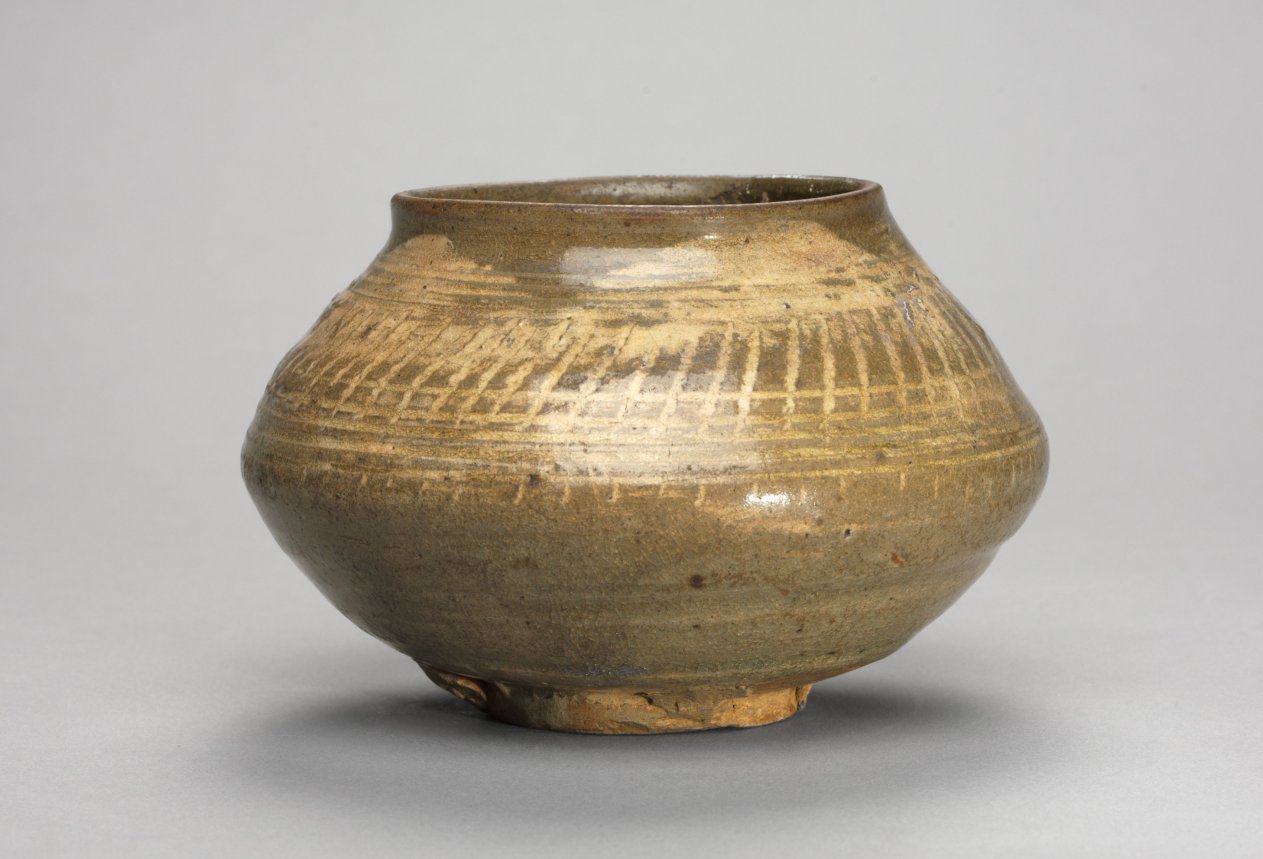
Tea Caddy with Stamped Floral Decoration
Cleveland Museum of Art

Tea bowl
Minneapolis Institute of Art

Vase (hanaire)
Minneapolis Institute of Art
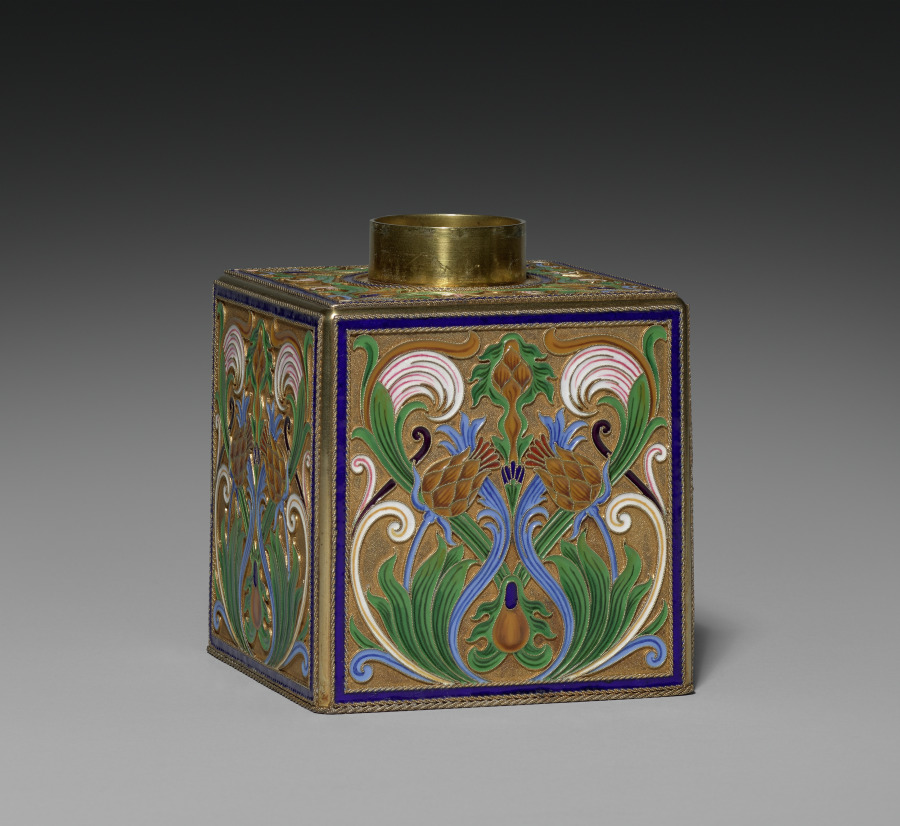
Tea Caddy
Cleveland Museum of Art

Incense box in the shape of a rooster
Minneapolis Institute of Art

Tea bowl with cranes
Minneapolis Institute of Art