
Minneapolis Institute of Art
Tea caddy
Japan
- Date
- late 16th century
- Medium
- Seto ware, stoneware with iron-rich glaze, lid: ivory
- Department
- Asian Art
- Institution
- Minneapolis Institute of Art
This tea caddy (a vessel for powdered tea), with its short neck, rounded rim, and sharply angled shoulder, was modeled on Chinese examples first brought to Japan in the 1300s. However, it differs from more precisely crafted Chinese prototypes in important ways that are in keeping with the prevailing wabi (imperfect or rustic) aesthetic of Japan’s tea culture in the late 1500s. For example, the potter’s hand is revealed in the slight modulation of the body and the eye-catching pattern created through variations in the brown glaze. Although this tea caddy has traditionally been associated with kilns in the Seto region of central Japan, it was more likely produced at a kiln in neighboring Mino, an area to which many Seto potters moved in the late 1500s. Asia
The authoritative record is held by Minneapolis Institute of Art. LinkedCulture surfaces this object and its connections; it does not alter institutional metadata.
Related across collections
Semantically similar works from Minneapolis Institute of Art and other institutions.

Tea caddy
Minneapolis Institute of Art

Tea caddy
Minneapolis Institute of Art

Tea caddy
Minneapolis Institute of Art
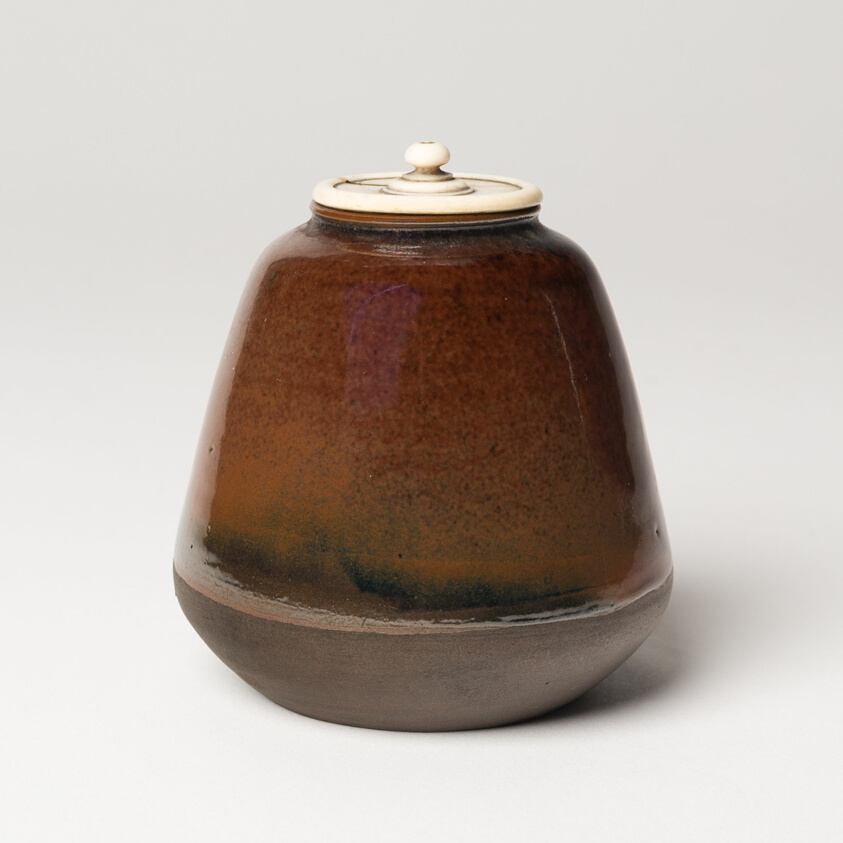
Tea Caddy (Cha-ire)
Art Institute of Chicago
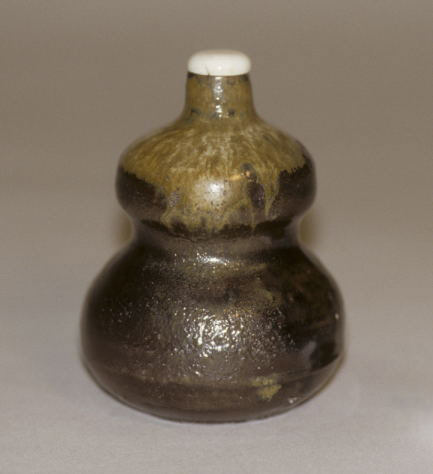
Gourd-shaped Tea Caddy
The Metropolitan Museum of Art
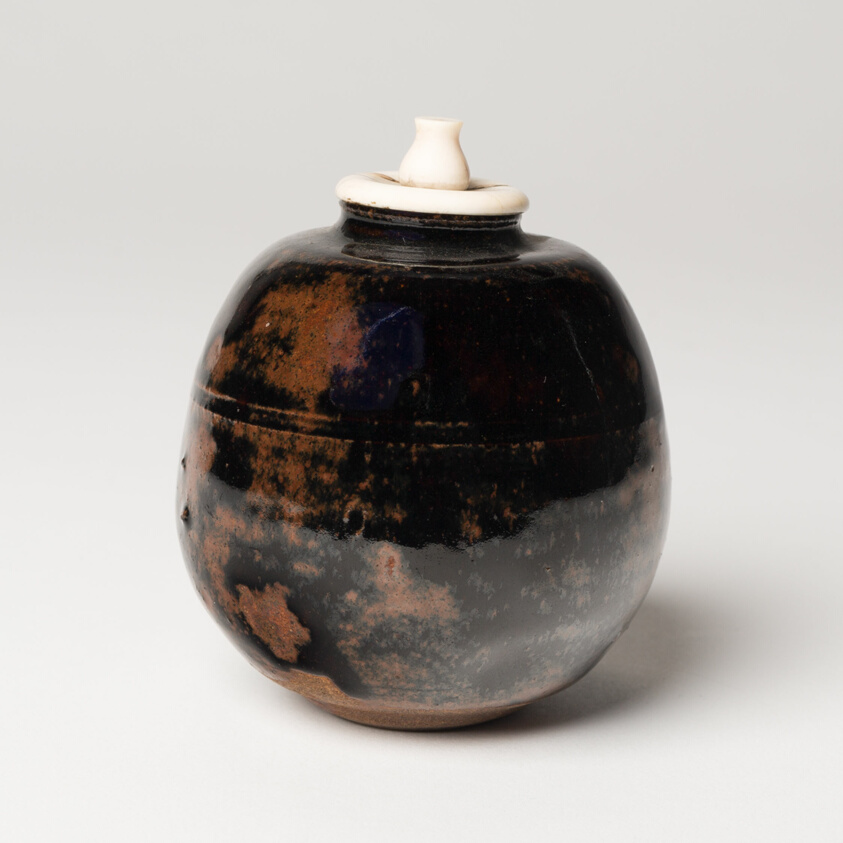
Tea Caddy (Cha-ire)
Art Institute of Chicago
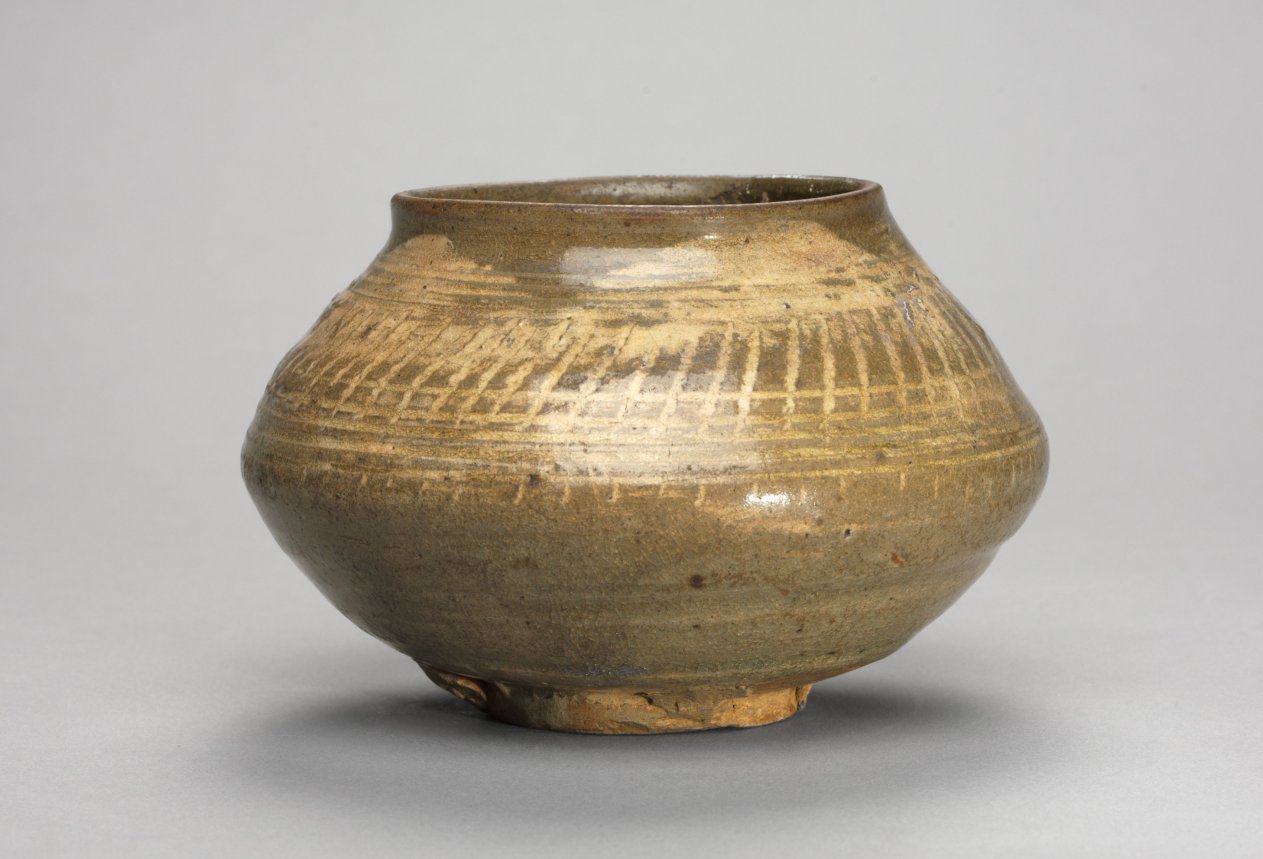
Tea Caddy with Stamped Floral Decoration
Cleveland Museum of Art

Tea caddy
Minneapolis Institute of Art
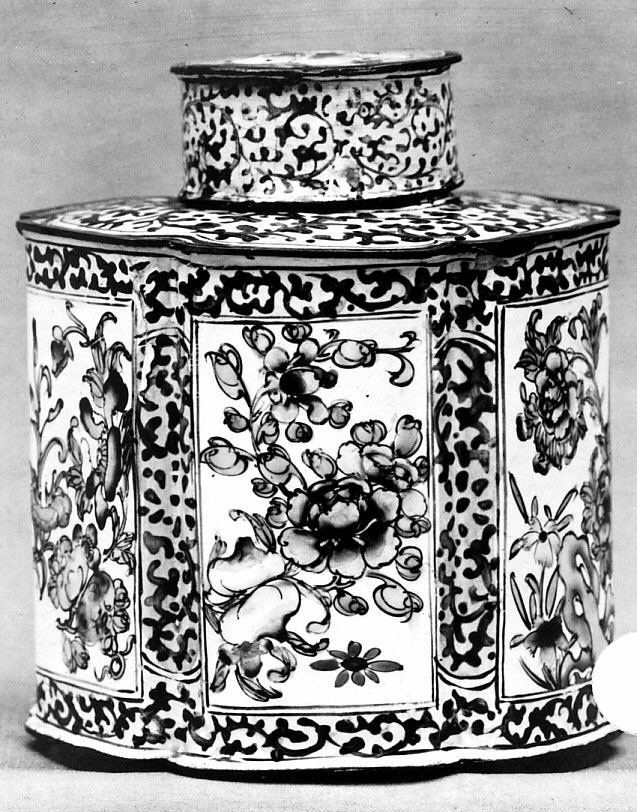
Tea Caddy
The Metropolitan Museum of Art

Tea bowl
Minneapolis Institute of Art
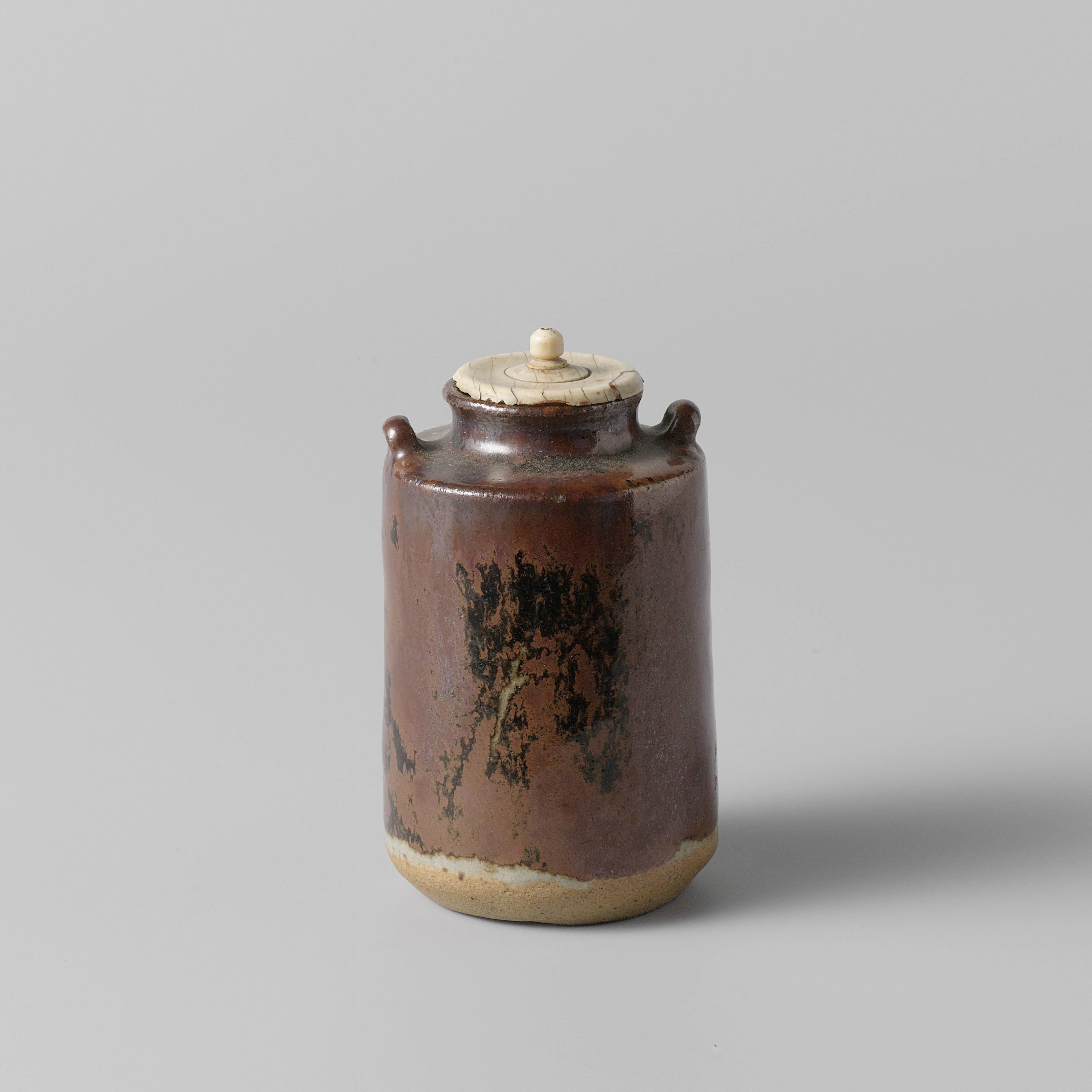
Tea caddy with a brown black glaze and two handles
Rijksmuseum
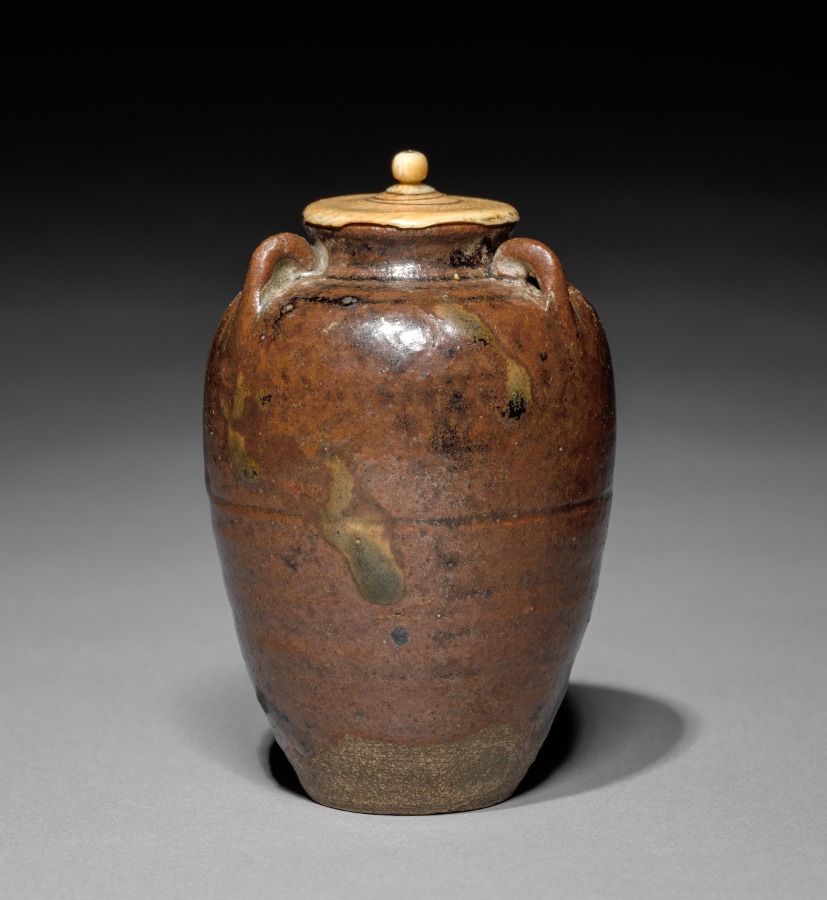
Tea Caddy
Cleveland Museum of Art