
Minneapolis Institute of Art
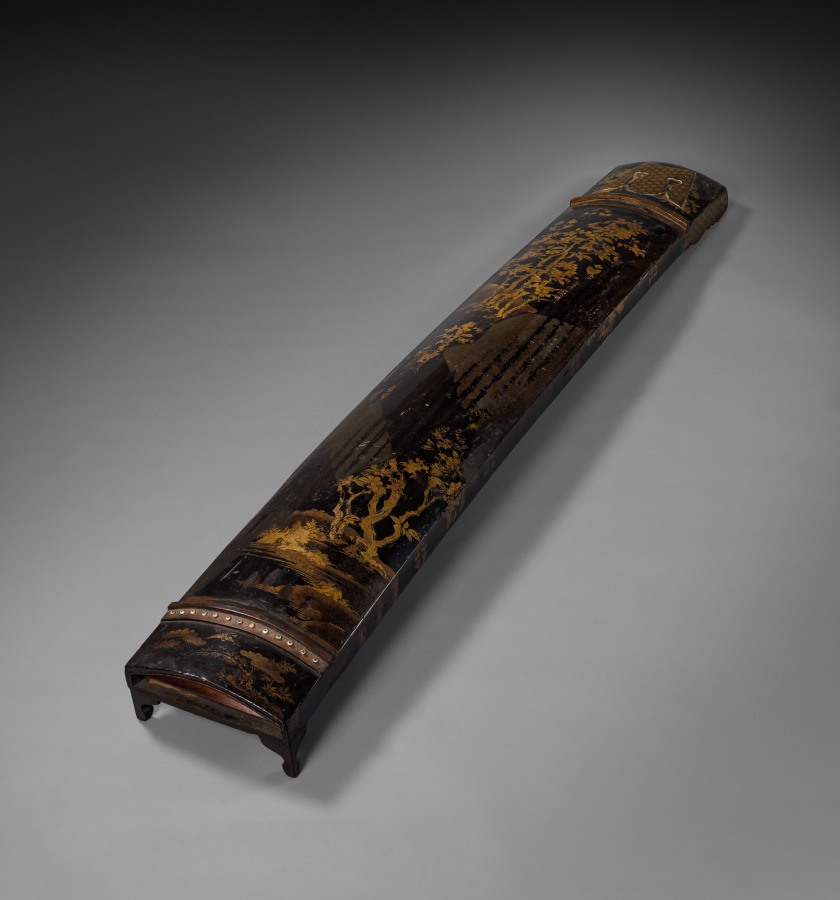
Zither named “Flowing Water
Nakamura Sōtetsu
- Date
- 1794
- Medium
- Wood with black lacquer and mother-of-pearl inlay, silk tassels
- Department
- Asian Art
- Institution
- Minneapolis Institute of Art
The seven-stringed zither, called kin in Japanese, has been played in China (where it is called qin) for at least 3, 000 years. It was introduced to Japan by the 700s and was a common instrument in the cultural sphere represented in The Tale of Genji. This example of a kin was created by an artist of the celebrated Nakamura family of lacquerers, all of whom used the given name Sōtetsu. The artist of this zither, which is dated to 1794, was probably the fifth-generation Nakamura Sōtetsu, who lived from 1764 to 1811. The Nakamura lacquerers maintained relationships with Japan’s leading cultural trendsetters and were celebrated for their craftsmanship. Asia
The authoritative record is held by Minneapolis Institute of Art. LinkedCulture surfaces this object and its connections; it does not alter institutional metadata.
Related across collections
Semantically similar works from Minneapolis Institute of Art and other institutions.

Zither (qin)
Minneapolis Institute of Art
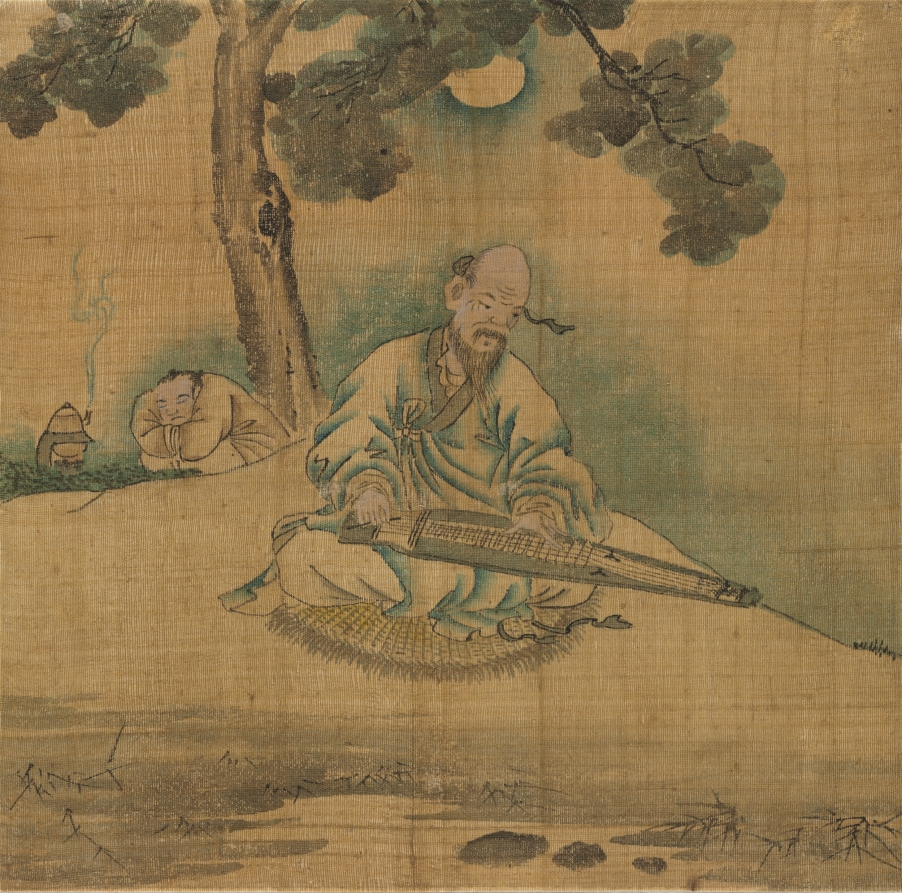
Scholar Playing a Qin
Cleveland Museum of Art
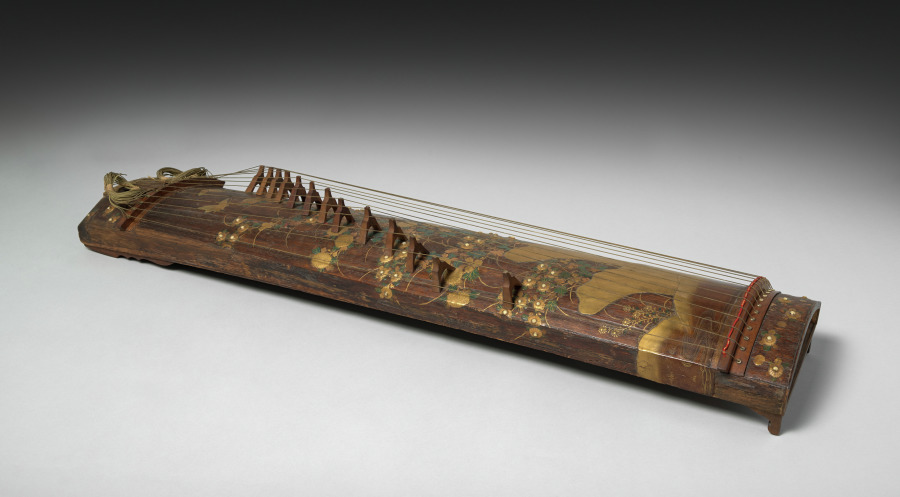
Koto (Zither)
Cleveland Museum of Art

Junzhong (zither)
Minneapolis Institute of Art
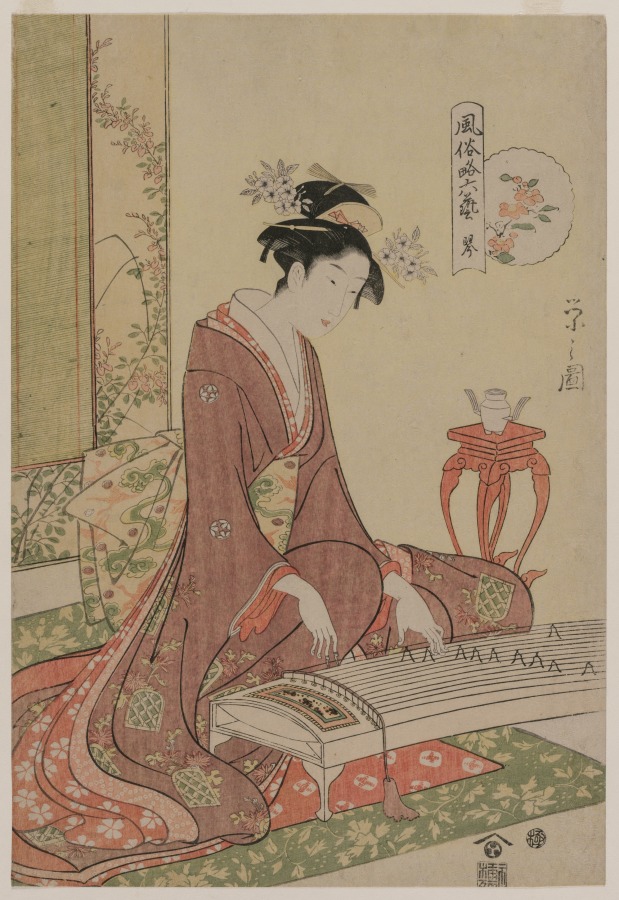
Koto from the series The Six Arts in Fashionable Guise
Cleveland Museum of Art

Kayagum
Minneapolis Institute of Art
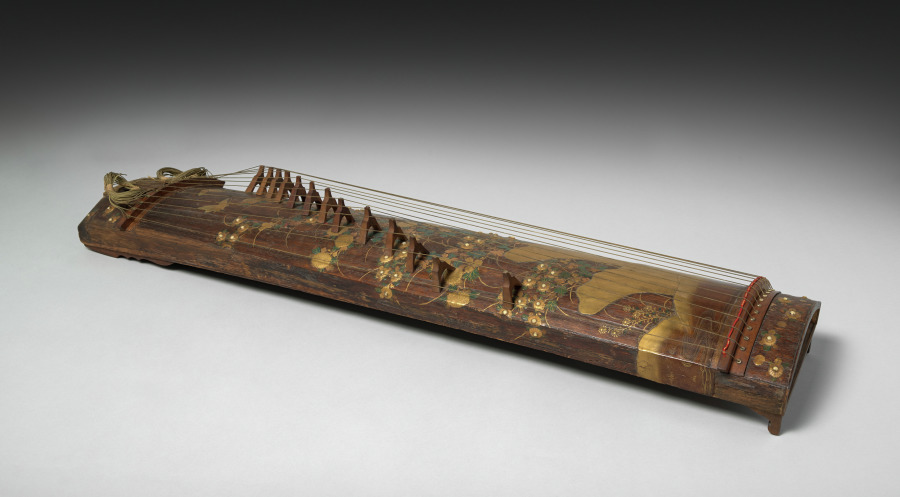
Koto
Cleveland Museum of Art
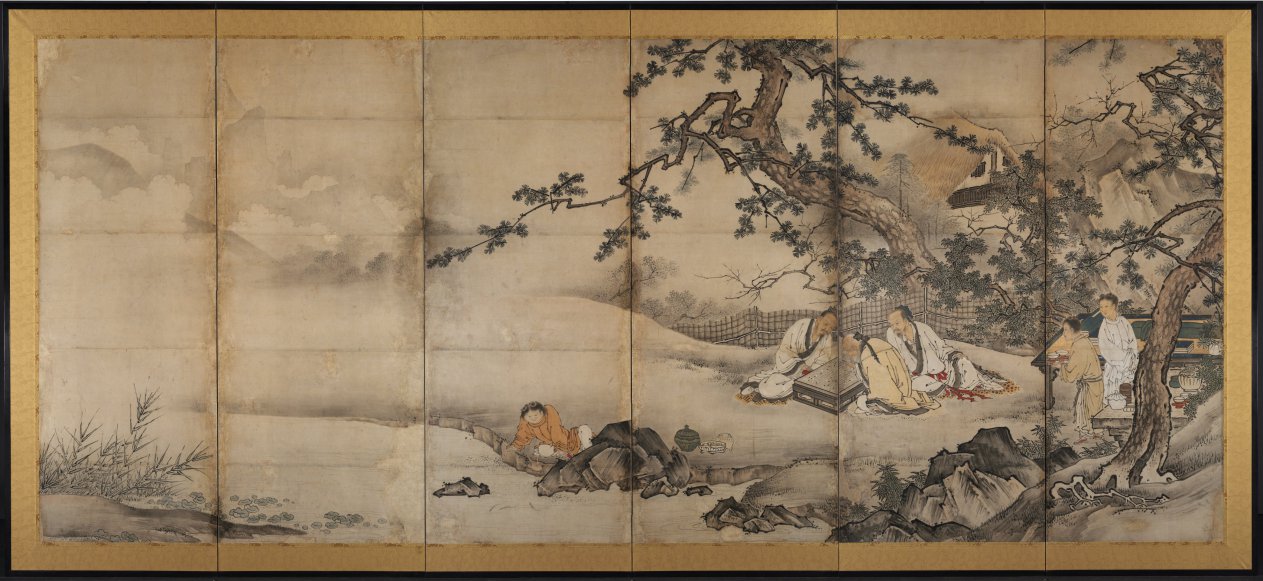
The Four Accomplishments
Cleveland Museum of Art
Playing the Zither under the Pines
Harvard Art Museums
Koto (Zither)
Cleveland Museum of Art
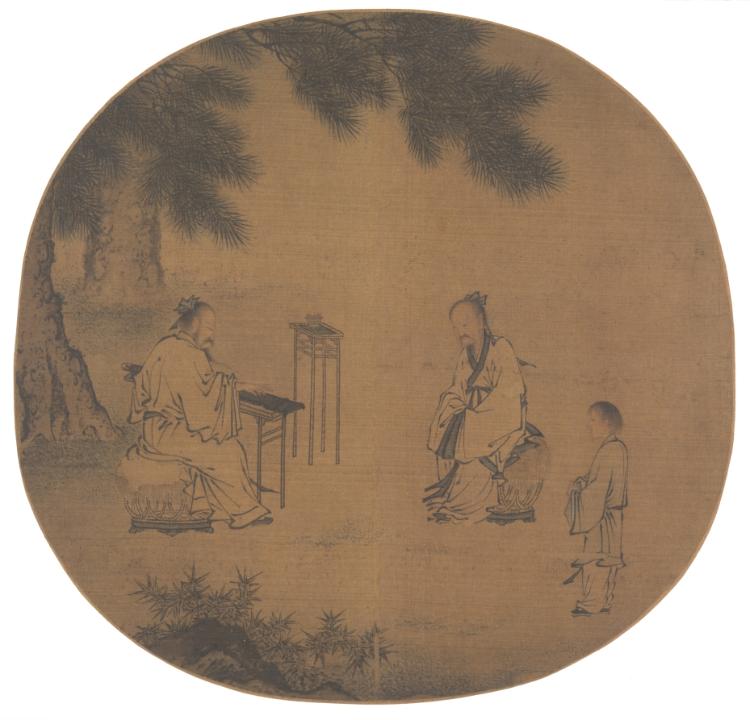
Listening to the Qin (Zither)
Cleveland Museum of Art

Four-string biwa
Minneapolis Institute of Art