
Minneapolis Institute of Art
Textile panel
India (Gujarat)
- Date
- 14th–15th century
- Medium
- Cotton
- Department
- Asian Art
- Institution
- Minneapolis Institute of Art
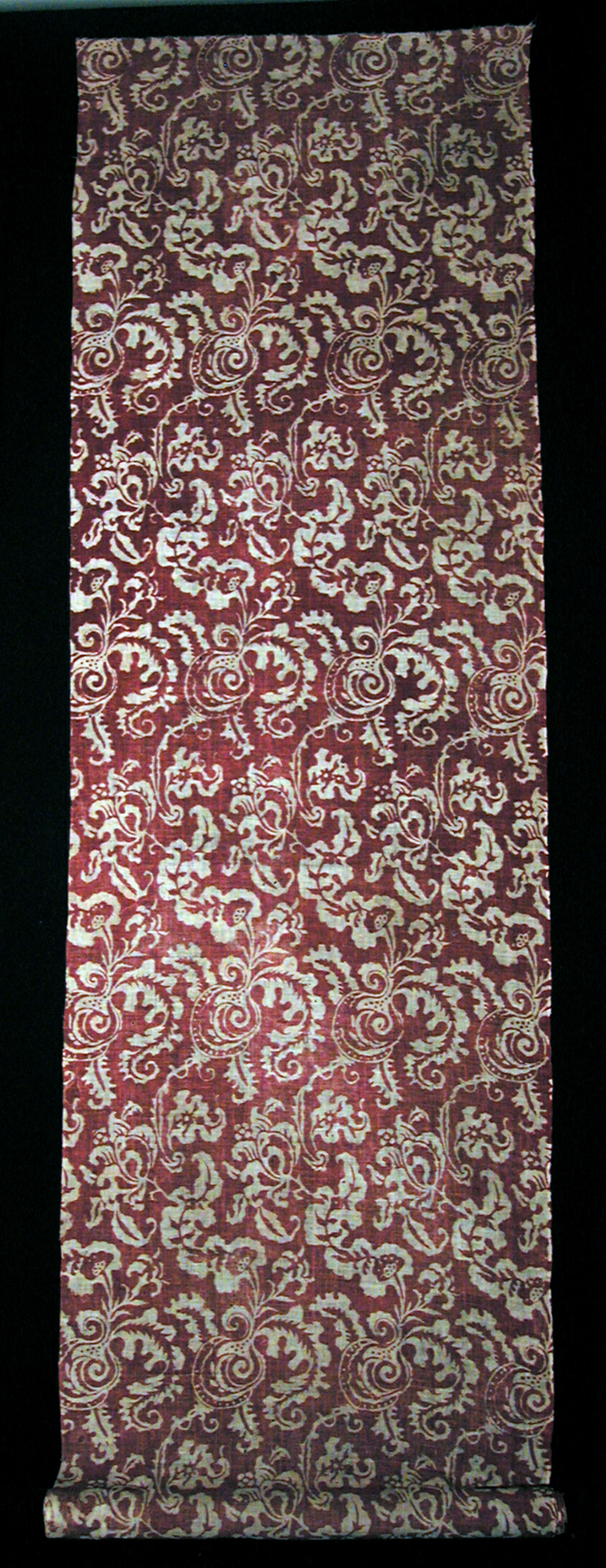
This cloth is radiocarbon dated to 1347-1467; it was created in Gujarat on handwoven cotton and features two bands of block-printed flowering trees and bushes, further hand-drawn, resist and mordant dyed, and the background over-dyed with red and indigo for a lush, purple ground. The cloth was manufactured for export, primarily to the Toraja region of Sulawesi where the flower design was called daun bolu, referencing the leaf of sirih plant, a key ingredient in chewing betel. There, it would have been used as a ceremonial banner, displayed at auspicious occasions and otherwise kept with a family’s pusaka, or sacred heirlooms cloth (radiocarbon dated 1340+/-40 years) was recovered from burial sites in Fustat, just south of the trading crossroads of Cairo. India, Indonesia, Asia
The authoritative record is held by Minneapolis Institute of Art. LinkedCulture surfaces this object and its connections; it does not alter institutional metadata.
Related across collections
Semantically similar works from Minneapolis Institute of Art and other institutions.
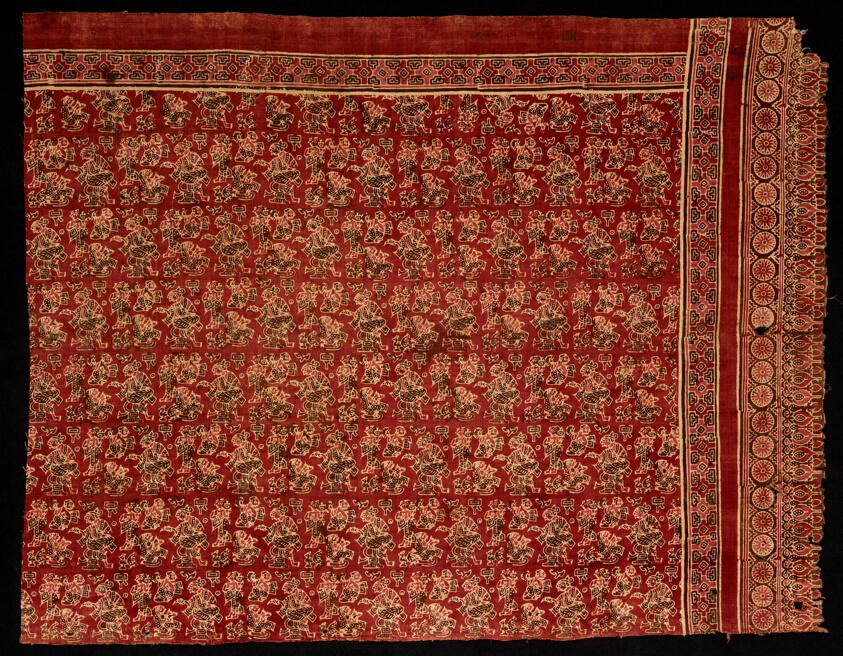
Fragment of Mawa' or Ma'a (Sacred Heirloom Textile)
Art Institute of Chicago

Painted cotton Pha nung textile panel
Minneapolis Institute of Art
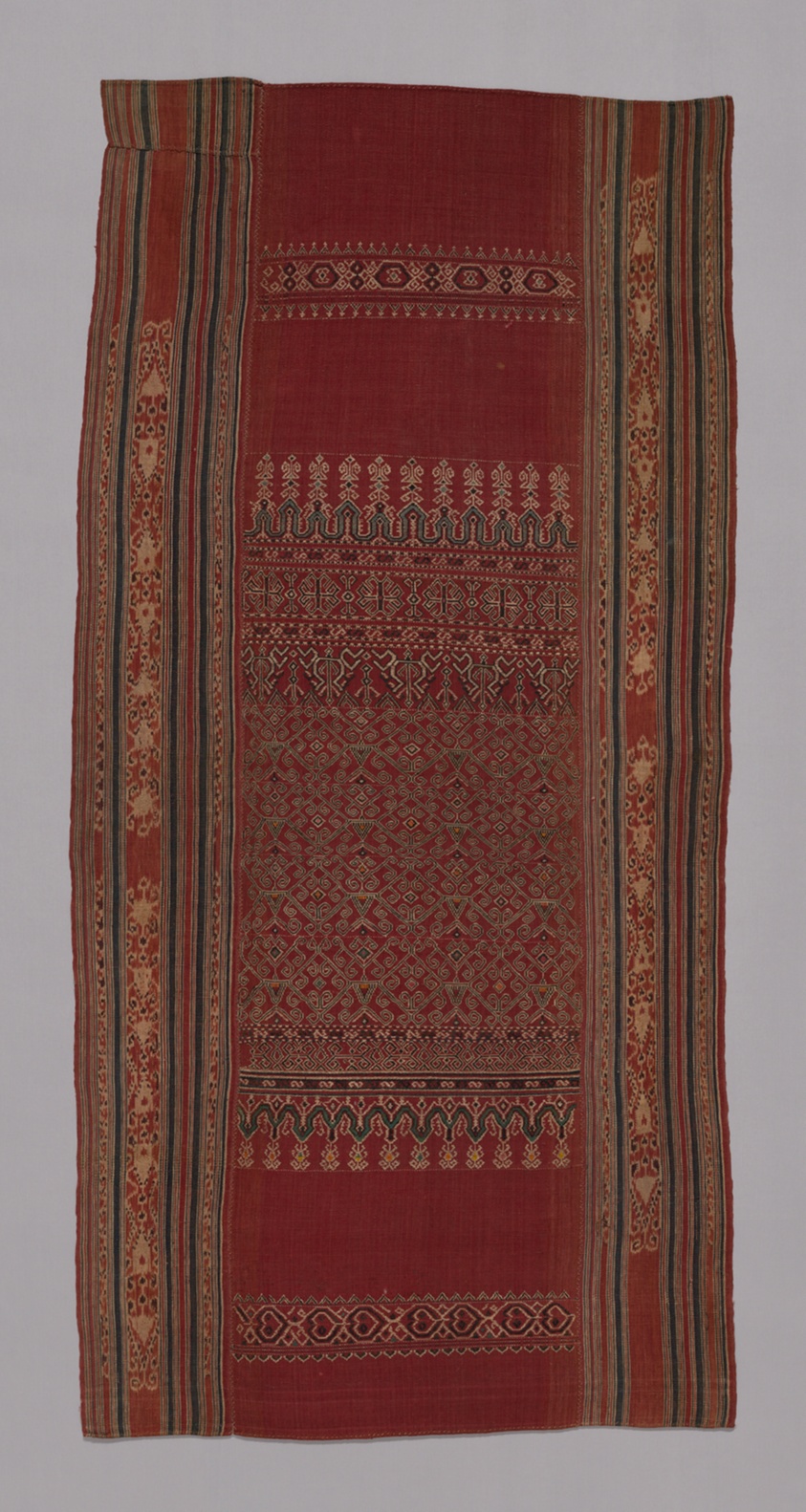
Ceremonial Cloth (Pua sungkit)
Art Institute of Chicago

Embroidered Panel from a Blouse
Minneapolis Institute of Art
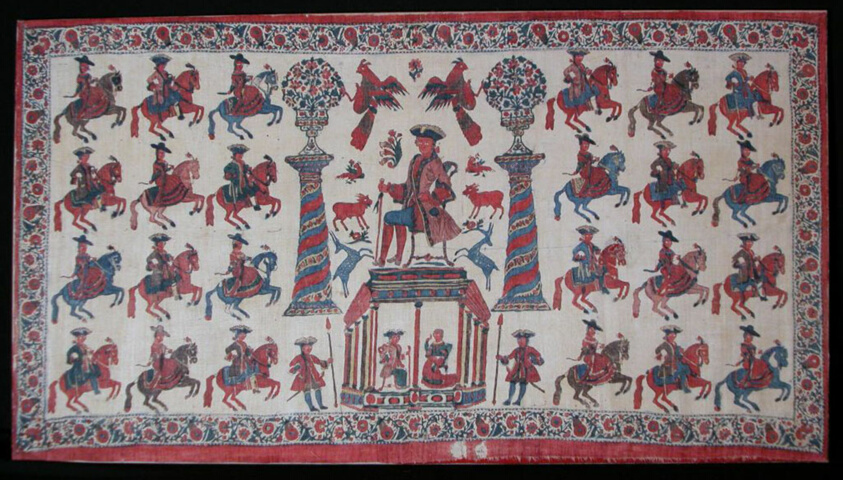
Panel
Art Institute of Chicago
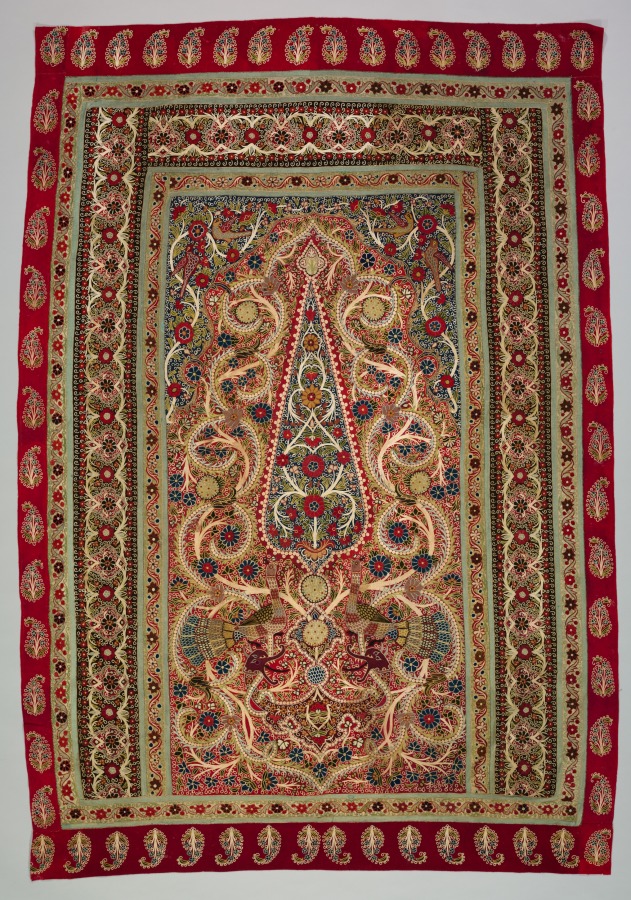
Tent Wall Panel(?)
Cleveland Museum of Art

Textile panel
Minneapolis Institute of Art
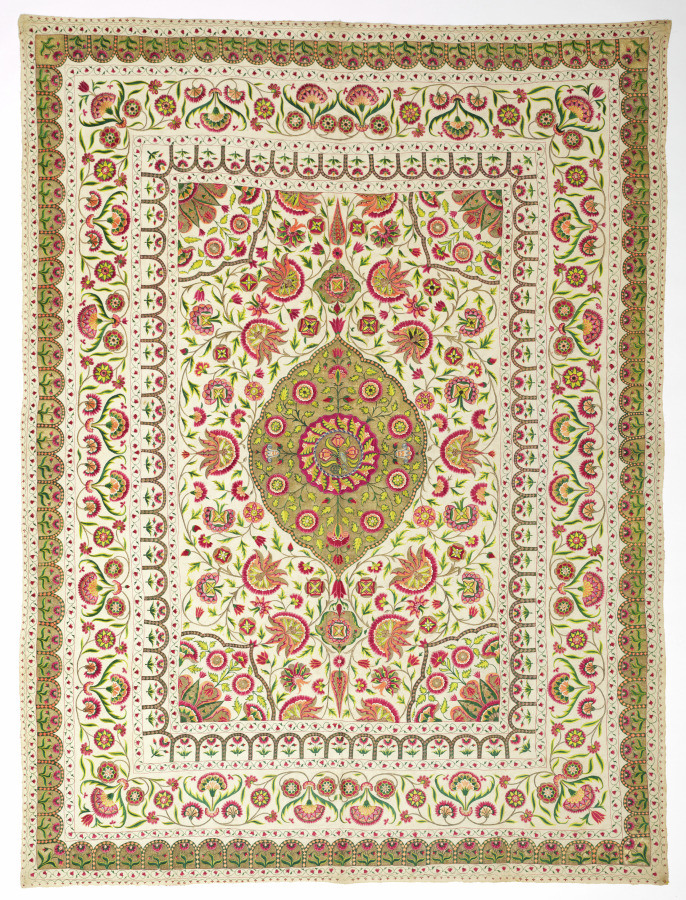
Spread with floral medallion pattern
Cleveland Museum of Art
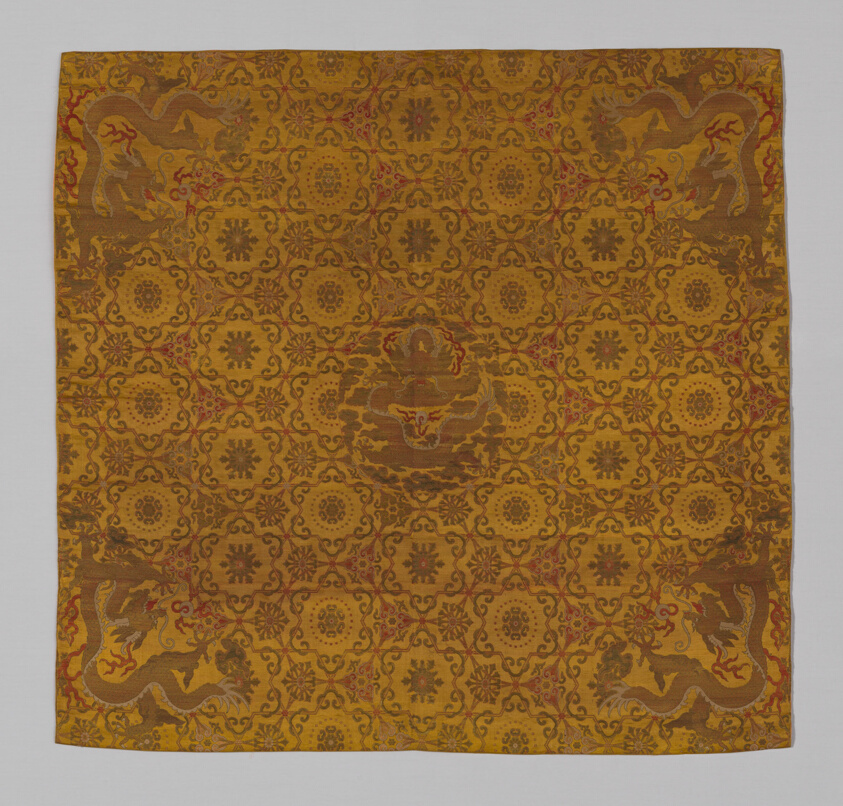
Panel
Art Institute of Chicago
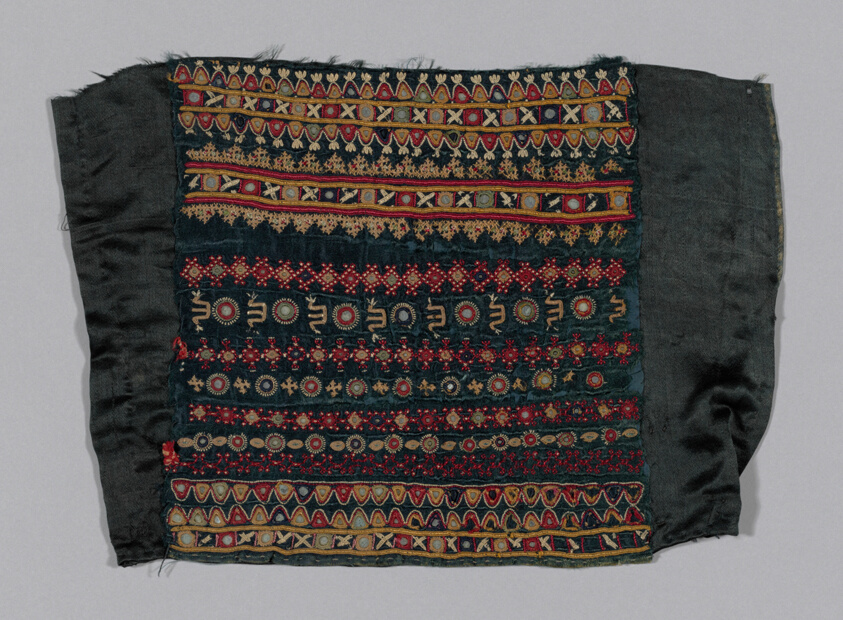
Panel
Art Institute of Chicago
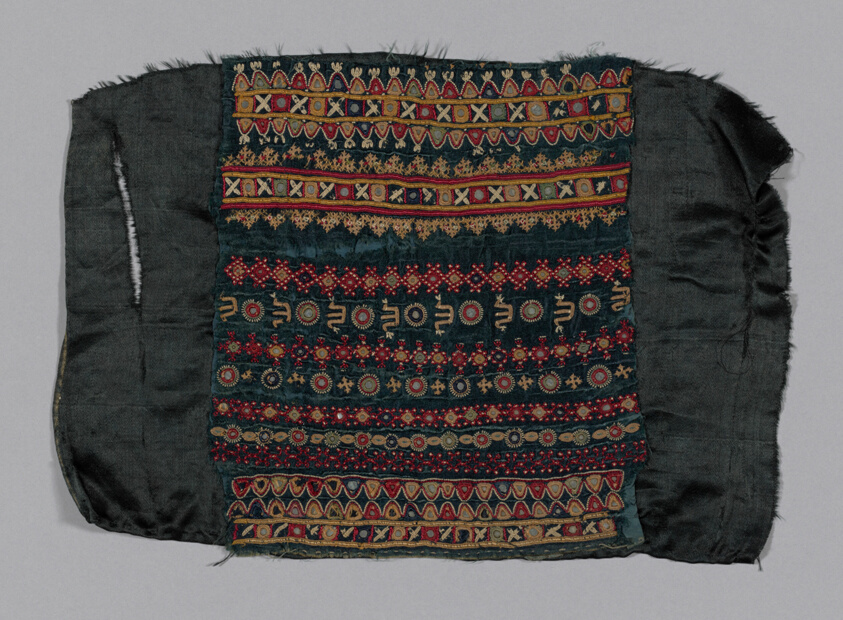
Panel
Art Institute of Chicago
Panel
Art Institute of Chicago