
Minneapolis Institute of Art
Celadon Vase, one of a pair
China
- Date
- 10th-13th century
- Medium
- Guan ware High-fired stoneware with blue-green glaze and induced crackle
- Department
- Asian Art
- Institution
- Minneapolis Institute of Art
When North China fell to non-Chinese tribes in 1127, the Song emperor fled south, establishing his new capital at Hangzhou in Zhejiang province. The new locally produced court ware known as guan or official was similar in appearance to the famous ru ware of the Northern Song court. Guan wares were fired in reduction, the high iron content of the clay resulting in a characteristic dark brown unglazed foot. The subtle pale blue glaze could be two to four coatings, often making it thicker than the body itself. With time the crackle patterns induced during the cooling process became aesthetically desirable. The Guan kilns produced small, simple shapes from utilitarian brush washers and flower vases to imitations of ancient bronze vessels such as this pair of hu . The crackle patterns worked well with the archaistic forms in evoking a sense of antiquity that appealed greatly to Song literati and ensuing generations of scholars. Asia
The authoritative record is held by Minneapolis Institute of Art. LinkedCulture surfaces this object and its connections; it does not alter institutional metadata.
Related across collections
Semantically similar works from Minneapolis Institute of Art and other institutions.
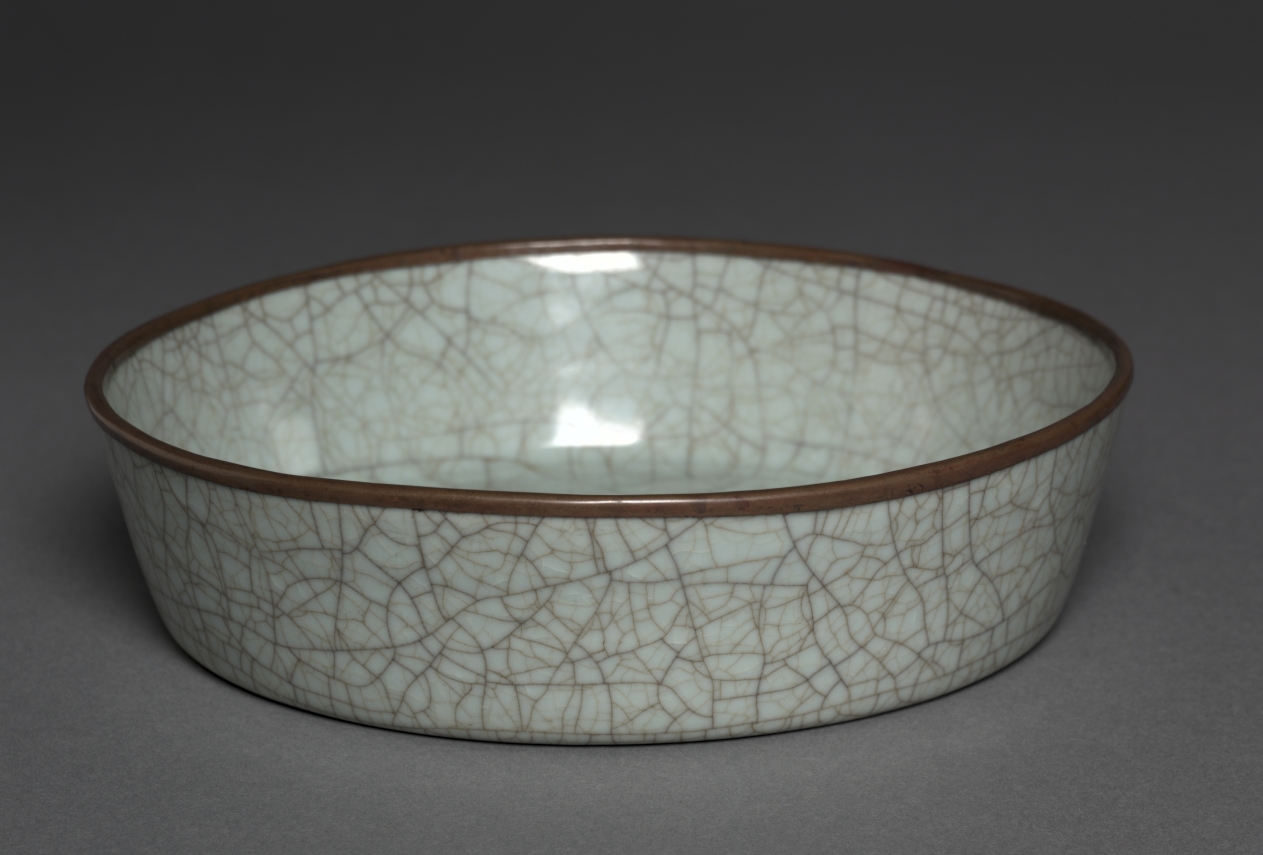
Basin
Cleveland Museum of Art
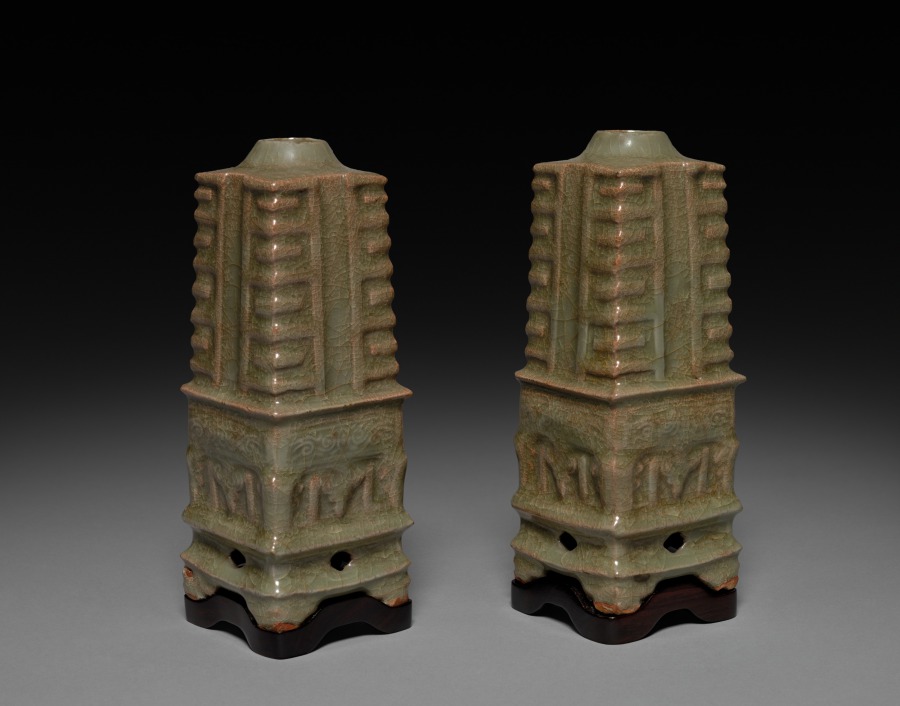
Pair of Vases in Shape of Cong: Southern Celadon Ware
Cleveland Museum of Art

Shallow bowl with double fish motif
Minneapolis Institute of Art

Celadon Vase, one of a pair
Minneapolis Institute of Art

Vase
Minneapolis Institute of Art

Vase
Getty Museum

Vase
Getty Museum

Ewer
Minneapolis Institute of Art

Ewer
Minneapolis Institute of Art

Tripod censer
Minneapolis Institute of Art

Bowl
Minneapolis Institute of Art
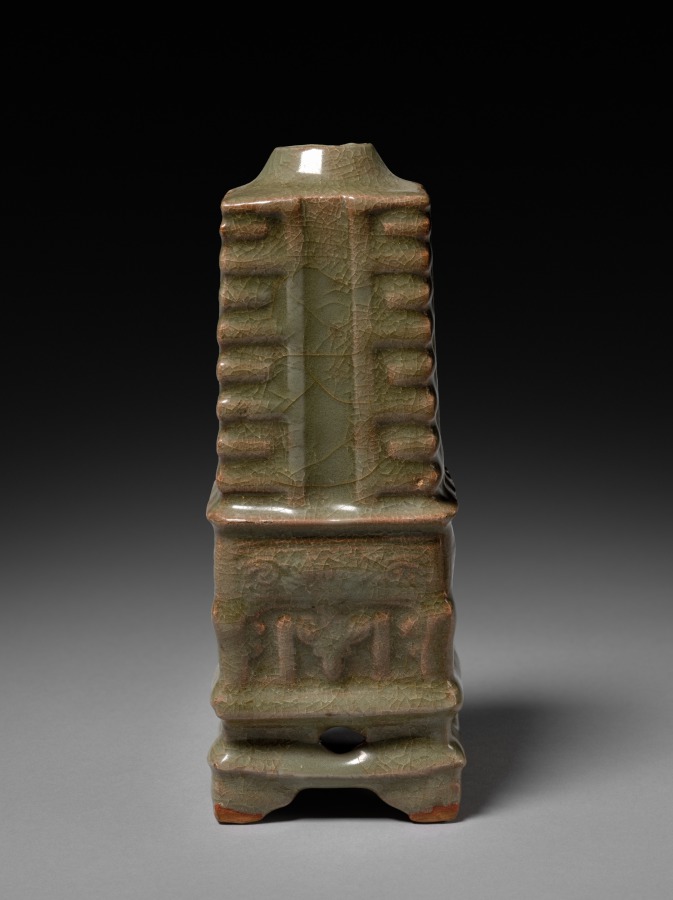
Vase in Shape of Cong: Southern Celadon Ware
Cleveland Museum of Art