
Minneapolis Institute of Art
Chikarkarpe robe
Ainu artist
- Date
- 19th century
- Medium
- Cloth: cotton, cotton appliqué and embroidery
- Culture
- Ainu
- Department
- Asian Art
- Institution
- Minneapolis Institute of Art
The Ainu, one of Japan’s Indigenous peoples, are native to Hokkaido, Sakhalin, and Kuril Islands. In the Ainu language, chikarkarpe means “the things we embroider” and refers to garments that were made with cotton, which was obtained from Japanese merchants. The abstract geometric pattern on this garment is typical of Ainu decoration and was believed to protect the wearer from evil spirits, which is why the patterns appear at the robe’s openings—at the sleeves, hem, and shoulders. Ainu women created the patterns and passed them down to other women in their families. Asia
The authoritative record is held by Minneapolis Institute of Art. LinkedCulture surfaces this object and its connections; it does not alter institutional metadata.
Related across collections
Semantically similar works from Minneapolis Institute of Art and other institutions.
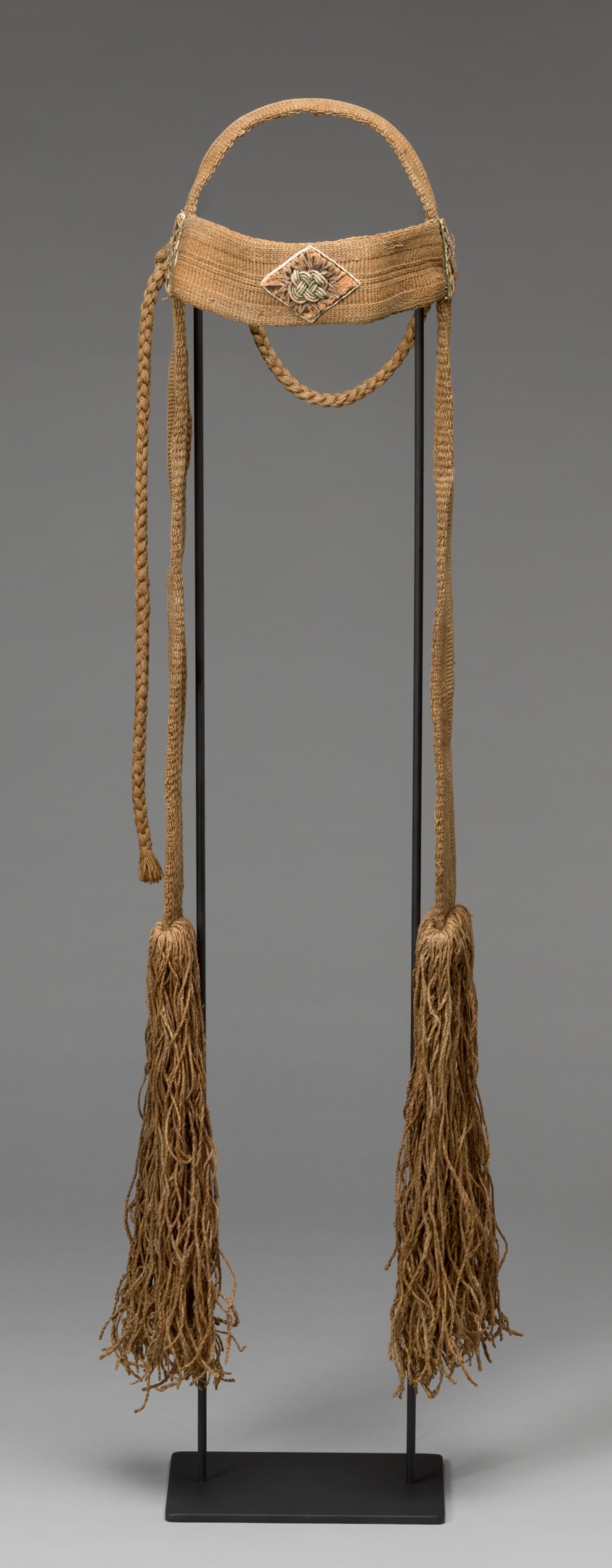
Ceremonial Headdress
Art Institute of Chicago
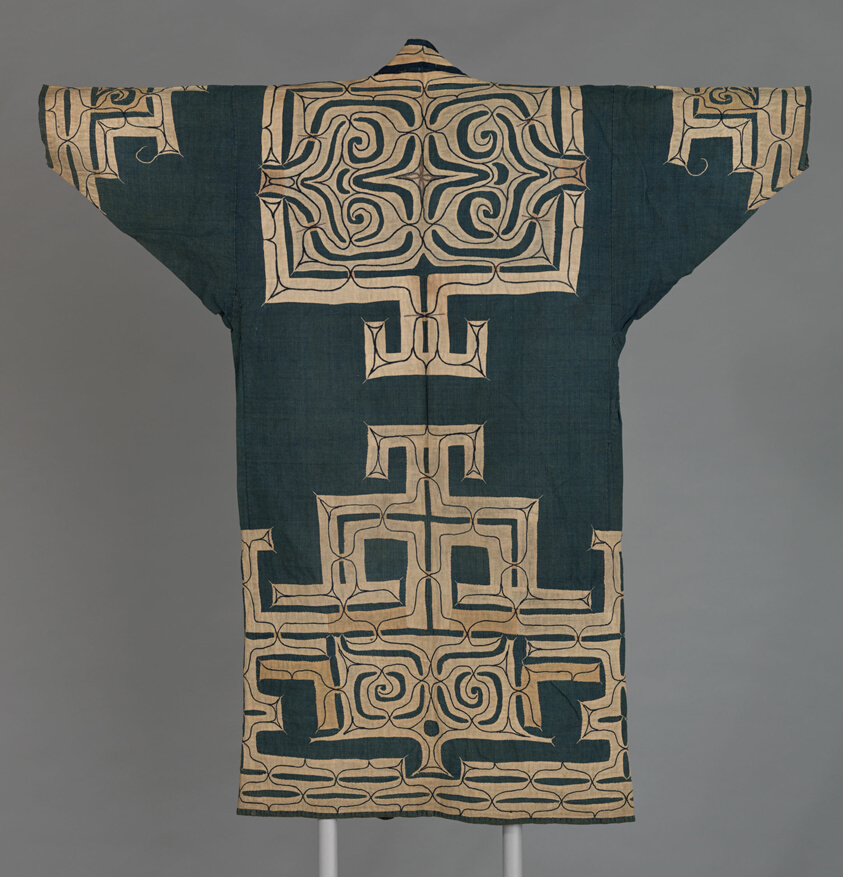
Robe
Art Institute of Chicago

Noh costume with geometric pattern for the role of Okina
Minneapolis Institute of Art
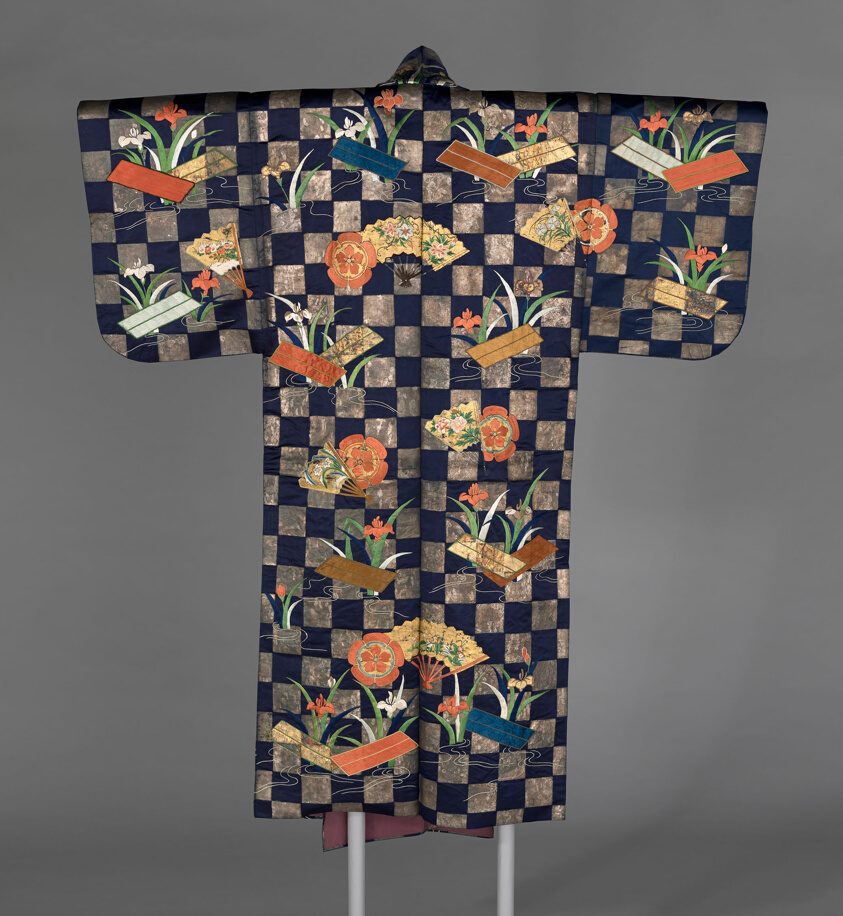
Nuihaku (Noh Costume)
Art Institute of Chicago

Outer Noh robe of grape vines with autumn grasses
Minneapolis Institute of Art

Wedding robe
Minneapolis Institute of Art
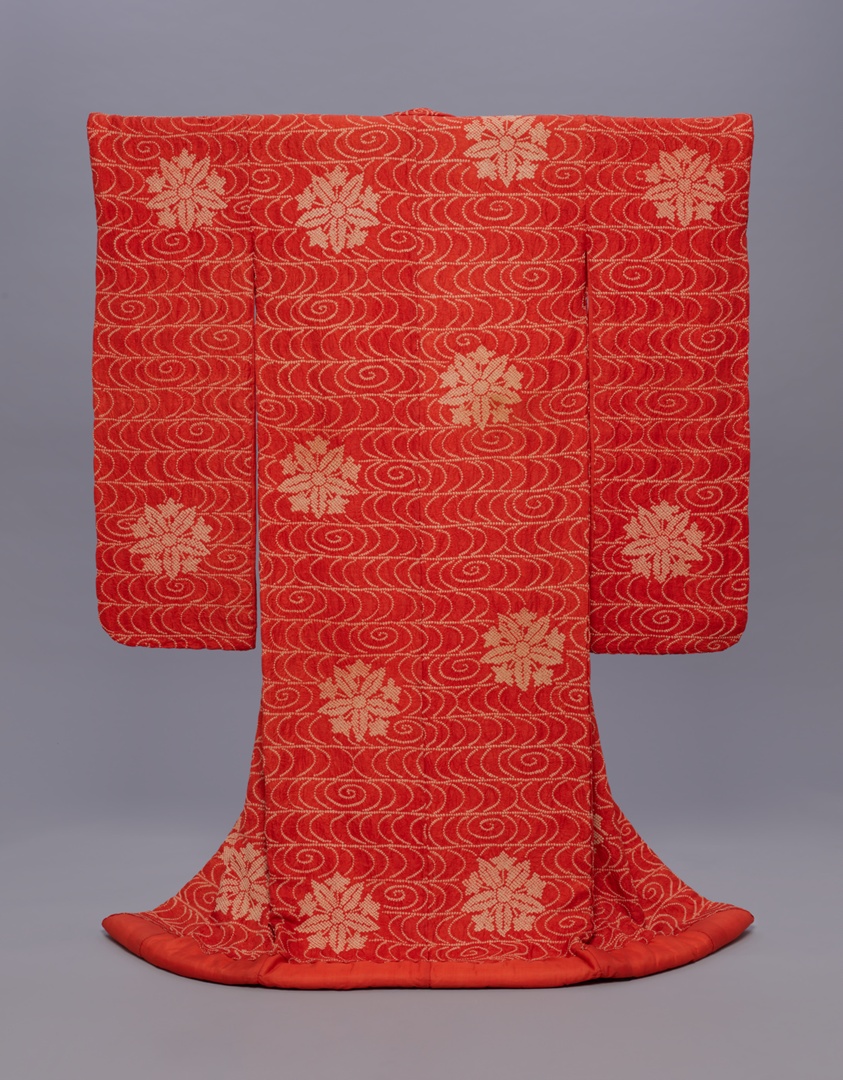
Woman's Aigi (Inner Robe)
Art Institute of Chicago

Wedding robe (uchikake) with design of tree peonies
Minneapolis Institute of Art

Coat, from a seven-piece costume
Minneapolis Institute of Art

Woman's long-sleeved kimono (furisode) with design of a fishing village in spring
Minneapolis Institute of Art

Noh costume (nuihaku) with floral motifs
Minneapolis Institute of Art

Chinese Woman's Unofficial Informal Robe
Minneapolis Institute of Art