
Minneapolis Institute of Art
Tudor room
England
- Date
- c. 1600
- Medium
- Oak, stone, glass, iron
- Department
- European Art
- Institution
- Minneapolis Institute of Art
In 1923, the Minneapolis Institute of Arts installed the Tudor Room as the museum's first period room, calling it the very embodiment of the spirit of the seventeenth century. It was furnished, as it is now, with a rich assortment of tables, chairs, and case furniture that evoke the furnishings and lifestyle of Tudor and Elizabethan England. The oak paneling, which dates to about 1600, was acquired through Arthur Vernay, an antiques dealer in New York, who sold it with an unconfirmed history of use in a manor in Suffolk, England. The paneling was probably once part of a private chamber used for eating, sitting, and entertaining guests. Late-Renaissance decoration is seen in the fluted pilasters throughout the room and the carved caryatids, lion masks, and intricate strapwork over the fireplace. Within the windows is the coat of arms of Edward VI, son of Henry VIII and half-brother of Elizabeth I, Queen of England from 1558 to 1603. The Tudor Room was originally named the John Washburn Memorial Room, after an early patron of the museum who was especially interested in English architecture and decoration. Continually on view at the Institute for nearly ninety years, the Tudor Room has the distinction of being the earliest surviving installation of an Elizabethan period room in an American art museum. Reinstallation of the Tudor Room has been initially funded through the Elisabeth Washburn King Endowment Fund and the National Endowment for the Arts. Europe
The authoritative record is held by Minneapolis Institute of Art. LinkedCulture surfaces this object and its connections; it does not alter institutional metadata.
Related across collections
Semantically similar works from Minneapolis Institute of Art and other institutions.

Queen Anne room
Minneapolis Institute of Art

Connecticut room
Minneapolis Institute of Art

Georgian drawing room
Minneapolis Institute of Art

Providence parlour
Minneapolis Institute of Art
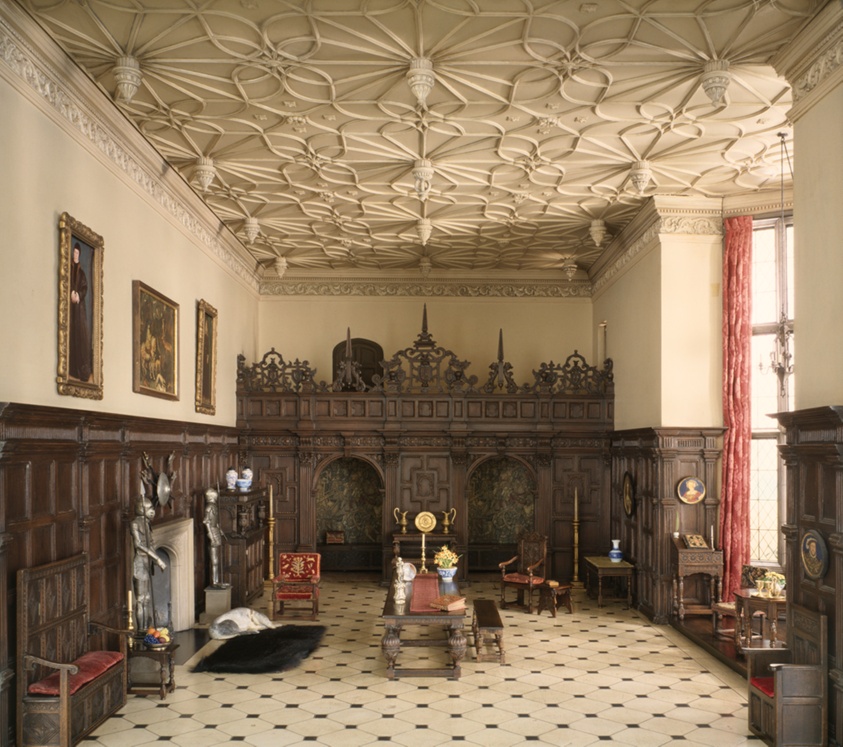
E-1: English Great Room of the Late Tudor Period, 1550-1603
Art Institute of Chicago

Charleston dining room
Minneapolis Institute of Art
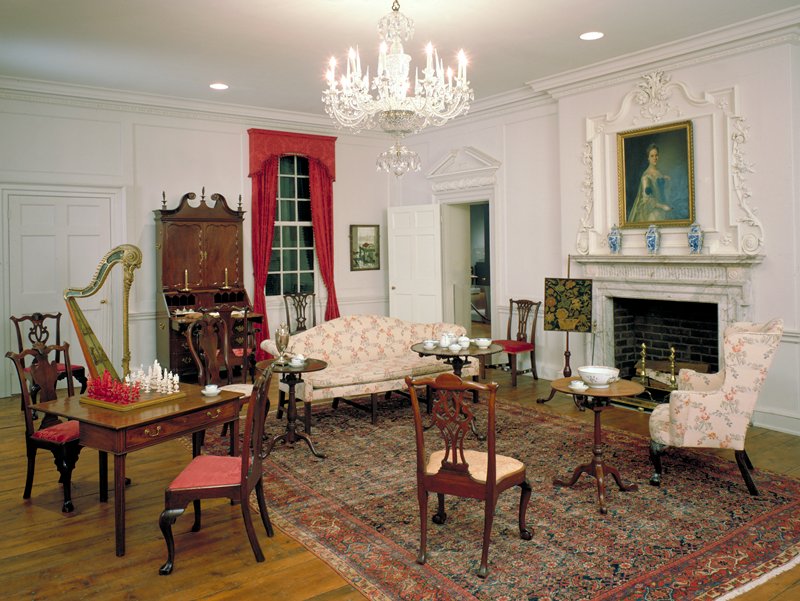
Charleston Drawing Room
Minneapolis Institute of Art

Paneling
Getty Museum
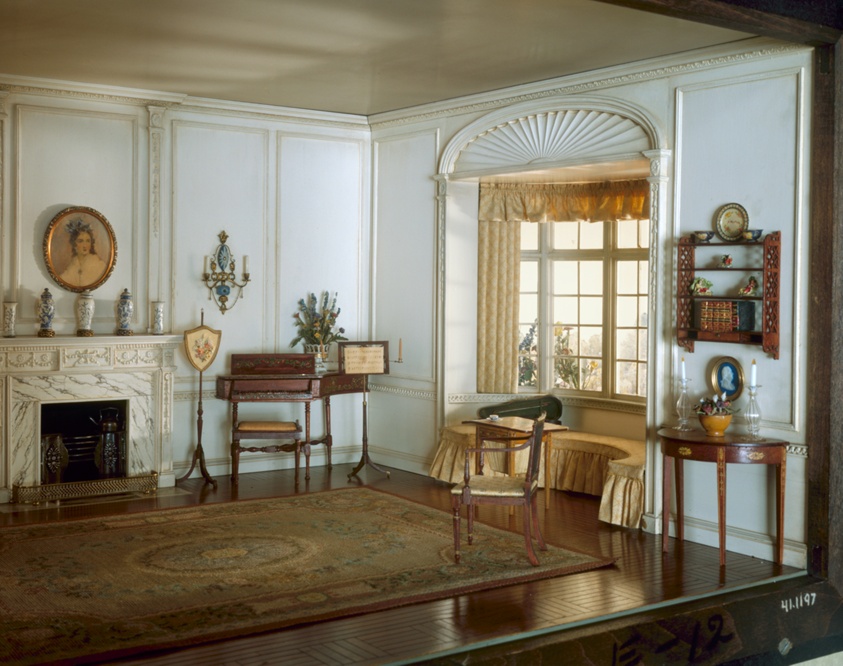
E-12: English Drawing Room of the Georgian Period, c. 1800
Art Institute of Chicago
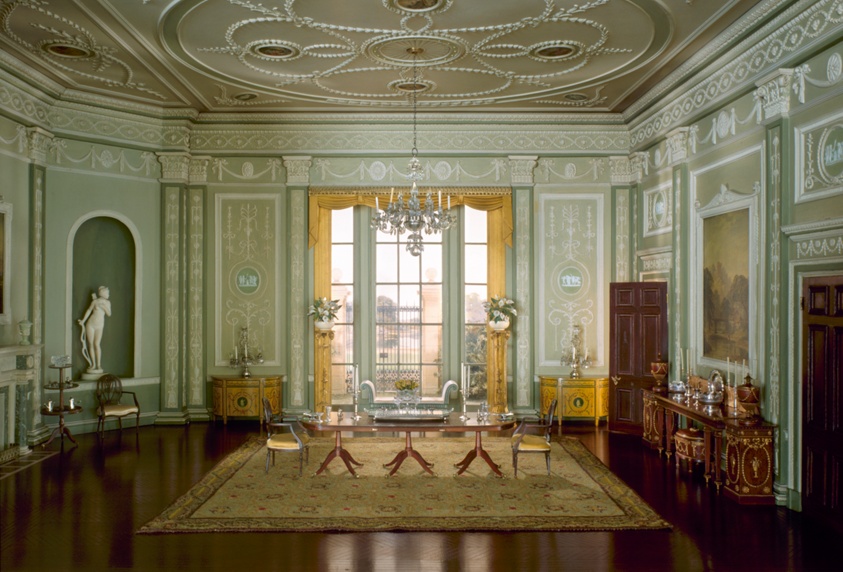
E-10: English Dining Room of the Georgian Period, 1770-90
Art Institute of Chicago

Paneled Room
Getty Museum
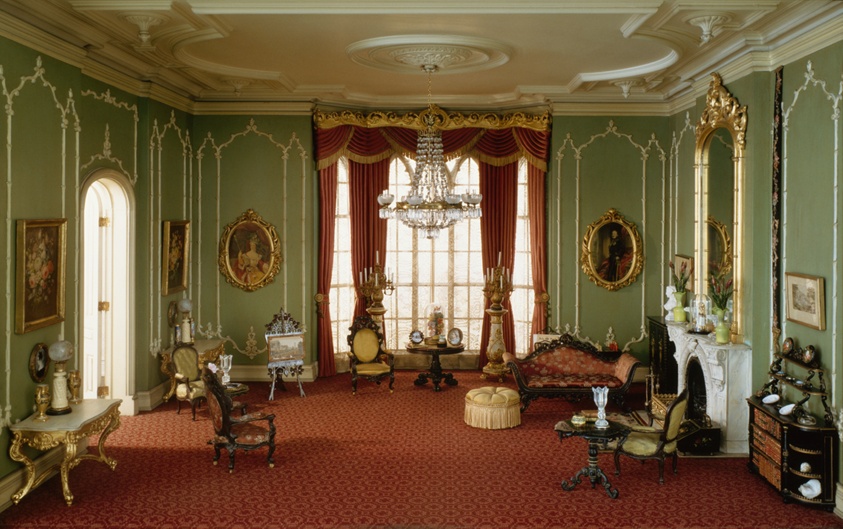
E-14: English Drawing Room of the Victorian Period, 1840-70
Art Institute of Chicago