
Minneapolis Institute of Art
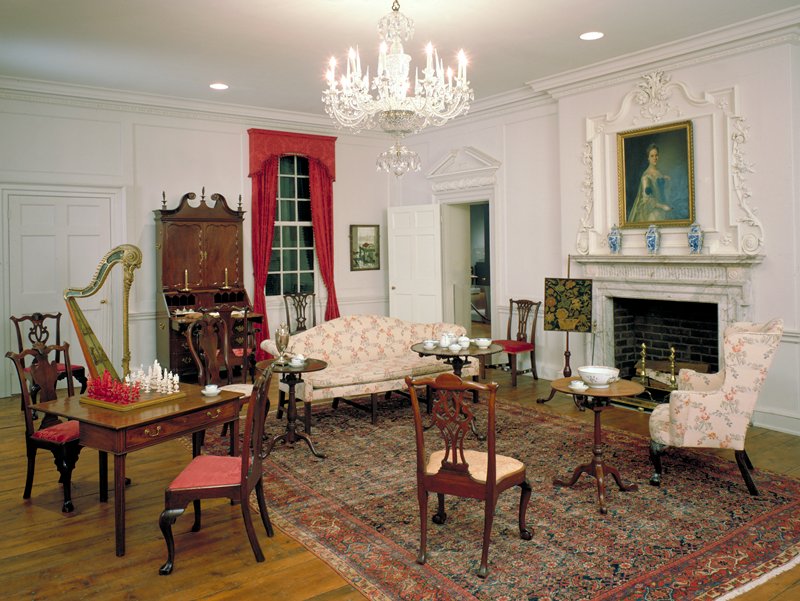
Georgian drawing room
England
- Date
- c. 1740
- Medium
- Pine
- Department
- European Art
- Institution
- Minneapolis Institute of Art
In 1932, this room was installed in the Minneapolis Institute of Arts as a memorial to Eugene J. Carpenter, the first vice president of the Minneapolis Society of Fine Arts. It was once called the Northumberland Room because the paneling was purported to come from Stanwick Park, the ancestral home of the Dukes of Northumberland in Yorkshire, England. Now it is called the Georgian Room, as it relates to interior architecture from 18th-century Georgian England.While at first the room was exhibited with unpainted pine paneling, it was later painted, reflecting a more typical 18th-century wall treatment. The room is decorated with classical motifs, such as Greek key moldings, fluted columns with Ionic capitals, and carved garlands and drapery, made popular in England in the 17th century through the designs of the architect Inigo Jones, and in the 18th century through Lord Burlington and his architect William Kent. The furnishings in this room reflect trappings of taste and status in mid-18th-century England. The paintings, while not original to the room, hang like ancestral portraits in an English country house. Notice the handsomely carved armchairs and desk-and-bookcase that illustrate the influence of the famous English cabinetmaker and pattern-book author Thomas Chippendale. The exotic porcelain in the buffet would have been imported from China, as was tea drinking, an eastern ritual that inspired a similar custom in Europe. To learn more about taking tea in Georgian England, please see the interactive media program in this room. Reinstallation of the Georgian Room has been initially funded through the family of Eugene J. Carpenter and the National Endowment for the Arts.
The authoritative record is held by Minneapolis Institute of Art. LinkedCulture surfaces this object and its connections; it does not alter institutional metadata.
Related across collections
Semantically similar works from Minneapolis Institute of Art and other institutions.

Tudor room
Minneapolis Institute of Art

Queen Anne room
Minneapolis Institute of Art
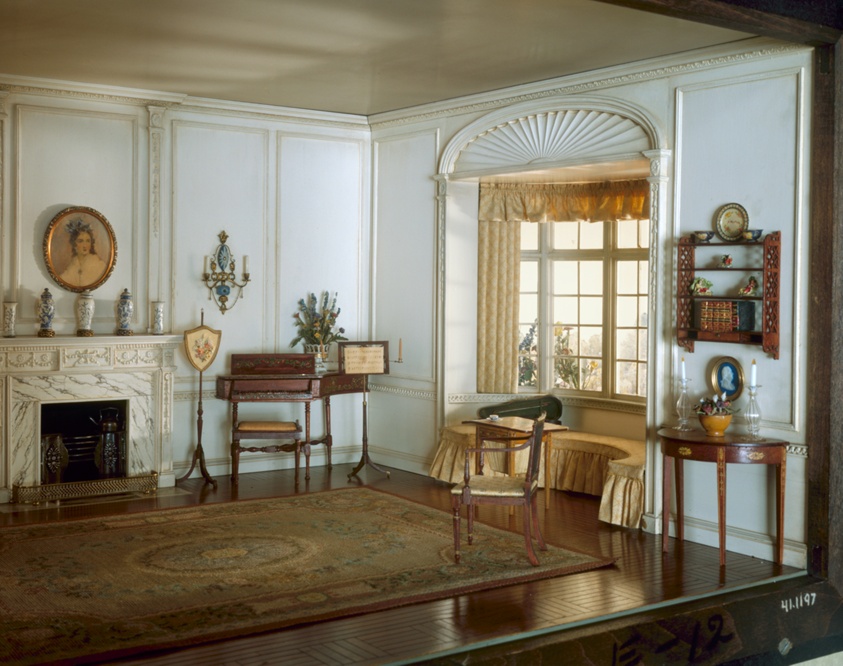
E-12: English Drawing Room of the Georgian Period, c. 1800
Art Institute of Chicago

Connecticut room
Minneapolis Institute of Art
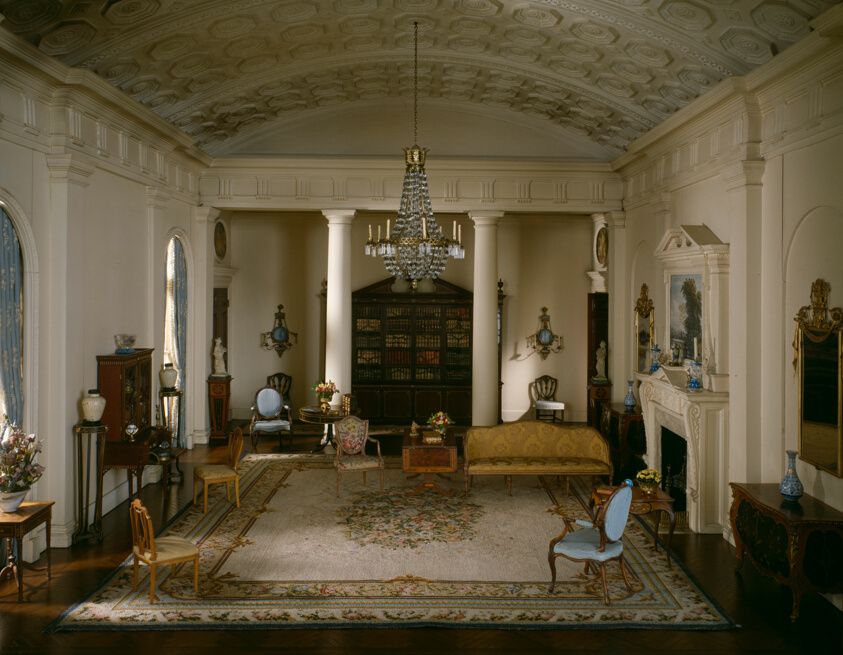
E-9: English Drawing Room of the Georgian period, 1770-1800
Art Institute of Chicago

Charleston dining room
Minneapolis Institute of Art
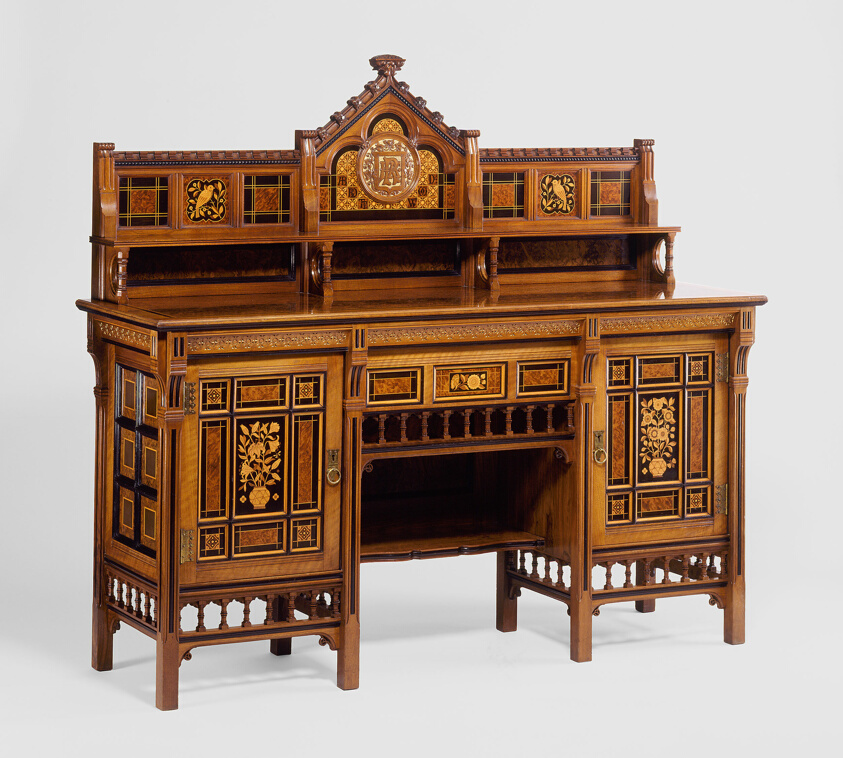
Drawing Room Cabinet
Art Institute of Chicago
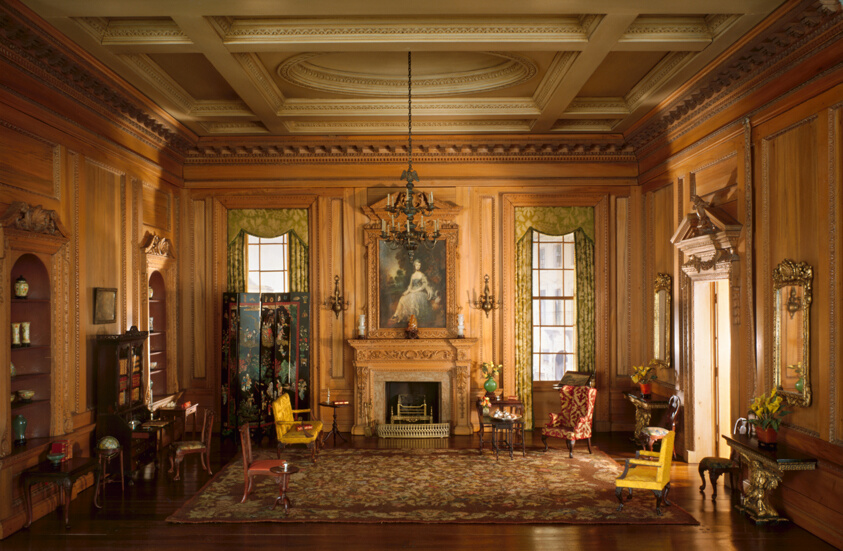
E-7: English Drawing Room of the Early Georgian Period, 1730s
Art Institute of Chicago
Charleston Drawing Room
Minneapolis Institute of Art

Providence parlour
Minneapolis Institute of Art

Armchair
Minneapolis Institute of Art

Side cabinet
Minneapolis Institute of Art