
Minneapolis Institute of Art
Jar with two animal-mask handles
China
- Date
- 1st century BCE - 1st century CE
- Medium
- Stoneware
- Department
- Asian Art
- Institution
- Minneapolis Institute of Art
This storage jar, of the type often referred to as proto-celadon, is shaped after an archaic bronze vessel type known as bu (also known as pou). The high-fired lime glaze of thin olive-green, which usually is slightly mottled, is restricted to the upper areas. On the lower half of the vessel, the exposed body has turned a distinctive reddish brown. Its greenish color is due to the presence of iron and titanium oxides. On opposing sides are two sturdy and elaborate lugs each decorated with a human-mask, a pattern evolved from early bronze vessel forms. On its upper body there are three raised bands. Archaeological evidence suggests that most of such “proto-celadon” wares were manufactured in the vicinity of northern Zhejiang and southern Jiangsu provinces. The jar serves as an excellent example demonstrating the works at a transitional stage from pottery to porcelain which begins to appear during the Eastern Han dynasty (25–220) in present-day Zhejiang province. China, Asia
The authoritative record is held by Minneapolis Institute of Art. LinkedCulture surfaces this object and its connections; it does not alter institutional metadata.
Related across collections
Semantically similar works from Minneapolis Institute of Art and other institutions.

Guan Storage Jar
Minneapolis Institute of Art

Storage Jar
Minneapolis Institute of Art

Storage Jar (lei)
Minneapolis Institute of Art

Jar
Minneapolis Institute of Art

Hu Storage Jar
Minneapolis Institute of Art

Hu storage jar
Minneapolis Institute of Art
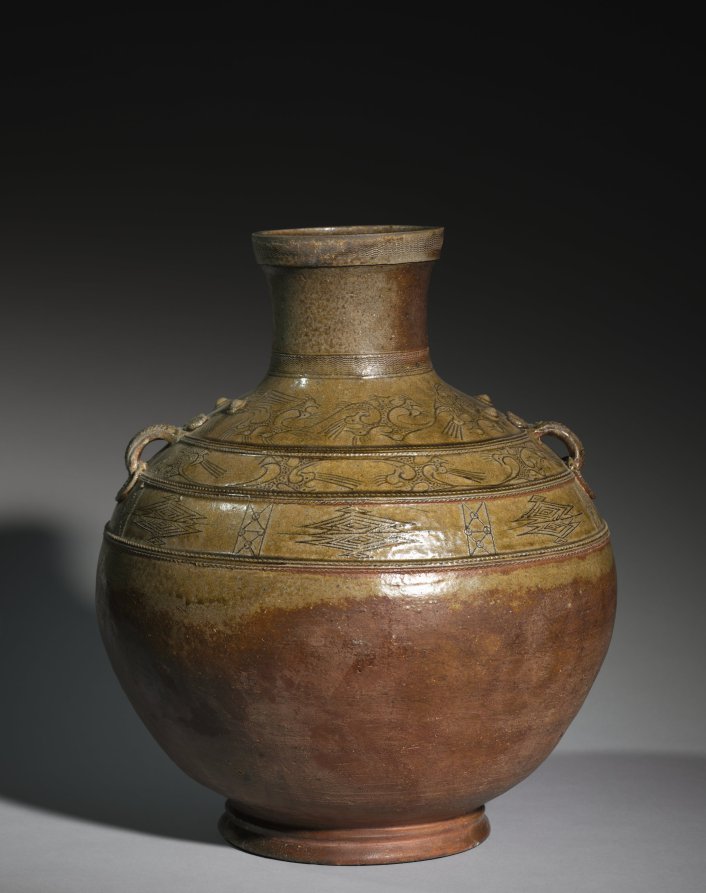
Jar (Hu)
Cleveland Museum of Art
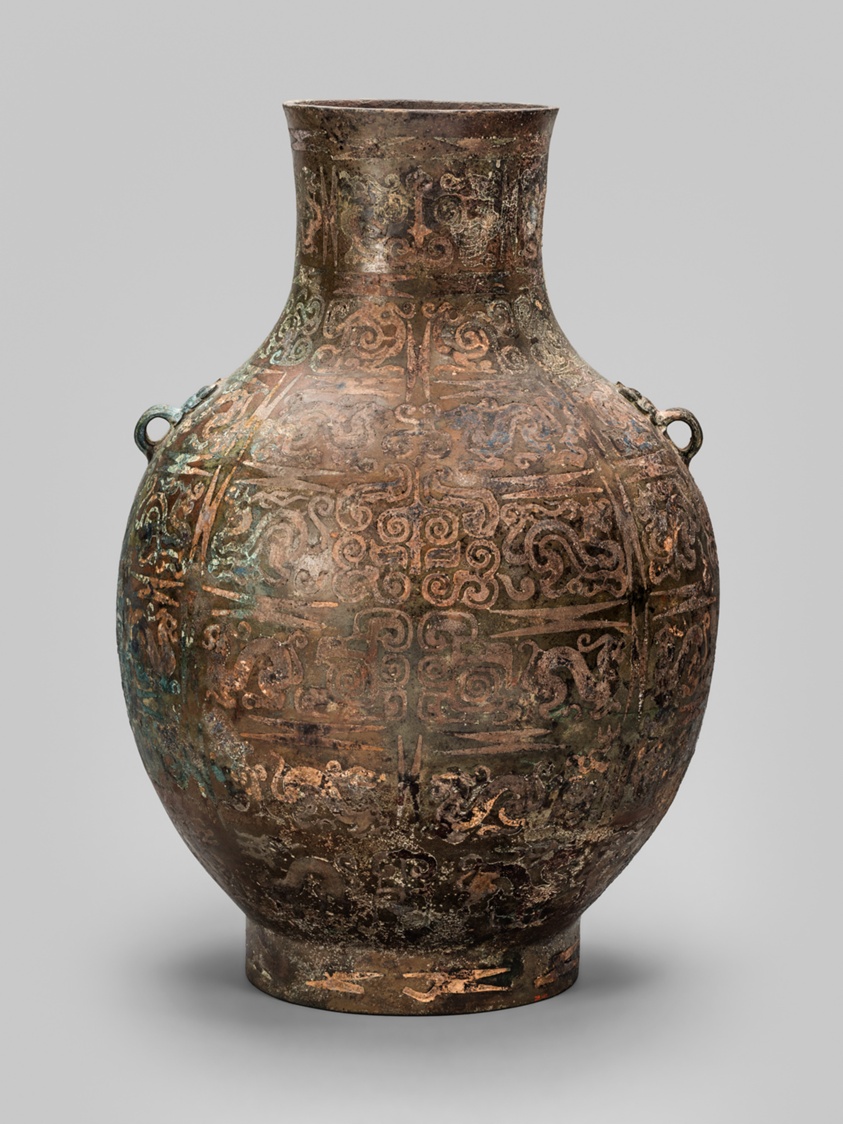
Jar (hu)
Art Institute of Chicago
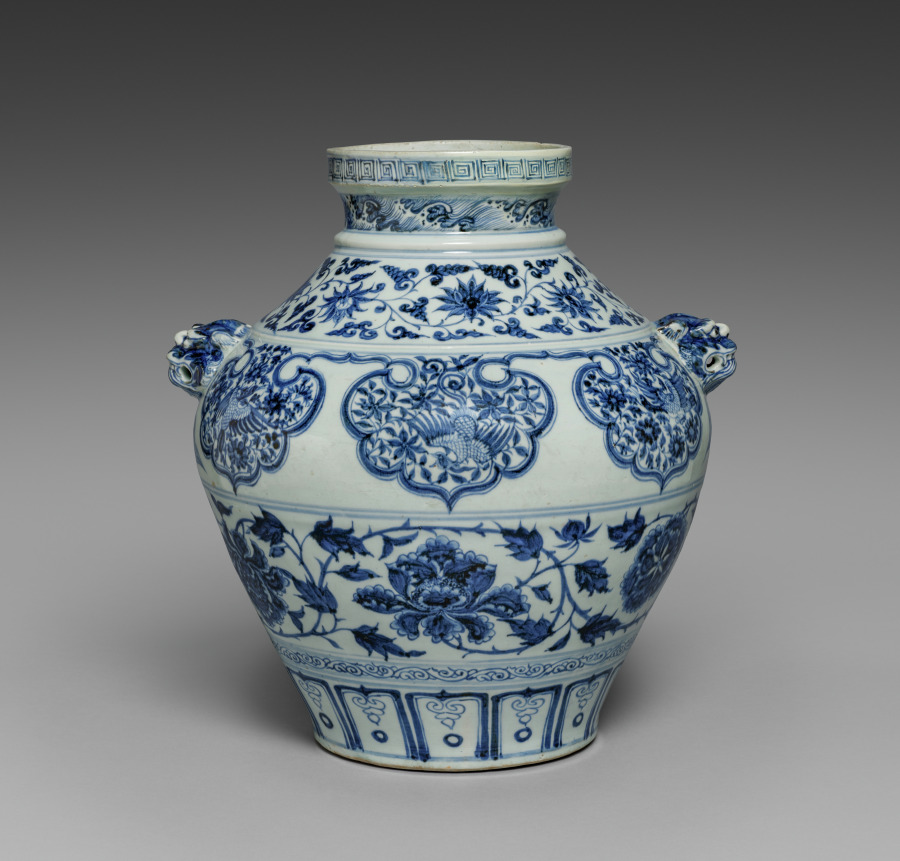
Jar with Lion-Head Handles
Cleveland Museum of Art

Hu (ritual wine jar)
Minneapolis Institute of Art

Jar (guan)
Minneapolis Institute of Art
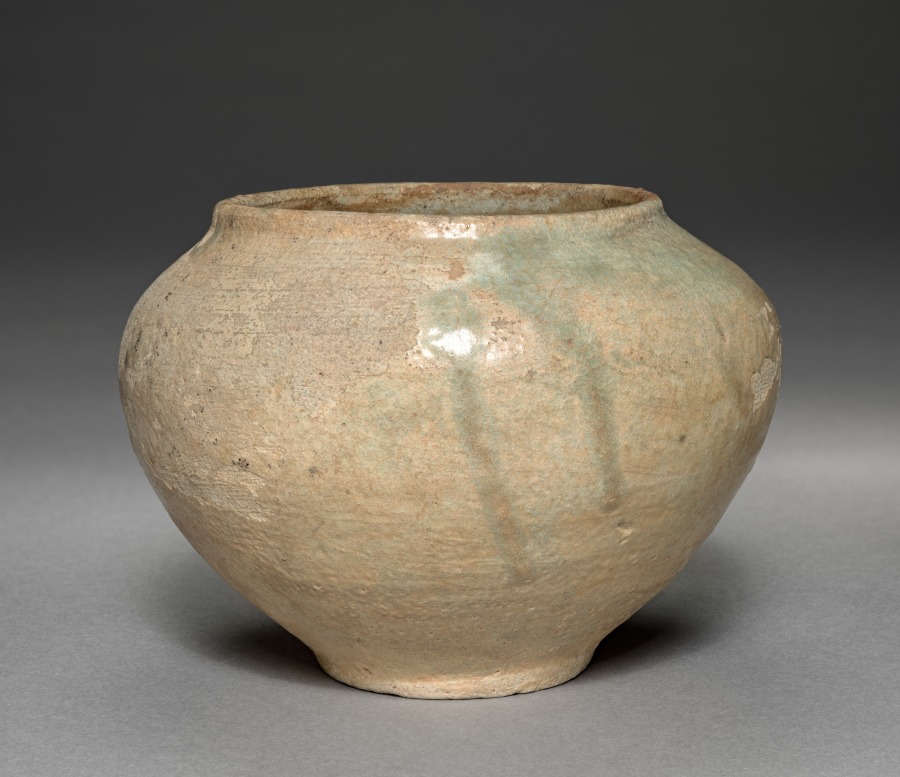
Jar
Cleveland Museum of Art