
Minneapolis Institute of Art
Orpheus and Eurydice in Hades (recto); Triumph of Bacchus in a Landscape (verso)
Pietro FancelliLinkedCulture matchlcp-946a36b696d5
- Date
- c. 1800–1805
- Medium
- Pen and brown ink over graphite
- Department
- European Art
- Institution
- Minneapolis Institute of Art
- Object ID
- 19941
From the Minneapolis Institute of Art record
Dense and rapidly executed, this drawing shows an artist freely exploring a subject for his own creative purposes. In this story from classical mythology, the poet and musician Orpheus attempts to rescue his bride, Eurydice, from the underworld. Journeying down into Hades he secures her release through the power of his music. But Pluto imposes a condition: Orpheus cannot look back at her until the two have emerged into the upper world. Fancelli depicted the fateful moment when Orpheus turns to look. As he grasps at her, Eurydice is pulled back into the depths. In Fancelli’s telling, the story is as much about the underworld as the couple. Pluto and Persephone are shown seated in a circular throne, reigning from above; Cerberus, the three-headed guard dog, snarls at Orpheus’s feet; and the three Fates, at left, measure out the thread of life with chilling indifference. A group of anguished figures crowded together in the sky may represent the region where the wicked are punished. A few have labels identifying the source of their misery: odio (hatred), vendetta (revenge), avarizia (greed). Fantastic airborne creatures—a long-beaked serpent, spiteful harpies, and a small fire-breathing dragon—torment the sinners. Italy, Europe
The authoritative record is held by Minneapolis Institute of Art. LinkedCulture surfaces this object and its connections; it does not alter institutional metadata.
Get printable QR codesHide QR codes
Open QR codes for this object page and the museum record. They stay collapsed until needed.
Provenance & credit
As published by the source institution. Coverage varies — not every institution's open-data feed includes ownership history.
- Credit line
- The David M. Daniels Fund
Related across collections
Semantically similar works from Minneapolis Institute of Art and other institutions.
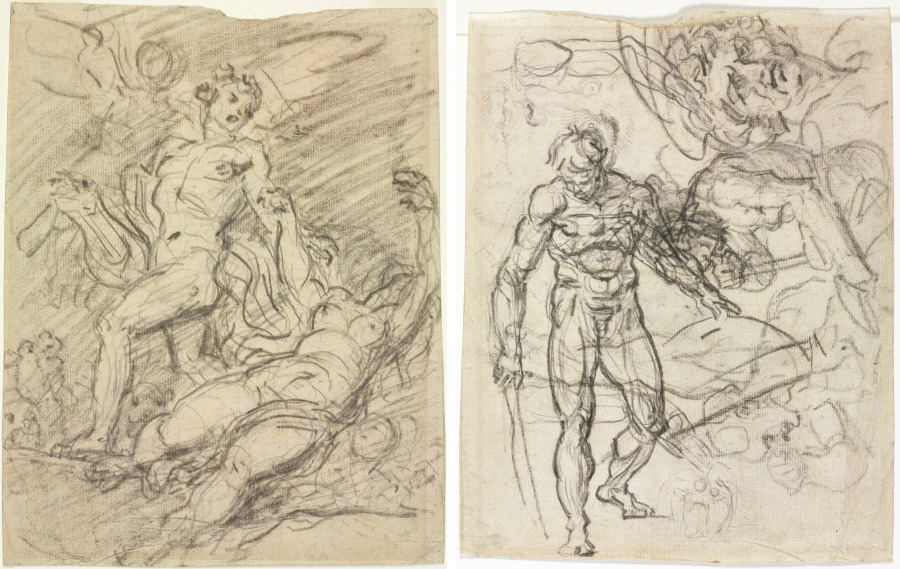
Orpheus and Eurydice (recto); Figure Studies (verso)
Cleveland Museum of Art
#167133
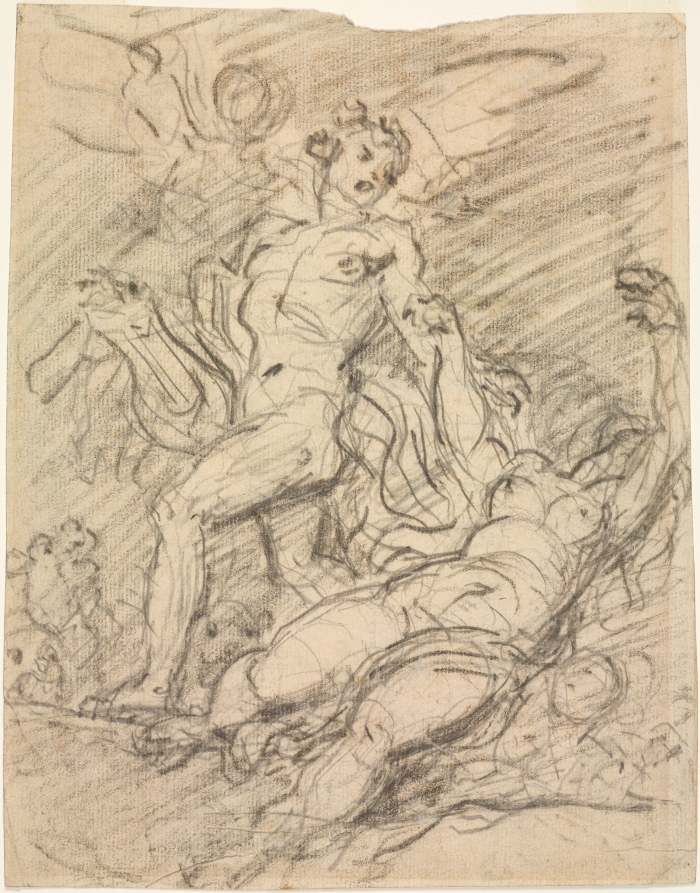
Orpheus and Eurydice (recto)
Cleveland Museum of Art
#167134
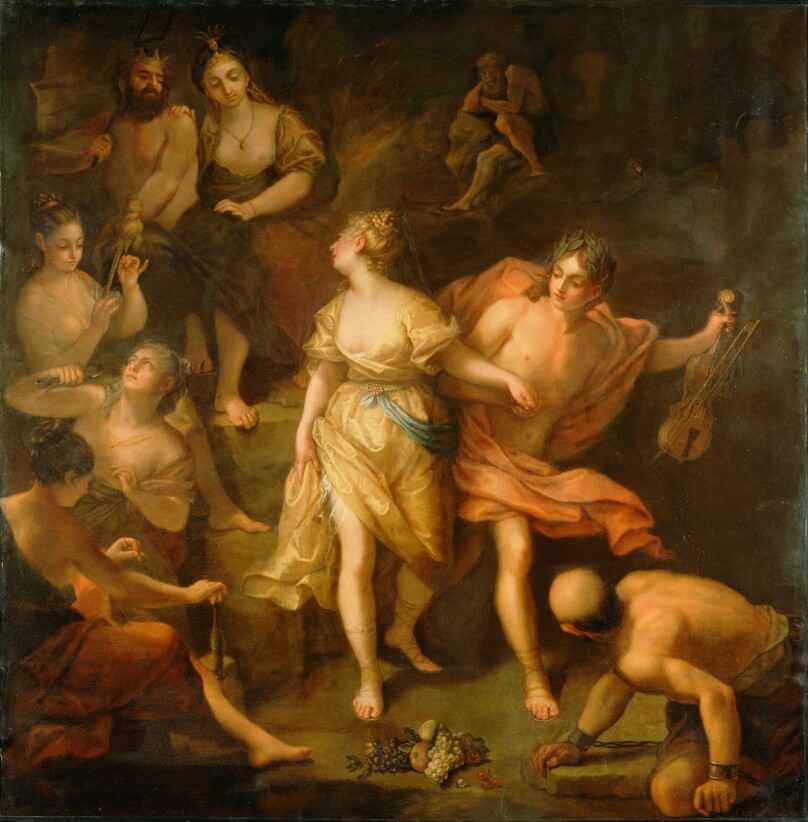
Orpheus and Eurydice
Getty Museum
#4ad4af14-88da-411d-b1c4-8d17c8b065a5
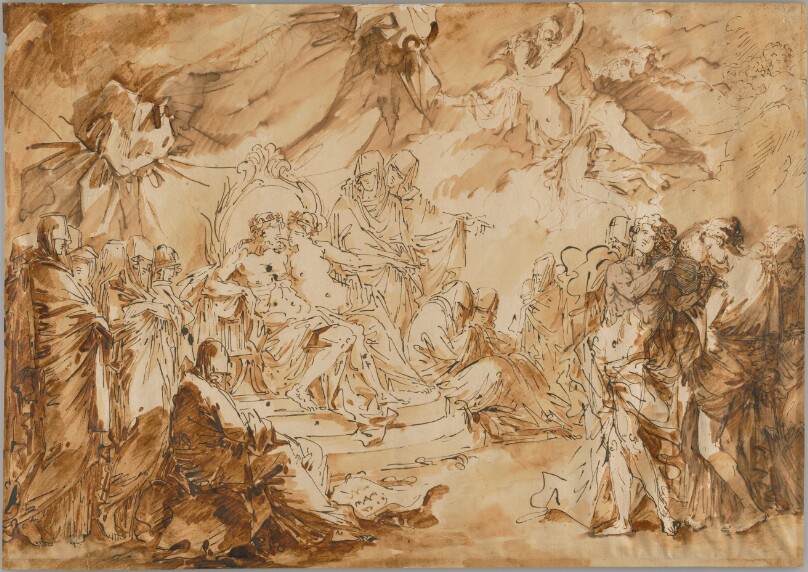
Orpheus in the Underworld
Getty Museum
#e46a9ad2-84ed-4729-8e4e-61b32fb241a2
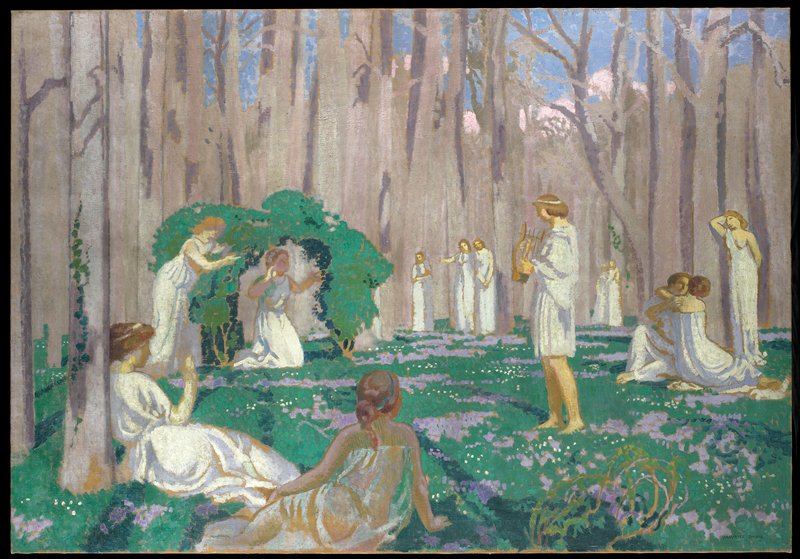
Orpheus and Eurydice
Minneapolis Institute of Art
#1657

The Wounded Eurydice
Minneapolis Institute of Art
#1634
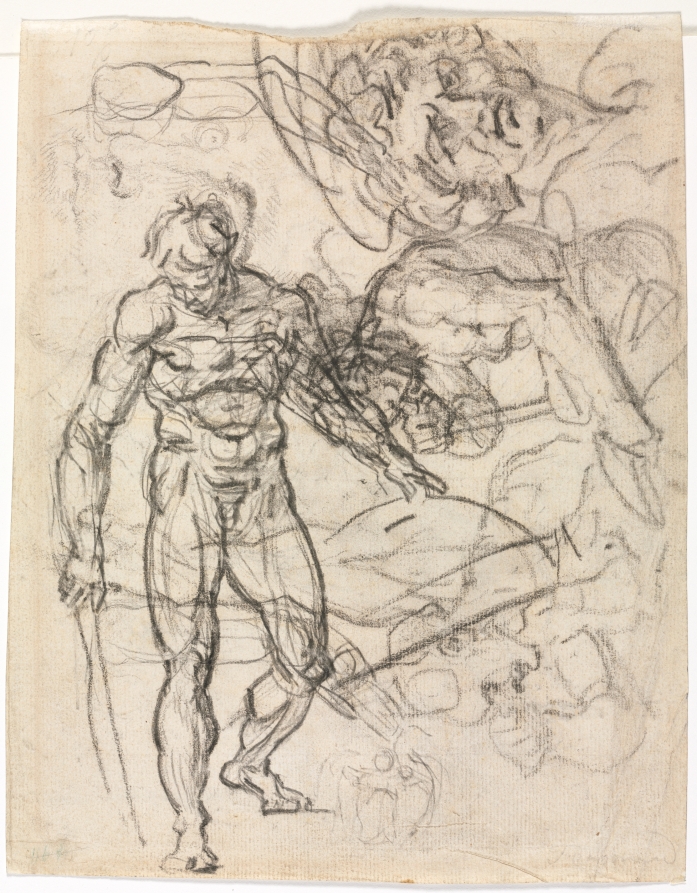
Figure Studies (verso)
Cleveland Museum of Art
#167135
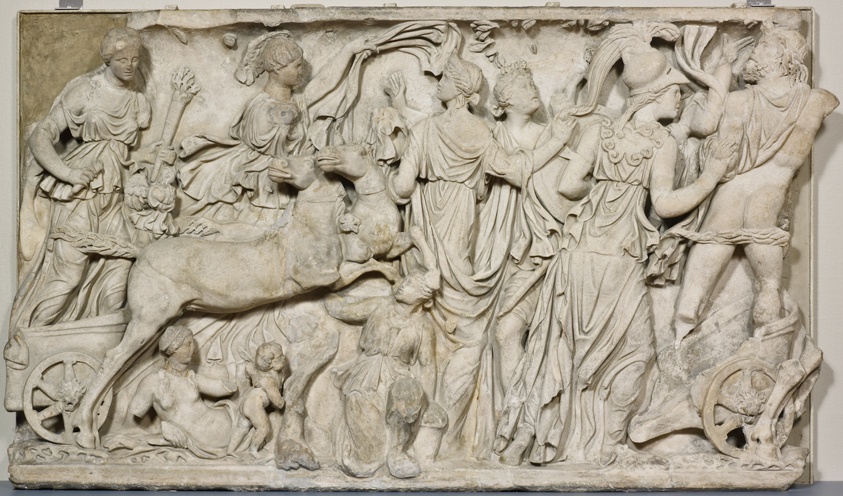
Panel from a Sarcophagus Depicting the Abduction of Persephone
Art Institute of Chicago
#210830
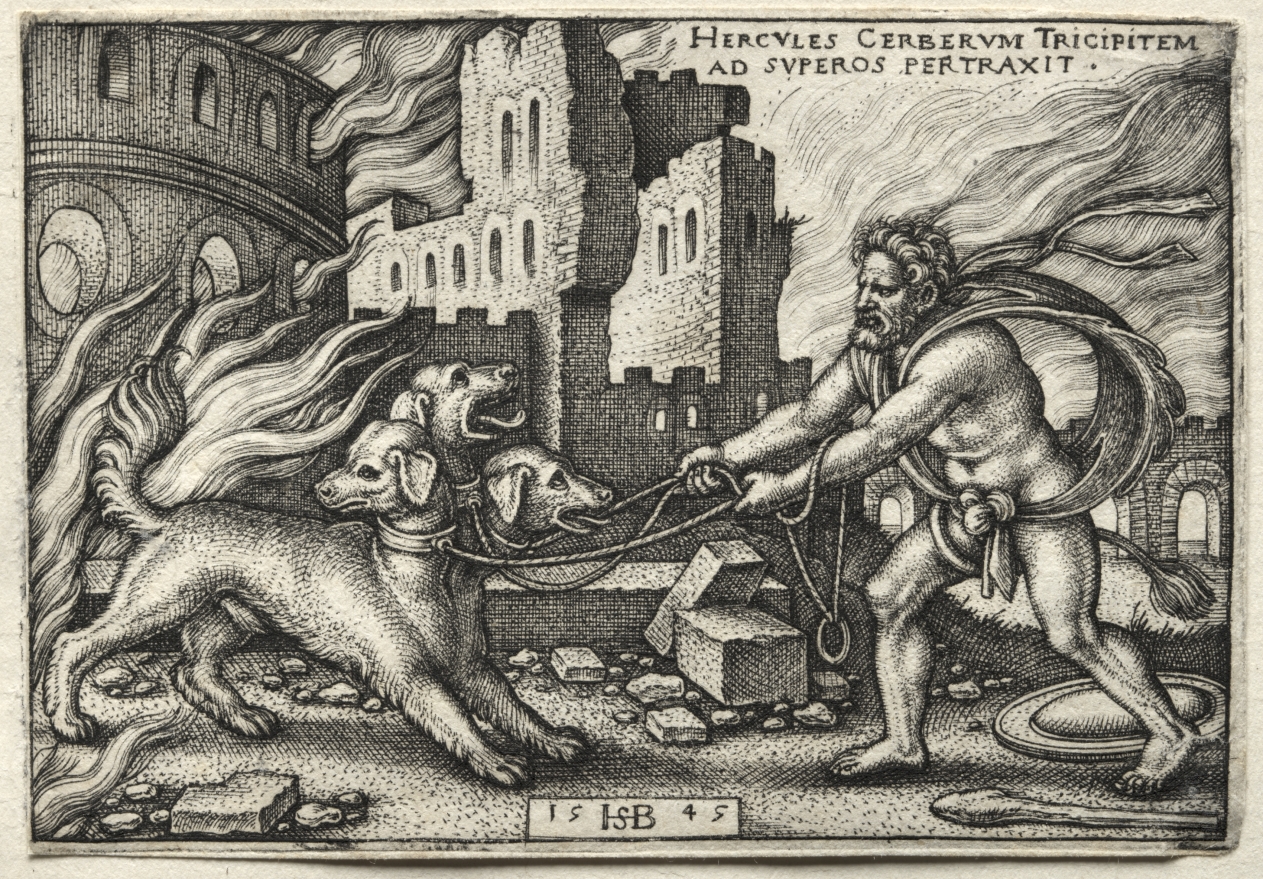
The Labors of Hercules: Hercules Dragging Cerberus from the Underworld
Cleveland Museum of Art
#127818
Orpheus speelt op viola voordat Eurydice naar onderwereld gaat
Rijksmuseum
#RP-P-OB-11.940

Hercules Capturing Cerberus, From the Labors of Hercules
Minneapolis Institute of Art
#124317
Votive Plaque (Pinax) with Persephone Making her Bridal Bed
Cleveland Museum of Art
#394307