
Minneapolis Institute of Art
Relief-carved Fragment from Persepolis
Persia (Iran)
- Date
- 486–465 BCE
- Medium
- Limestone
- Culture
- Persian
- Department
- Asian Art
- Institution
- Minneapolis Institute of Art
This rare stone fragment bearing the carved profile head of a “foreign delegate” is from the north staircase of the great audience hall known as the Apadana at Persepolis; the magnificent ceremonial palace complex of the ancient Persian kings, Darius I (522-486 B.C.) and Xerxes I (486-456 B.C.). By the time of Xerxes I, the huge Persian empire included Lydia, Babylon, Syria, Palestine, Phoenicia, Egypt, parts of Central Asia and, for a time, Attica in Greece. Darius seems to have personally selected the pictorial theme of all the low-relief sculpture decorating his palace. Peoples of all the subject nations of the Persian empire paid yearly tribute to the great kings at Persepolis and many of these foreign dignitaries and delegates were represented in the extensive sculptural scenes of the major stairways. The largest stone palace of the ancient world, Persepolis was destroyed by Alexander the Great in 330 B.C. Its imposing remains in southwestern Iran are a testament to the power and wealth of one of the greatest empires of antiquity.
The authoritative record is held by Minneapolis Institute of Art. LinkedCulture surfaces this object and its connections; it does not alter institutional metadata.
Related across collections
Semantically similar works from Minneapolis Institute of Art and other institutions.
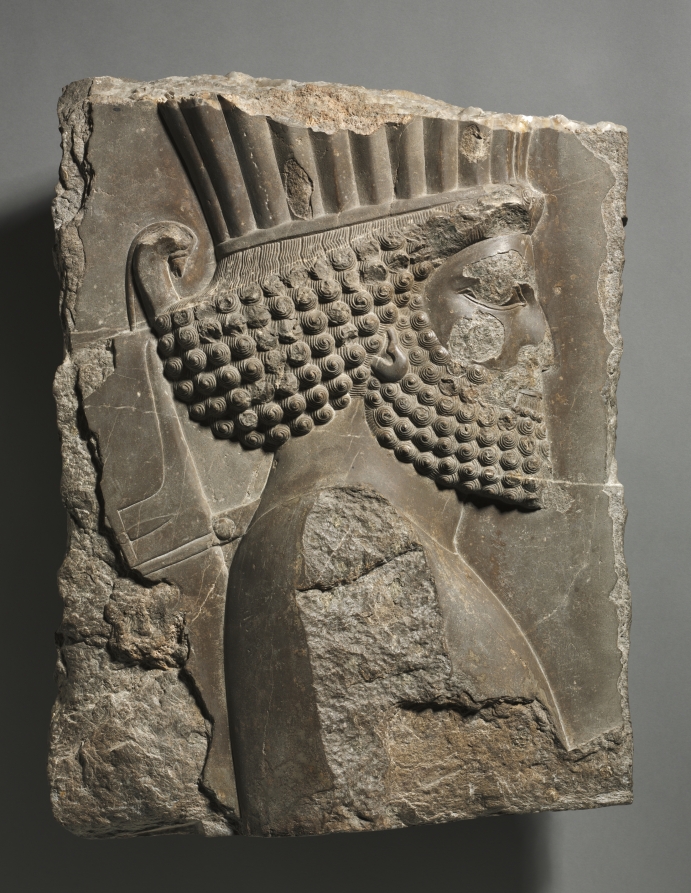
Fragment of a Wall Decoration from the Palace of Xerxes: "Guardsman" in Procession
Cleveland Museum of Art

Xerxes, King of the Persians, Crosses a Bridge with His Army
Getty Museum
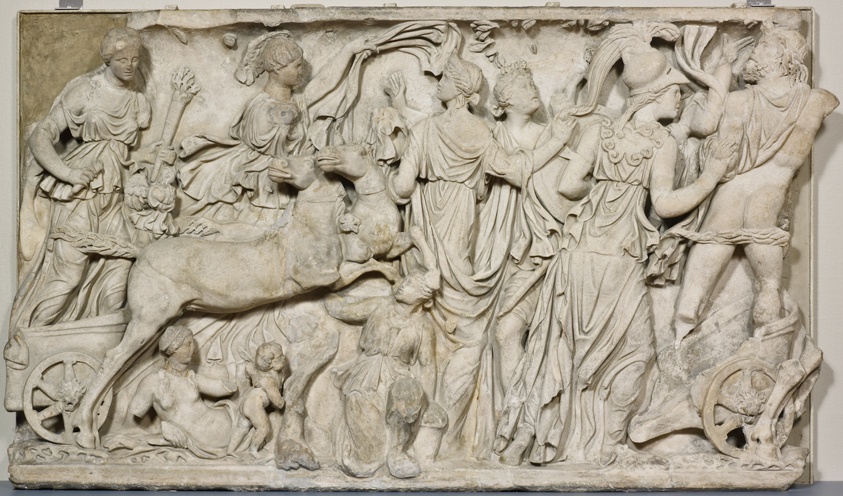
Panel from a Sarcophagus Depicting the Abduction of Persephone
Art Institute of Chicago
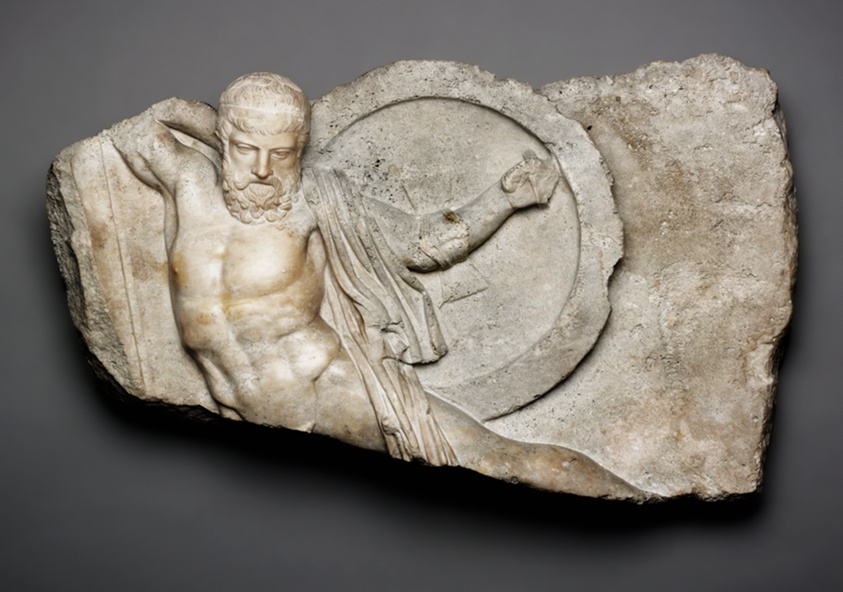
Relief of a Falling Warrior
Art Institute of Chicago
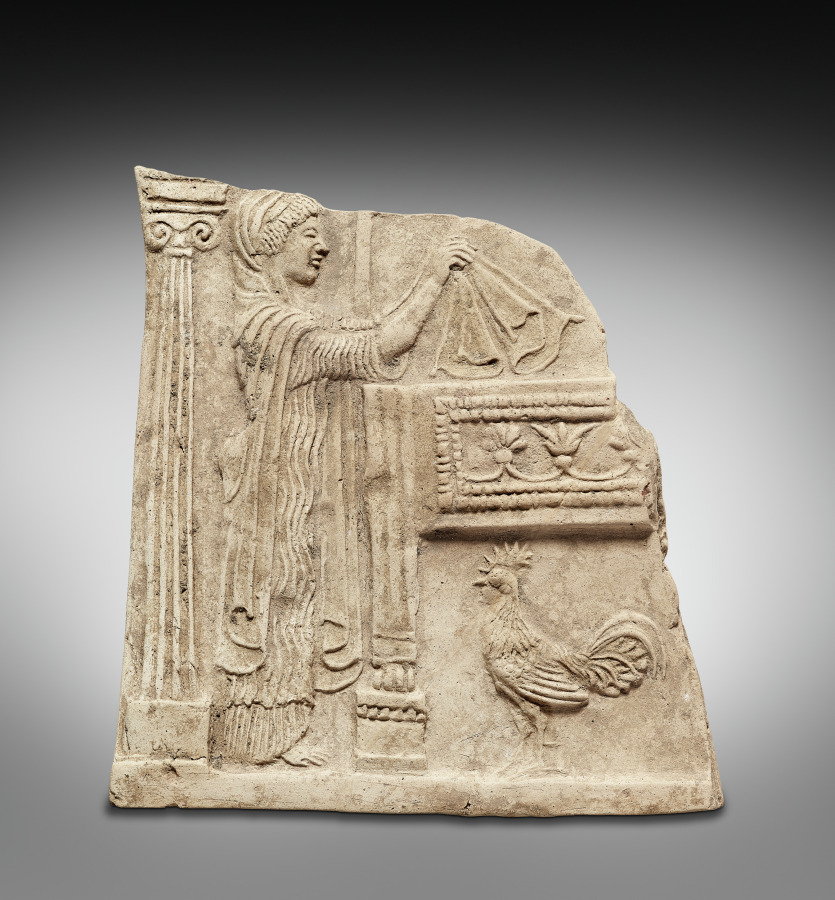
Votive Plaque (Pinax) with Persephone Making her Bridal Bed
Cleveland Museum of Art
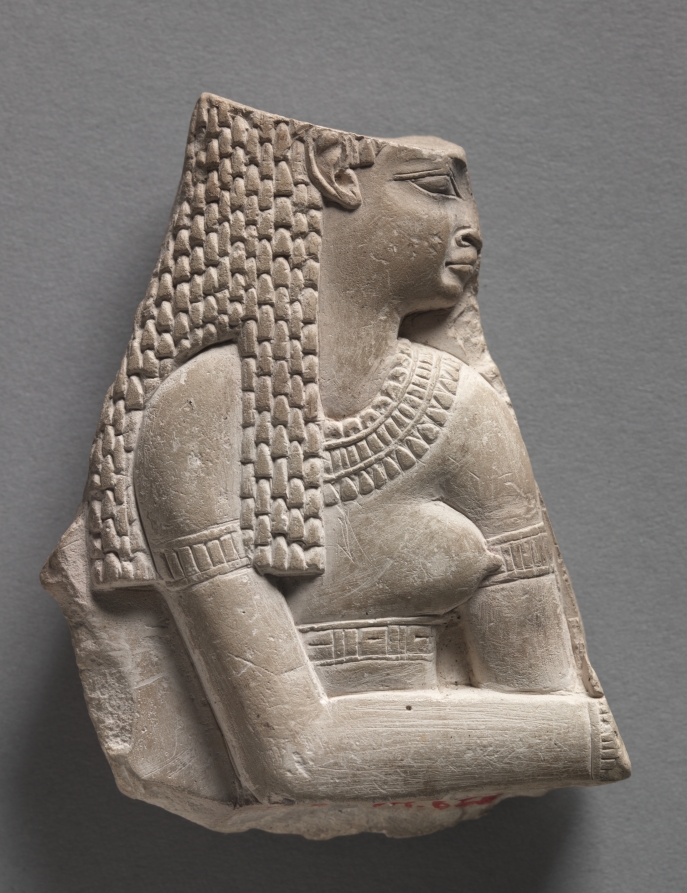
Double-Sided Votive Relief
Cleveland Museum of Art
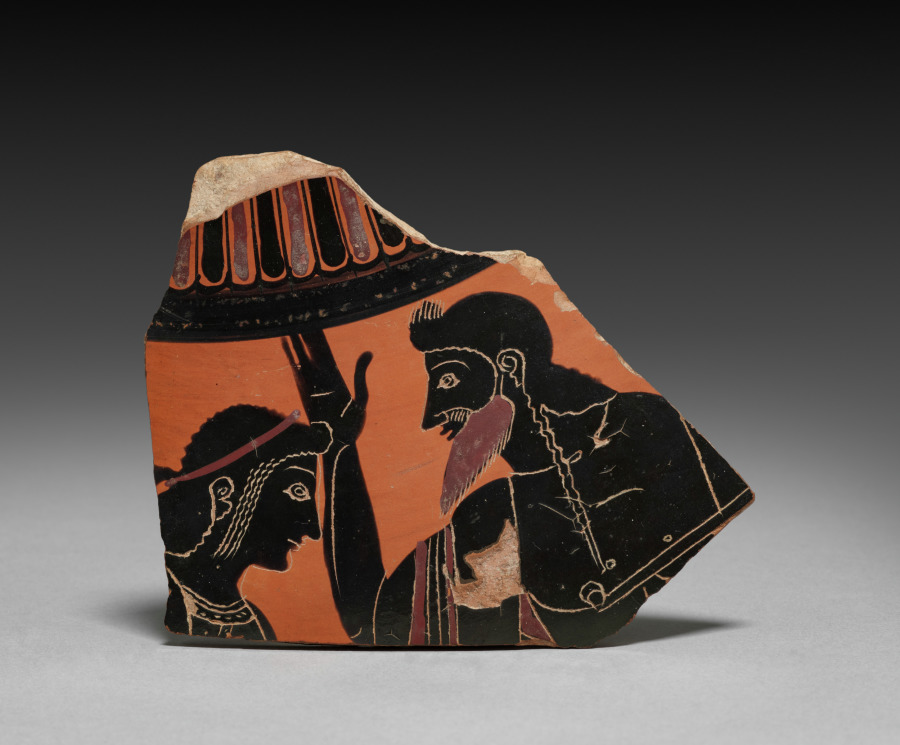
Fragment from Black-Figure Neck-Amphora of Panathenaic Shape (Storage Vessel): Apollo and Zeus
Cleveland Museum of Art
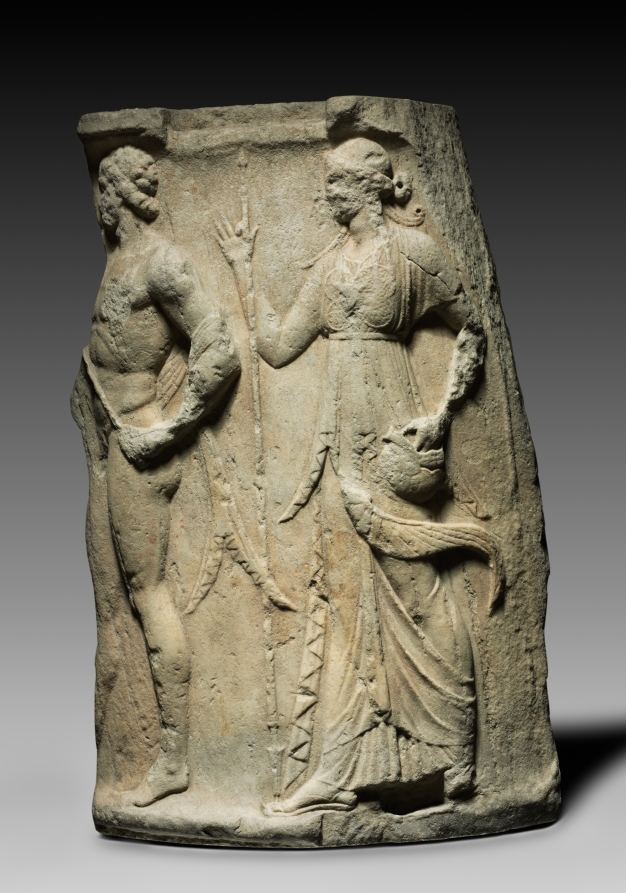
Circular Altar with Hermes and Pallas Athena
Cleveland Museum of Art
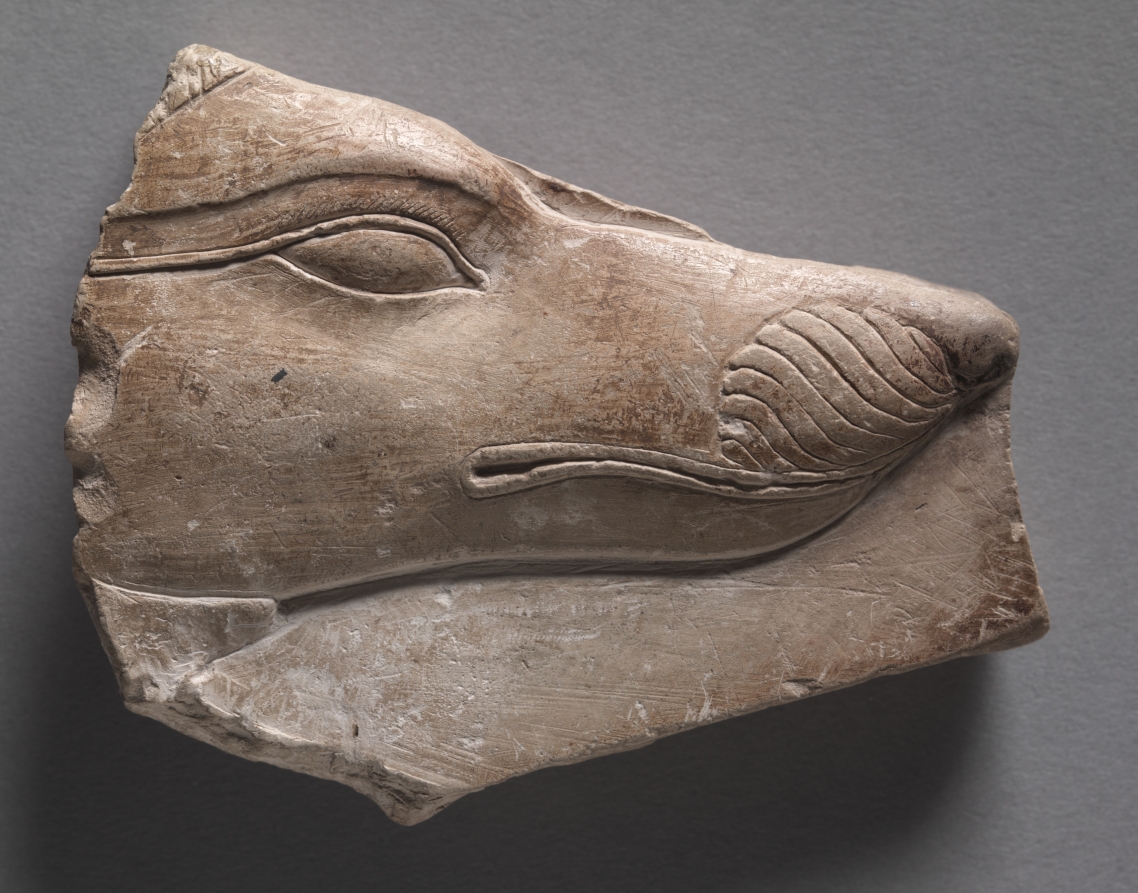
Double-Sided Votive Relief
Cleveland Museum of Art
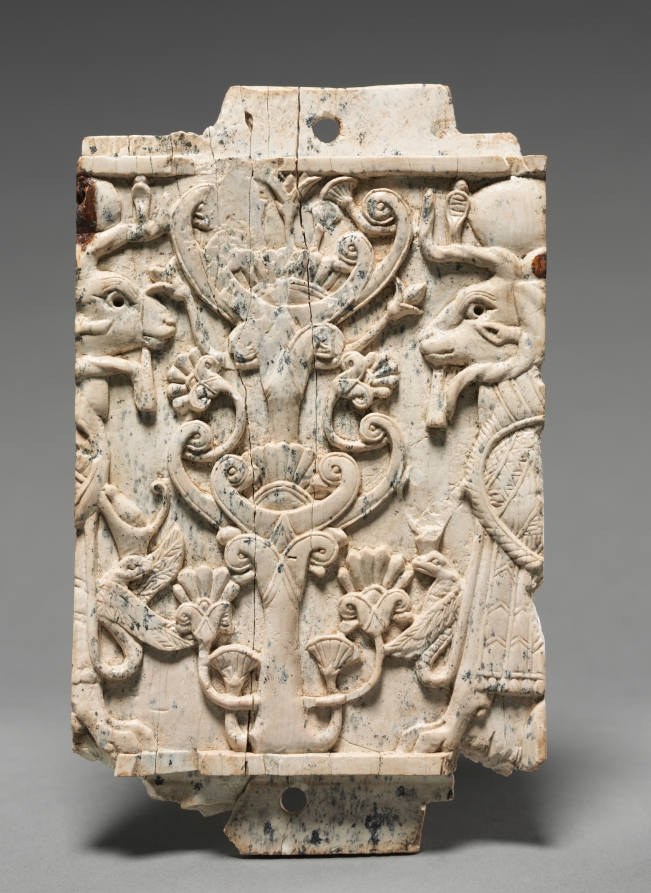
Decorative Plaque: Ram-Headed Sphinxes Flanking a Sacred Tree
Cleveland Museum of Art
Relief fragment possibly from the tomb of Mereri
The Metropolitan Museum of Art

Relief Fragment
Getty Museum