
Minneapolis Institute of Art
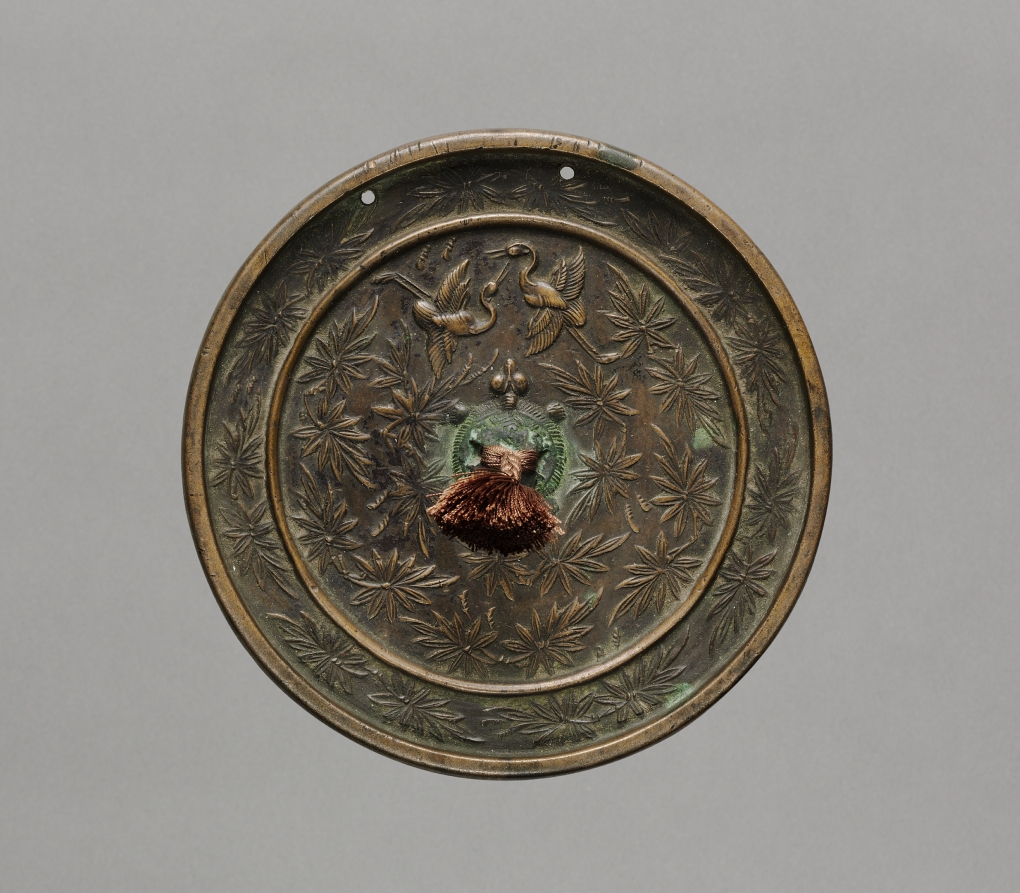
Round mirror with flying cranes surrounded by chrysanthemums
Japan
- Date
- 12th century
- Medium
- Bronze
- Department
- Asian Art
- Institution
- Minneapolis Institute of Art
The Japanese first imported mirrors from China during the Kofun period (250-552). One surface of these bronze disks was polished to be reflective; the other side was embellished with designs in relief. Because mirrors were thought to be magical, the designs were often formal and geometric, and they were placed in tombs in the belief that they could illuminate the darkness. By the Heian period (794-1185), mirrors were a standard element within cosmetic sets and their embellishment reflected secular tastes. Here, cranes are shown flying amid chrysanthemums. The central knob is in the shape of a tortoise. Both cranes and tortoises are symbols of longevity in Asia.
The authoritative record is held by Minneapolis Institute of Art. LinkedCulture surfaces this object and its connections; it does not alter institutional metadata.
Related across collections
Semantically similar works from Minneapolis Institute of Art and other institutions.
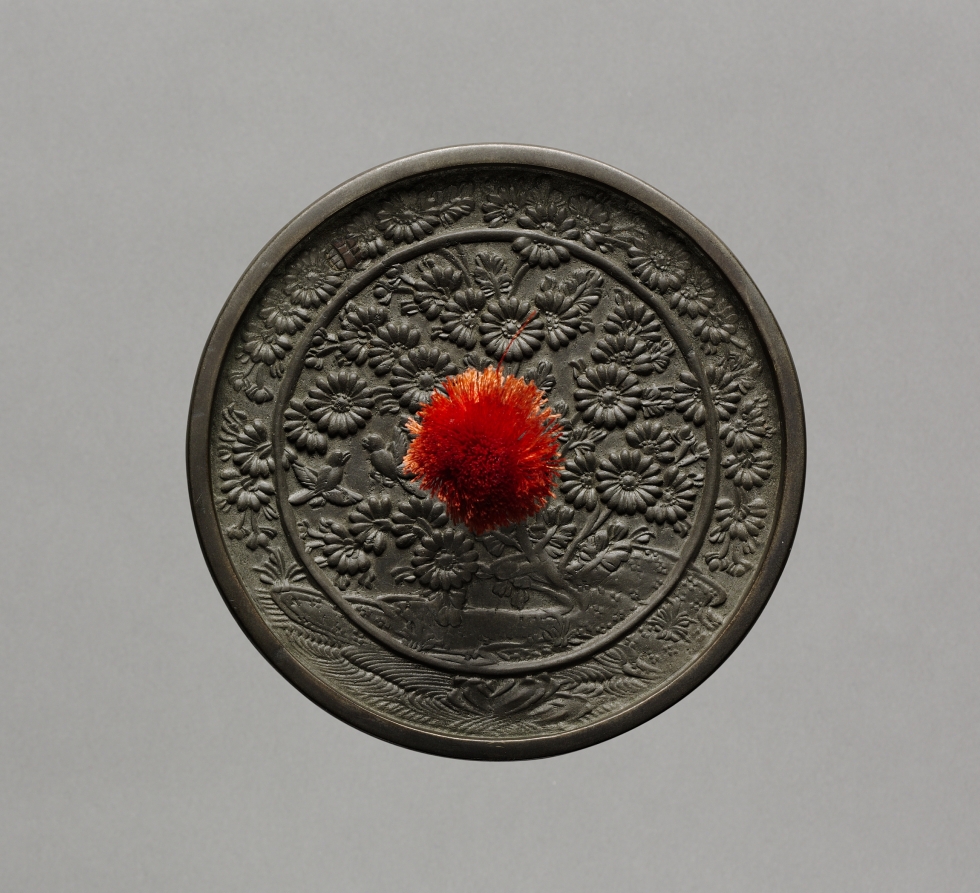
Mirror
Cleveland Museum of Art
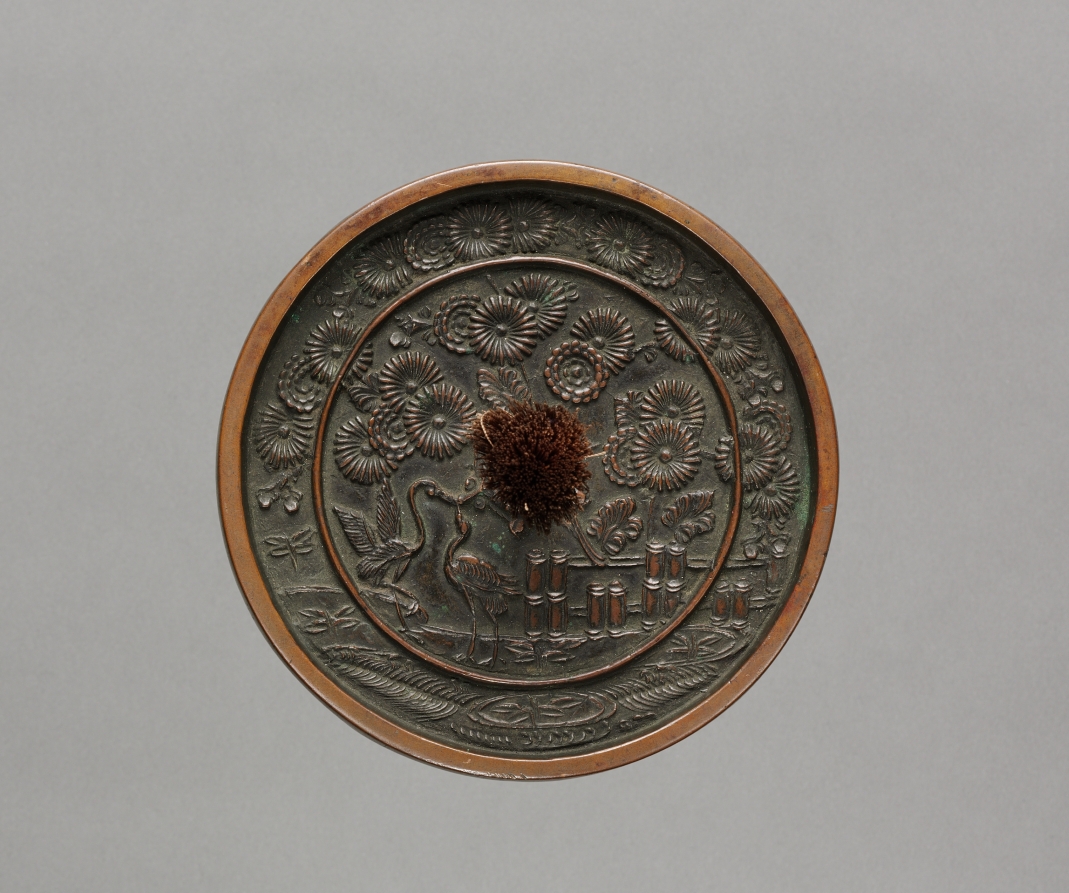
Mirror with Pair of Cranes in Chrysanthemum
Cleveland Museum of Art
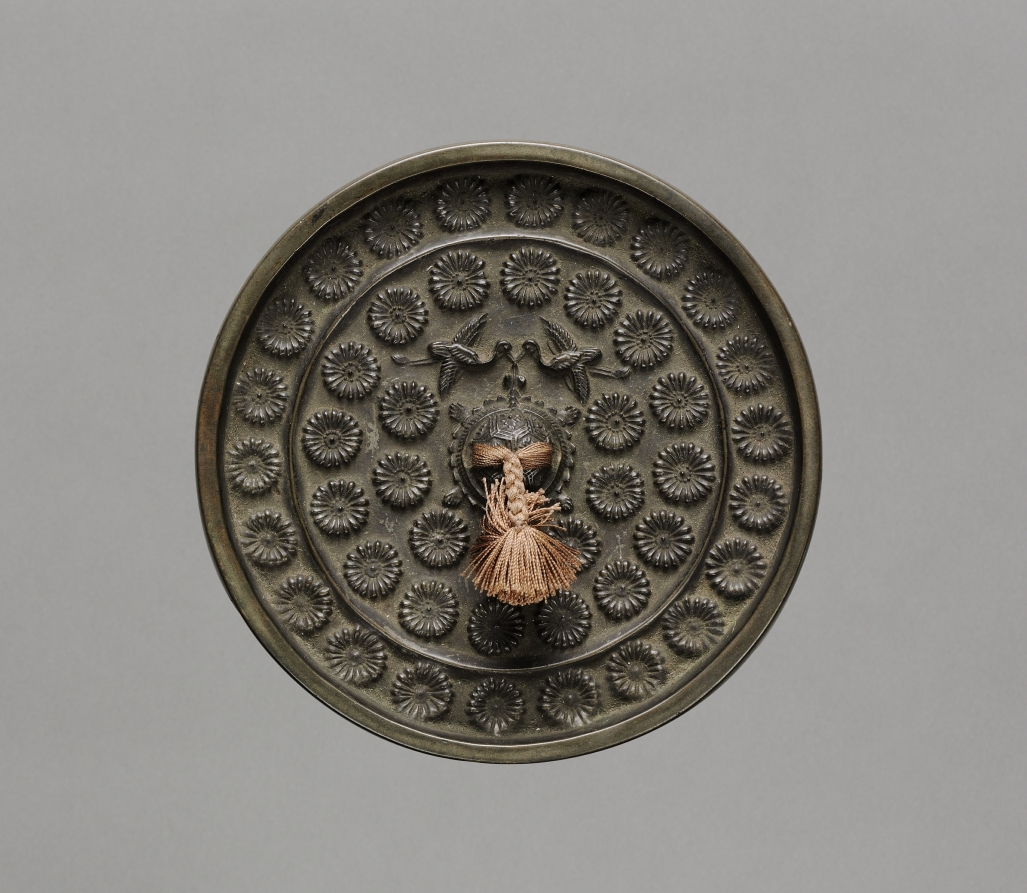
Mirror with Pair of Cranes in Chrysanthemum Pattern
Cleveland Museum of Art
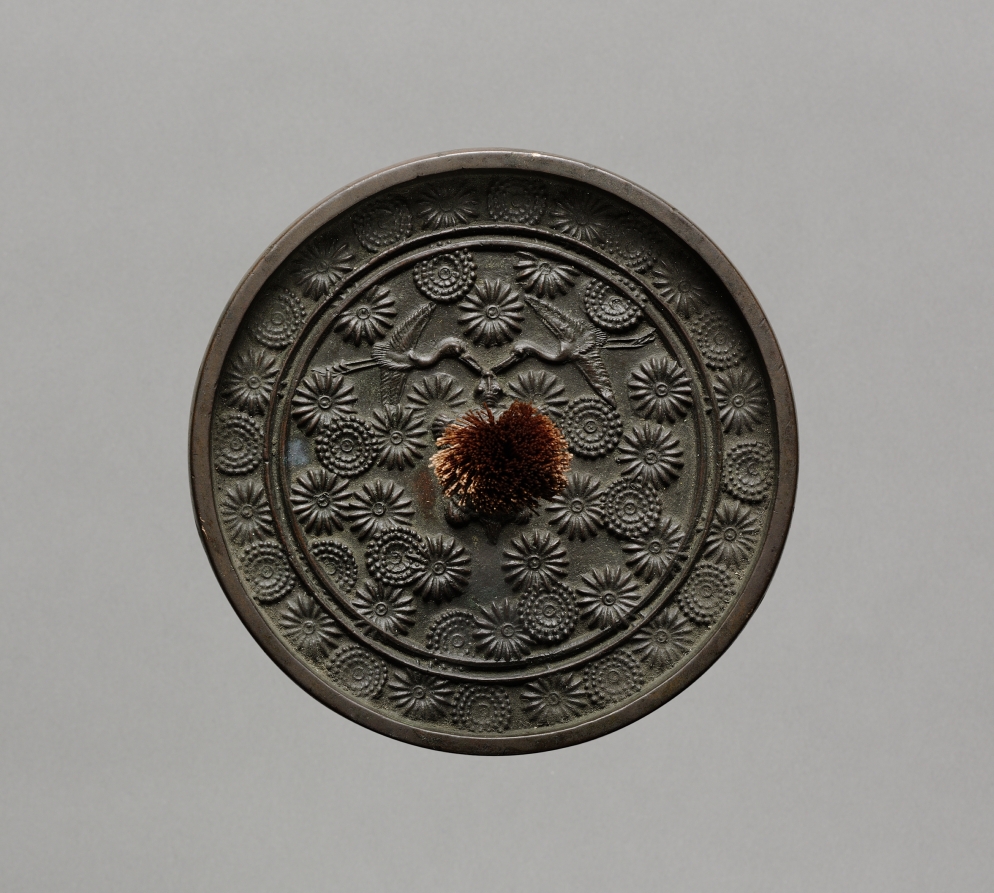
Mirror with Pair of Cranes in Chrysanthemum Pattern
Cleveland Museum of Art
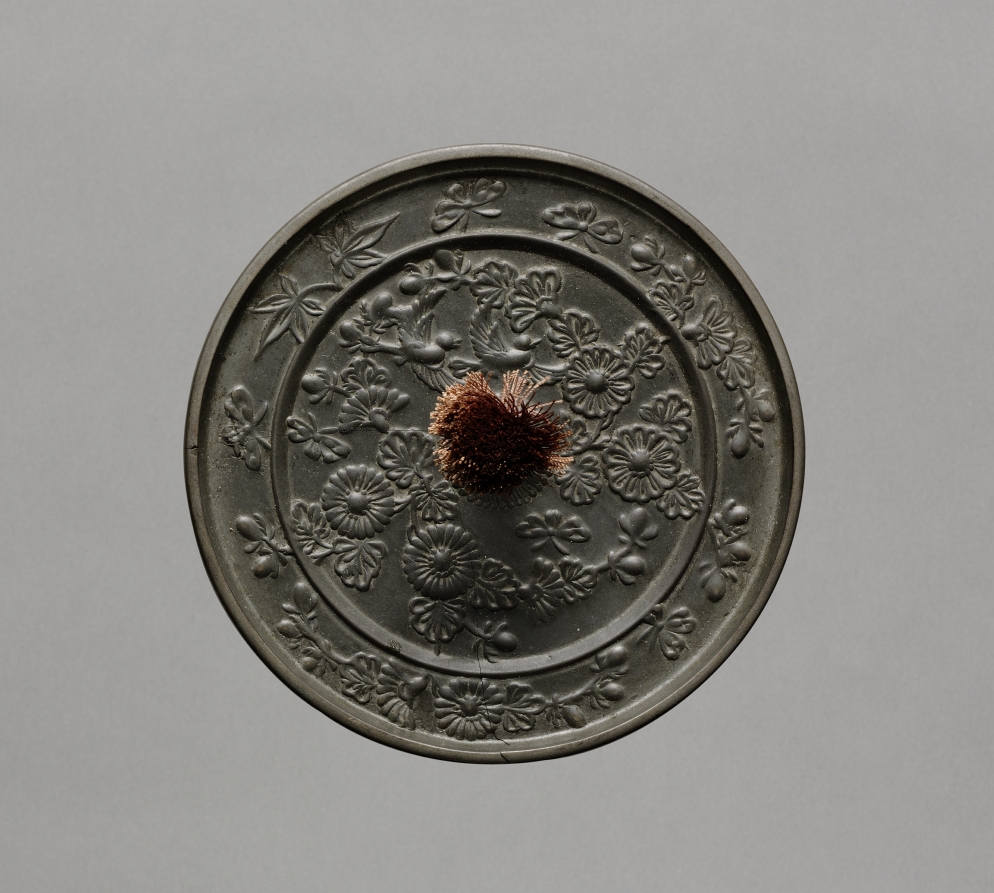
Mirror with Pair of Birds in Chrysanthemum
Cleveland Museum of Art
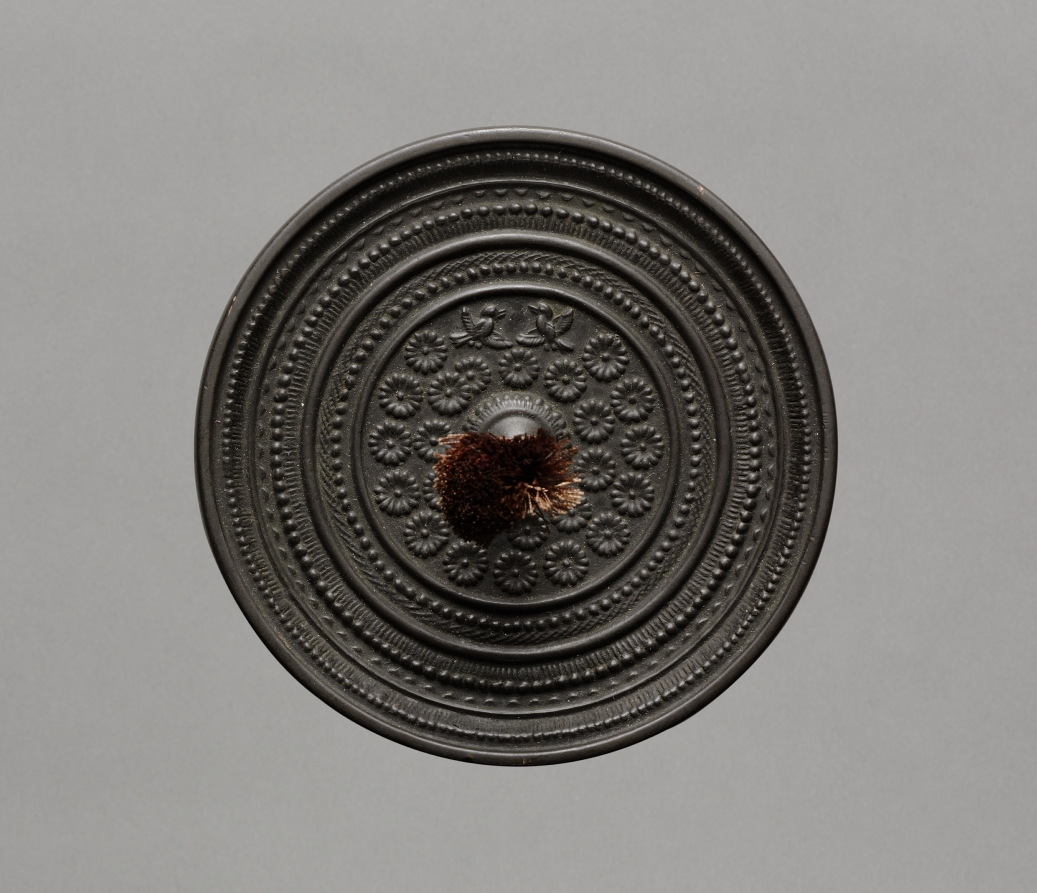
Mirror with Pair of Birds and Chrysanthemum Pattern
Cleveland Museum of Art

Square Mirror
Minneapolis Institute of Art
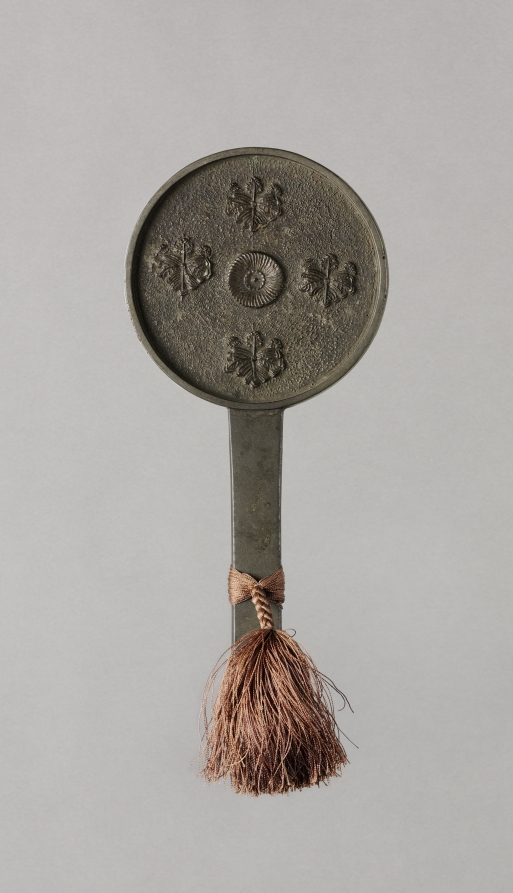
Mirror with Paulownia Crests
Cleveland Museum of Art

Mirror with Cosmological Design
Minneapolis Institute of Art
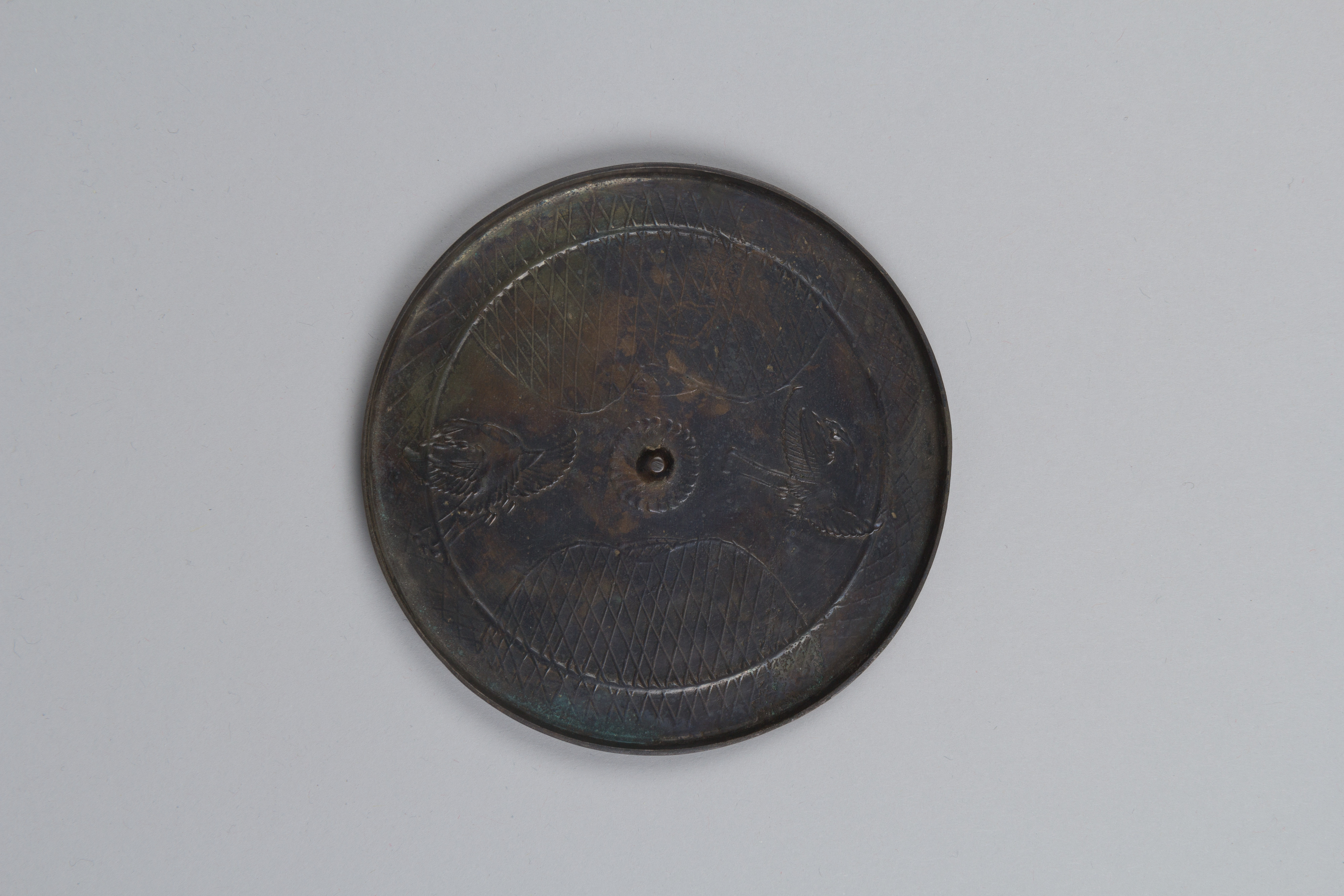
Mirror With Decoration of Flying Birds and Fishnets
The Metropolitan Museum of Art
Mirror with Pair of Cranes in Chrysanthemum Pattern
Cleveland Museum of Art

Mirror
Minneapolis Institute of Art